
Best Gas Hot Water Heaters 2024
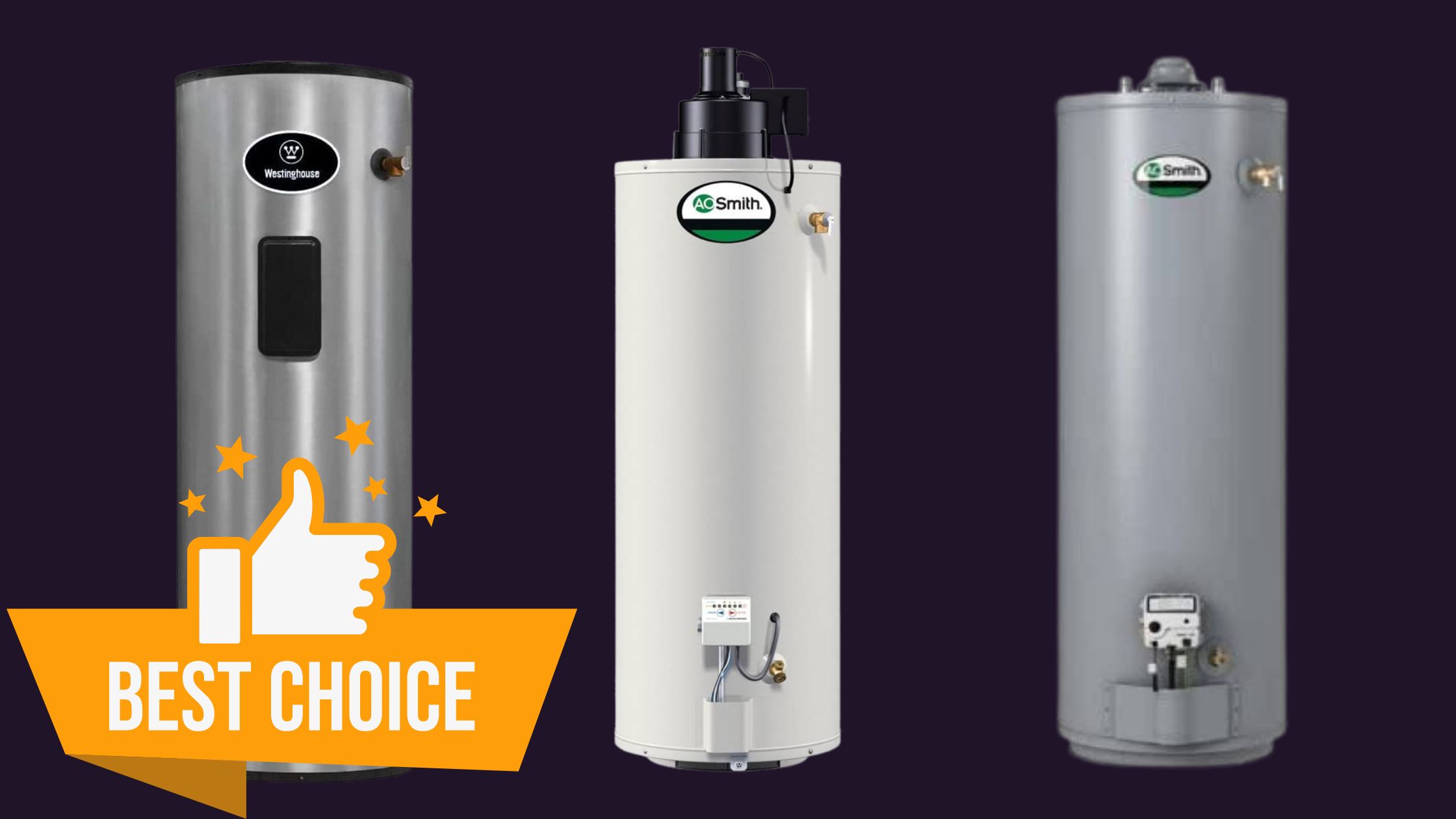
One of the most common and frustrating issues homeowners face with their gas hot water heater, even with the "best gas hot water heaters" of 2024, is inconsistent hot water. This can manifest as lukewarm water, short bursts of hot water followed by cold, or no hot water at all. Before you panic and assume a major repair is needed, let's walk through a systematic troubleshooting process. We'll cover checks you can do yourself and when it's time to call a professional.
Diagnosing Inconsistent Hot Water: A Step-by-Step Approach
This troubleshooting guide aims to help you pinpoint the root cause of your inconsistent hot water issue. Remember, safety first! If you smell gas at any point, immediately evacuate the area and call your gas company.
Step 1: Simple Checks (No Tools Required)
Before grabbing any tools, let's eliminate some of the easiest possibilities.
- Check the Gas Supply: Is your gas service active? Ensure other gas appliances (stove, furnace) are working correctly. If none are working, there might be a problem with your gas supply, and you should contact your gas company immediately.
- Check the Pilot Light: Many older gas water heaters have a pilot light that needs to be lit to ignite the main burner. Look for instructions on the tank itself for how to relight the pilot light. If the pilot light continuously goes out, there may be a problem with the thermocouple (explained later). Note: Newer, more energy-efficient models often use electronic ignition, so this step might not apply to you.
- Check for Leaks: Visually inspect around the base of the water heater and any connected pipes for signs of water leaks. Even small leaks can reduce the efficiency of your heater and eventually lead to more significant problems. If you find a leak, even a small one, it’s best to call a plumber.
- Check the Thermostat Setting: Ensure the thermostat is set to a reasonable temperature (typically around 120-130°F). A low setting can cause lukewarm water. A too high setting can be dangerous.
- Check Water Usage: Are multiple people using hot water simultaneously? Overlapping showers or running the dishwasher and washing machine at the same time can strain the heater's capacity, leading to temporary cold water.
Step 2: More In-Depth Checks (Basic Tools Needed)
If the simple checks haven't revealed the problem, it's time to use some basic tools. Always turn off the gas supply to the water heater before proceeding with these steps. You will typically find a gas shut-off valve on the gas line leading to the heater.
- Inspect the Thermocouple (Pilot Light Issues): The thermocouple is a small metal rod located near the pilot light. Its function is to sense the heat of the pilot flame and keep the gas valve open. If it fails, the pilot light will go out.
- Visual Inspection: Look for any signs of damage, corrosion, or bending on the thermocouple.
- Testing (Multimeter Required): Using a multimeter, you can test the thermocouple's output voltage. A healthy thermocouple should produce a reading within the manufacturer's specifications. This is best left to a professional if you are uncomfortable using a multimeter.
- Check the Burner Assembly: The burner assembly is where the gas ignites to heat the water.
- Visual Inspection: Carefully remove the access panel to the burner assembly (refer to your owner's manual for instructions). Look for any signs of debris, rust, or corrosion that could be blocking the gas flow or interfering with ignition.
- Cleaning (Carefully): If you find debris, you can try to carefully clean the burner assembly with a vacuum cleaner or a small brush. Never use water to clean the burner assembly.
- Sediment Buildup: Over time, sediment can accumulate in the bottom of the water heater tank, reducing its efficiency and causing inconsistent hot water.
- Listen for Noises: Gurgling or rumbling noises coming from the tank can indicate sediment buildup.
- Draining the Tank (Partial Drain): Carefully drain a few gallons of water from the drain valve at the bottom of the tank into a bucket. Examine the water for sediment. If the water is heavily laden with sediment, you'll need to flush the tank more thoroughly (see below).
- Check the Vent: The vent pipe carries exhaust gases away from the water heater. A blocked vent can cause the heater to shut down as a safety precaution.
- Visual Inspection: Check the vent pipe for any obstructions, such as bird nests, leaves, or debris.
- Feel for Draft: With the water heater running, carefully feel for a draft at the vent. If there's no draft, the vent may be blocked.
Step 3: DIY Actions (If Appropriate)
Based on your diagnosis, here are some simple DIY actions you can take.
- Relighting the Pilot Light: If the pilot light is out, follow the instructions on the water heater to relight it. If it continues to go out, this is a serious safety concern. Turn off the gas and call a plumber immediately.
- Partial Tank Flush (Sediment Removal): If you detected sediment, perform a partial flush by connecting a garden hose to the drain valve at the bottom of the tank. Run the water until it clears. This may need to be repeated regularly to maintain optimal performance. Be sure to follow manufacturer’s instructions to prevent damage to your water heater.
- Thermostat Adjustment: Carefully adjust the thermostat setting to a comfortable and safe temperature (around 120-130°F).
- Cleaning the Burner Assembly: As described above, carefully remove any debris from the burner assembly with a vacuum cleaner or brush.
- Clearing Vent Obstructions: If you find any obstructions in the vent pipe, carefully remove them.
When to Call a Professional
While many issues can be resolved with simple troubleshooting and DIY actions, some problems require the expertise of a qualified HVAC technician or plumber. It’s important to recognize when a situation exceeds your capabilities and prioritize safety.
Call a professional immediately if:
- You smell gas: This is a serious safety hazard. Evacuate the area and call your gas company or 911.
- You suspect a gas leak: Even if you don't smell gas strongly, any suspicion of a leak warrants a professional inspection.
- You are uncomfortable working with gas or electricity: Don't take risks if you're not confident in your abilities.
- You cannot identify the problem: If you've followed the troubleshooting steps and still don't know what's causing the inconsistent hot water, it's best to call a professional.
- You suspect a major component failure: Issues like a faulty gas valve, a damaged heating element (on electric models), or a leaking tank require professional attention.
- The thermocouple needs replacement: Replacing the thermocouple involves working with gas lines and requires specialized tools and knowledge. It is best to call a professional
Specifically, the following problems almost always require professional service:
- Gas Valve Issues: A malfunctioning gas valve can lead to dangerous situations and should only be handled by a licensed professional. Symptoms include inconsistent flame, difficulty igniting, or a valve that won't shut off completely.
- Tank Leaks: Any signs of a tank leak, even a small one, indicate a serious problem. Continuing to use a leaking water heater can cause significant water damage and structural issues. Replacement of the tank is usually necessary.
- Complex Electrical Problems: For electric water heaters, any electrical issues beyond a tripped breaker should be addressed by a qualified electrician. Tampering with electrical components can be extremely dangerous.
- Major Sediment Buildup: If flushing the tank doesn't resolve the sediment problem, or if the sediment is extremely hardened, a professional might need to use specialized equipment to remove it. Neglecting this problem may lead to damage to the tank.
- Flue Damage: If the flue is damaged, deteriorated, or improperly connected, the exhaust gases may not vent properly, leading to carbon monoxide poisoning.
Preventative Maintenance for Longer Life
Regular preventative maintenance can significantly extend the lifespan of your gas hot water heater and prevent many of the issues discussed above. Consider the following:
- Flush the Tank Regularly: As mentioned earlier, flushing the tank every 6-12 months helps remove sediment buildup and maintain efficiency.
- Inspect the Anode Rod: The anode rod is a sacrificial rod that protects the tank from corrosion. It should be inspected and replaced every few years. This is best done by a professional.
- Check the TPR Valve: The Temperature and Pressure Relief (TPR) valve is a safety device that prevents the tank from over-pressurizing. Test it periodically to ensure it's functioning correctly. Caution: scalding water will come out.
- Insulate Pipes: Insulating the hot water pipes can reduce heat loss and improve efficiency.
- Professional Inspection: Schedule a professional inspection every few years to identify potential problems early on.
By following these troubleshooting steps and preventative maintenance tips, you can keep your gas hot water heater running smoothly and efficiently for years to come. Remember safety above all else and when in doubt, call a qualified professional.
:max_bytes(150000):strip_icc()/rheem-performance-power-vent-natural-gas-tank-water-heater-cb8902789a9a47eea5b8a9d9e3b0700a.jpg)


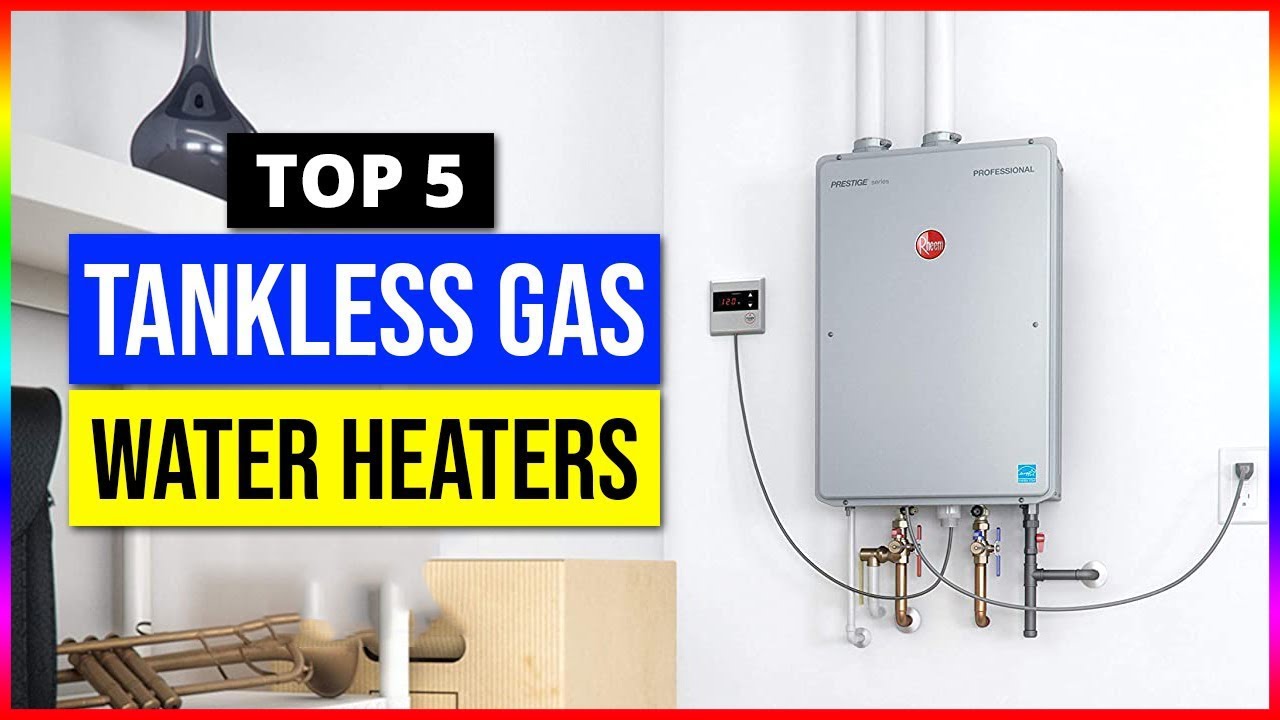
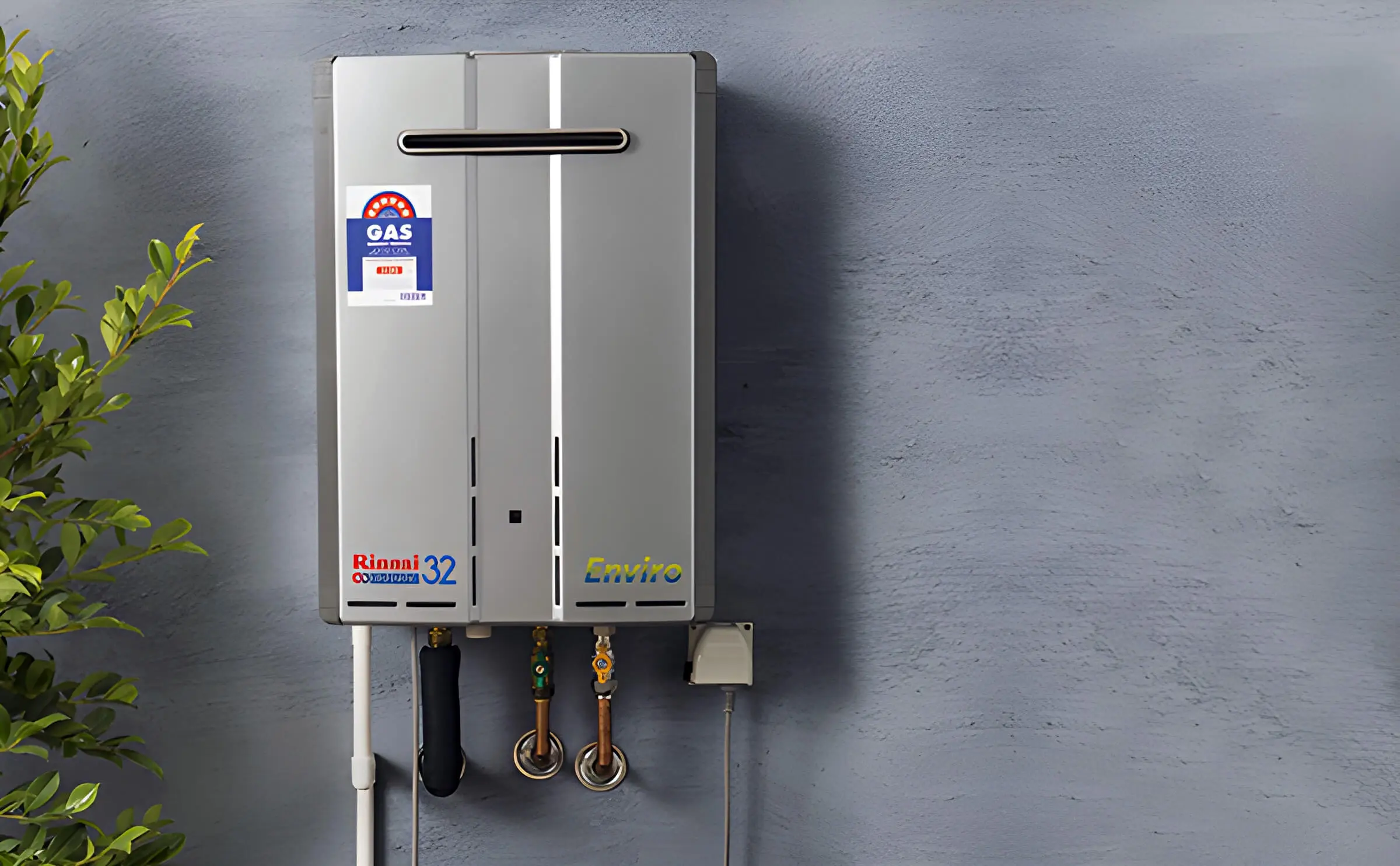
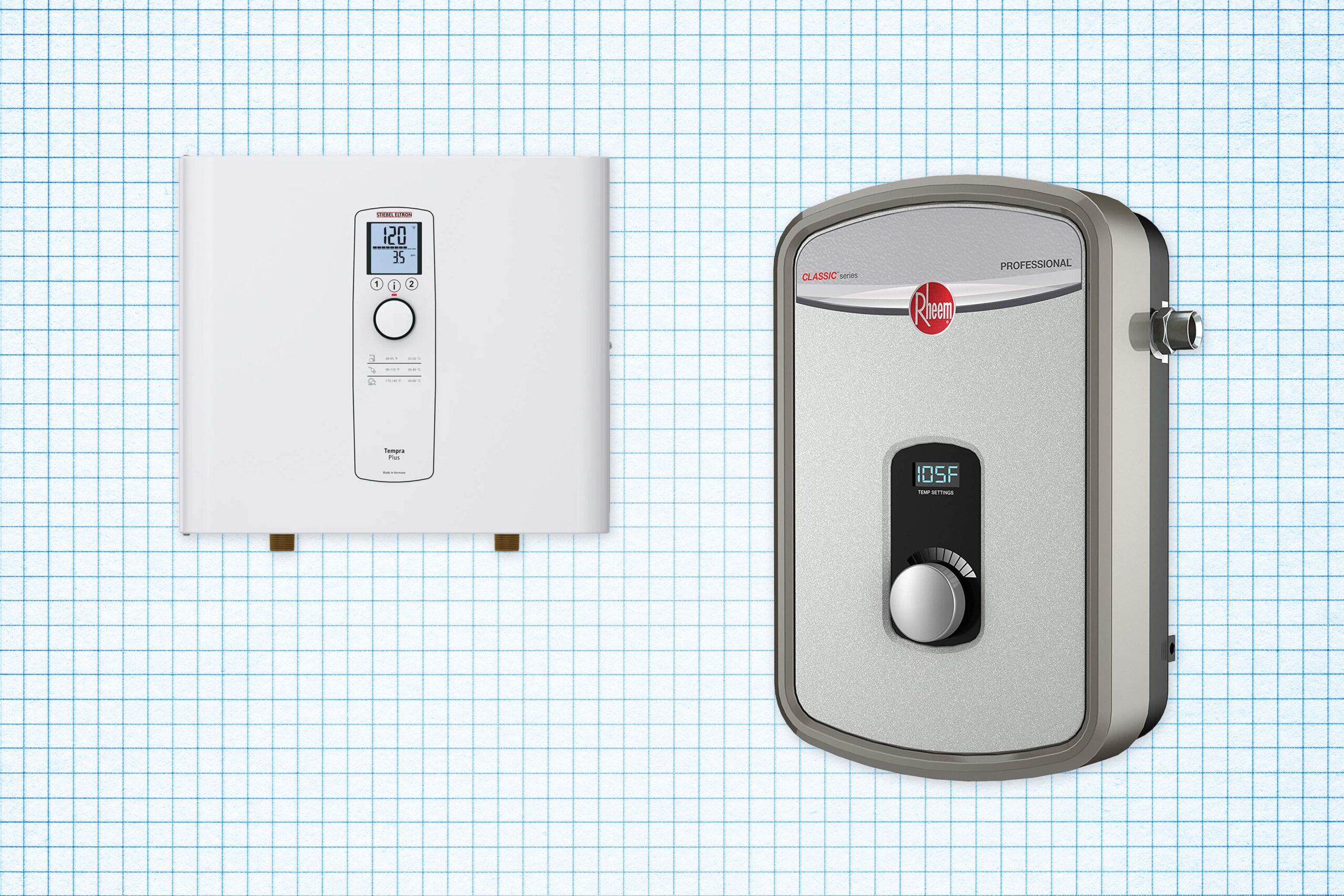

:max_bytes(150000):strip_icc()/rinnai-rl-series-he--tankless-hot-water-heater-0e4d44d1c3b440cb9b22170ac657d04b.jpg)

