Best Heating System For Small House
Frequently Asked Questions: Choosing the Best Heating System for Your Small House
Heating a small house efficiently and affordably is a common concern for homeowners. This FAQ aims to answer your burning questions and guide you in selecting the ideal heating system.
Question 1: What are the most common heating systems suitable for a small house?
Several heating systems are well-suited for smaller homes. The best option for you will depend on your specific needs, budget, and location. Here's a rundown of popular choices:
- Electric Space Heaters: These are portable and provide immediate heat, ideal for heating individual rooms. However, they can be expensive to run for extended periods.
- Electric Baseboard Heaters: Installed along baseboards, these provide consistent warmth. They're generally more energy-efficient than space heaters but can still be pricey in some regions.
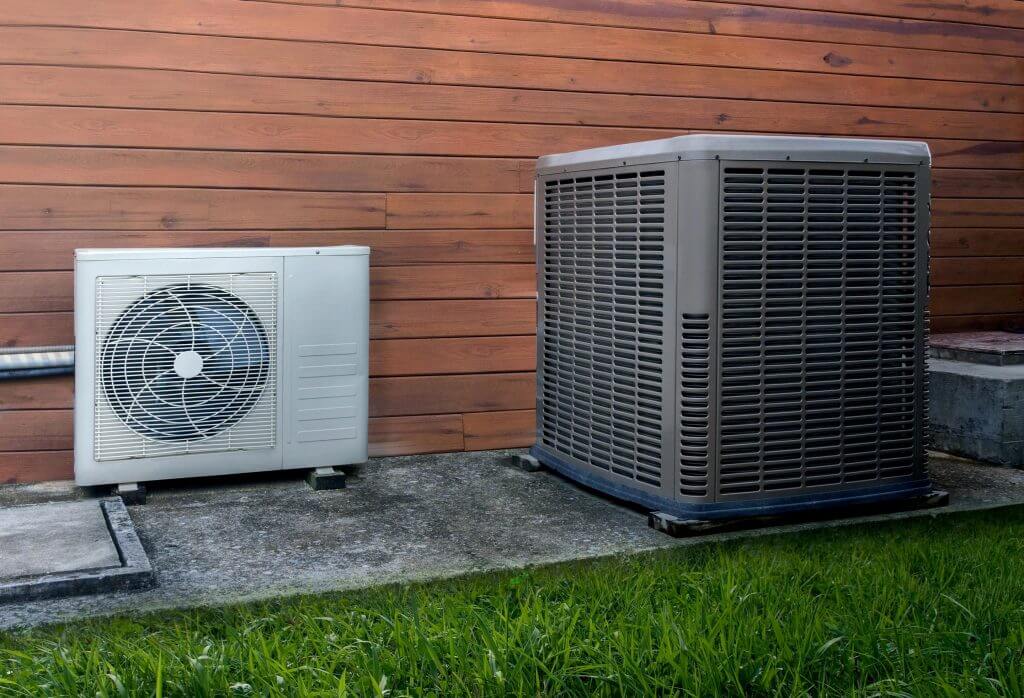
- Mini-Split Heat Pumps: These are ductless systems that offer both heating and cooling. They are highly energy-efficient and can heat specific zones within the house, but the initial installation cost can be significant.
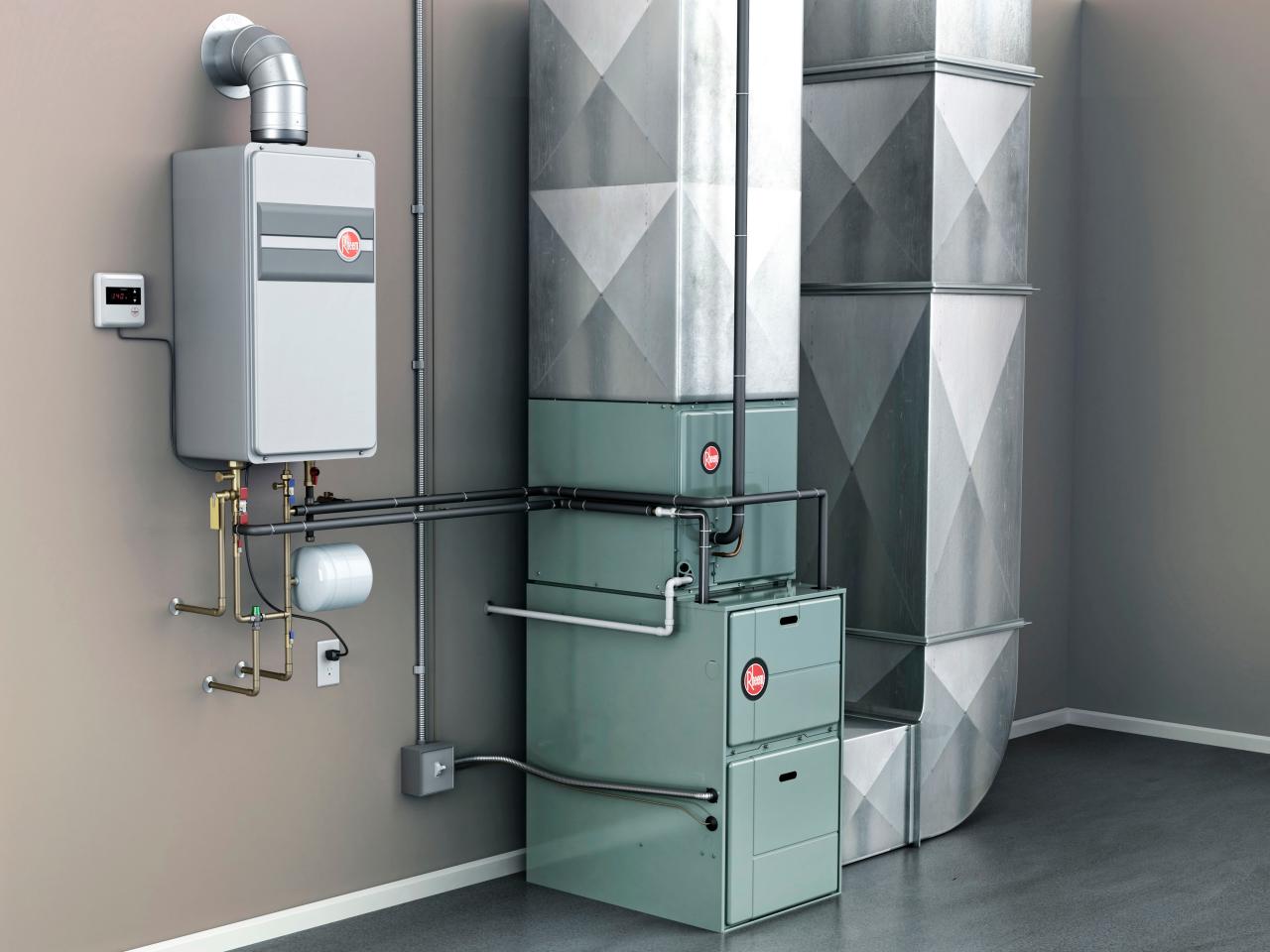
- Natural Gas or Propane Furnaces: These systems are generally more efficient for larger homes, but smaller, high-efficiency models can be effective in small spaces, especially where natural gas is readily available.
- Electric Furnaces: A slightly more efficient and effective whole-house heating solution compared to electric baseboard heaters, but still not as efficient as other options like heat pumps.
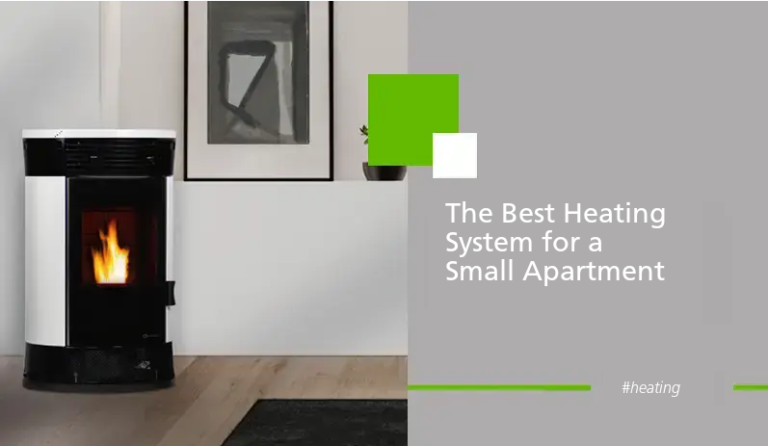
- Wood Stoves/Pellet Stoves: These offer a cozy, radiant heat source and can be cost-effective if you have access to affordable wood or pellets. However, they require regular maintenance and aren't ideal for hands-off heating.
Question 2: Which heating system is the most energy-efficient for a small house?
Energy efficiency is a major factor in keeping your heating bills down. Here’s a breakdown of the most energy-efficient options for a small house:
- Mini-Split Heat Pumps: These are renowned for their energy efficiency, often boasting SEER (Seasonal Energy Efficiency Ratio) ratings of 15 or higher for cooling, and HSPF (Heating Seasonal Performance Factor) ratings above 8 for heating. They transfer heat rather than generating it, making them incredibly efficient.
- High-Efficiency Natural Gas or Propane Furnaces: Look for furnaces with an AFUE (Annual Fuel Utilization Efficiency) rating of 90% or higher. These models minimize wasted energy and maximize heat output.
- Electric Heat Pumps (Ducted): While requiring ductwork, ducted heat pumps are more effective than electric baseboard heaters or furnaces and still offer good efficiency.
Important Note: Energy efficiency can vary greatly between models and brands. Always check the energy efficiency ratings before making a purchase. Also, proper insulation and sealing of your home's envelope are crucial for maximizing the efficiency of any heating system.
Question 3: What factors should I consider when choosing a heating system?
Selecting the right heating system involves considering several important factors:
- Budget: Consider both the initial purchase and installation costs, as well as the long-term operating costs (fuel or electricity).
- Energy Efficiency: Look for systems with high energy efficiency ratings to minimize your energy bills.
- Climate: Your local climate will influence the best type of heating system. For example, heat pumps are less effective in extremely cold climates.
- Fuel Availability and Cost: Consider the availability and cost of different fuel sources (natural gas, propane, electricity, wood).
- Installation Requirements: Some systems require professional installation, while others can be installed DIY. Consider the complexity of the installation and the associated costs.
- Maintenance Requirements: Different systems require different levels of maintenance. Consider your ability and willingness to perform regular maintenance.
- Zoning Capabilities: The ability to heat specific zones within your home can improve energy efficiency and comfort. Mini-split systems are particularly good at zoning.
- Space Constraints: Some heating systems require more space than others. Consider the available space in your home for the unit itself and any associated ductwork or fuel storage.
- Air Quality: Some heating systems, like wood stoves, can impact indoor air quality. Consider the potential impact on your health and take steps to mitigate any risks.
- Noise Levels: Some heating systems can be noisy. Consider the noise level of the system and its potential impact on your comfort.
Question 4: Are ductless mini-split systems a good option for small houses? What are their pros and cons?
Ductless mini-split systems are a fantastic choice for many small houses. Here's a breakdown of their advantages and disadvantages:
Pros:
- High Energy Efficiency: As mentioned, they are among the most energy-efficient heating options available.
- Zoned Heating and Cooling: Each indoor unit can be controlled independently, allowing you to heat or cool specific rooms as needed.
- No Ductwork Required: This makes them ideal for homes without existing ductwork, simplifying installation and reducing costs.
- Quiet Operation: Mini-split systems are generally very quiet.
- Heating and Cooling in One Unit: They provide both heating and cooling, making them a versatile option.
Cons:
- Higher Initial Cost: The initial purchase and installation cost can be higher than other options.
- Aesthetic Considerations: The indoor units are visible on the wall and may not appeal to everyone's aesthetic preferences.
- Professional Installation Recommended: Proper installation is crucial for optimal performance and efficiency.
- Limited Effectiveness in Extremely Cold Climates: While newer models are more effective, some mini-splits may struggle to provide adequate heat in extremely cold temperatures.
Question 5: How can I improve the energy efficiency of my existing heating system in a small house?
Even if you're not ready to replace your heating system, there are several steps you can take to improve its efficiency:
- Improve Insulation: Adding insulation to your attic, walls, and floors can significantly reduce heat loss.
- Seal Air Leaks: Caulk and weatherstrip around windows, doors, and other openings to prevent drafts.
- Programmable Thermostat: Install a programmable thermostat to automatically lower the temperature when you're away or asleep.
- Regular Maintenance: Schedule regular maintenance for your heating system, including cleaning or replacing filters. For furnaces, this includes checking the burner and heat exchanger.
- Use Space Heaters Wisely: If using space heaters, only heat the rooms you're using and turn them off when you leave.
- Consider a Smart Thermostat: A smart thermostat learns your heating and cooling patterns and adjusts the temperature automatically, saving you energy and money.
- Properly Size Your System: An oversized system will cycle on and off frequently, wasting energy. Ensure your heating system is appropriately sized for your home.
- Upgrade Windows and Doors: Replacing old, inefficient windows and doors with energy-efficient models can significantly reduce heat loss.
- Use Curtains and Blinds: Close curtains and blinds at night to trap heat inside and open them during the day to let in sunlight.
Question 6: What are the pros and cons of using electric space heaters or baseboard heaters in a small house?
Electric space heaters and baseboard heaters are common choices for supplemental or primary heating in small homes, but they come with both advantages and disadvantages:
Electric Space Heaters:
Pros:
- Portability: Easy to move and use in different rooms.
- Instant Heat: Provide quick warmth.
- Low Initial Cost: Relatively inexpensive to purchase.
Cons:
- High Operating Cost: Can be expensive to run, especially for extended periods.
- Safety Concerns: Potential fire hazard if not used properly (e.g., placed near flammable materials).
- Uneven Heating: Heat only the immediate area around the heater.
Electric Baseboard Heaters:
Pros:
- Relatively Low Initial Cost: More affordable than central heating systems.
- Consistent Heat: Provide a steady source of heat along walls.
- Individual Room Control: Each heater can be controlled separately.
Cons:
- Can Be Expensive to Operate: Still less efficient than heat pumps or natural gas.
- Slow to Heat: Take time to warm up a room.
- Aesthetic Concerns: Can be bulky and take up wall space.
- Can Block Furniture Placement: Limit where you can place furniture.
Overall, while space heaters offer immediate, portable heat and baseboard heaters provide consistent, room-by-room warmth, their energy inefficiency and potential safety issues warrant careful consideration. They might be suitable for supplemental heating or in very mild climates, but they are generally not the best choice as a primary heating system for a small house, especially in colder regions.
Question 7: How can I determine the right size heating system for my small house?
Proper sizing is crucial for any heating system to operate efficiently and effectively. An undersized system will struggle to heat your home adequately, while an oversized system will cycle on and off frequently, wasting energy and shortening its lifespan. Here’s how to determine the right size for your small house:
1. Calculate Heat Loss:
- Manual Calculation: The most accurate method involves calculating the heat loss from your home based on factors like:
- Square Footage: The total area of your home.
- Insulation Levels: R-values of walls, ceilings, and floors.
- Window and Door Efficiency: U-factors of windows and doors.
- Climate Zone: Average winter temperatures in your area.
- Air Leakage: How well your home is sealed.
- Professional Assessment: The best approach is to hire a qualified HVAC (Heating, Ventilation, and Air Conditioning) professional to perform a heat loss calculation. They have the expertise and tools to accurately assess your home’s specific needs.
2. Use Rules of Thumb (Less Accurate):
- BTU per Square Foot: A common rule of thumb is to use 20-30 BTU (British Thermal Units) per square foot, depending on your climate. For example, in a moderate climate, you might use 25 BTU per square foot. So, a 500 sq ft house might need 12,500 BTU. However, this is a very general guideline and doesn’t account for specific factors like insulation and window efficiency.
3. Consider Climate Zone:
- Colder Climates: Require more BTU per square foot due to greater heat loss.
- Warmer Climates: Require fewer BTU per square foot.
4. Factor in Insulation and Windows:
- Well-Insulated Homes: Require less BTU per square foot.
- Poorly Insulated Homes: Require more BTU per square foot.
- Energy-Efficient Windows: Reduce heat loss and lower the BTU requirement.
5. Consult with an HVAC Professional:
- Get Expert Advice: An HVAC professional can recommend the appropriate size heating system based on your specific needs and budget.
- Consider Multiple Options: They can also help you weigh the pros and cons of different heating systems and choose the one that’s best for your small house.
Important Note: Don’t rely solely on rules of thumb. Always get a professional heat loss calculation to ensure you’re choosing the right size heating system for your home.
By carefully considering these factors, you can choose a heating system that provides optimal comfort, efficiency, and cost savings for your small house.