Best Hydronic Radiant Floor Heating Systems

Frequently Asked Questions: Best Hydronic Radiant Floor Heating Systems
Radiant floor heating is a comfortable and efficient way to heat your home or facility. Hydronic systems, which use heated water, are a popular choice. This FAQ answers common questions to help you determine if a hydronic radiant floor heating system is right for you.
Question 1: What exactly *is* hydronic radiant floor heating?
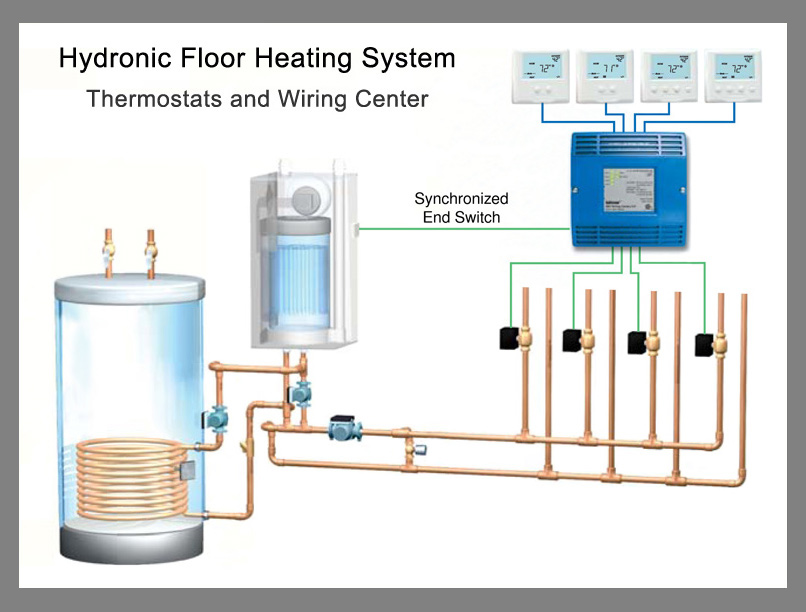
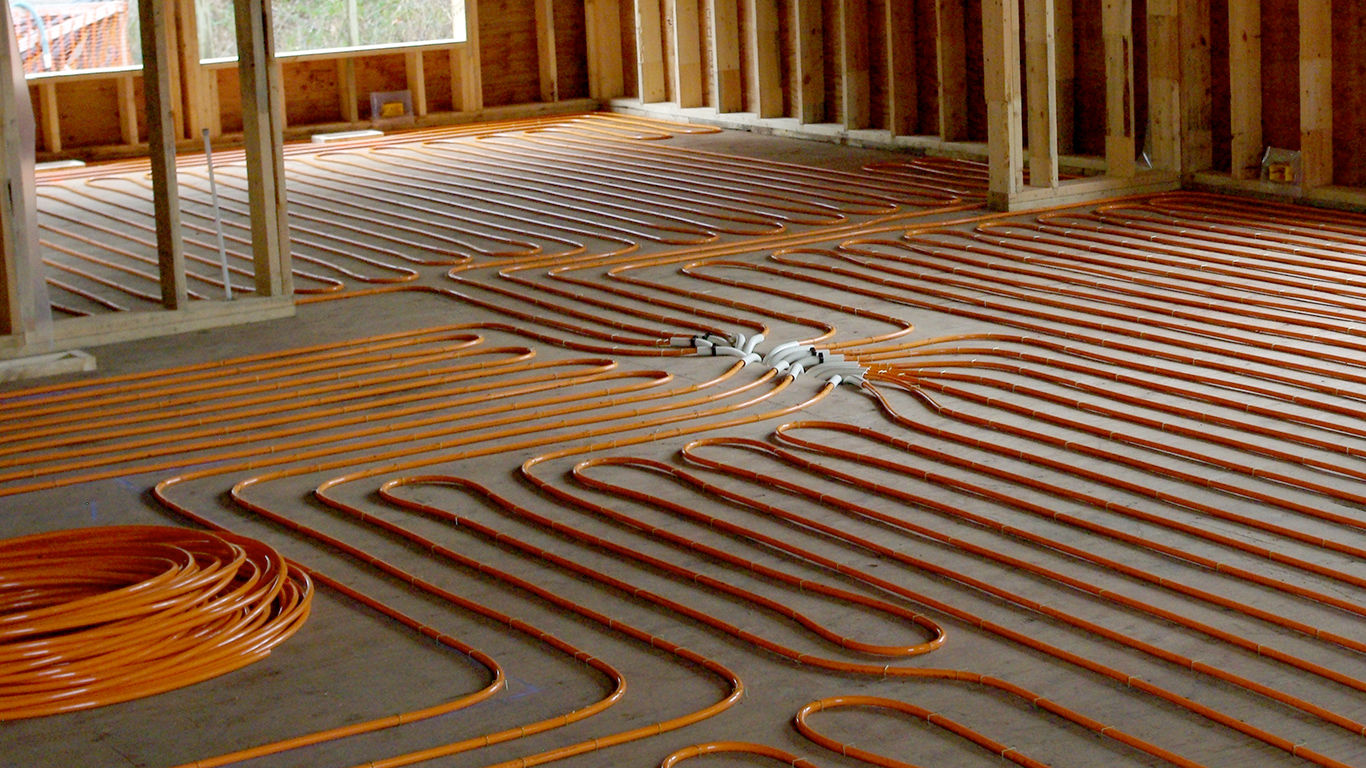
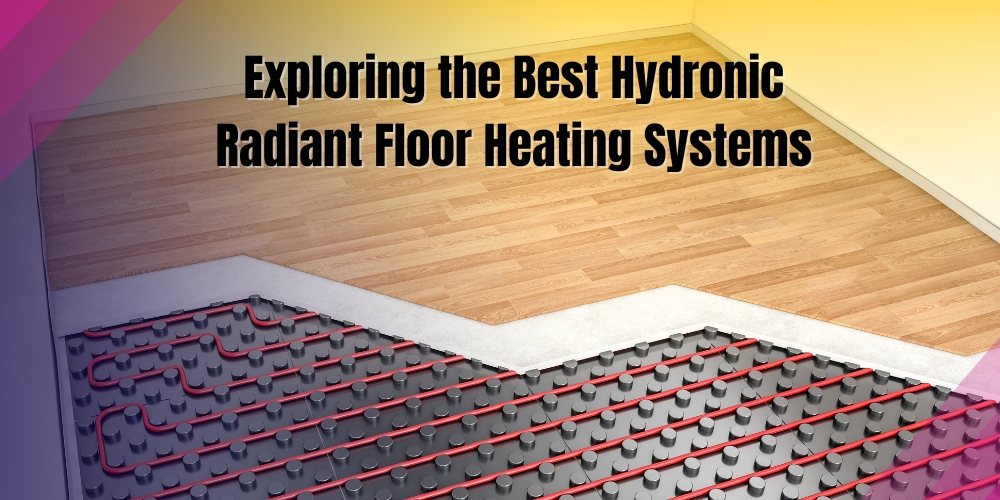
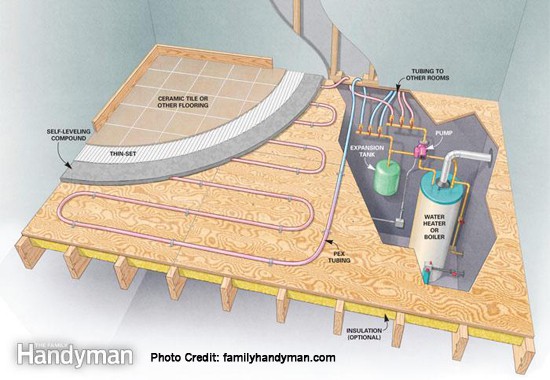
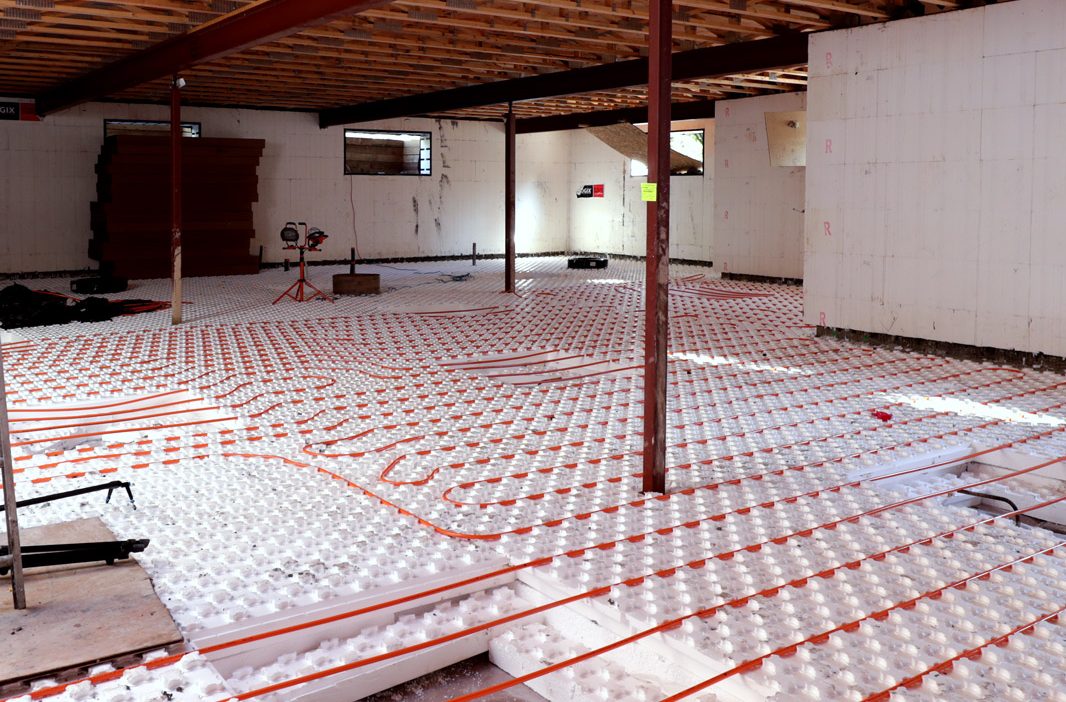
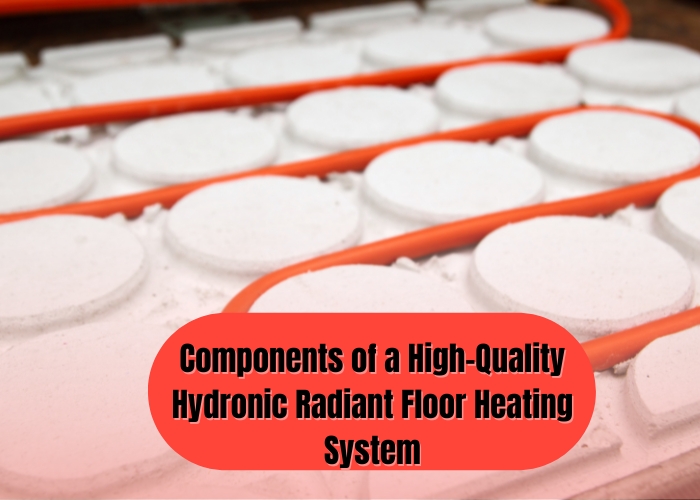
Hydronic radiant floor heating is a system that uses heated water to warm your floors. This warm water circulates through a network of tubes, usually made of PEX (cross-linked polyethylene) or copper, embedded within or beneath your floor. The floor then radiates heat upwards, warming the room from the ground up. This creates a more even and comfortable heat than traditional forced-air systems.
Think of it like sunshine warming the earth – gentle, consistent, and pervasive. The key is that it heats objects in the room, not just the air, leading to better comfort at lower air temperatures.
Question 2: What are the key advantages of hydronic radiant floor heating compared to other heating systems?
Hydronic radiant floor heating offers several advantages:
- Comfort: Even heat distribution eliminates cold spots and drafts. You'll experience consistent warmth from floor to ceiling.
- Energy Efficiency: Lower operating temperatures compared to forced air mean lower energy bills. You can often set your thermostat a few degrees lower and still feel just as warm.
- Quiet Operation: No noisy fans or blowers – hydronic systems operate silently.
- Improved Air Quality: Radiant heat doesn't stir up dust and allergens like forced-air systems, making it a healthier choice for people with allergies or asthma.
- Design Flexibility: The tubing can be installed under various flooring types and tailored to specific room layouts.
- Zoning Capabilities: Allows you to control the temperature in different zones or rooms independently, further optimizing energy use and comfort.
While the initial investment might be higher, the long-term benefits in terms of comfort, energy savings, and indoor air quality often make it a worthwhile investment.
Question 3: What are the different types of hydronic radiant floor heating systems?
Hydronic radiant floor heating systems can be categorized based on installation method and heat source:
Based on Installation Method:
- Slab-on-Grade: The tubing is embedded directly in the concrete slab during construction. This is the most common and efficient method for new construction.
- Thin-Slab or Concrete Topping: A thin layer of concrete or self-leveling compound is poured over the existing subfloor and tubing. This is suitable for retrofitting existing homes.
- Under-Floor (Suspended Floor): The tubing is attached to the underside of the subfloor between the joists. This requires careful insulation to direct the heat upwards and is less efficient than slab installations.
- Above-Floor Systems: Radiant panels or mats are installed directly on top of the existing floor, and then covered with a new flooring material. This is the easiest retrofit option but might raise the floor height.
Based on Heat Source:
- Boiler: Traditional boilers (gas, propane, oil) are commonly used to heat the water. High-efficiency condensing boilers are recommended for optimal performance.
- Heat Pump: Geothermal or air-source heat pumps can provide a more energy-efficient heating option, especially in milder climates.
- Solar Thermal: Solar collectors can be used to supplement the heating system, reducing reliance on fossil fuels.
- Electric Resistance: Though less common for hydronic systems due to lower efficiency compared to other heat sources, electric boilers or in-floor electric resistance cables can be used for smaller areas or as a supplemental heat source.
The best type for you depends on your budget, climate, and whether you're building a new home or retrofitting an existing one. Consulting with a qualified installer is crucial to determine the most appropriate system for your specific needs.
Question 4: What type of flooring is best for hydronic radiant floor heating?
While almost any flooring type can be used with hydronic radiant floor heating, some are more efficient than others. The key is to choose materials that conduct heat well:
- Tile and Stone: Excellent heat conductors. They heat up quickly and retain heat well, making them ideal for radiant floor heating. Ceramic, porcelain, slate, and marble are all good choices.
- Concrete: As mentioned, concrete is great when you embed your PEX tubing directly into the slab.
- Engineered Wood: A good option, but choose thinner planks with lower R-values (resistance to heat flow). Look for products specifically designed for radiant floor heating.
- Laminate: Similar to engineered wood, choose thinner laminates with low R-values. Again, ensure the product is approved for radiant floor heating.
- Vinyl: Luxury vinyl tile (LVT) and sheet vinyl are becoming increasingly popular due to their durability, water resistance, and relatively good heat conductivity.
- Carpet: Carpet is the least efficient option. It acts as an insulator, blocking the heat. If you choose carpet, opt for thin, low-pile carpets with a low R-value. Avoid carpets with thick padding.
The *R-value* of the flooring material is crucial. A lower R-value indicates better heat conductivity. Check the manufacturer's specifications to ensure the flooring is compatible with radiant floor heating systems.
Question 5: How much does hydronic radiant floor heating cost to install and operate?
The cost of installing a hydronic radiant floor heating system can vary widely depending on several factors:
- System Type: Slab-on-grade installations are generally more cost-effective than retrofit installations.
- Size of the Area: Larger areas will obviously cost more.
- Heat Source: The type of boiler or heat pump you choose will affect the overall cost. High-efficiency options often have a higher upfront cost but lower operating costs.
- Flooring Type: The cost of the flooring itself will also impact the overall project budget.
- Labor Costs: Labor rates vary depending on your location.
Installation costs can range from $8 to $25 per square foot, but this is a very broad estimate. Get multiple quotes from qualified installers to get a more accurate estimate for your specific project.
Operating costs depend on the efficiency of the system, the cost of energy (gas, electricity, etc.), and your climate. Radiant floor heating generally uses less energy than forced-air systems, leading to lower monthly bills. Proper insulation is crucial to minimize heat loss and further reduce operating costs. Consider a smart thermostat to optimize energy usage.
Question 6: How do I find a qualified installer for a hydronic radiant floor heating system?
Choosing the right installer is crucial for a successful project. Here are some tips for finding a qualified professional:
- Get Referrals: Ask friends, family, or neighbors for recommendations.
- Check Online Reviews: Look for reviews on websites like Google, Yelp, and Angie's List.
- Verify Licensing and Insurance: Ensure the contractor is properly licensed and insured in your state or region.
- Ask About Experience: Inquire about the installer's experience with hydronic radiant floor heating systems. How many installations have they completed?
- Get Multiple Quotes: Obtain quotes from at least three different contractors.
- Ask for References: Request a list of previous clients you can contact.
- Review the Contract Carefully: Make sure the contract includes a detailed scope of work, payment terms, and warranty information.
A reputable installer will be able to assess your specific needs, recommend the most appropriate system, and provide a detailed quote. Don't be afraid to ask questions and do your research before making a decision. They should be knowledgeable about local building codes and energy efficiency standards.
Question 7: What are some common problems with hydronic radiant floor heating, and how can I prevent them?
While hydronic radiant floor heating systems are generally reliable, some common problems can arise:
- Leaks: Leaks in the tubing can cause water damage. Preventing leaks starts with using high-quality tubing and proper installation techniques. Regular inspection of the system for signs of leaks is also important. Pressure testing the system after installation is critical.
- Air in the System: Air can become trapped in the tubing, reducing the system's efficiency. Automatic air vents can help to remove trapped air. Regular bleeding of the system may also be necessary.
- Corrosion: Corrosion can occur in systems that use dissimilar metals (e.g., copper and aluminum) or systems with untreated water. Using corrosion inhibitors and proper water treatment can help to prevent corrosion.
- Uneven Heating: Uneven heating can be caused by a variety of factors, including improper tubing layout, air in the system, or inadequate insulation. Proper design and installation are essential to ensure even heating.
- Thermostat Issues: Malfunctioning thermostats can cause the system to overheat or not heat properly. Regularly check and calibrate the thermostat. Consider upgrading to a smart thermostat for improved control and energy savings.
Preventative maintenance is key to avoiding problems. Schedule regular inspections and maintenance with a qualified technician. Addressing minor issues promptly can prevent them from escalating into more significant and costly repairs. Regularly check your system's pressure and temperature readings.