Best Insulation For Floor Joists In Crawl Space
Battling high energy bills? You’re not alone. A significant amount of heat loss in homes, especially those with crawl spaces, occurs through uninsulated or poorly insulated floors. Insulating your floor joists in a crawl space is a smart move for homeowners, businesses, and anyone looking to boost energy efficiency and comfort. This article dives into the best insulation options for crawl space floor joists, covering everything from materials and installation to potential savings and smart home integration.
Why Insulate Floor Joists in Your Crawl Space?
Before we delve into the "what," let's understand the "why." Uninsulated floor joists act as thermal bridges, allowing heat to escape in the winter and enter in the summer. This forces your HVAC system to work harder, leading to increased energy consumption and higher bills. Think of it like trying to keep your coffee hot in a paper cup versus a well-insulated thermos. The thermos (insulated floor) drastically reduces heat transfer.
Benefits of insulating floor joists include:
- Reduced Energy Bills: Lower heating and cooling costs are the most immediate and noticeable benefit. Studies from the Energy Star program demonstrate that proper insulation can save homeowners up to 15% on heating and cooling costs annually.
- Improved Comfort: Eliminate cold floors in the winter and maintain a more consistent temperature throughout your home.
- Moisture Control: Proper insulation can help prevent moisture buildup in the crawl space, reducing the risk of mold and mildew growth.
- Increased Property Value: Energy-efficient homes are more attractive to buyers.
- Quieter Home: Insulation acts as a sound barrier, reducing noise transmission from the crawl space.
Choosing the Right Insulation: Materials and R-Values
Selecting the right insulation material depends on several factors, including your budget, the climate you live in, and the specific conditions of your crawl space. Here's a breakdown of the most popular and effective options:
Fiberglass Batt Insulation
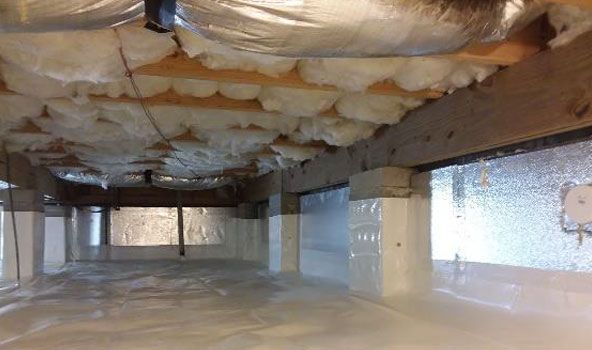
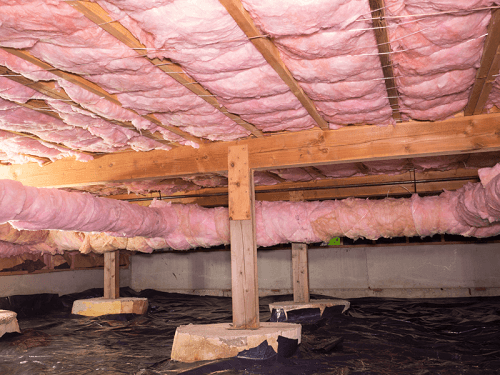
Fiberglass batt insulation is a common and relatively inexpensive option. It's made from spun glass fibers and comes in pre-cut batts or rolls. It's easy to install, making it a popular DIY choice. However, fiberglass can lose its effectiveness if it gets wet, making it less suitable for damp crawl spaces.
- Pros: Affordable, readily available, easy to install.
- Cons: Can lose R-value when wet, requires proper sealing to prevent air leaks, potential irritant during installation.
- R-Value: Typically ranges from R-3.1 to R-3.7 per inch.
Rockwool (Mineral Wool) Insulation
Rockwool insulation, also known as mineral wool, is made from recycled materials like basalt rock or slag. It's more expensive than fiberglass but offers several advantages, including fire resistance, soundproofing qualities, and moisture resistance.
- Pros: Fire resistant, sound dampening, moisture resistant, good for tight spaces.
- Cons: More expensive than fiberglass, can be itchy to install.
- R-Value: Typically ranges from R-3.0 to R-3.3 per inch.
Spray Foam Insulation
Spray foam insulation is a premium option that provides excellent insulation and air sealing. There are two main types: open-cell and closed-cell. Closed-cell spray foam offers a higher R-value and is more resistant to moisture, making it a good choice for crawl spaces. However, it's more expensive and requires professional installation.
- Pros: Excellent air sealing, high R-value, moisture resistant (especially closed-cell).
- Cons: Expensive, requires professional installation, can be messy.
- R-Value: Open-cell ranges from R-3.5 to R-3.7 per inch; closed-cell ranges from R-6 to R-7 per inch.
Rigid Foam Board Insulation
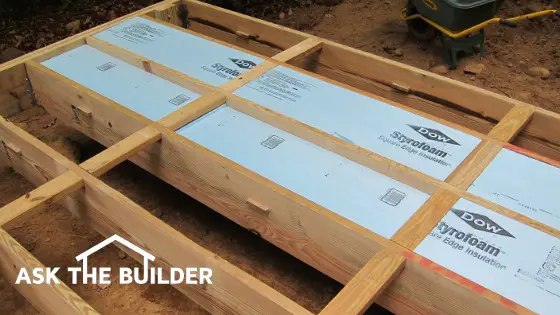
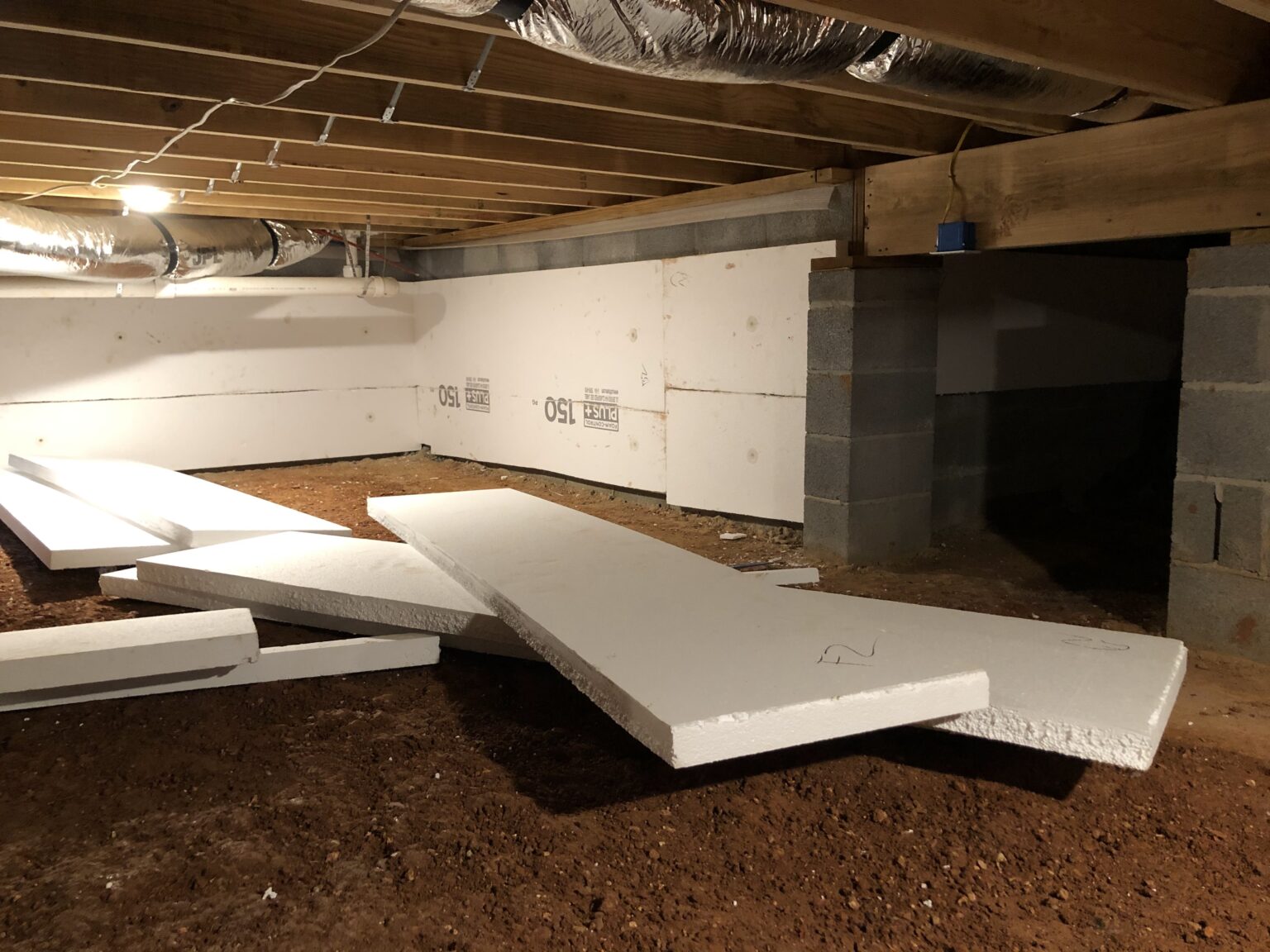
Rigid foam board insulation comes in sheets and can be cut to fit between floor joists. It's often made of expanded polystyrene (EPS), extruded polystyrene (XPS), or polyisocyanurate (polyiso). It provides good insulation and can also act as a moisture barrier. Sealing the seams between the boards is crucial to prevent air leaks.
- Pros: Good insulation value, moisture resistant, durable.
- Cons: Can be more difficult to install in tight spaces, requires careful sealing.
- R-Value: EPS ranges from R-3.6 to R-4.2 per inch; XPS ranges from R-5 to R-5.5 per inch; Polyiso ranges from R-6 to R-6.5 per inch.
Radiant Barrier
While not technically insulation, a radiant barrier can be helpful in hot climates. It reflects radiant heat away from your home, helping to keep it cooler in the summer. It's typically installed on the underside of the floor joists.
- Pros: Reduces radiant heat transfer, relatively inexpensive.
- Cons: Most effective in hot climates, doesn't provide insulation against conductive heat transfer.
R-Value Recommendations: What's Enough?
The required R-value for your floor joist insulation depends on your climate zone. The U.S. Department of Energy provides recommendations based on location. Generally, colder climates require higher R-values. For example, a home in Minnesota (Climate Zone 7) will need significantly more insulation than a home in Florida (Climate Zone 2).
Refer to the Department of Energy's Insulation Fact Sheet for specific recommendations for your area. Keep in mind that these are minimum recommendations; you can always increase your insulation for even greater energy savings.
Installation Tips for Crawl Space Insulation
Proper installation is crucial for maximizing the effectiveness of your insulation. Here are some general tips:
- Safety First: Wear protective gear, including gloves, a mask, and eye protection, especially when working with fiberglass or rockwool.
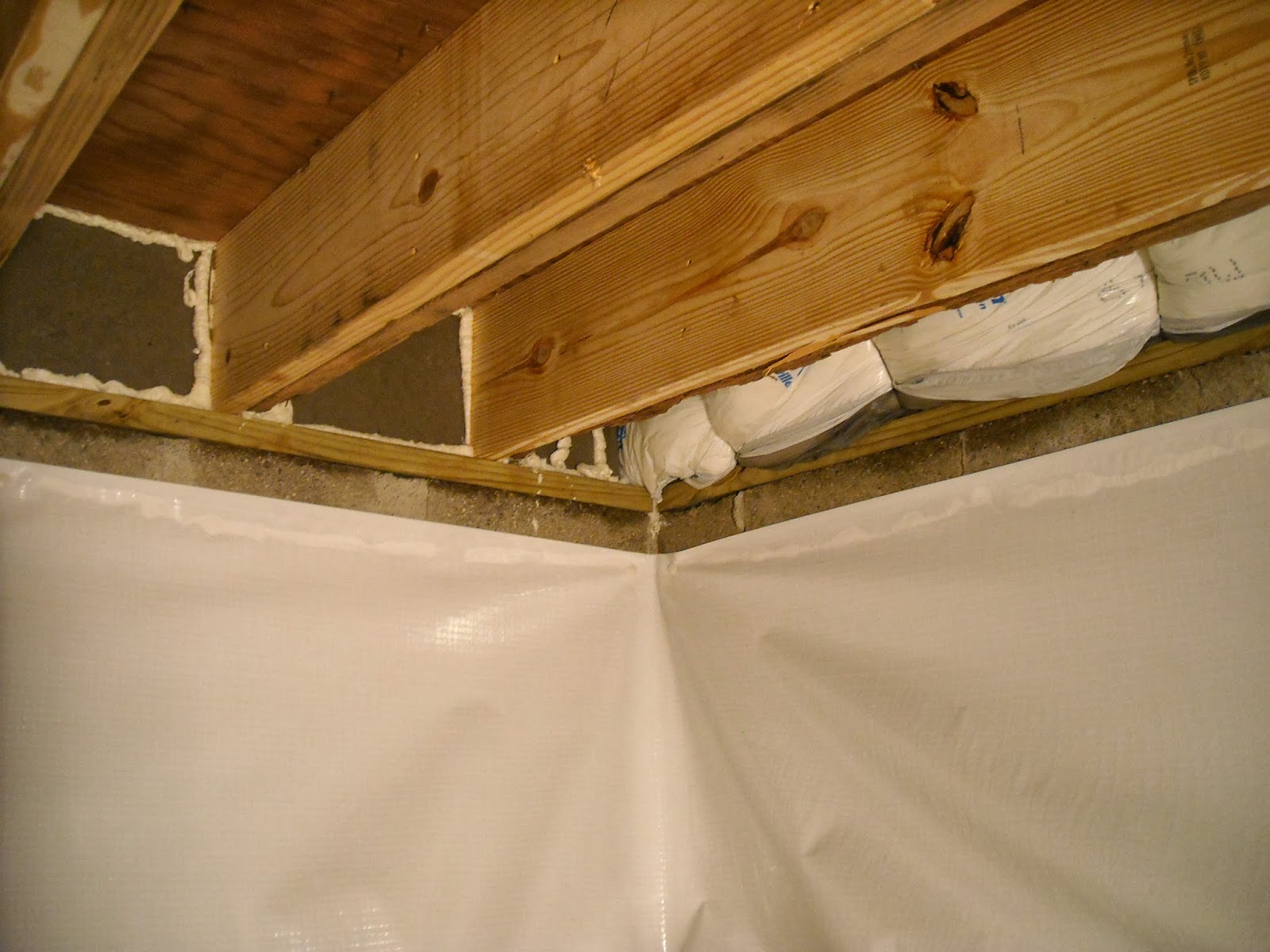
- Seal Air Leaks: Before installing insulation, seal any air leaks in the crawl space, such as gaps around pipes or wires. Use caulk or spray foam to seal these areas.
- Proper Fit: Ensure the insulation fits snugly between the floor joists, without any gaps or compressions. Compression reduces the R-value of the insulation.
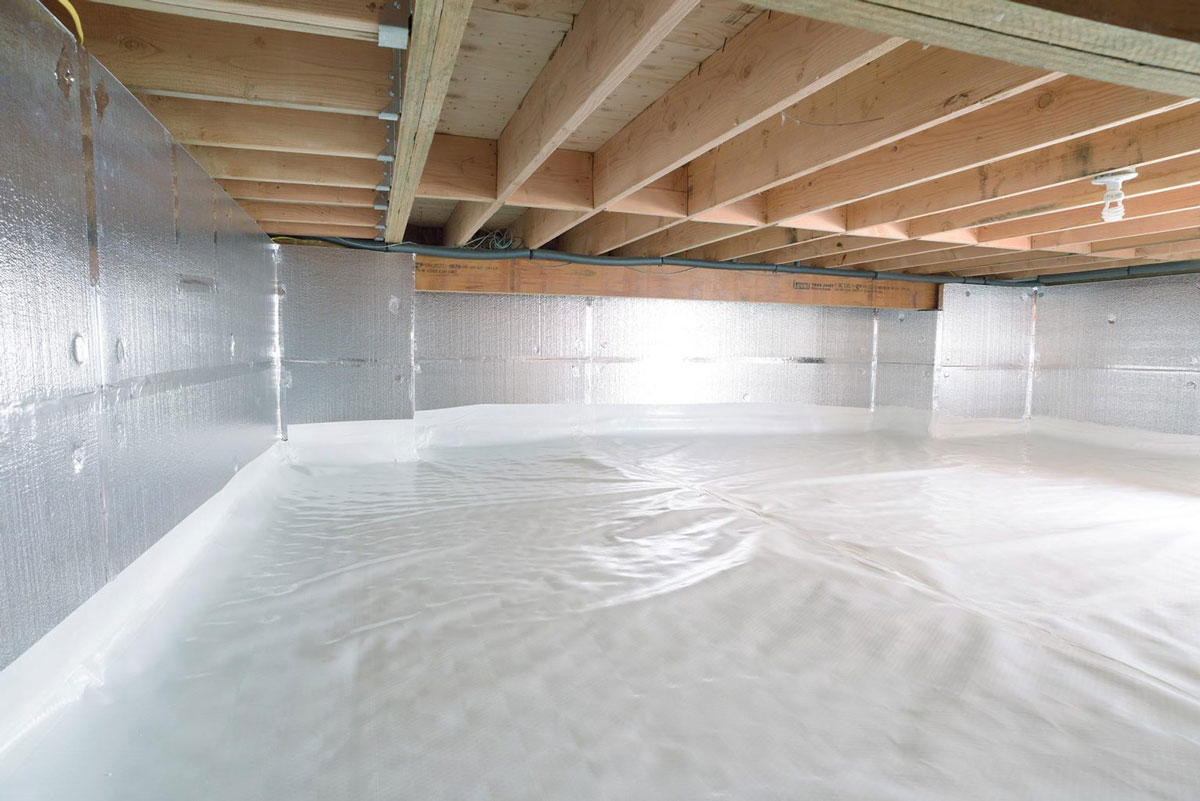
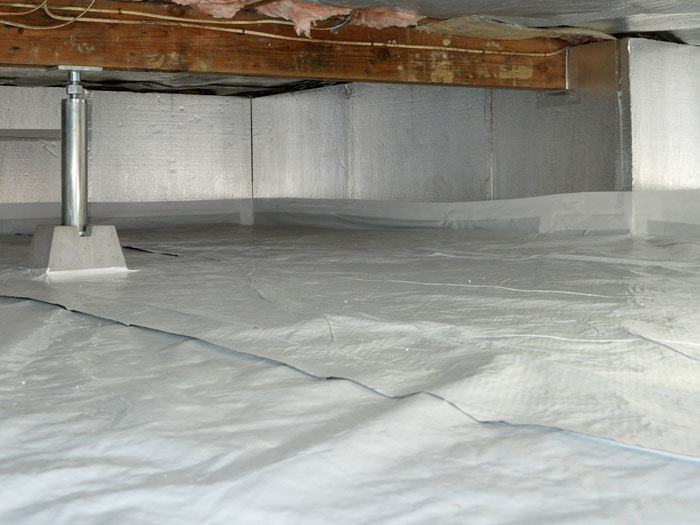
- Moisture Barrier: If your crawl space is damp, consider installing a vapor barrier to protect the insulation from moisture. A 6-mil polyethylene sheet is a common and affordable option.
- Support: Use wire mesh or insulation supports to hold the insulation in place between the floor joists.
- Professional Installation: For spray foam insulation or complex installations, consider hiring a professional contractor.
Smart Home Integration: Amplifying Energy Savings
Insulating your floor joists is a great start, but integrating smart home technology can take your energy savings to the next level. Here's how:
- Smart Thermostats: Smart thermostats learn your heating and cooling preferences and automatically adjust the temperature to optimize energy use. They can also be controlled remotely via a smartphone app.
- Smart Sensors: Install temperature and humidity sensors in your crawl space to monitor conditions and detect potential problems. This information can be used to adjust your HVAC system or identify areas that need further attention.
- Automated Ventilation: Use smart ventilation systems to automatically regulate airflow in the crawl space, preventing moisture buildup and improving air quality.
- Energy Monitoring Systems: Track your energy consumption in real-time to identify areas where you can save even more energy. Some systems can even provide alerts when your energy usage is unusually high.
By combining effective insulation with smart home technology, you can create a truly energy-efficient and comfortable home. Imagine a scenario where your smart thermostat anticipates a cold night, prompting your HVAC system to subtly pre-heat the house while simultaneously activating a crawl space ventilation system to prevent condensation. All this happens seamlessly, maximizing energy savings and ensuring a healthy indoor environment.
ROI, Rebates, and Incentives
Investing in crawl space insulation is not just about saving money; it's about making a smart financial decision. The return on investment (ROI) for insulation projects can be significant, especially when combined with rebates and incentives. Many utility companies and government agencies offer rebates for energy-efficient upgrades, including insulation. Check with your local utility company and the Database of State Incentives for Renewables & Efficiency (DSIRE) to see what incentives are available in your area.
For example, let's say you spend $2,000 on insulating your crawl space and receive a $500 rebate. If you save 15% on your annual energy bills, which average $2,000, you'll save $300 per year. In this scenario, your payback period would be approximately 5 years ((2000-500)/300), making it a worthwhile investment.
Conclusion
Insulating the floor joists in your crawl space is a cost-effective way to improve energy efficiency, enhance comfort, and protect your home from moisture damage. By carefully selecting the right insulation material, following proper installation techniques, and leveraging smart home technology, you can maximize your energy savings and create a healthier, more comfortable living environment. Don't underestimate the power of a well-insulated crawl space – it's a hidden gem for boosting your home's energy performance and lowering those dreaded energy bills.