Best Insulation For Water Pipes Outside

Protecting Your Pipes: A Comprehensive Guide to Outdoor Water Pipe Insulation
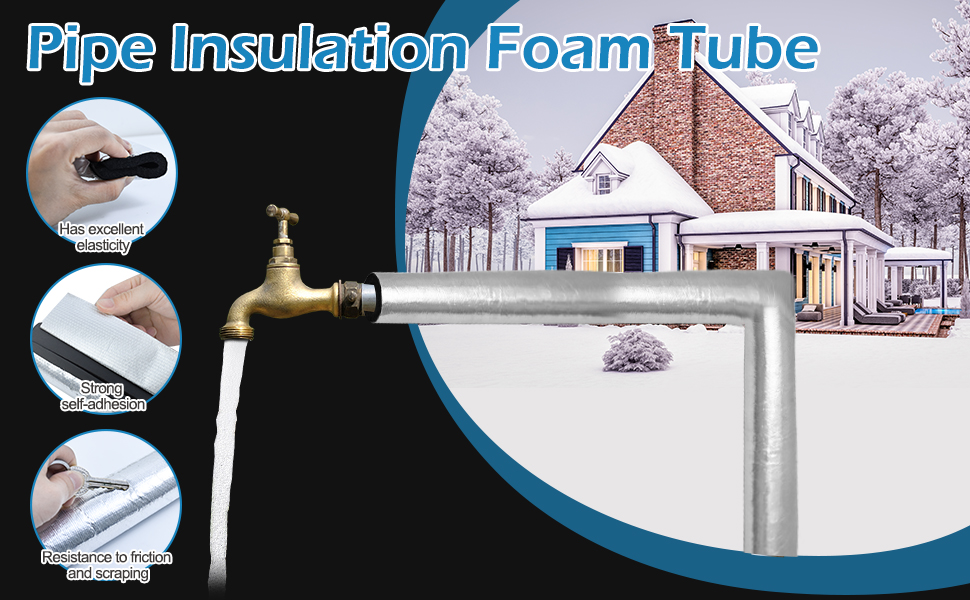
Leaving water pipes exposed to the elements, especially during colder months, can lead to frozen pipes, bursts, and costly repairs. Choosing the right insulation for your outdoor water pipes is a crucial preventative measure. This guide will explore the best insulation options available, helping you make an informed decision to safeguard your plumbing system.
Why Insulate Outdoor Water Pipes?
Before diving into insulation types, let's reiterate the importance of insulating exposed water pipes:
- Prevent Freezing: Water expands when it freezes, which can cause pipes to crack or burst.
- Reduce Energy Costs: Insulation helps maintain water temperature, reducing the energy required to heat water.
- Protect Against Condensation: Insulation can prevent condensation, which can lead to corrosion and mold growth.
- Extend Pipe Lifespan: By protecting pipes from extreme temperatures and condensation, insulation can extend their lifespan.
Top Insulation Options for Outdoor Water Pipes
Here’s a breakdown of the most effective insulation materials for outdoor water pipes, considering their pros, cons, and typical applications.
1. Foam Pipe Insulation (Polyethylene & Elastomeric)
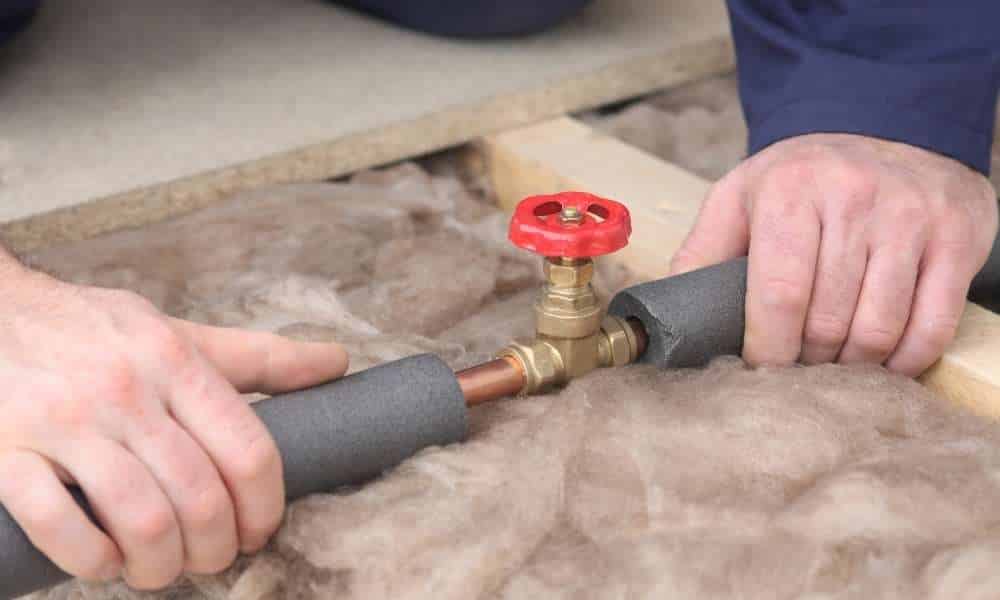
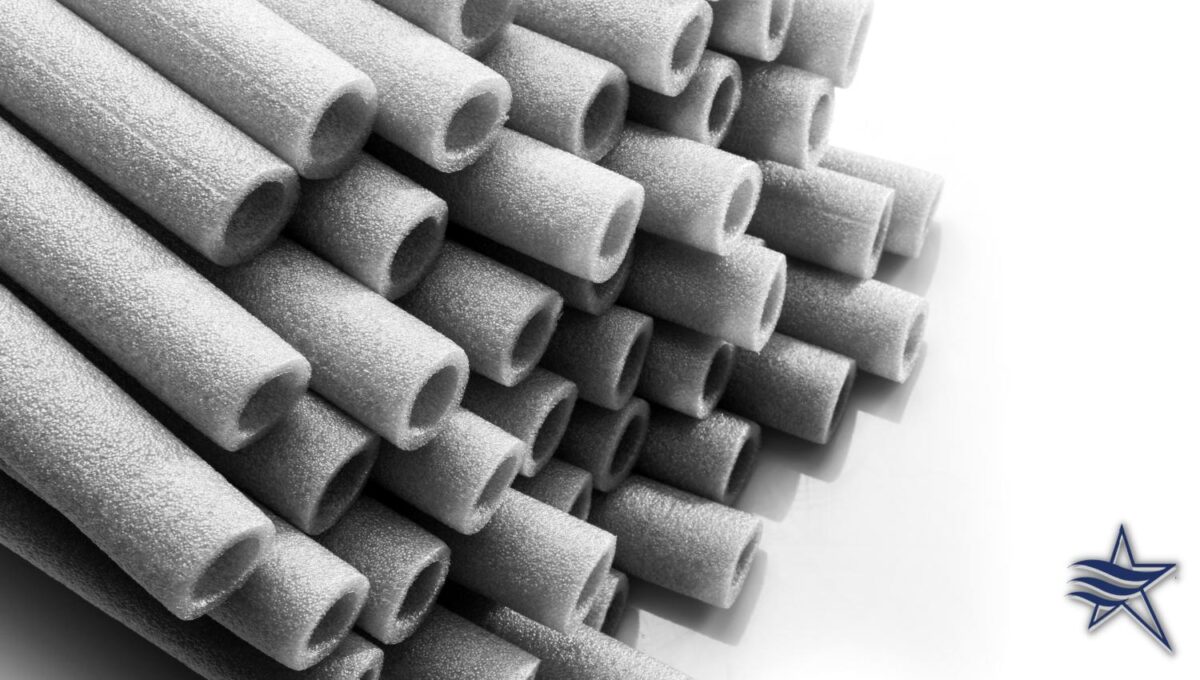
Foam pipe insulation is a popular and cost-effective choice, available in two main types: polyethylene and elastomeric.
Polyethylene Foam
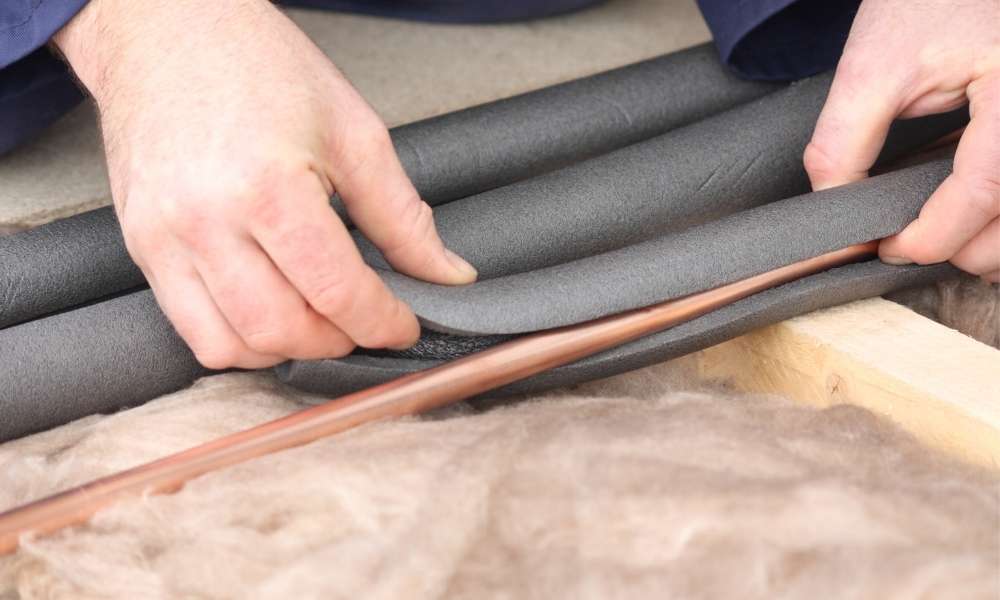
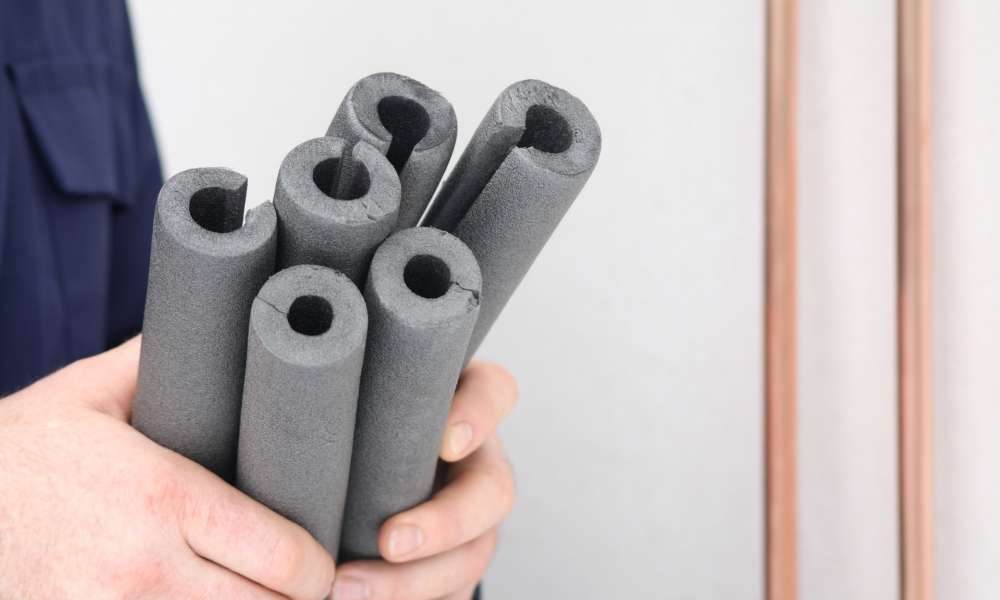
Description: Closed-cell foam offering good insulation value at a reasonable price. It’s typically sold in pre-slit tubes for easy installation.
Pros:
- Affordable
- Easy to install (pre-slit)
- Good insulation value (R-value typically between 3 and 4)
- Resistant to moisture
Cons:
- Less flexible than elastomeric options
- Can degrade with prolonged UV exposure (requires protective covering)
- Less resistant to extreme temperatures than other options
Applications: General-purpose outdoor pipe insulation, suitable for moderate climates. Ideal for DIY projects due to its ease of installation.
Elastomeric Foam (e.g., Armaflex)
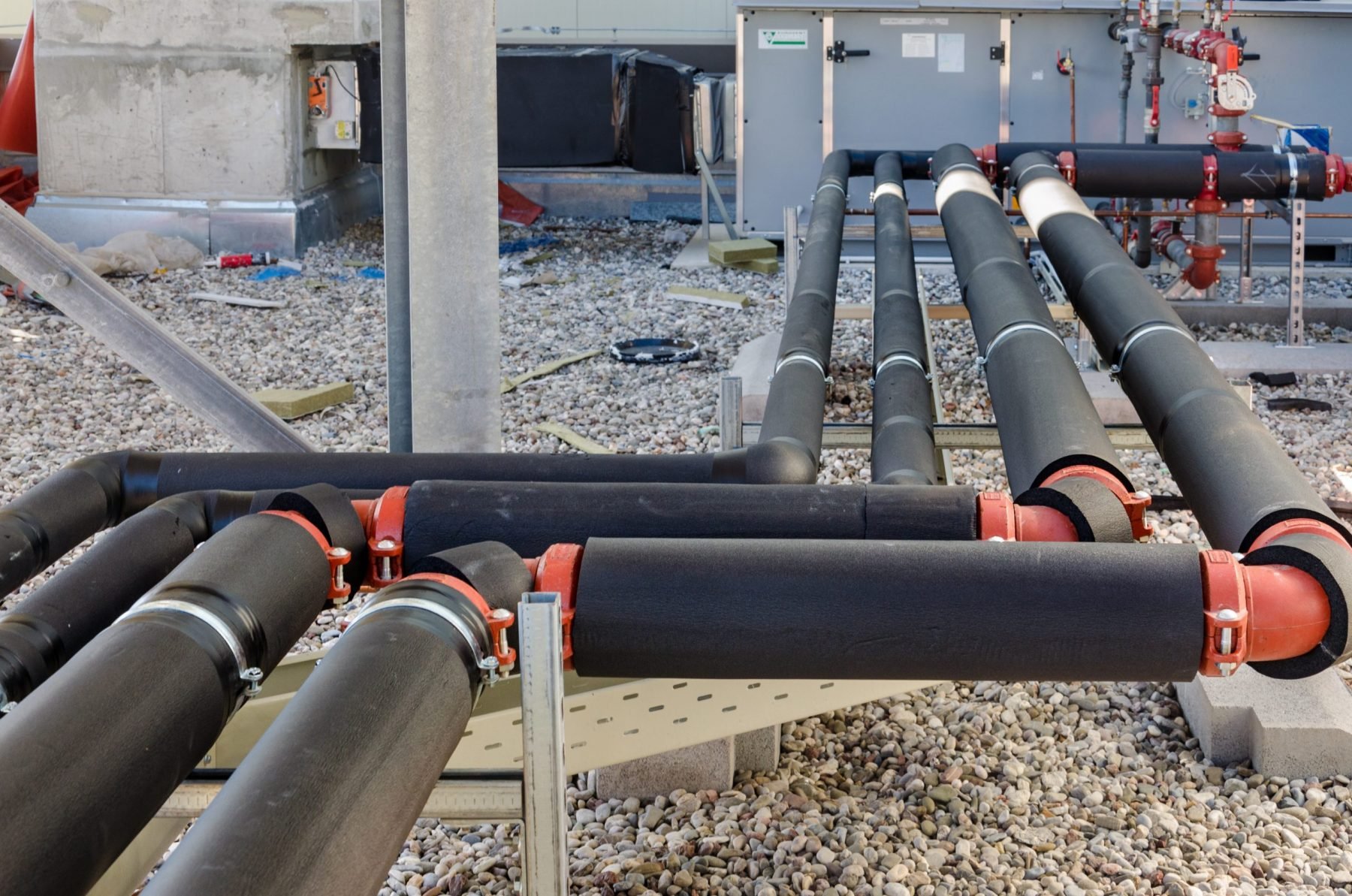
Description: Flexible, closed-cell synthetic rubber insulation that offers excellent thermal performance and moisture resistance.
Pros:
- Excellent insulation value (R-value typically between 4 and 5)
- Highly flexible, making it suitable for tight spaces and complex pipe configurations
- Superior moisture resistance
- Good resistance to UV degradation (but still benefits from a protective covering)
Cons:
- More expensive than polyethylene foam
- May require adhesive for secure installation, especially on larger diameter pipes
Applications: Ideal for areas with high humidity, extreme temperature variations, or where pipes are difficult to access. Common brand is Armacell's Armaflex.
Pricing: Polyethylene foam ranges from $1 to $3 per linear foot, while elastomeric foam ranges from $3 to $6 per linear foot.
2. Fiberglass Pipe Wrap
Description: Fiberglass insulation wrapped around the pipe and secured with tape or bands. Often comes with a foil facing for added protection.
Pros:
- Good insulation value (R-value varies depending on thickness)
- Relatively inexpensive
- Suitable for high-temperature applications
Cons:
- Can be irritating to the skin and respiratory system during installation (requires gloves, mask, and eye protection)
- Absorbs moisture, reducing its insulation value (requires a vapor barrier)
- More labor-intensive to install compared to pre-slit foam
Applications: Suitable for pipes with high operating temperatures, such as those carrying hot water from a boiler or heat pump. Best for professionals due to installation challenges.
Pricing: Typically ranges from $0.50 to $2 per linear foot, depending on thickness and facing material.
3. Heat Tape (Electric Heating Cables)
Description: Electric cables that wrap around the pipe and generate heat to prevent freezing. Some models are self-regulating, adjusting their heat output based on the pipe temperature.
Pros:
- Provides active freeze protection
- Self-regulating models automatically adjust to temperature changes
- Can be used in conjunction with other insulation types for enhanced protection
Cons:
- Requires electricity to operate, increasing energy costs
- Can be a fire hazard if installed incorrectly or if the cable is damaged
- More expensive upfront cost than other insulation options
Applications: Best for areas with extremely cold temperatures or where pipes are prone to freezing despite insulation. Commonly used on pipes exposed to wind or those located in unheated crawl spaces.
Pricing: Ranges from $1 to $5 per linear foot, plus the cost of electricity.
4. Pipe Sleeves with Built-in Heating
Description: Pre-formed pipe sleeves that encase the pipe and provide both insulation and electric heating. Similar to heat tape but offers a more integrated and aesthetically pleasing solution.
Pros:
- Convenient all-in-one solution
- Provides both insulation and active freeze protection
- Easy to install
Cons:
- More expensive than heat tape or foam insulation
- Requires electricity to operate
- Limited availability in different sizes and configurations
Applications: Suitable for short, exposed pipe runs where aesthetics are a concern. Ideal for protecting pipes leading to outdoor faucets or hose bibs.
Pricing: Ranges from $10 to $30 per sleeve, depending on length and diameter.
5. Spray Foam Insulation
Description: Applied as a liquid and expands to fill gaps and crevices, creating a seamless insulation barrier. Can be either closed-cell or open-cell.
Pros:
- Excellent insulation value (R-value of around 6-7 per inch for closed-cell)
- Forms a tight seal, preventing air and moisture infiltration
- Can be used to insulate irregular shapes and hard-to-reach areas
Cons:
- More expensive than other insulation options
- Requires professional installation
- Open-cell foam can absorb moisture, making closed-cell the better choice for outdoor applications
Applications: Best for complex piping systems or where a high level of insulation is required. Primarily used in professional settings due to the need for specialized equipment and expertise.
Pricing: Varies depending on the project size and complexity, but typically ranges from $1 to $3 per board foot.
Choosing the Right Insulation: Key Considerations
Selecting the best insulation for your outdoor water pipes depends on several factors:
- Climate: Colder climates require higher R-values and potentially active freeze protection (heat tape).
- Pipe Location: Exposed pipes are more vulnerable to freezing and require better insulation than those in sheltered locations.
- Pipe Material: Some insulation materials are better suited for certain pipe materials (e.g., copper, PVC, PEX).
- Budget: Insulation costs vary widely, so consider your budget and the long-term benefits of each option.
- Ease of Installation: DIYers may prefer easy-to-install options like foam pipe insulation, while complex projects may require professional installation.
Installation Tips for Outdoor Water Pipe Insulation
Proper installation is crucial for ensuring the effectiveness of your insulation. Here are some general tips:
- Clean the pipes: Remove any dirt, rust, or debris before installing insulation.
- Measure accurately: Measure the pipe diameter and length to ensure you purchase the correct size and amount of insulation.
- Seal seams and joints: Use tape or adhesive to seal any seams or joints in the insulation to prevent air and moisture infiltration.
- Protect from UV exposure: Cover exposed insulation with a UV-resistant tape or wrap to prevent degradation.
- Follow manufacturer's instructions: Always follow the manufacturer's instructions for installation and safety precautions.
Maintenance and Longevity
While insulation offers long-term protection, occasional inspection and maintenance are necessary. Regularly check for:
- Damage: Look for tears, cracks, or signs of rodent damage.
- Moisture: Ensure the insulation remains dry. Replace any wet or damaged sections.
- Secure Fit: Confirm that the insulation is securely attached to the pipe.
Conclusion: Protecting Your Investment
Choosing the right insulation for your outdoor water pipes is a vital step in protecting your property from costly damage. By carefully considering the available options, climate conditions, and installation requirements, you can ensure that your plumbing system remains safe and efficient for years to come. Remember to consult with a qualified plumbing professional if you have any questions or concerns about selecting and installing the appropriate insulation for your specific needs.