Best Insulation R Value For Exterior Walls
Decoding R-Value: Finding the Sweet Spot for Exterior Wall Insulation
Tired of watching your hard-earned money vanish into thin air – literally? Your exterior walls could be the culprit. Poor insulation leads to significant energy loss, driving up heating and cooling bills. The solution? Understanding R-value and choosing the right insulation for your climate and home.
But what exactly is R-value? Simply put, it's a measurement of thermal resistance – how well a material resists the flow of heat. The higher the R-value, the better the insulation, and the less energy you'll waste. This translates directly into lower energy bills and a more comfortable home, year-round.
Understanding R-Value Recommendations and Climate Zones
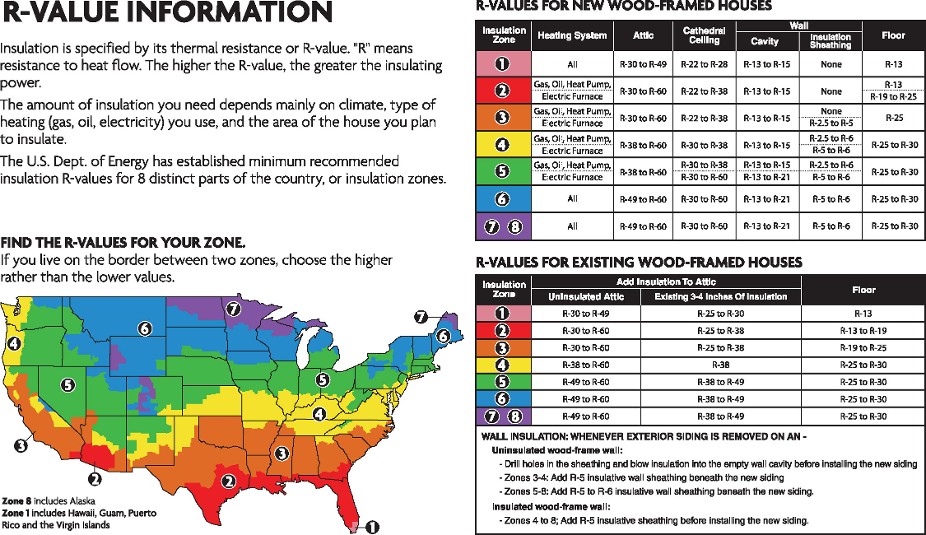
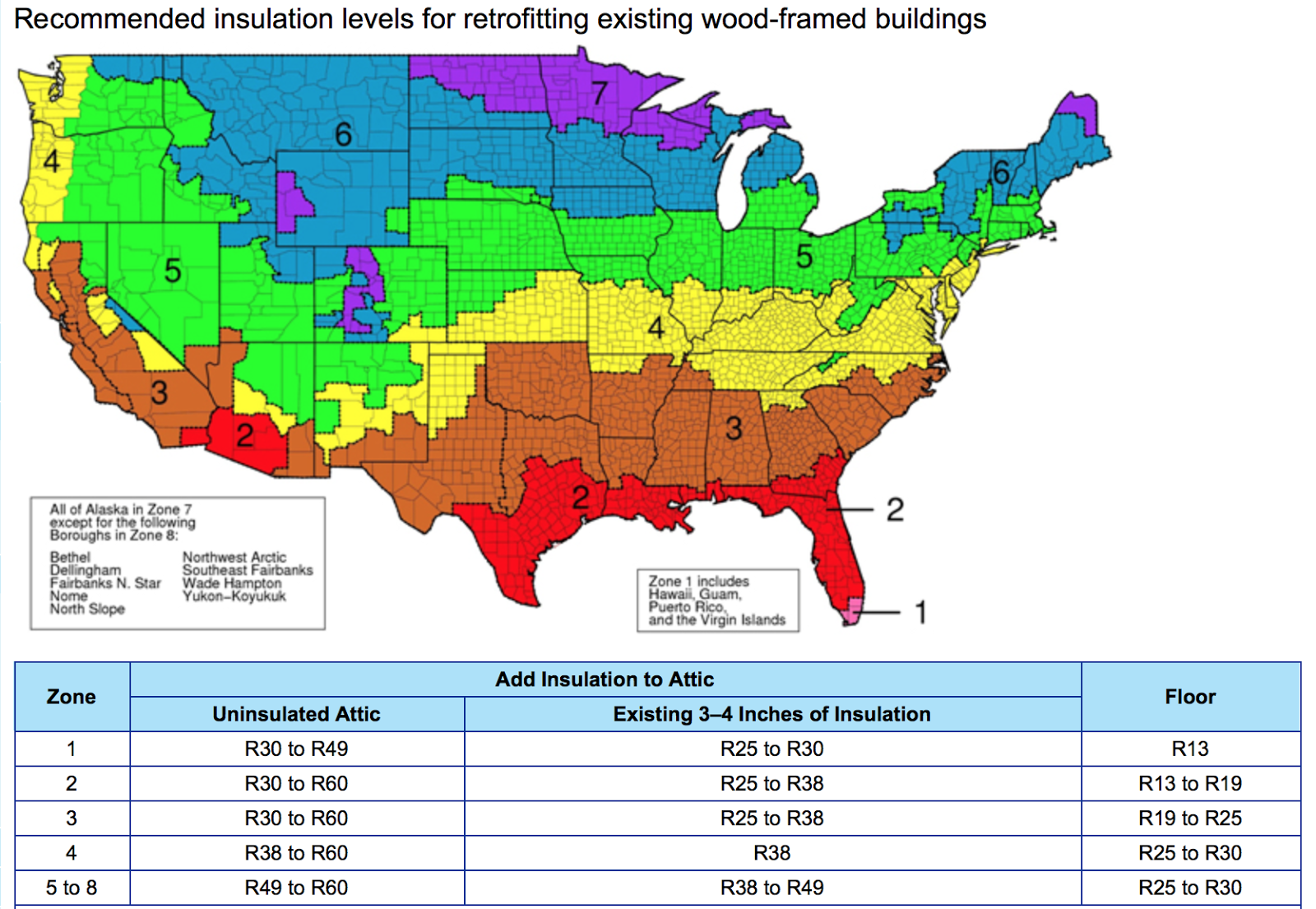
The Energy Star program and the Department of Energy (DOE) provide valuable guidelines on recommended R-values for different climate zones. These recommendations aren’t one-size-fits-all; they vary depending on your location, the type of heating and cooling systems you use, and the construction of your home.
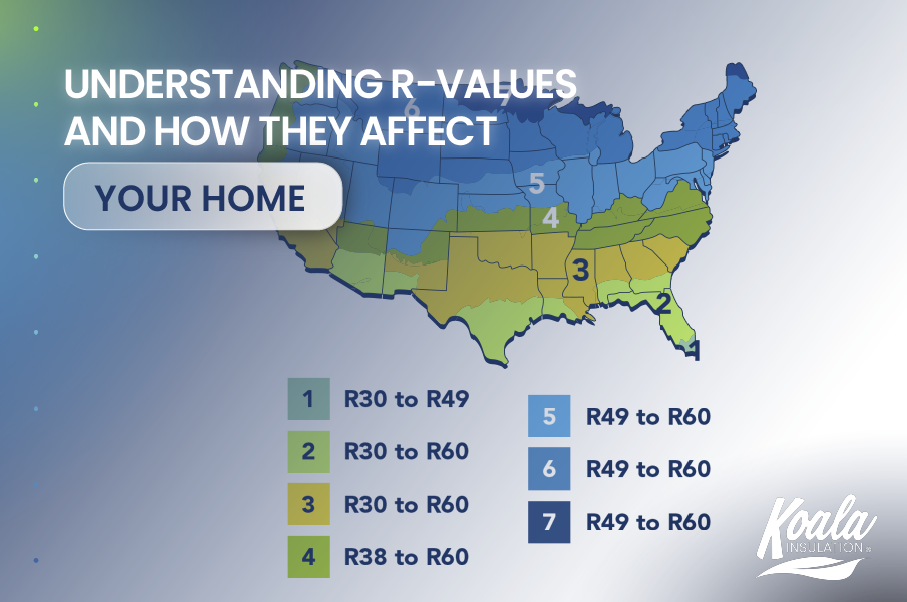
The U.S. is divided into climate zones 1 through 8, with zone 1 being the warmest (South Florida) and zone 8 the coldest (Alaska). You can easily find your climate zone using online resources like the DOE’s ZIP Code Insulation Calculator. Once you know your zone, you can consult the Energy Star recommendations to determine the optimal R-value for your exterior walls.
Generally, warmer climates (zones 1-3) require lower R-values, typically ranging from R-13 to R-20 for wall insulation. Colder climates (zones 6-8) demand significantly higher R-values, often exceeding R-30. Moderate climates (zones 4-5) fall somewhere in between.
Common Insulation Types and Their R-Values
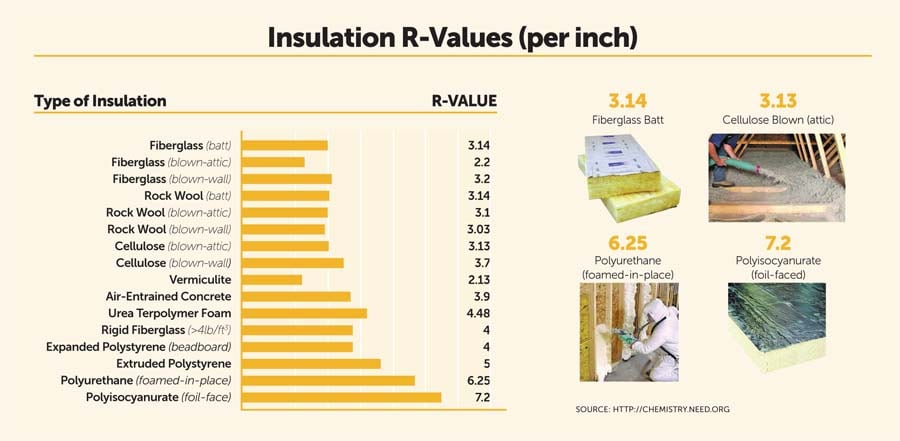
Several insulation materials are available, each with its own R-value per inch. Here's a look at some of the most common options:
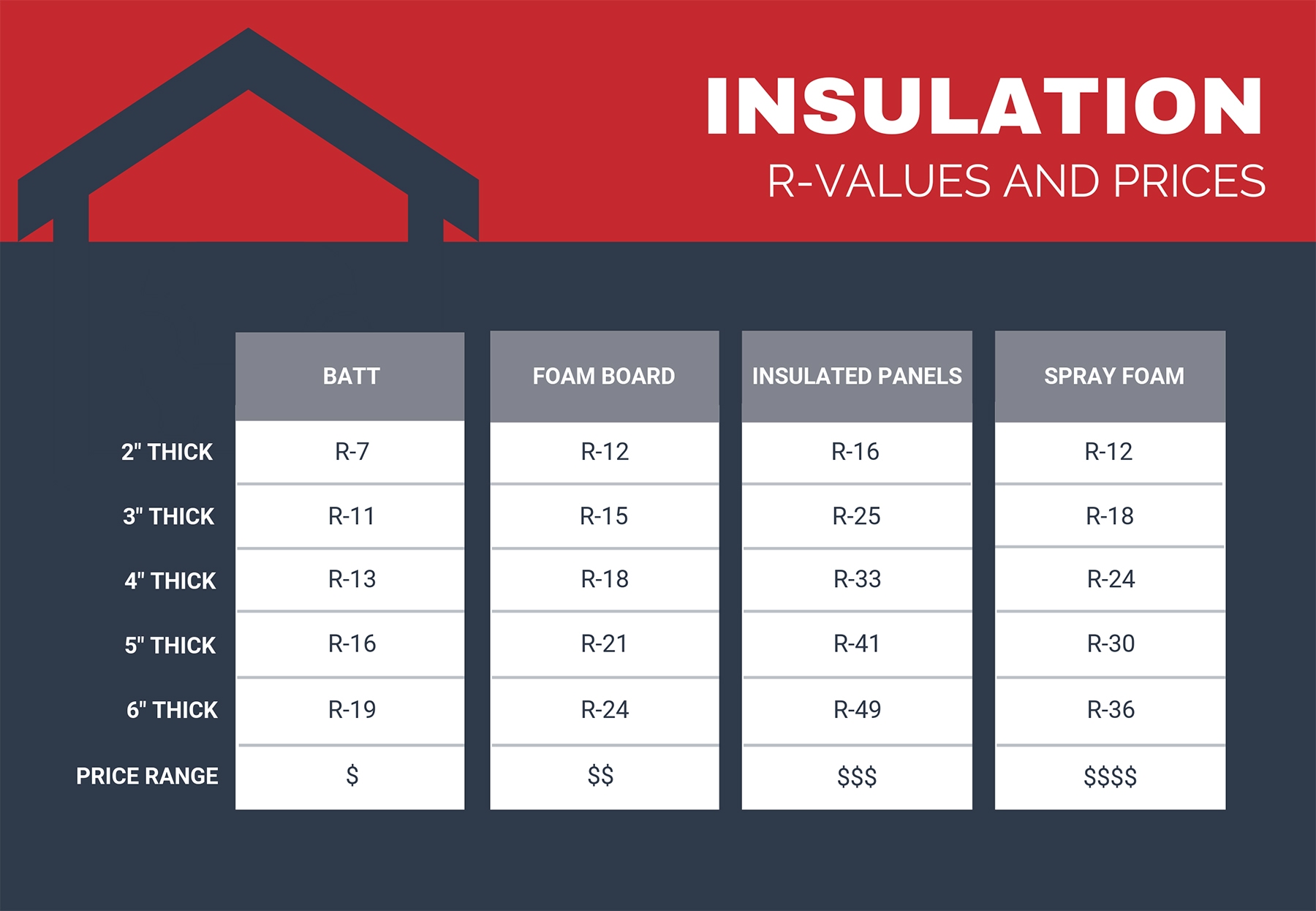
- Fiberglass Batts: The most widely used type, fiberglass batts are affordable and easy to install. Their R-value typically ranges from R-3.0 to R-4.0 per inch.
- Cellulose: Made from recycled paper, cellulose is an environmentally friendly option. It offers an R-value of around R-3.5 to R-3.7 per inch. Blown-in cellulose can effectively fill wall cavities, reducing air leakage.
- Spray Foam: Spray foam provides excellent insulation and air sealing. There are two main types: open-cell and closed-cell. Open-cell foam has an R-value of about R-3.6 per inch, while closed-cell foam boasts a higher R-value of around R-6.5 per inch. Closed-cell foam also acts as a vapor barrier.
- Rigid Foam Boards: These boards are typically made of polystyrene (EPS or XPS) or polyisocyanurate (polyiso). EPS has an R-value of around R-4 per inch, XPS around R-5 per inch, and polyiso can reach R-6.5 to R-7 per inch. They're often used for exterior sheathing or basement walls.
- Mineral Wool: Made from recycled glass or rock, mineral wool offers good fire resistance and sound insulation. Its R-value is generally between R-3.0 and R-3.7 per inch.
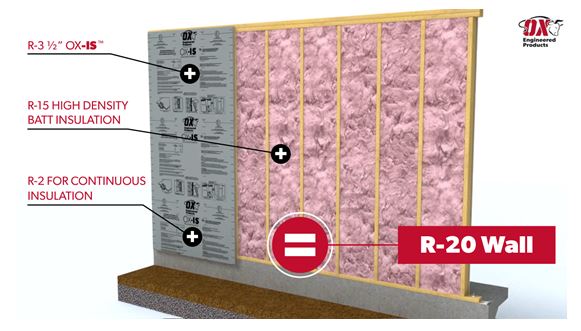
To achieve the recommended R-value for your climate zone, you may need to combine different types of insulation or use thicker layers of a single material. For example, if your walls already have R-13 fiberglass batts and you need to reach R-30, you could add a layer of rigid foam board to the exterior.
Calculating Your ROI: The Energy Savings Equation
Investing in proper insulation is a smart financial decision that pays off in the long run. To estimate your return on investment (ROI), consider the following factors:
- Climate Zone: The colder your climate, the greater the potential energy savings.
- Current Insulation Levels: If your walls are currently uninsulated or poorly insulated, you'll see a more significant impact.
- Energy Prices: Higher energy prices mean faster payback periods.
- Insulation Costs: Consider the cost of materials, labor, and any necessary permits.
Several online calculators can help you estimate your potential energy savings. Input your location, current insulation levels, and heating/cooling costs to get a personalized estimate.
For example, a homeowner in Chicago (climate zone 5) upgrading from R-13 to R-30 wall insulation could save hundreds of dollars per year on energy bills. Over time, these savings can easily offset the initial investment in insulation.
Smart Home Integration: Maximizing Energy Efficiency
Integrating your insulation upgrades with a smart HVAC system can further enhance energy efficiency. Smart thermostats, sensors, and zoning systems allow you to precisely control the temperature in different areas of your home, minimizing energy waste.
For instance, a smart thermostat can learn your schedule and automatically adjust the temperature when you're away from home. Zoning systems allow you to heat or cool only the rooms you're using, while sensors can detect occupancy and adjust the temperature accordingly.
Coupled with well-insulated walls, a smart HVAC system can create a highly energy-efficient home, reducing your carbon footprint and saving you money.
Professional Installation vs. DIY: Know Your Limits
While some insulation projects can be tackled as DIY projects, others require professional expertise. Installing fiberglass batts in a simple wall cavity might be manageable for a handy homeowner. However, more complex projects, such as installing spray foam or rigid foam board, are best left to the professionals.
Professional installers have the experience and equipment to ensure proper installation, minimizing air leaks and maximizing insulation performance. They can also help you choose the right materials and R-values for your specific needs. In addition, improper installation can lead to moisture problems, mold growth, and other issues that can negate any potential energy savings.
Finding Rebates and Incentives
Many utility companies and government agencies offer rebates and incentives for energy-efficient upgrades, including insulation. Check with your local utility company, state energy office, and the Database of State Incentives for Renewables & Efficiency (DSIRE) to see what incentives are available in your area.
These rebates can significantly reduce the upfront cost of insulation, making it even more affordable to improve your home's energy efficiency. Taking advantage of these incentives can accelerate your ROI and make your insulation project even more worthwhile.
Addressing Common Concerns
Moisture: Proper insulation installation is crucial for preventing moisture problems. Ensure that vapor barriers are installed correctly to prevent moisture from entering the wall cavity. Proper ventilation is also important for maintaining a healthy indoor environment.
Air Sealing: Insulation alone won't solve your energy efficiency woes. Air sealing is equally important. Seal any cracks, gaps, and penetrations in your walls, windows, and doors to prevent air leakage. This will maximize the effectiveness of your insulation and further reduce your energy bills.
Health: Choose insulation materials that are safe and non-toxic. Look for products that are certified by reputable organizations, such as the Greenguard Environmental Institute. If you have concerns about allergies or sensitivities, opt for hypoallergenic materials like mineral wool or cellulose.
Conclusion: Investing in a Comfortable and Energy-Efficient Future
Choosing the best R-value for your exterior walls is a crucial step towards creating a comfortable, energy-efficient home. By understanding R-values, considering your climate zone, and selecting the right insulation materials, you can significantly reduce your energy bills and improve your home's overall performance.
Remember to factor in the costs and benefits of different insulation options, explore available rebates and incentives, and consider integrating your insulation upgrades with a smart HVAC system. Whether you choose to DIY or hire a professional, investing in proper insulation is an investment in your home's future – and your wallet.
By taking a proactive approach to insulation, you can create a more sustainable and comfortable living environment, while saving money on energy costs for years to come.
:max_bytes(150000):strip_icc()/size-insulation-for-2x4-and-2x6-walls-1821598-V2-55b64bcbe4c242428cc1670d93413fb9.png)