Best Merv Rating For Air Flow

Understanding the MERV rating of your air filter is crucial for maintaining optimal HVAC system performance and indoor air quality. This article delves into the relationship between MERV ratings and airflow, offering guidance for homeowners, HVAC technicians, and facility managers on selecting the most appropriate filter for their specific needs.
What is a MERV Rating?
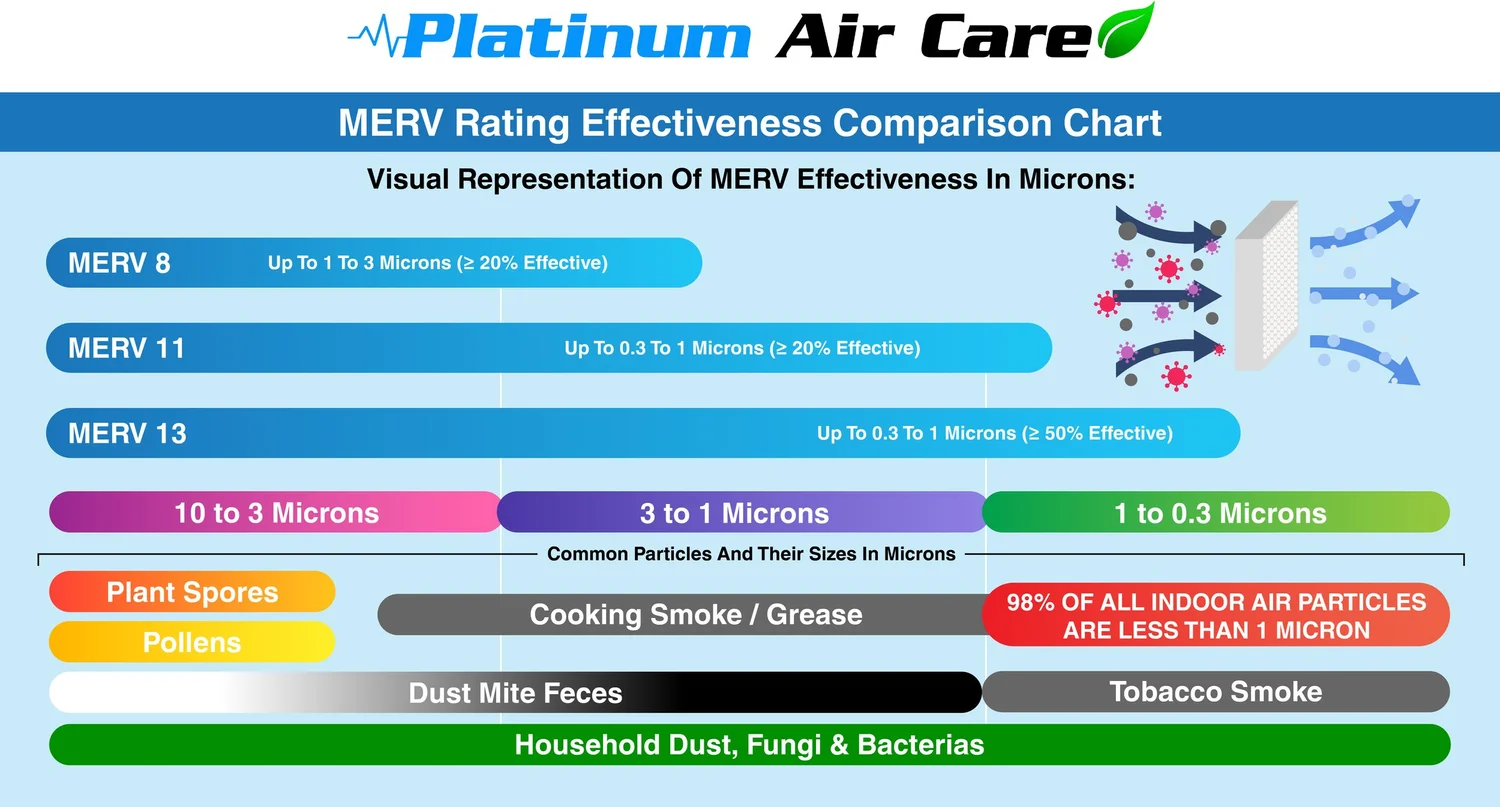
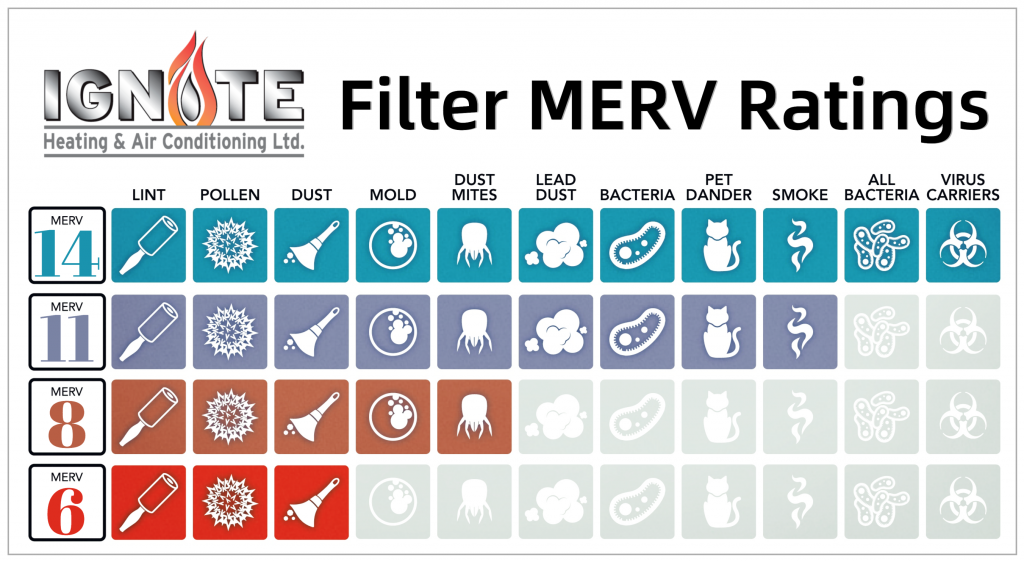
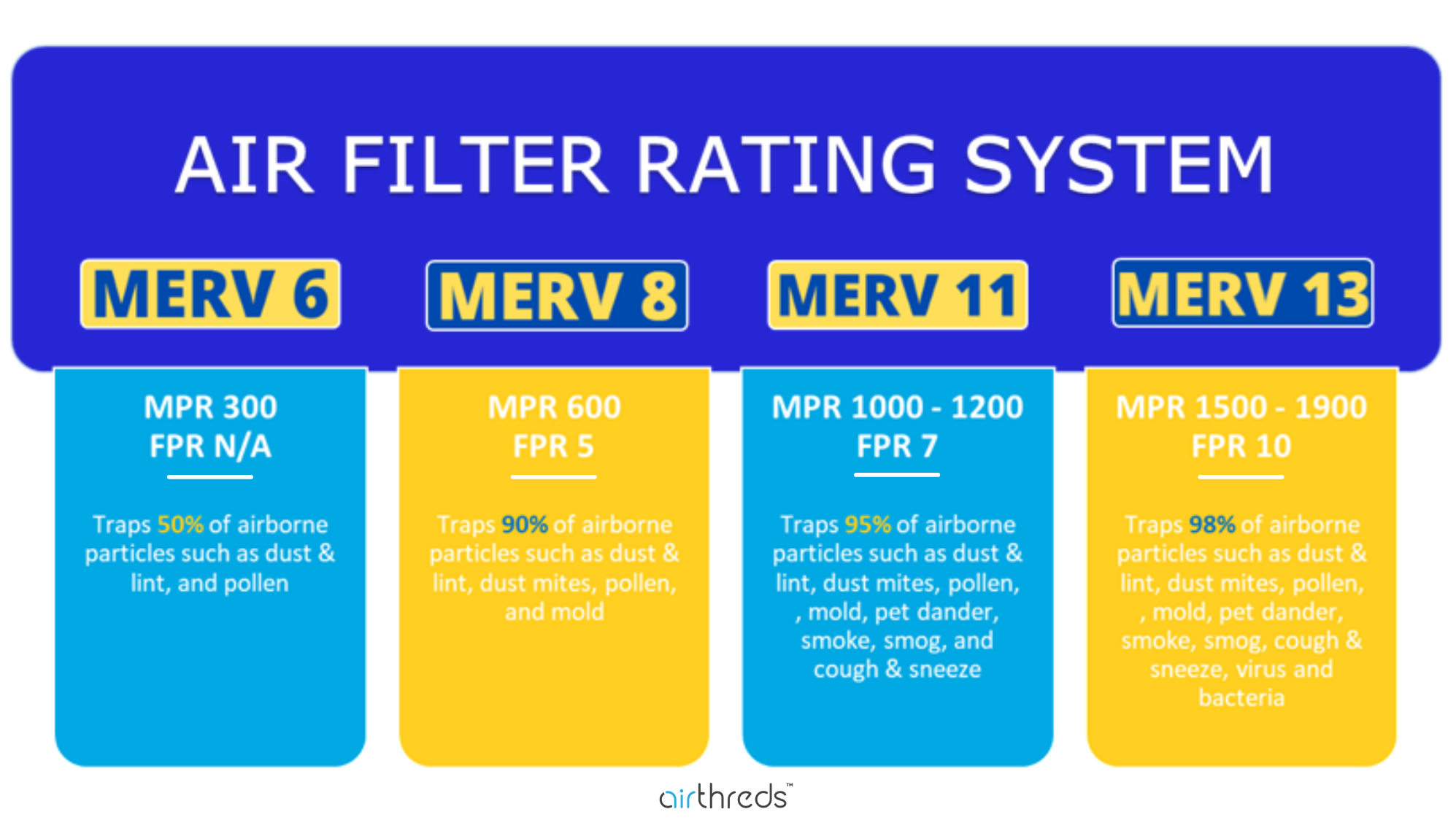
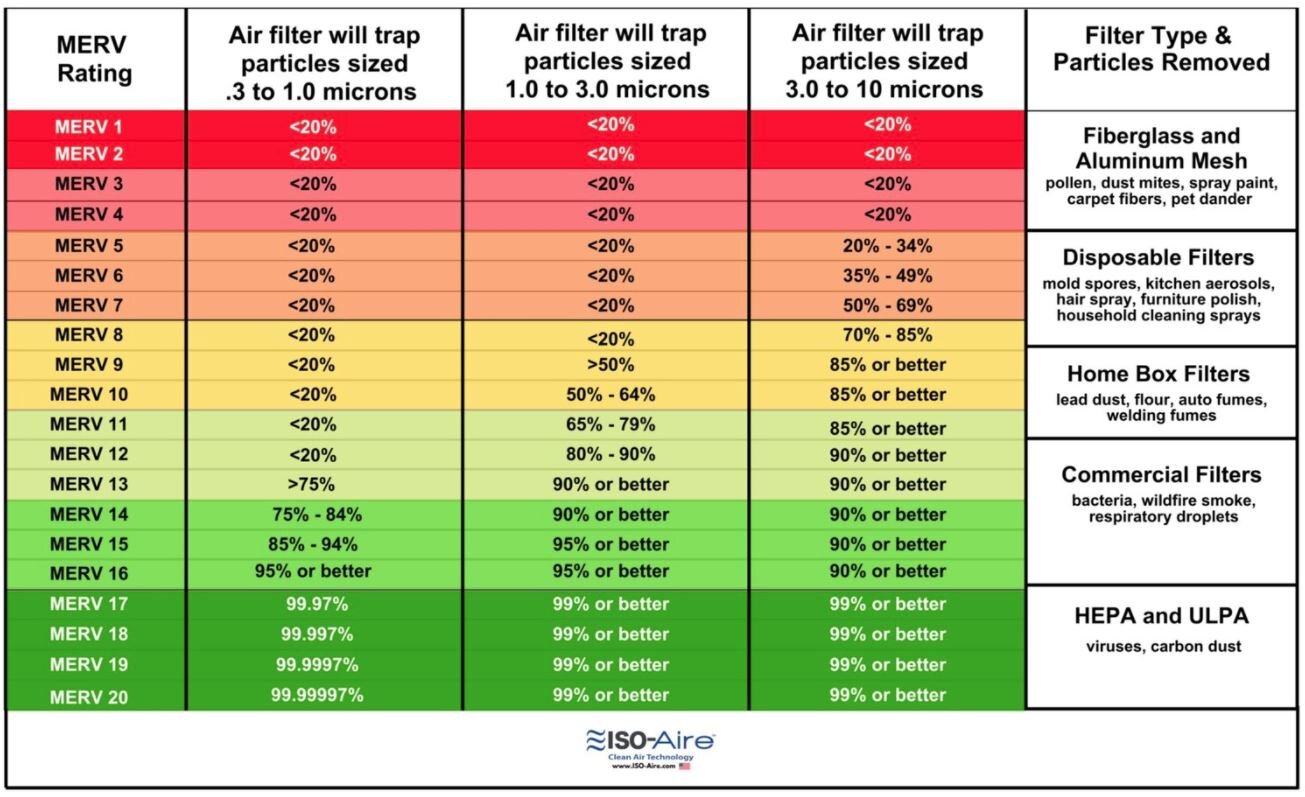
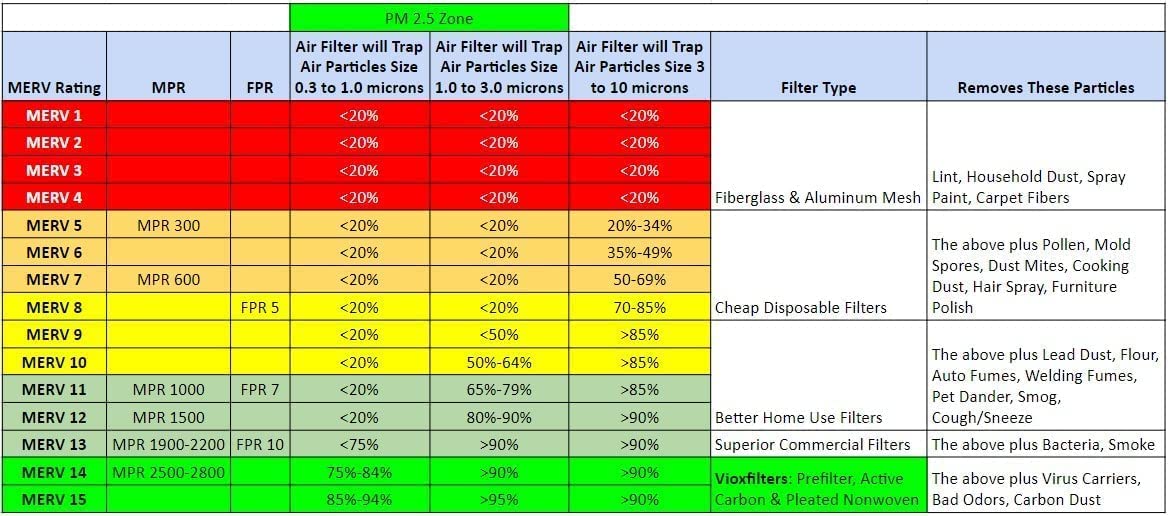
MERV stands for Minimum Efficiency Reporting Value. It's a standardized measurement scale (ranging from 1 to 20) used to rate the effectiveness of air filters in capturing particles of different sizes. A higher MERV rating indicates a filter's ability to capture smaller and more particles, leading to cleaner air. These particles include dust, pollen, pet dander, mold spores, and even some bacteria and viruses.
MERV Ratings Explained:
- MERV 1-4: These filters are typically fiberglass or foam and offer minimal filtration. They primarily capture large particles like dust mites, pollen, and carpet fibers. Often used in window AC units.
- MERV 5-8: These filters offer a good balance between air filtration and airflow. They capture smaller particles like mold spores, pet dander, and dust. Commonly used in residential HVAC systems.
- MERV 9-12: These filters provide better filtration, capturing fine dust, smog, and some bacteria. Often used in homes with occupants who have allergies or asthma.
- MERV 13-16: These filters offer excellent filtration, capturing smoke, viruses, and other very fine particles. Often used in hospitals, laboratories, and other environments where air quality is critical.
- MERV 17-20: These filters are HEPA filters, capturing nearly all airborne particles. They are used in critical environments like cleanrooms and surgical suites.
The Impact of MERV Rating on Airflow
While a higher MERV rating signifies better filtration, it also inherently increases the resistance to airflow. This resistance, measured in pressure drop, forces your HVAC system to work harder to circulate air. Think of it like breathing through a thin straw versus a thick one. The thinner straw (high MERV filter) requires more effort.
Reduced Airflow Consequences:
- Reduced HVAC System Efficiency: The system consumes more energy to move air, leading to higher energy bills.
- Uneven Heating and Cooling: Some rooms may be colder or hotter than others due to restricted airflow.
- Overheating: The HVAC unit's components, especially the blower motor and compressor, can overheat, leading to premature failure.
- Frozen Evaporator Coils: Reduced airflow across the evaporator coil in your air conditioner can cause it to freeze, halting cooling altogether.
- Short Cycling: The HVAC system may turn on and off frequently, without adequately heating or cooling the space.
Choosing the Right MERV Rating for Your Needs
Selecting the optimal MERV rating involves striking a balance between air filtration and airflow. There is no one-size-fits-all answer, as the ideal choice depends on various factors.
Factors to Consider:
- HVAC System Capabilities: Check your HVAC system's specifications. Some systems are not designed to handle the increased static pressure created by high-MERV filters. Consult with an HVAC technician to determine the appropriate range.
- Indoor Air Quality Concerns: If you have allergies, asthma, or other respiratory issues, a higher MERV rating (8-12) may be beneficial. However, consider the potential impact on airflow.
- Outdoor Air Quality: If you live in an area with high levels of pollution or wildfire smoke, a higher MERV rating can help improve indoor air quality.
- Pets: Homes with pets generate more dander, requiring more frequent filter changes and potentially a filter with a MERV rating between 8 and 11.
- Occupancy: The number of people living in the home will directly impact the accumulation of dust and dander. More occupants typically equals more particulates and a need for increased filtration.
- Filter Change Frequency: Higher MERV rated filters tend to capture more contaminants at a quicker rate, making regular filter changes a necessity.
General Recommendations:
- Standard Homes: A MERV rating of 8 is often a good starting point for most homes. It provides adequate filtration without significantly impacting airflow.
- Homes with Allergy or Asthma Sufferers: Consider a MERV rating of 11 or 12. Monitor airflow and change filters more frequently.
- Homes with Pets: A MERV rating of 8-11 is generally recommended.
- Commercial Buildings: MERV 8-13, depending on the specific requirements of the building and the activities performed within.
Understanding Pressure Drop and Airflow Testing
Pressure drop is a crucial measurement when evaluating air filter performance. It represents the resistance the filter imposes on airflow. Higher MERV ratings typically correlate with higher pressure drops. HVAC technicians use tools like manometers to measure static pressure in the ductwork to assess the impact of a filter on airflow. These tests are typically done during routine maintenance.
Interpreting Pressure Drop Readings:
High static pressure readings indicate restricted airflow, which can lead to the problems outlined earlier. If you observe high static pressure after installing a new filter, consider switching to a lower MERV rating or consulting an HVAC professional.
The Role of Filter Maintenance
Regardless of the MERV rating you choose, regular filter changes are essential. A dirty filter, even with a low MERV rating, will restrict airflow and reduce system efficiency.
Filter Change Frequency Recommendations:
- Standard 1-inch filters: Change every 1-3 months.
- Thicker 4-5 inch filters: Change every 6-12 months.
These are just guidelines. Check your filter monthly and replace it more frequently if it appears dirty. Factors like pets, allergies, and outdoor air quality can necessitate more frequent changes.
Cost Considerations
Air filter costs vary based on MERV rating, size, and brand. Higher MERV filters generally cost more than lower MERV filters. However, the long-term cost implications extend beyond the initial purchase price.
Long-Term Cost Analysis:
While a higher MERV filter might cost more upfront, it can potentially save money on energy bills by improving air quality and reducing the strain on your HVAC system. However, if a high MERV filter significantly restricts airflow, it can lead to higher energy consumption and costly repairs. Therefore, carefully consider the trade-offs and choose a filter that balances filtration and airflow. Consider lower MERV rated filters coupled with devices such as air purifiers to achieve better results with less airflow reduction.
Working with HVAC Professionals
If you're unsure about which MERV rating is best for your system or if you're experiencing airflow problems, consult with a qualified HVAC technician. They can assess your system's capabilities, evaluate your indoor air quality needs, and recommend the most appropriate filter. They can also perform airflow testing and diagnose any underlying issues that may be contributing to poor performance.
Conclusion
Selecting the right MERV rating is a critical aspect of maintaining a healthy and efficient HVAC system. By understanding the relationship between filtration, airflow, and system performance, you can make informed decisions that optimize indoor air quality and minimize energy costs. Remember to consider your individual needs, consult with professionals when needed, and prioritize regular filter maintenance.