Best Roof Vent For Kitchen Exhaust Fan
Imagine this: you're cooking up a storm in the kitchen, the aroma of delicious food fills the air, but so does the smoke and grease. You reach for the range hood, flick the switch, and... nothing. A malfunctioning kitchen exhaust fan can quickly turn a pleasant cooking experience into a smoky, greasy mess. But before you call in a professional, let's explore some simple troubleshooting steps you can take to potentially fix the problem yourself.
Understanding the Problem: Kitchen Exhaust Fan Basics
First, it's important to understand the basic components of your kitchen exhaust fan system. Typically, this includes:
- The Fan Motor: This is the heart of the system, responsible for driving the fan blades.
- The Fan Blades: These pull air and fumes away from the cooking surface.
- The Filters: These trap grease and other particles.
- The Housing: This encloses the fan and components.
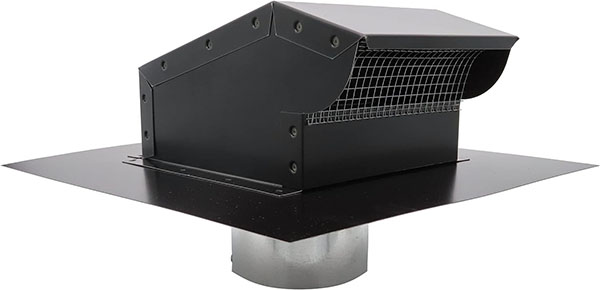
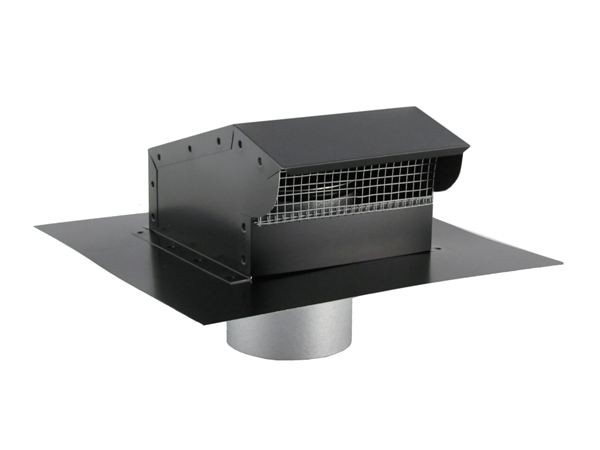
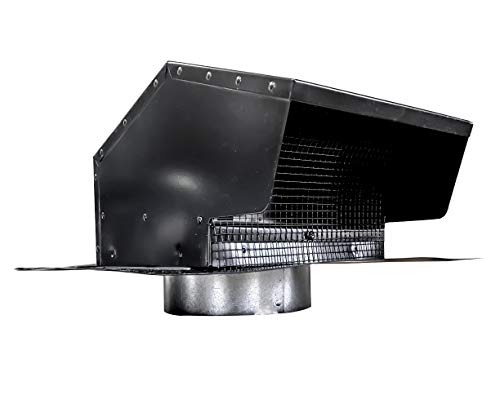
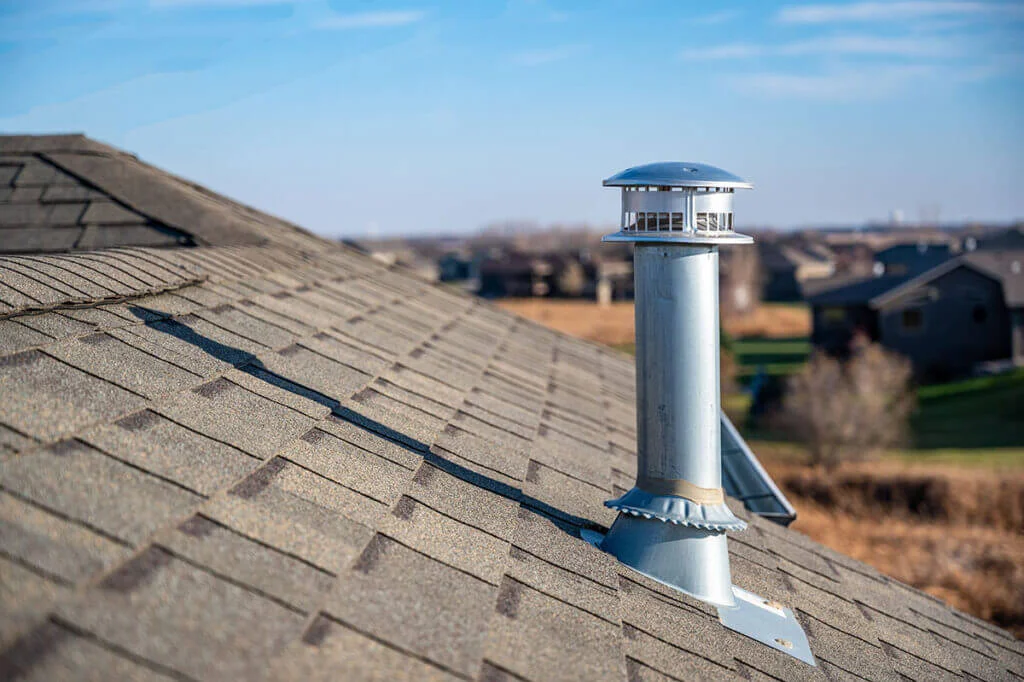
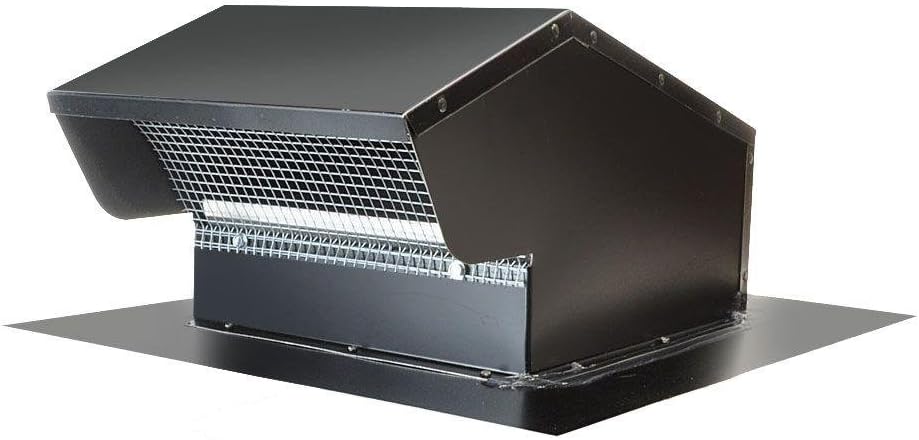
- The Vent: This directs the exhausted air outside your home. This article focuses on the best types of vents for the fan.
- The Electrical Components: Wires, switches, and possibly a light.
A failure in any of these components can lead to a non-functioning or poorly functioning exhaust fan. Let’s find out what could be wrong.
Troubleshooting Your Kitchen Exhaust Fan: A Step-by-Step Guide
Step 1: The Obvious – Check the Power Supply
Start with the simplest things first. It sounds obvious, but it's often the culprit!
- Check the Circuit Breaker: Go to your electrical panel and make sure the breaker that controls the kitchen circuit (and specifically the range hood) hasn't tripped. If it has, reset it. If it trips again immediately, do not keep resetting it. This indicates a more serious electrical problem that requires a professional electrician.
- Check the Outlet: If the exhaust fan is plugged into an outlet, try plugging another small appliance into the same outlet to see if it's working. If the outlet is dead, there's a problem with the outlet itself, and you'll need to consult an electrician.
- Check the Wiring (Proceed with Extreme Caution!): If the exhaust fan is hardwired, and you're comfortable working with electricity (and have turned off the breaker!), carefully check the wiring connections in the junction box. Look for loose wires, frayed insulation, or signs of burning. If you see any of these, or if you're uncomfortable with this step, stop immediately and call an electrician.
Step 2: Inspect the Fan Settings and Controls
Sometimes, the issue is simply a setting or a faulty control.
- Check the Fan Speed: Make sure the fan speed is set to a higher setting than "off." It sounds basic, but it's easily overlooked.
- Check the Light Switch: Some range hoods have a separate switch for the light. If the light isn't working either, it could indicate a problem with the power supply or the wiring.
- Test the Switches: The fan speed and light switches themselves can sometimes fail. If you have a multimeter and are comfortable using it, you can test the switches for continuity. Otherwise, this may be a task for a professional.
Step 3: Clean the Filters and Inspect the Fan Blades
A clogged filter or obstructed fan blades can significantly reduce the exhaust fan's performance.
- Clean the Filters: Dirty filters restrict airflow, forcing the motor to work harder and potentially overheating. Remove the filters and wash them thoroughly with warm, soapy water. If they're heavily soiled or damaged, consider replacing them.
- Inspect the Fan Blades: Make sure the fan blades are clean and free from obstructions. Grease buildup can weigh down the blades and reduce their effectiveness. Carefully wipe them clean with a degreaser. Also, check for any physical damage to the blades. If they're bent or broken, they'll need to be replaced.
Step 4: Listen for Unusual Noises
Strange noises coming from the exhaust fan can provide clues about the problem.
- Grinding or Squealing: This could indicate a problem with the motor bearings. The motor might be failing and needs replacing. This is generally a job for a professional.
- Rattling: This could be caused by loose fan blades or debris caught in the fan housing. Tighten any loose screws and remove any obstructions.
- Humming but No Movement: This could indicate that the motor is receiving power but is unable to turn the fan blades. This might be due to a seized motor or a problem with the starting capacitor (if your fan has one). This usually requires professional repair or motor replacement.
Step 5: Best Roof Vent Considerations
The roof vent is critical for proper exhaust. Choosing the correct type ensures proper air flow and prevents issues like backdrafting or water leaks. Here's an outline of the key factors:
- Type of Vent: There are several types of roof vents, each with its advantages and disadvantages. The right choice depends on your climate, roof type, and budget.
- Gooseneck Vents: These are perhaps the most common and reliable option. They feature a curved neck that deflects rain and snow, preventing water from entering the duct. They are relatively affordable and easy to install.
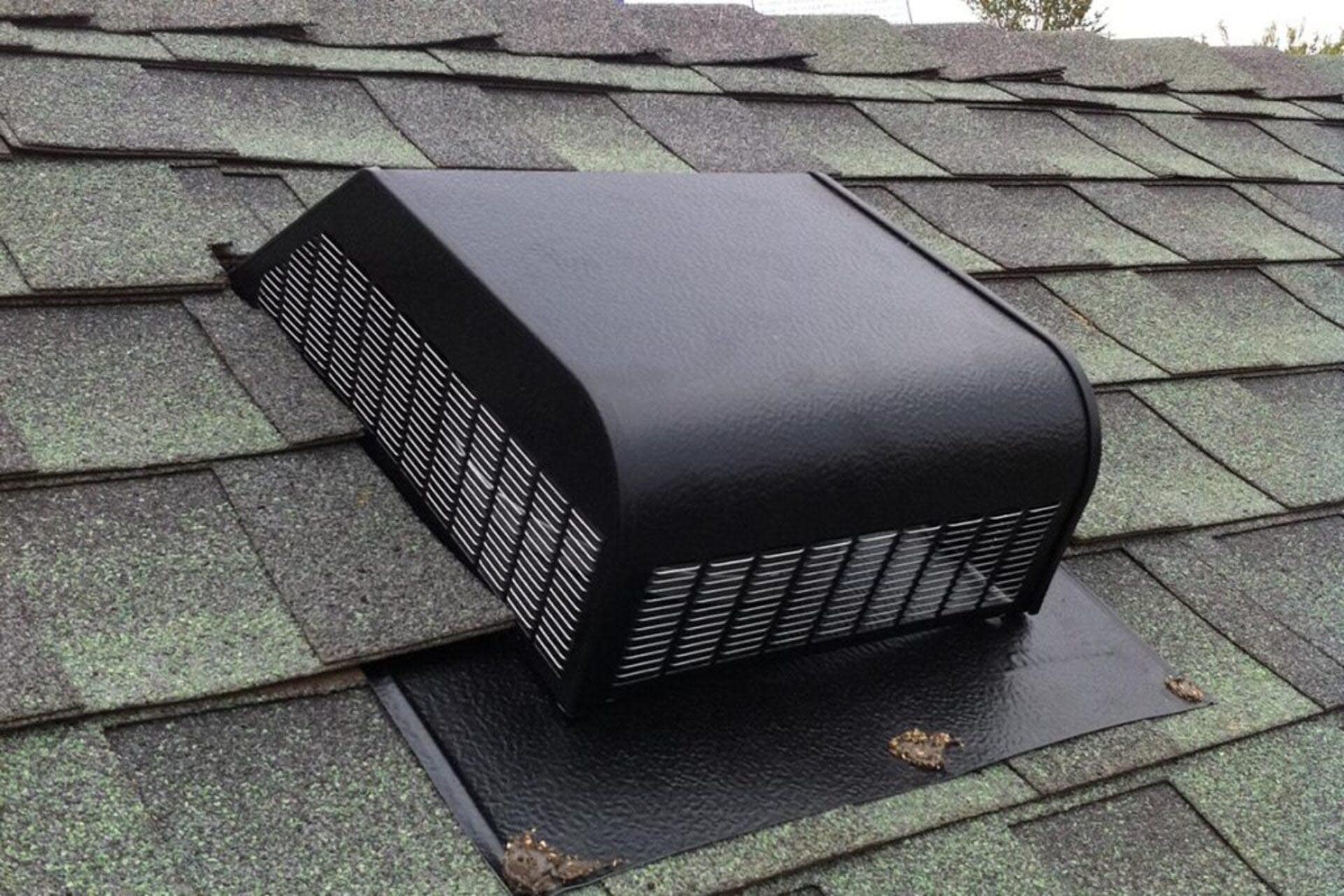
- Box Vents: These are typically used for attic ventilation but can be adapted for kitchen exhaust. They provide a large opening for airflow but may be more susceptible to water intrusion in heavy rain or snow.
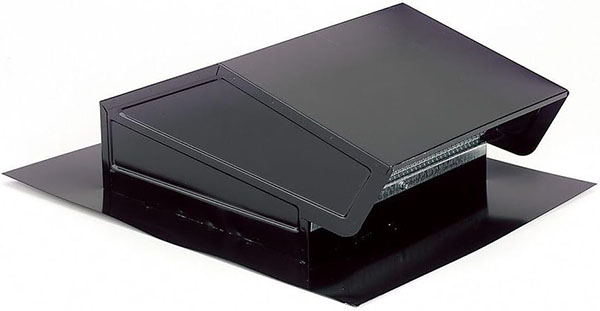
- Low-Profile Vents: These vents sit close to the roof surface and are less noticeable. They are a good option for homeowners who want a more discreet look. However, they may not provide as much airflow as other types of vents.
- Ridge Vents: These run along the ridge of the roof and provide excellent ventilation. However, they are typically used for attic ventilation and are not suitable for kitchen exhaust unless specifically designed for that purpose.
- Material: Roof vents are typically made of metal (aluminum or steel) or plastic. Metal vents are more durable and resistant to weathering, but they can also be more expensive. Plastic vents are less expensive but may not last as long.
- Size: The size of the vent should be appropriate for the size of your kitchen exhaust fan. A vent that is too small will restrict airflow, while a vent that is too large may allow rain or snow to enter the duct. Consult the manufacturer's recommendations for the appropriate vent size.
- Damper: A damper is a flap inside the vent that prevents backdrafting (air flowing back into the kitchen when the fan is not running). A damper is essential for preventing odors and pests from entering your home. Make sure the damper is functioning properly.
- Installation: Proper installation is crucial for preventing leaks and ensuring proper airflow. If you are not comfortable working on your roof, hire a professional to install the vent.
Step 6: Checking the Vent Ductwork
The vent ductwork connecting the fan to the roof vent is also crucial. Check for the following:
- Proper Sealing: Make sure all connections in the ductwork are properly sealed with duct tape (not duct tape!) or foil tape to prevent leaks. Leaks can reduce the fan's efficiency and allow grease and odors to escape into your home.
- Obstructions: Check the ductwork for any obstructions, such as bird nests or debris. Clear any obstructions to ensure proper airflow.
- Material: Metal ductwork is preferred over flexible ductwork, as it provides better airflow and is less likely to accumulate grease. Replace flexible ductwork with rigid metal ductwork if possible.
- Length and Bends: Minimize the length of the ductwork and the number of bends, as these can reduce airflow. Use smooth, gradual bends instead of sharp turns.
When to Call a Professional
While many exhaust fan problems can be resolved with simple troubleshooting, there are certain situations where it's best to call a qualified appliance repair technician or electrician:
- If you're uncomfortable working with electricity or gas: Never attempt electrical or gas repairs if you're not properly trained and experienced.
- If you suspect a major electrical problem: Tripped breakers that won't reset, burning smells, or sparking are signs of a serious electrical issue.
- If the motor is making loud or unusual noises: This often indicates a failing motor that needs to be replaced.
- If you've tried all the troubleshooting steps and the fan still isn't working: There may be a more complex problem that requires professional diagnosis and repair.
- If you need to work on your roof, especially if you are not comfortable with heights: Roof work can be dangerous.
Safety First!
Always prioritize safety when working on electrical appliances. Before you begin any troubleshooting or repair, turn off the power to the exhaust fan at the circuit breaker. Wear appropriate safety gear, such as gloves and eye protection. If you're unsure about any step, don't hesitate to call a professional.
Preventative Maintenance
Regular maintenance can help prevent exhaust fan problems and extend the life of your appliance.
- Clean the filters regularly: At least once a month, or more often if you cook frequently.
- Inspect the fan blades and housing: Clean away any grease or debris.
- Listen for unusual noises: Address any problems promptly.
- Check the vent ductwork: Ensure it's properly sealed and free from obstructions.
By following these troubleshooting steps and performing regular maintenance, you can keep your kitchen exhaust fan running smoothly and efficiently, ensuring a clean and comfortable cooking environment. Remember, safety is paramount. When in doubt, call a professional.
Choosing the Right Vent for your System
Selecting the proper vent is one of the most important factors in guaranteeing the efficient and safe operation of your kitchen exhaust fan. Factors to consider include the climate, the roof type, and the overall aesthetics of the house. A correct vent can help to properly exhaust smoke and fumes, avoiding issues with backdrafts, water leaks, and even pest intrusion. A professional can advise what vent is best for your needs.