Best Sliding Glass Doors For Cold Weather

Combatting the Cold: Choosing the Best Sliding Glass Doors for Energy Efficiency
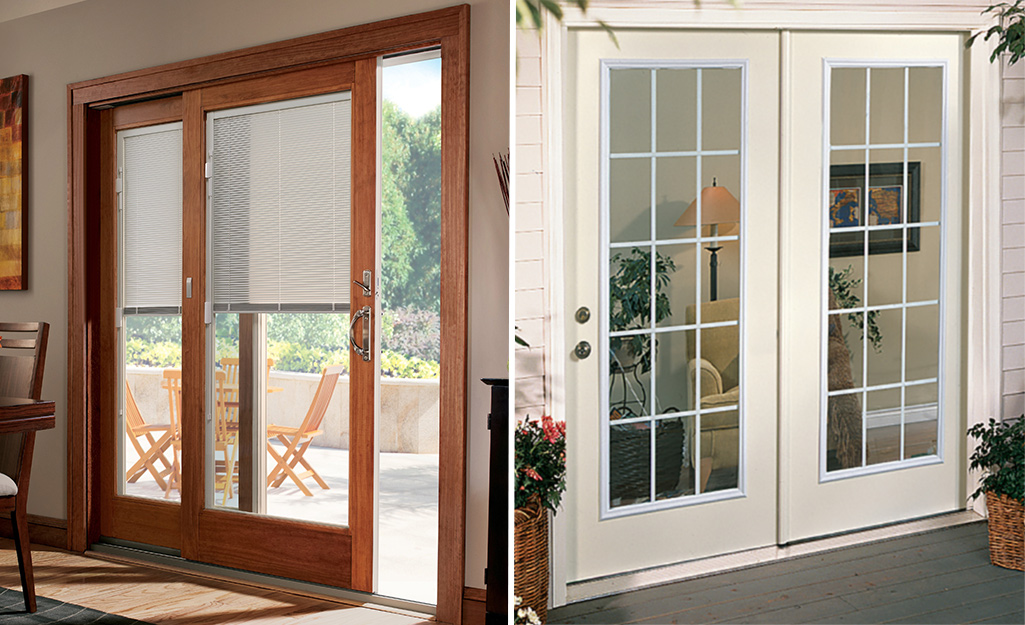
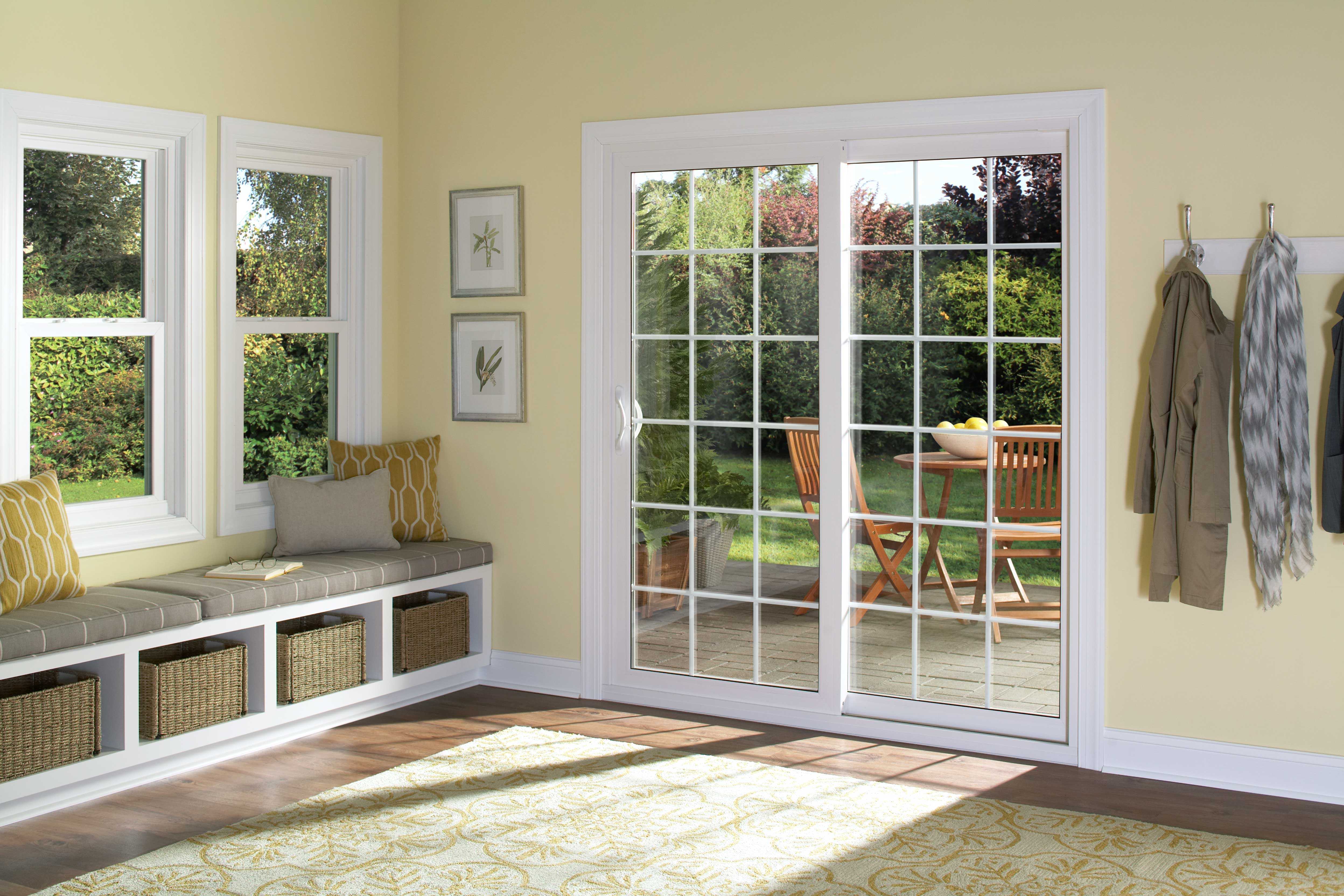
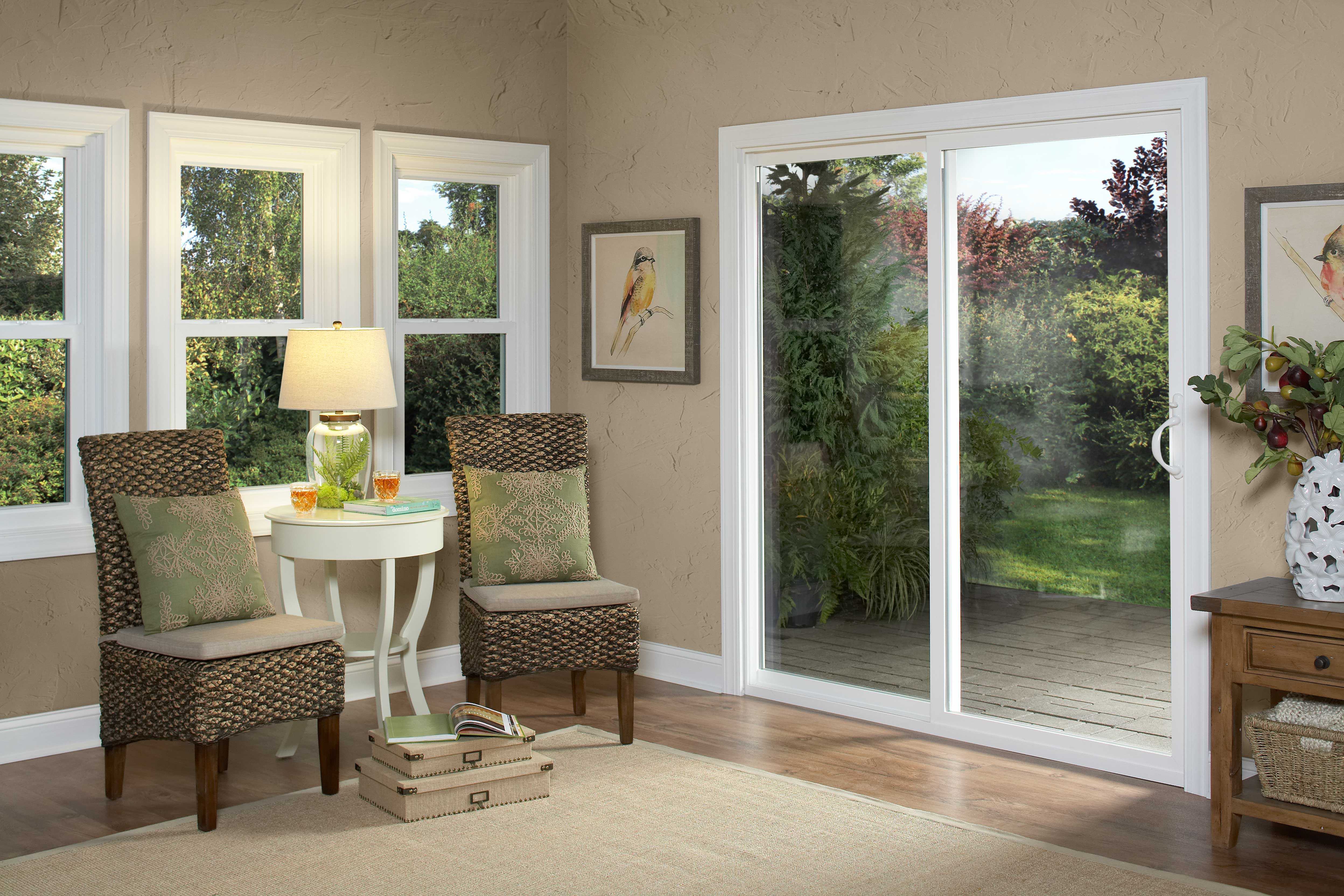
Sliding glass doors offer homeowners expansive views and seamless access to the outdoors. However, in colder climates, they can also be a significant source of heat loss and energy waste. For HVAC professionals, understanding how to assess and recommend energy-efficient sliding glass doors is crucial for providing optimal home comfort and reducing energy bills. This article will explore the key features of high-performing sliding glass doors for cold weather, delve into related HVAC career paths, and touch upon relevant certifications and industry trends.
The Energy Drain: Understanding Heat Loss Through Sliding Glass Doors
Before recommending a specific door, it's vital to understand how heat escapes. The primary culprits are conduction, convection, and radiation. Single-pane glass offers minimal insulation, allowing heat to readily conduct from the warm interior to the cold exterior. Gaps around the frame and inefficient seals allow cold air to infiltrate (convection), while infrared radiation transmits heat directly through the glass.
Key Features of Cold-Weather Sliding Glass Doors
Selecting a sliding glass door designed for cold climates requires careful consideration of several factors:
- Frame Material: Vinyl and fiberglass are superior insulators compared to aluminum. Aluminum, while strong, is a highly conductive metal, acting as a thermal bridge. Vinyl frames are cost-effective and require minimal maintenance, while fiberglass offers exceptional durability and resistance to warping.
- Glass Type: Double-pane or triple-pane glass is essential. The space between the panes is filled with an inert gas, typically argon or krypton, which further reduces heat transfer. Look for doors with a Low-E (low-emissivity) coating. Low-E coatings reflect infrared radiation, keeping heat inside during the winter and outside during the summer.
- Spacers: The spacer separates the glass panes. Warm-edge spacers are made from materials with lower thermal conductivity than traditional aluminum spacers, minimizing heat loss around the edges of the glass.
- Weather Stripping: High-quality, multi-layered weather stripping around the frame and between the sliding panel and the fixed panel is crucial for preventing air leaks. Compression weather stripping, rather than foam, generally offers superior performance and longevity.
- U-Factor: This measures the rate of heat transfer through the entire window or door assembly. A lower U-factor indicates better insulation. For cold climates, aim for a U-factor of 0.30 or lower.
- Air Leakage (AL): This measures how much air leaks through the door. Lower AL values indicate a tighter seal.
Specific Door Recommendations and Considerations
While specific brand recommendations can quickly become outdated, focusing on manufacturers known for energy-efficient products and robust warranties is key. Look for brands that have received ENERGY STAR® certification. ENERGY STAR® ratings ensure the door meets specific energy performance criteria for your climate zone.
Real-world example: A homeowner in Minneapolis, MN, replacing a single-pane aluminum sliding glass door with a triple-pane, low-E, argon-filled vinyl sliding glass door could see a significant reduction in heating costs, potentially saving hundreds of dollars per year. This not only benefits the homeowner but also reduces the strain on the HVAC system, extending its lifespan.
HVAC Careers Related to Energy-Efficient Building Envelope
The demand for energy-efficient building solutions is creating new opportunities for HVAC professionals. Here are some related career paths:
- HVAC Technician: A solid understanding of building envelope performance, including door and window efficiency, is increasingly valuable. Technicians can advise homeowners on energy-saving upgrades during routine maintenance calls. The median salary for HVAC technicians in 2022 was around $50,590 per year (U.S. Bureau of Labor Statistics). The job outlook is projected to grow 6 percent from 2022 to 2032, about as fast as the average for all occupations.
- Energy Auditor: Energy auditors assess a building's energy consumption and identify areas for improvement. This often involves evaluating doors and windows for air leaks and thermal performance. Certified energy auditors can command higher salaries.
- Building Performance Specialist: These professionals specialize in optimizing building performance, focusing on energy efficiency, indoor air quality, and sustainability. They may work on new construction projects or retrofit existing buildings.
- HVAC Design Engineer: Design engineers incorporate energy-efficient building envelope components into their designs, ensuring optimal HVAC system performance and reduced energy consumption.
Essential Certifications for HVAC Professionals
Earning industry-recognized certifications can enhance your skills and career prospects:
- NATE (North American Technician Excellence): NATE certification demonstrates competency in HVAC installation, service, and maintenance.
- EPA Section 608 Certification: Required for technicians who handle refrigerants.
- Building Performance Institute (BPI) Certification: BPI offers various certifications for energy auditors and building performance specialists.
- LEED (Leadership in Energy and Environmental Design) Accreditation: LEED accreditation demonstrates knowledge of green building practices.
Career Path Example: An HVAC apprentice, after completing their training and obtaining their NATE certification, could specialize in energy auditing and pursue BPI certification. This would open doors to higher-paying positions and allow them to contribute to more sustainable building practices.
Job Outlook and Salary Expectations
As previously mentioned, the job outlook for HVAC technicians is positive. However, specializing in energy efficiency and sustainable building practices can further enhance your career prospects. According to industry reports, HVAC technicians with specialized skills in energy efficiency can earn salaries ranging from $60,000 to $80,000 per year, or even higher with experience and advanced certifications. Energy auditors and building performance specialists can command even higher salaries, often exceeding $80,000 per year. The specific salary will depend on location, experience, certifications, and employer.
Industry Trends and the Future of Energy-Efficient Doors
The HVAC industry is constantly evolving, driven by technological advancements and increasing demand for energy-efficient solutions. Some key trends include:
- Smart Home Integration: Integration of doors and windows with smart home systems, allowing for remote monitoring and control of energy consumption.
- Advanced Glazing Technologies: Development of new glazing materials with even lower U-factors and higher solar heat gain coefficients (SHGC).
- Increased Government Regulations: Stricter energy efficiency standards for buildings and appliances, driving demand for high-performance doors and windows.
- Sustainability Focus: Growing emphasis on sustainable building practices, including the use of recycled materials and eco-friendly manufacturing processes.
Employers looking to hire skilled workers should prioritize candidates with experience in energy auditing, building performance, and sustainable HVAC practices. Offering training opportunities and supporting employees in obtaining relevant certifications can also help attract and retain top talent.
Conclusion: Investing in Energy Efficiency
Choosing the best sliding glass doors for cold weather is an investment in energy efficiency, comfort, and long-term cost savings. By understanding the key features of high-performing doors and the career opportunities in this growing field, HVAC professionals can provide valuable advice to homeowners and contribute to a more sustainable future. Continuous learning and professional development are essential for staying ahead in this dynamic industry. Staying updated on new technologies, industry best practices, and relevant certifications will ensure you remain a valuable asset in the HVAC field.