Best Tankless Electric Water Heater For The Whole House

Tankless Electric Water Heaters for Whole-House Use: A Comprehensive Guide
As energy costs continue to rise, homeowners, HVAC technicians, and facility managers are increasingly seeking efficient and space-saving solutions for water heating. Tankless electric water heaters offer a compelling alternative to traditional storage tank models, providing hot water on demand and potentially lowering energy bills. This article delves into the best tankless electric water heaters for whole-house applications, considering factors like performance, cost, efficiency, and lifespan.
Understanding Tankless Electric Water Heaters
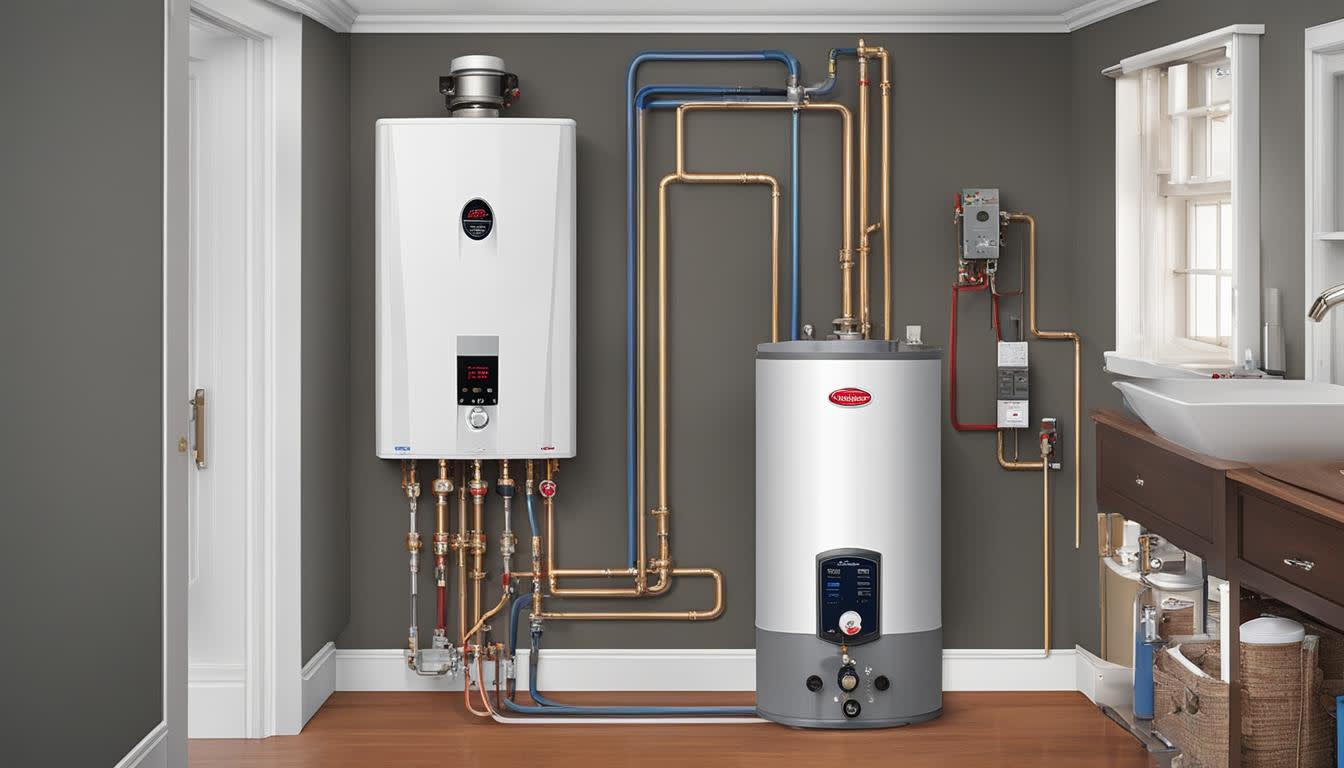
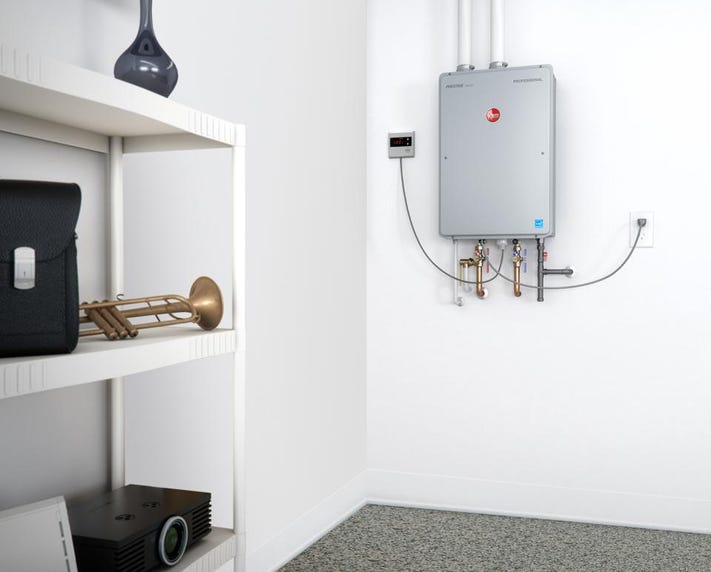
Unlike conventional water heaters that store hot water in a tank, tankless (or on-demand) heaters heat water only when needed. When a hot water tap is turned on, cold water flows through a high-powered heating element, rapidly raising the temperature to the desired level. The heater shuts off automatically when the tap is closed, eliminating standby heat loss – a significant energy drain in tank-based systems.
Key Benefits of Tankless Electric Water Heaters:
- Energy Efficiency: Reduced standby heat loss translates to lower energy consumption.
- Unlimited Hot Water: Provides a continuous supply of hot water, eliminating the risk of running out during showers or other high-demand activities.
- Space Saving: Compact design frees up valuable floor space compared to bulky storage tanks.
- Long Lifespan: Typically lasts longer than tank-based heaters, potentially up to 20 years with proper maintenance.
Factors to Consider When Choosing a Whole-House Tankless Electric Water Heater
Selecting the right tankless electric water heater for whole-house use requires careful consideration of several factors:
Flow Rate:
Flow rate, measured in gallons per minute (GPM), is the most critical factor. It determines the amount of hot water the heater can deliver simultaneously. To calculate your household's peak demand, estimate the number of hot water appliances and fixtures (showers, faucets, dishwashers, washing machines) likely to be used concurrently. Add up their individual flow rates to determine the required GPM. A typical showerhead uses 2.5 GPM, while a faucet may use 1-2 GPM. Remember that colder climates require a greater temperature rise which can negatively impact flow rates. Consult the heater's specifications to verify that the unit can meet your demand at your typical incoming water temperature.
Example: A household with two showers (2.5 GPM each), a dishwasher (1.5 GPM), and a faucet (1 GPM) running simultaneously would require a minimum flow rate of 7.5 GPM.
Temperature Rise:
Temperature rise refers to the difference between the incoming water temperature and the desired output temperature. Colder climates necessitate a higher temperature rise. Determine your average incoming water temperature and calculate the required rise to achieve your preferred hot water temperature (typically around 120°F). Tankless heaters are rated on their temperature rise capabilities at specific flow rates. Reviewing the manufacturer's specifications is vital to guarantee optimum performance.
Power Requirements:
Tankless electric water heaters require significant electrical power, often demanding 240V and high amperage. Ensure your electrical panel has sufficient capacity and that your wiring is properly sized to handle the heater's power requirements. Consult a qualified electrician for installation and electrical upgrades if needed. Incorrect wiring can lead to overheating, fire hazards, and heater malfunction.
Modulation:
Some tankless heaters feature modulation technology, which adjusts the heating element's output based on the actual hot water demand. Modulating heaters are more energy-efficient than non-modulating models, as they only use the power necessary to heat the water to the desired temperature. Smart Modulation systems can learn usage patterns and further refine efficiency.
Installation and Maintenance:
Professional installation is highly recommended for tankless electric water heaters. A qualified plumber or electrician can ensure proper sizing, wiring, and plumbing connections. Regular maintenance, such as flushing the unit to remove mineral buildup, can extend its lifespan and maintain optimal performance. Some units have self-descaling features which can reduce the need for manual maintenance.
Top Tankless Electric Water Heaters for Whole-House Applications
While specific model recommendations can vary based on regional availability and evolving technology, here are some leading manufacturers and product categories to consider:
Rheem:
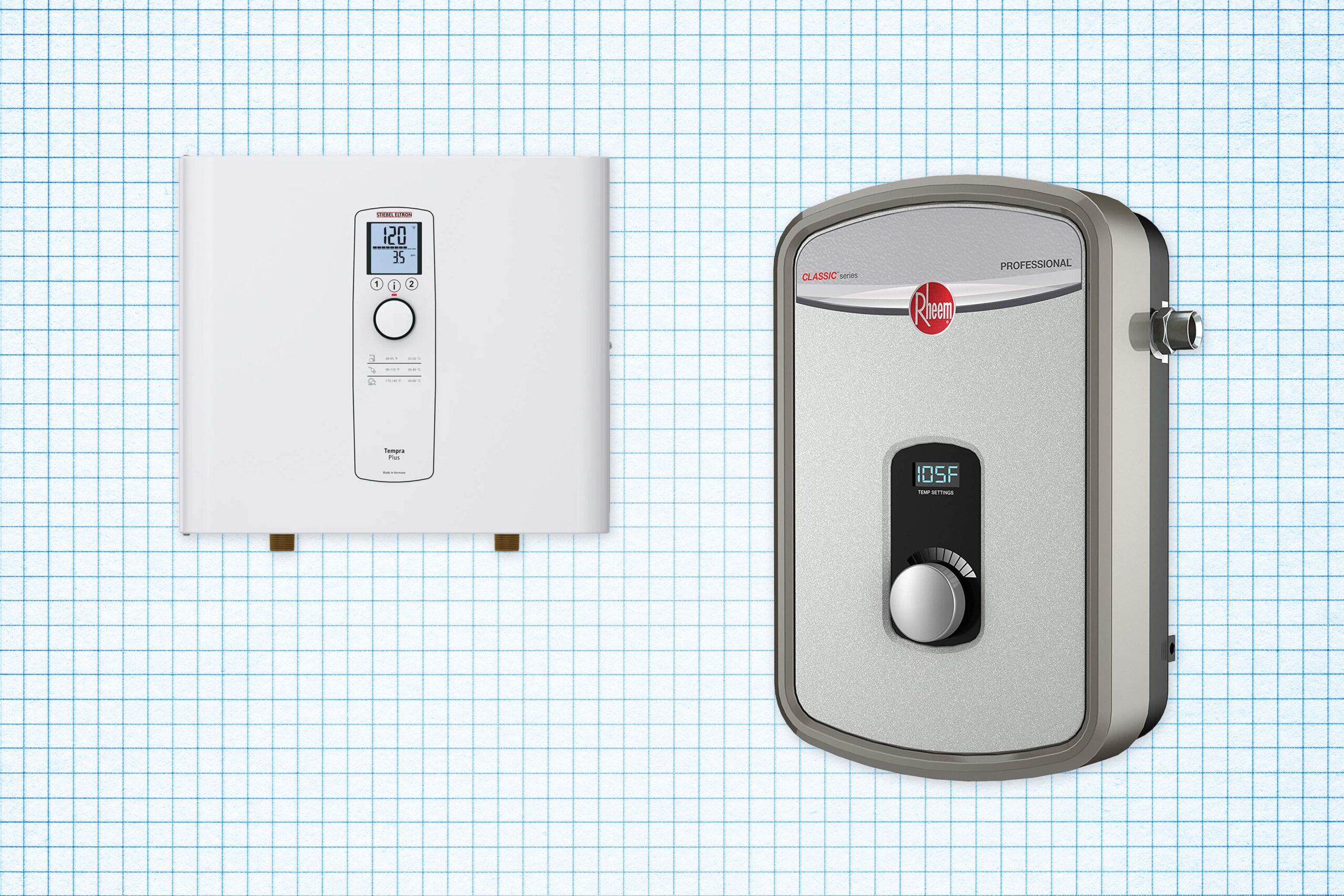
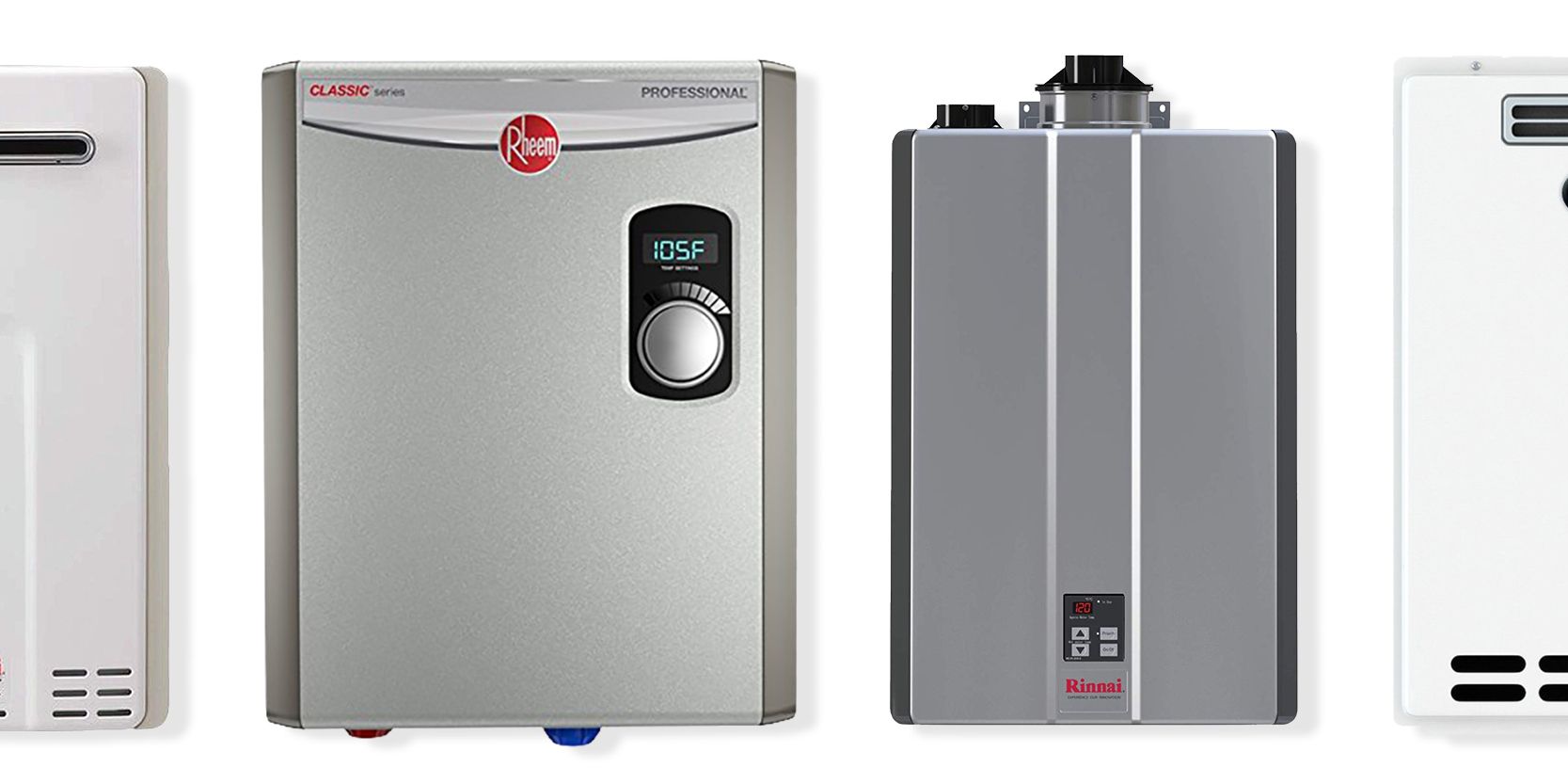
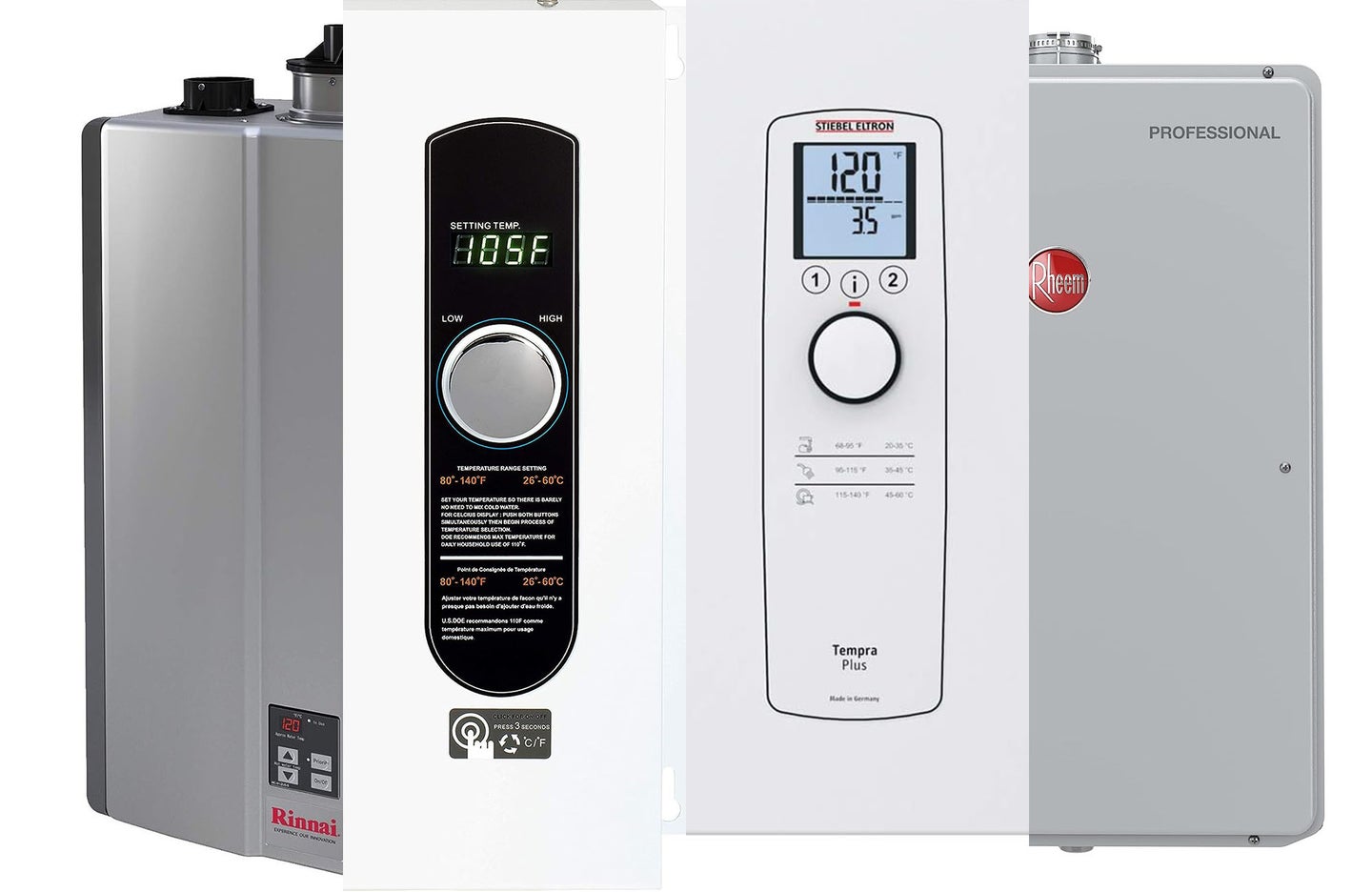
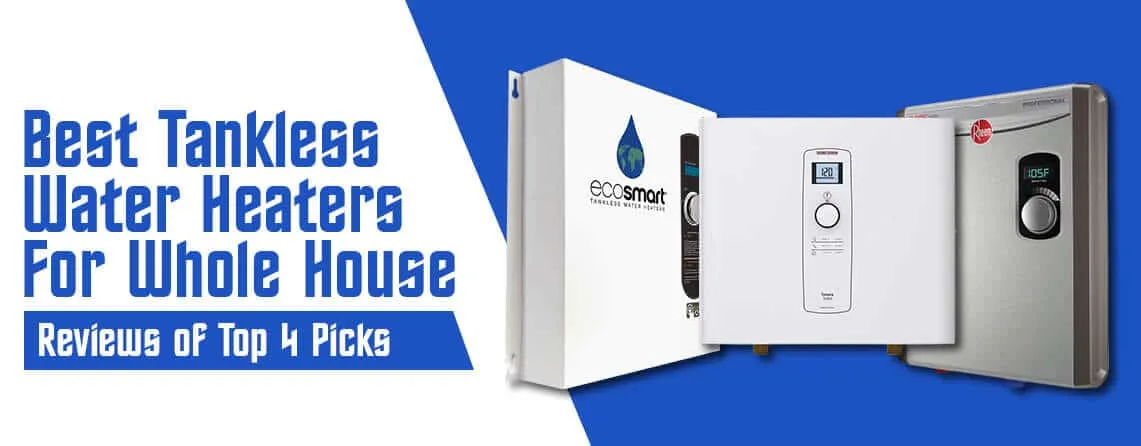
Rheem offers a range of tankless electric water heaters with varying flow rates and power requirements. Their Performance Platinum series often receives high ratings for efficiency and reliability.
"Rheem's self-modulating technology helps keep energy consumption to a minimum." - HVAC Technician
EcoSmart:
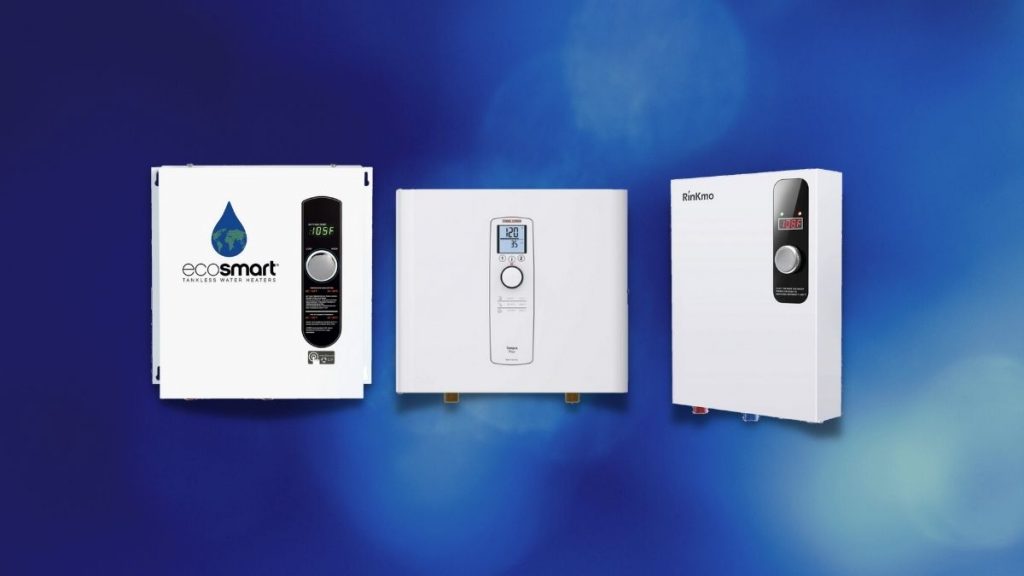
EcoSmart specializes in tankless electric water heaters known for their compact size and energy efficiency. Their ECO 27 model is frequently recommended for smaller homes or apartments.
Stiebel Eltron:
Stiebel Eltron is a German manufacturer renowned for its high-quality and durable tankless electric water heaters. Their Tempra Plus series features advanced flow control and self-modulating technology.
Bosch:
Bosch offers a selection of tankless electric water heaters designed for whole-house applications. Their units are known for their reliable performance and user-friendly controls.
Note: Always compare the specific features, specifications, and warranty terms of different models before making a purchase. Online reviews and customer testimonials can provide valuable insights into real-world performance.
Cost Considerations
The cost of a tankless electric water heater includes the purchase price, installation costs, and ongoing operating expenses.
Purchase Price:
Tankless electric water heaters typically cost more upfront than traditional tank-based models. Prices can range from several hundred dollars to over a thousand dollars, depending on the flow rate, power requirements, and features.
Installation Costs:
Installation costs can vary depending on the complexity of the project, including electrical upgrades, plumbing modifications, and permit fees. Factor in the cost of hiring a qualified plumber or electrician.
Operating Costs:
While the initial investment may be higher, tankless electric water heaters can save money on energy bills over the long term due to reduced standby heat loss. The actual savings will depend on your hot water usage patterns and local electricity rates. Calculate your projected energy savings using online calculators and compare them to the operating costs of your existing water heater.
Lifespan and Maintenance
Tankless electric water heaters typically have a longer lifespan than tank-based models, often lasting 15-20 years with proper maintenance. Regular flushing to remove mineral buildup is essential to prevent scaling and maintain optimal performance. Some models have built-in self-descaling features that can simplify maintenance. Follow the manufacturer's recommendations for maintenance procedures and schedules. Ignoring routine maintenance can significantly shorten the lifespan of your water heater and void the warranty.
Conclusion
Choosing the best tankless electric water heater for your whole-house needs requires careful consideration of flow rate, temperature rise, power requirements, and cost. By evaluating your household's hot water demand and comparing different models, you can select a system that provides reliable, energy-efficient hot water for years to come. Consult with qualified HVAC professionals and electricians to ensure proper sizing, installation, and maintenance for optimal performance and safety. Embrace the future of water heating with a tankless system that meets the unique needs of your home or facility. Remember to always prioritize safety and compliance with local building codes during installation and operation.