Best Trane Air Conditioner
Frequently Asked Questions About the Best Trane Air Conditioner
Choosing a new air conditioner is a significant investment, and Trane is a well-respected brand known for its reliability and efficiency. This FAQ addresses common questions homeowners and facility managers have when considering a Trane air conditioner.
Q: What makes Trane a good air conditioner brand?
Trane has a long-standing reputation for quality and durability. Here's why they're often considered a top choice:
- Reliability: Trane air conditioners are known for their longevity and consistent performance.
- Energy Efficiency: Many Trane models boast high SEER (Seasonal Energy Efficiency Ratio) ratings, which translates to lower energy bills.
- Innovation: Trane continually invests in research and development, incorporating advanced technologies into their products.
- Wide Range of Options: Trane offers a diverse selection of air conditioners to suit various needs and budgets, from basic models to high-end, smart-enabled systems.
- Strong Warranty Support: Trane provides robust warranty coverage, offering peace of mind. Always check the specific warranty details of the model you're considering.
Q: Which Trane air conditioner is the "best"?
There isn't a single "best" Trane air conditioner, as the ideal choice depends on individual needs and circumstances. However, several models consistently receive high ratings and positive reviews:
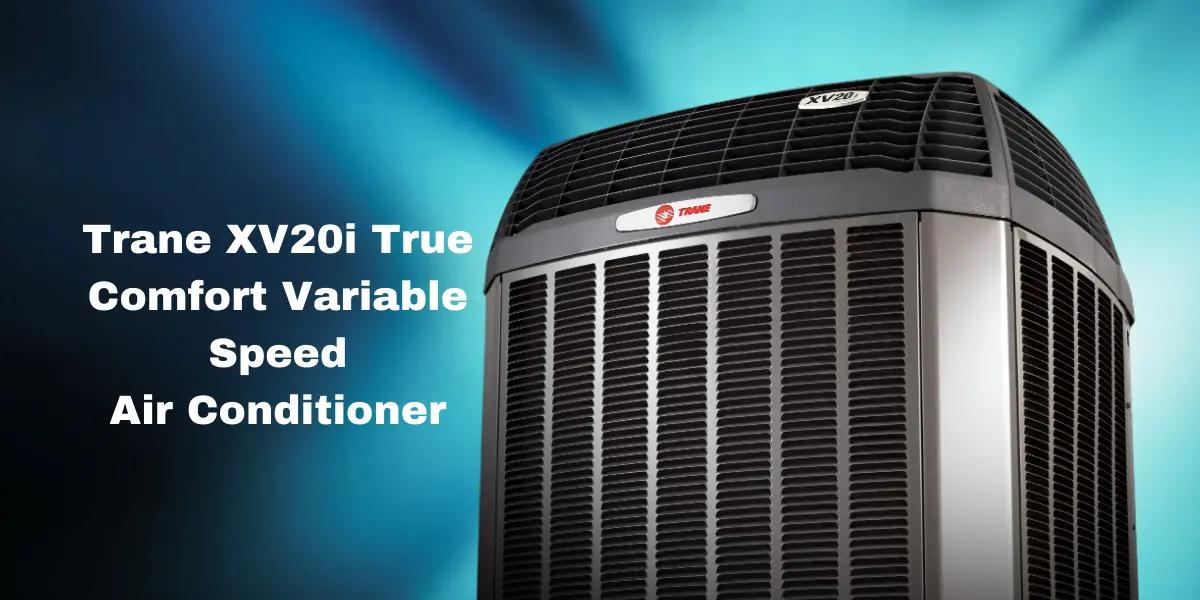
- Trane XV20i: This is often considered one of Trane's premium models. It features variable-speed technology, offering precise temperature control and exceptional energy efficiency. Its SEER rating can reach up to 22.
- Trane XV18: Another high-end variable-speed model, the XV18 provides excellent comfort and efficiency, often with a SEER rating around 18-19.
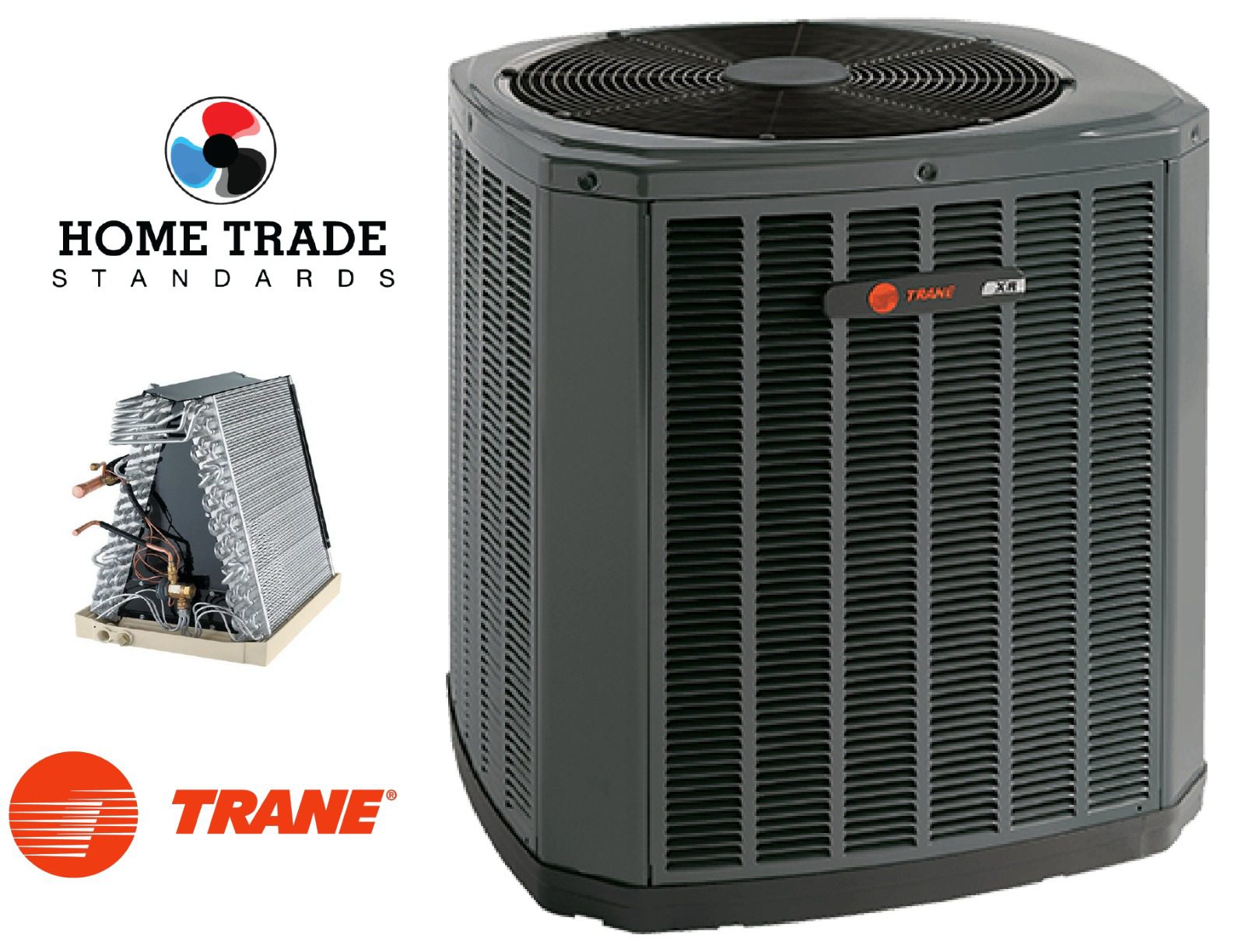
- Trane XR16: A mid-range option offering a good balance of performance and affordability. It's a reliable choice with a decent SEER rating, typically around 16.
- Trane XR14: A more budget-friendly option, the XR14 still provides reliable cooling and a reasonable SEER rating. This is a good choice for homeowners looking for a cost-effective Trane solution.
To determine the best model for your specific needs, consider factors such as:
- Home Size: Larger homes require more powerful air conditioners.
- Climate: Homes in hotter climates benefit from higher SEER ratings for maximum energy savings.
- Budget: Trane offers models at various price points.
- Desired Features: Consider features like variable-speed operation, smart home compatibility, and noise levels.
Q: What is SEER and why is it important?
SEER stands for Seasonal Energy Efficiency Ratio. It's a measure of an air conditioner's energy efficiency. The higher the SEER rating, the more efficient the unit is, and the lower your energy bills will be. A higher SEER also generally means a higher upfront cost, but the long-term savings can offset the initial investment.
As of January 1, 2023, the minimum SEER rating for new air conditioners varies by region. Make sure any new unit you buy meets the minimum SEER rating for your state.
Here's a general guideline:
- Lower SEER (13-15): Basic efficiency, suitable for milder climates or smaller homes.
- Mid-Range SEER (16-18): Good balance of efficiency and cost.
- High SEER (19+): Excellent efficiency, ideal for hot climates and homeowners seeking maximum energy savings.
Q: How much does a Trane air conditioner cost, including installation?
The cost of a Trane air conditioner can vary significantly depending on several factors:
- Model: Higher-end models with advanced features and higher SEER ratings will cost more.
- Size (BTU): Larger units with higher cooling capacity are more expensive.
- Installation Complexity: Complex installations, such as those requiring extensive ductwork modifications, will increase the overall cost.
- Location: Labor costs vary by geographic location.
- Contractor: Different contractors may offer different prices.
Generally, you can expect to pay anywhere from $4,000 to $10,000+ for a new Trane air conditioner, including installation. It's crucial to get quotes from multiple contractors to compare pricing and services. Be sure the quotes include all costs, such as the unit itself, labor, permits, and any necessary modifications to your existing ductwork.
When comparing quotes, don't just focus on the lowest price. Consider the contractor's experience, reputation, and warranty offerings.
Q: How long does a Trane air conditioner typically last?
With proper maintenance, a Trane air conditioner can last 15-20 years or even longer. Factors that can affect lifespan include:
- Maintenance: Regular maintenance, such as cleaning the coils and changing the air filter, is crucial for extending the life of your AC unit.
- Usage: Air conditioners that are used more frequently will generally have a shorter lifespan.
- Climate: Homes in hotter climates put more strain on their AC units, potentially reducing their lifespan.
- Installation Quality: Proper installation is essential for optimal performance and longevity.
To maximize the lifespan of your Trane air conditioner, schedule regular maintenance with a qualified HVAC technician. This typically includes:
- Annual Inspection: A thorough inspection of all components.
- Coil Cleaning: Cleaning the condenser and evaporator coils.
- Filter Replacement: Replacing the air filter regularly (every 1-3 months).
- Refrigerant Check: Checking the refrigerant levels and adding refrigerant if necessary.
- Electrical Component Check: Inspecting and testing electrical components.
Q: Are Trane air conditioners noisy?
The noise level of a Trane air conditioner varies depending on the model and its operating speed. Trane offers models with noise-reducing features, such as insulated compressors and variable-speed operation.
- Variable-Speed Models: These models operate at different speeds depending on the cooling demand. At lower speeds, they are significantly quieter than single-speed models.
- Sound Ratings: Look for the sound rating (measured in decibels, dB) when comparing models. Lower dB ratings indicate quieter operation.
If noise is a concern, consider choosing a variable-speed model with a low sound rating. You can also ask your HVAC contractor about sound-dampening options, such as installing sound blankets around the outdoor unit.
Q: Where can I buy a Trane air conditioner and how do I find a good installer?
Trane air conditioners are sold through a network of independent HVAC contractors. You can find authorized Trane dealers and installers through the Trane website or by searching online.
When choosing an installer, consider the following:
- Experience: Look for a contractor with significant experience installing Trane air conditioners.
- Licenses and Insurance: Ensure the contractor is properly licensed and insured.
- Reputation: Check online reviews and ask for references.
- Certifications: Look for certifications such as NATE (North American Technician Excellence).
- Written Estimates: Get detailed written estimates from multiple contractors before making a decision.
Don't be afraid to ask questions! A reputable contractor will be happy to answer your questions and address any concerns you may have.