Best Uv Whole House Water Filter
Unlocking Energy Savings and Cleaner Water: A Deep Dive into UV Whole House Water Filters
In the quest for a more sustainable and cost-effective home or business, often overlooked is the quality of our water. While drinking water filters are common, a whole house water filter offers comprehensive protection, impacting not just your hydration, but also your energy consumption and the lifespan of your appliances. This article explores the benefits of UV whole house water filters, particularly their potential to lower energy costs and integrate seamlessly into smart home energy management systems.
Understanding UV Water Filtration: A Chemical-Free Approach
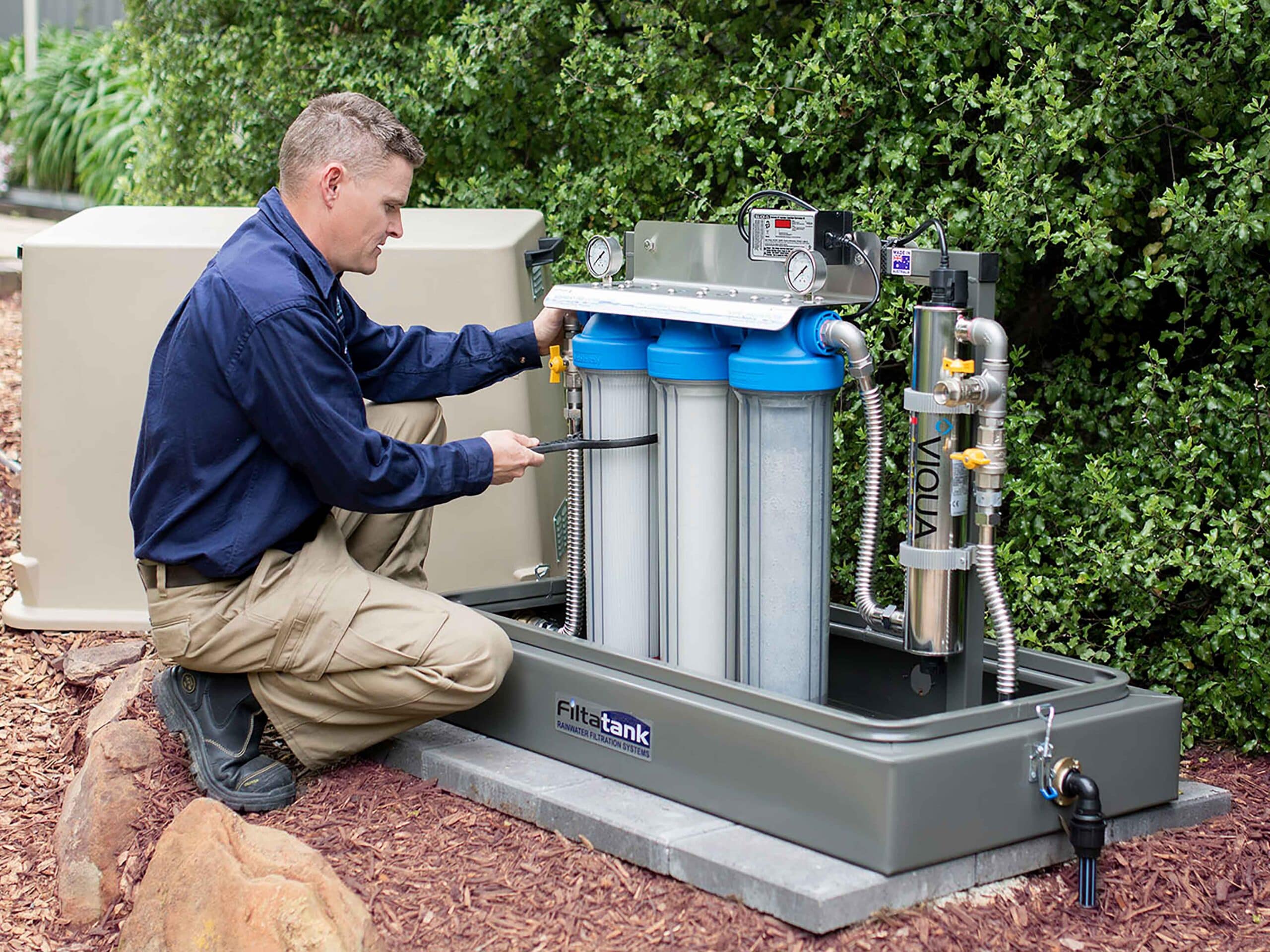
Traditional water filtration methods often rely on chemicals like chlorine to disinfect water. However, UV (ultraviolet) water filters offer a cleaner, more environmentally friendly alternative. These systems use UV light to neutralize bacteria, viruses, and other microorganisms in your water supply, rendering them harmless without adding any chemicals. This is particularly beneficial for homeowners sensitive to chlorine or seeking a more natural solution.
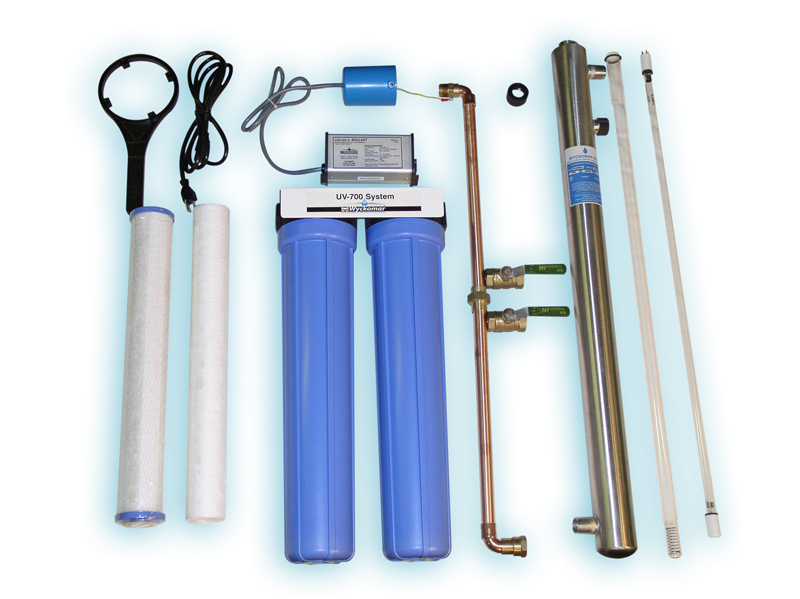
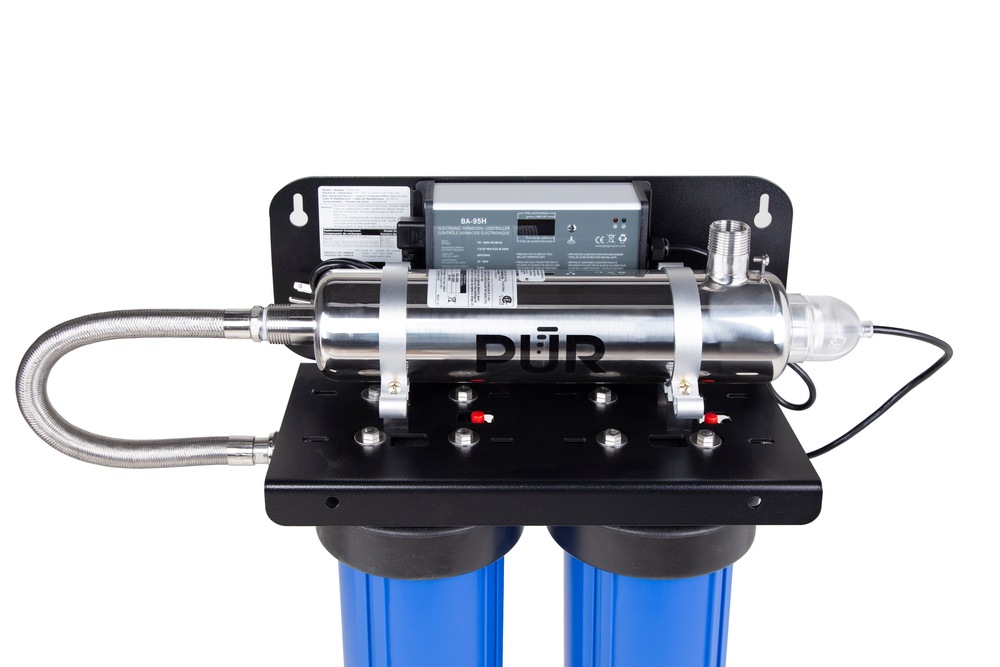
The core principle is simple: water flows through a chamber containing a UV lamp. The UV light disrupts the DNA of microorganisms, preventing them from reproducing and effectively sterilizing the water. This process doesn't change the taste or odor of the water and is incredibly effective against a wide range of contaminants.
The Energy Savings Connection: Beyond Drinking Water
How does a water filter save energy? The connection might not be immediately obvious, but it's significant. Consider these factors:
- Reduced Scale Buildup: Hard water, rich in minerals like calcium and magnesium, leads to scale buildup in pipes, water heaters, and appliances. This scale acts as an insulator, forcing your water heater to work harder and consume more energy to achieve the same temperature. A whole house water filter, particularly when combined with a water softener, can mitigate scale buildup, improving the efficiency of your water heating system. According to the U.S. Department of Energy, scale buildup can reduce water heater efficiency by as much as 22-30%.
- Improved Appliance Lifespan: Scale and sediment also damage appliances like washing machines, dishwashers, and coffee makers, leading to premature failure. Replacing these appliances consumes energy and resources. By protecting your appliances with filtered water, you extend their lifespan and avoid unnecessary replacements.
- Optimized Water Heater Performance: Clean water heats more efficiently. A water heater free from sediment and scale operates at its peak efficiency, reducing energy consumption and saving you money on your utility bills. Regular flushing of your water heater is still recommended, but filtered water significantly reduces the frequency and intensity of required maintenance.
UV Filters vs. Other Filtration Methods: An Energy Efficiency Comparison
While various water filtration methods exist, UV filters stand out for their energy-efficient operation. Unlike reverse osmosis systems, which require electricity to pressurize water through a membrane, UV filters consume minimal energy. A typical UV whole house water filter uses about the same amount of electricity as a low-wattage light bulb – often less than 60 watts. This translates to a negligible impact on your energy bill while providing comprehensive water disinfection.
Compared to distillation, which boils water to separate impurities, UV filtration is significantly more energy-efficient. Distillation is a highly energy-intensive process, making it unsuitable for whole house applications from an energy consumption standpoint.
Integration with Smart Home Systems and Smart Thermostats
The modern home is increasingly interconnected, and smart home systems offer unprecedented control over energy consumption. Integrating a UV whole house water filter with your smart home ecosystem allows for enhanced monitoring and optimization.
- Smart Water Monitoring: Some advanced UV filter systems come equipped with sensors that monitor water quality and UV lamp performance. These sensors can send alerts to your smartphone or smart home hub if the lamp needs replacement or if water quality deviates from acceptable levels. This proactive monitoring ensures continuous protection and optimal performance.
- Automated Maintenance Reminders: Integrate your water filter system with your smart calendar to receive automated reminders for routine maintenance tasks, such as lamp replacement or filter changes. This helps you maintain the system's efficiency and prolong its lifespan.
- Energy Consumption Tracking: Monitor the energy consumption of your UV filter system through your smart home energy dashboard. While the energy consumption is minimal, tracking it allows you to gain a comprehensive understanding of your overall energy usage.
- Smart Thermostat Integration: While direct integration between a UV water filter and a smart thermostat might not be common, the benefits of having both working in tandem are significant. For example, if your water heater is operating inefficiently due to scale buildup (even after UV filtration), your smart thermostat can provide insights into increased energy usage, prompting you to investigate and address the underlying water quality issue.
ROI and Rebates: Quantifying the Benefits
The initial investment in a UV whole house water filter can seem daunting, but the long-term benefits and potential cost savings often justify the expense. Here's how to calculate the ROI:
- Calculate Potential Energy Savings: Estimate the potential energy savings from reduced scale buildup in your water heater and appliances. Consider the U.S. Department of Energy figures on scale buildup impact (up to 30% efficiency loss). If your annual water heating costs are $500, a 20% reduction in energy consumption translates to $100 in annual savings.
- Factor in Appliance Lifespan Extension: Estimate the cost savings from extending the lifespan of your appliances. If a washing machine costs $800 and typically lasts 8 years, extending its lifespan by 2 years saves you $100 per year.
- Consider Reduced Plumbing Repairs: Clean water reduces the risk of pipe corrosion and leaks, minimizing plumbing repair costs.
- Subtract Maintenance Costs: Factor in the cost of replacement UV lamps and pre-filters. UV lamps typically last 9,000 hours, or about one year of continuous use.
Many municipalities and utility companies offer rebates for energy-efficient upgrades, including water filtration systems. Check with your local utility company and government agencies to see if any rebates are available in your area. Energy Star is a great resource to start.
Choosing the Right UV Whole House Water Filter: Key Considerations
Selecting the right UV whole house water filter depends on your specific needs and water quality. Consider these factors:
- Flow Rate: Determine the peak flow rate of your household water usage. The filter should be able to handle your maximum water demand without significantly reducing water pressure.
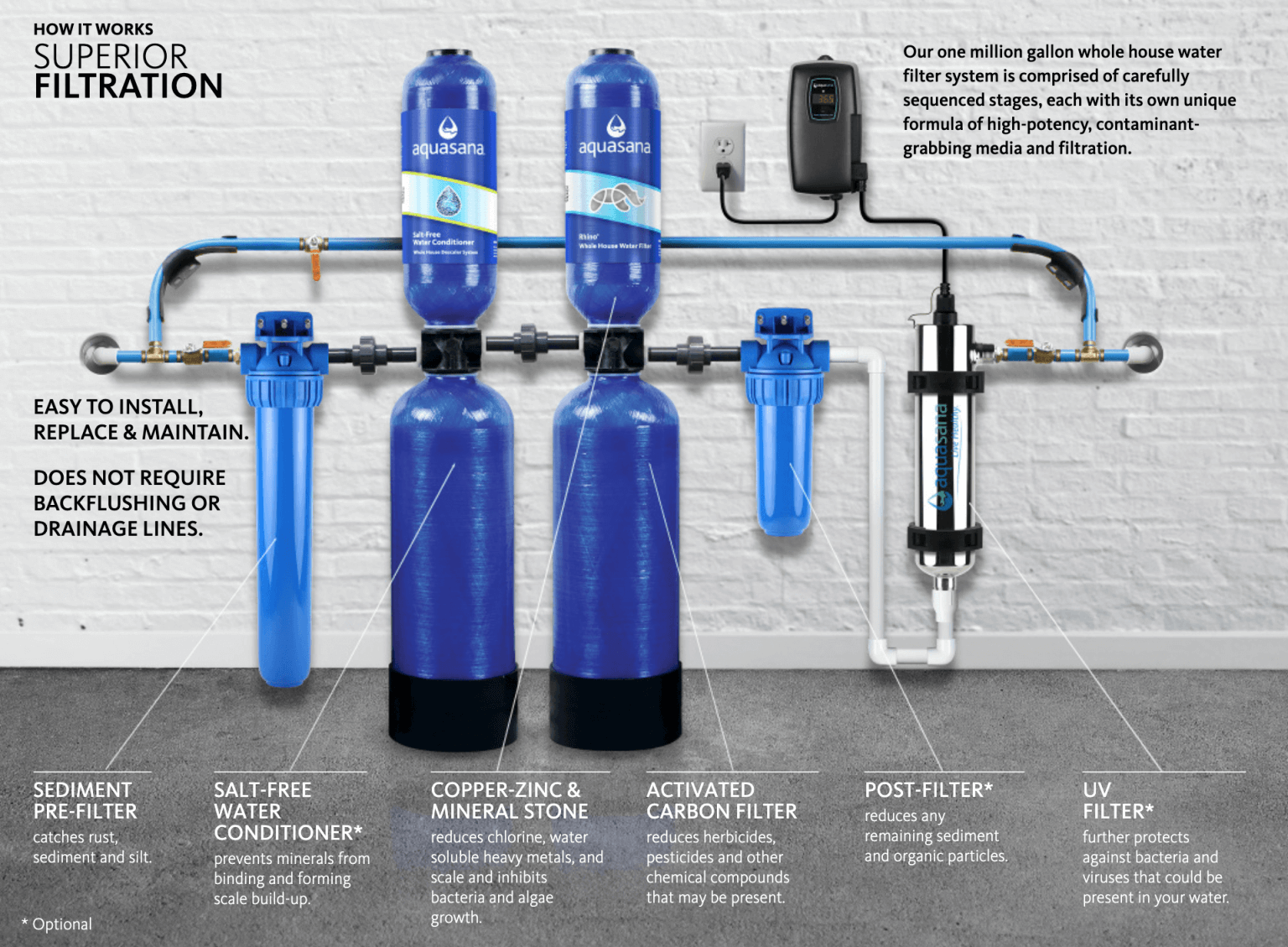
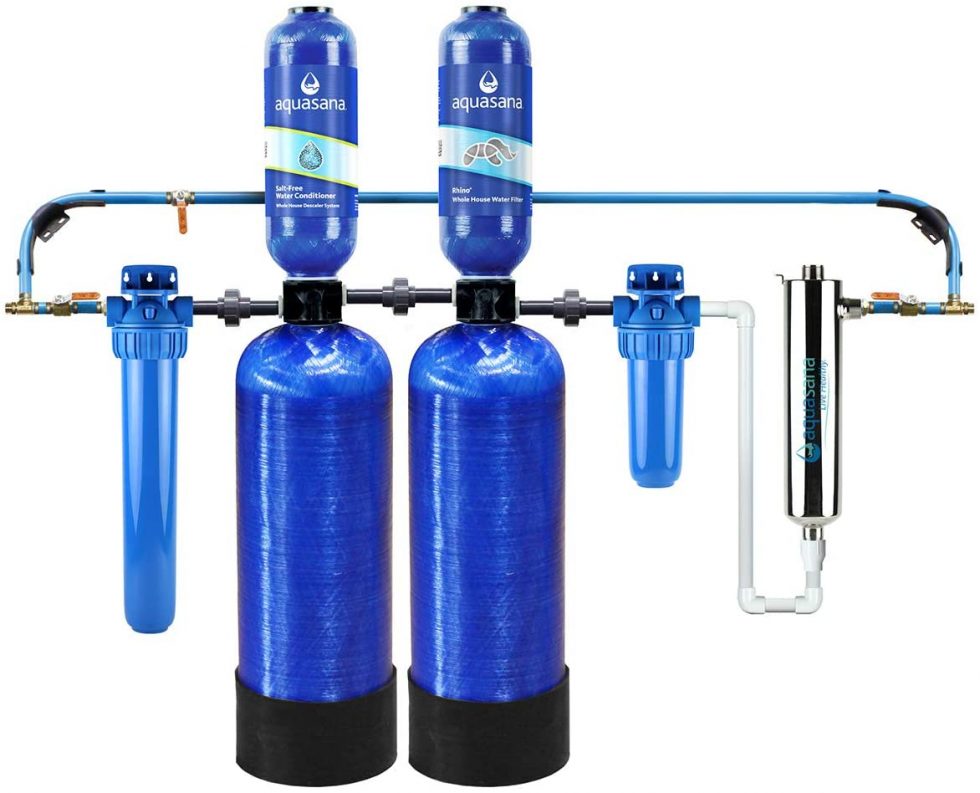
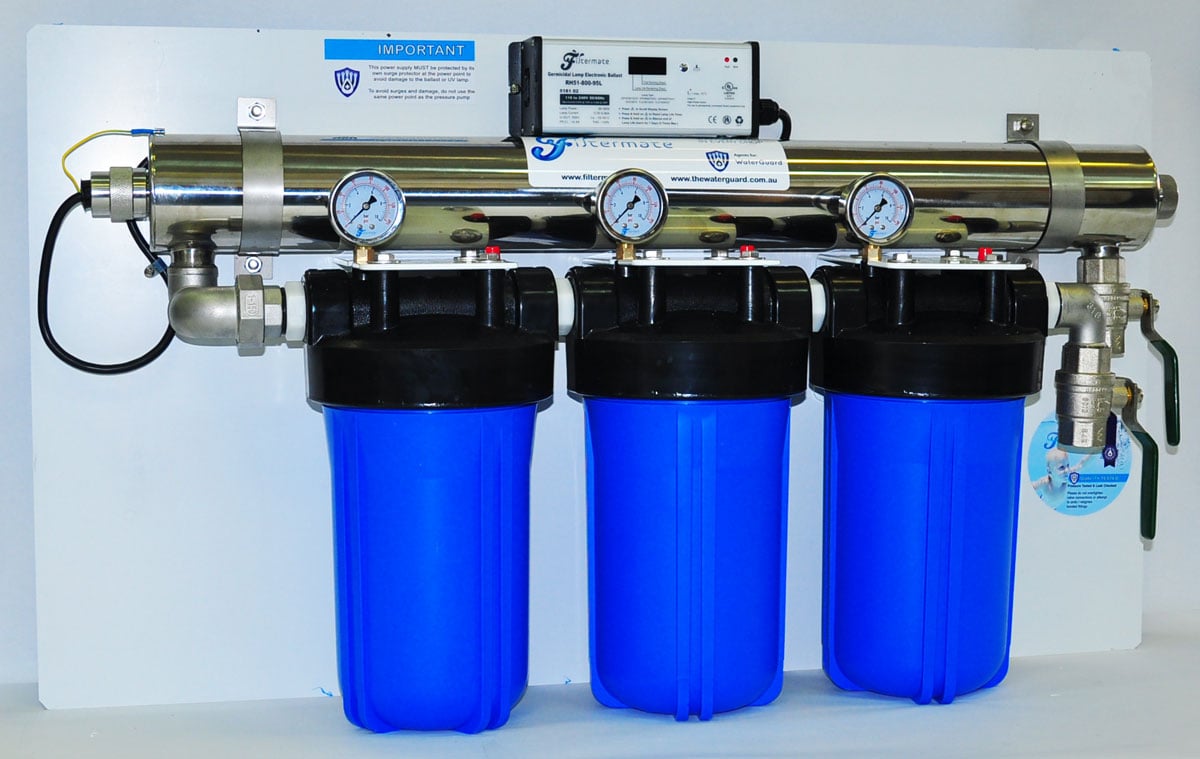
- Pre-Filtration: Most UV systems require pre-filtration to remove sediment and debris. Choose a system with appropriate pre-filters to protect the UV lamp and ensure optimal performance. Sediment filters, carbon filters, and other specialty filters may be necessary depending on your water source.
- UV Lamp Wattage and Lifespan: Higher wattage UV lamps provide more effective disinfection. Check the lamp's lifespan and replacement cost.
- System Certifications: Look for systems certified by organizations like NSF International or the Water Quality Association (WQA). These certifications ensure that the system meets industry standards for performance and safety.
- Installation and Maintenance: Consider the ease of installation and maintenance. Some systems require professional installation, while others can be installed by a homeowner.
Installation and Maintenance Tips
Proper installation and maintenance are crucial for optimal performance and longevity. Follow these tips:
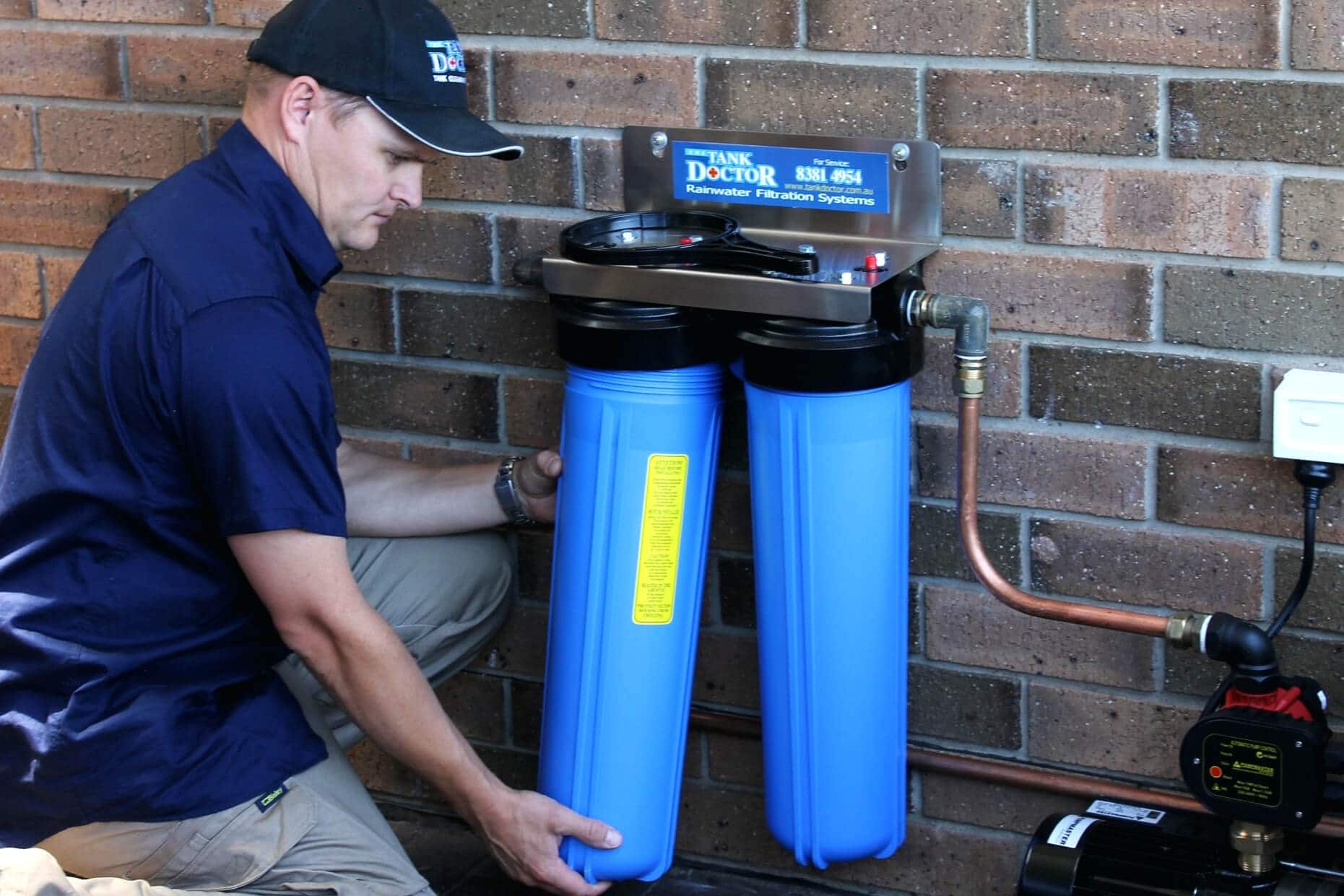
- Professional Installation: While DIY installation is possible, professional installation ensures proper placement and connection to your plumbing system.
- Regular Lamp Replacement: Replace the UV lamp according to the manufacturer's recommendations, typically every 9,000 hours or one year.
- Pre-Filter Replacement: Replace pre-filters regularly, depending on water quality. Monitor the filters for sediment buildup and replace them as needed.
- System Cleaning: Periodically clean the UV chamber to remove any mineral buildup or debris.
Conclusion: Investing in Clean Water, Saving on Energy
A UV whole house water filter is more than just a water purification device; it's an investment in your home's energy efficiency, appliance lifespan, and overall well-being. By reducing scale buildup, optimizing water heater performance, and integrating with smart home systems, UV filters offer a path to lower energy costs and a more sustainable lifestyle. As homeowners and businesses increasingly prioritize energy conservation, UV whole house water filters are poised to become an essential component of a smart and efficient water management strategy. By understanding the technology, calculating the ROI, and choosing the right system for your needs, you can unlock the full potential of clean water and significant energy savings.