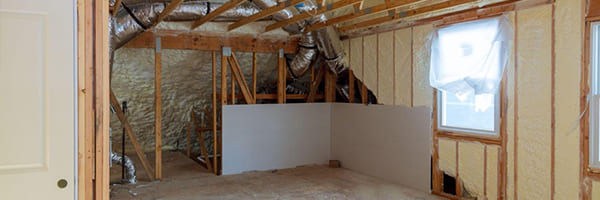
Best Wall Insulation For Hot Climates

Choosing the right wall insulation is crucial for maintaining a comfortable and energy-efficient home, especially in hot climates. Effective insulation acts as a barrier against the scorching heat, reducing your reliance on air conditioning and lowering energy bills. This guide will walk you through the best wall insulation options for hot climates, explaining their benefits, drawbacks, and key considerations.
Understanding the Basics of Insulation
Insulation works by slowing down the transfer of heat. In the summer, it prevents heat from entering your home. In the winter, it prevents heat from escaping. This ability to resist heat flow is measured by an R-value. The higher the R-value, the better the insulation's performance.
Think of it like this: Imagine wearing a thick coat in winter. The coat (insulation) traps your body heat, keeping you warm. Similarly, insulation in your walls traps cool air inside your home in the summer, keeping it cooler.
However, R-value isn't the only factor. Other considerations include:
- Climate: Hot climates require insulation with high R-values to combat intense heat.
- Wall construction: The type of wall (e.g., wood frame, brick, concrete) influences the best insulation choices.
- Budget: Different insulation types come with varying costs.
- Installation: Some insulation is easier to install than others.
- Moisture resistance: Insulation should be resistant to moisture to prevent mold growth and maintain its effectiveness.
Best Insulation Types for Hot Climates
Here are some of the most effective insulation options for walls in hot climates, along with their pros and cons:
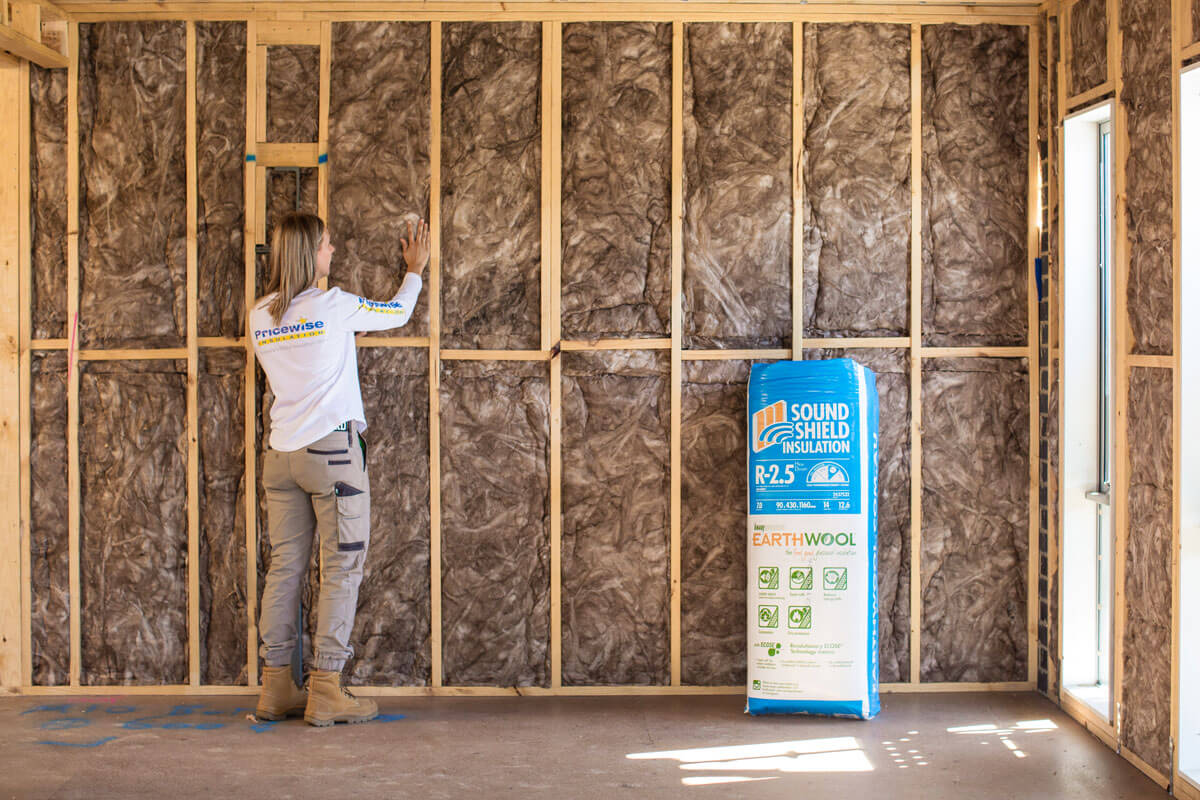
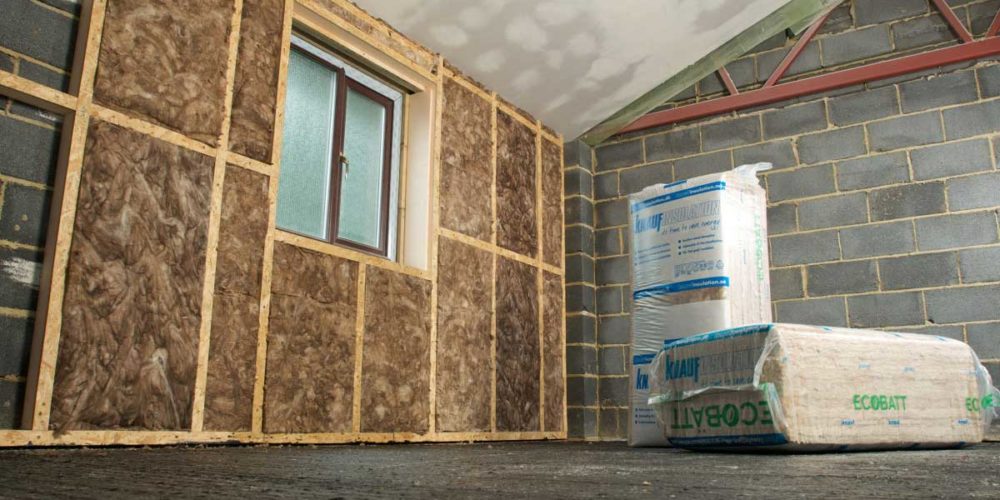
1. Fiberglass Insulation
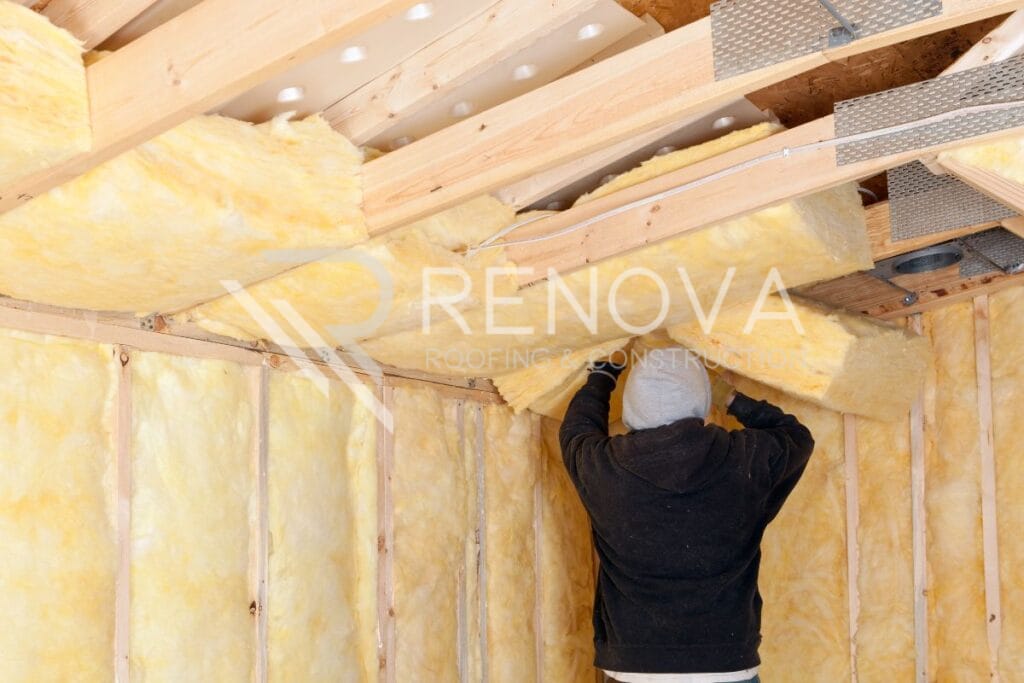
What it is: Fiberglass is the most common type of insulation. It's made from spun glass fibers and is available in batts, rolls, and loose-fill forms.
Pros:
- Cost-effective: Fiberglass is generally the least expensive insulation option.
- Easy to install: Batts and rolls are relatively easy to install, especially for DIYers.
- Widely available: You can find fiberglass insulation at most home improvement stores.
Cons:
- Lower R-value per inch: Compared to other options, fiberglass has a lower R-value per inch. This means you need more of it to achieve the same level of insulation.
- Can settle over time: Loose-fill fiberglass can settle over time, reducing its effectiveness.
- Irritant: Handling fiberglass can irritate the skin, eyes, and respiratory system. Always wear protective gear during installation.
- Moisture absorption: Fiberglass can absorb moisture, which reduces its R-value and can lead to mold growth.
Best for: Budget-conscious homeowners who need a basic level of insulation and are willing to address potential moisture issues.
2. Cellulose Insulation
What it is: Cellulose is made from recycled paper products, such as newspapers and cardboard. It's available in loose-fill and dense-pack forms.
Pros:
- Eco-friendly: Made from recycled materials.
- Good R-value: Offers a higher R-value per inch than fiberglass.
- Fire resistant: Treated with fire retardants.
- Pest resistant: Borate treatments deter insects and rodents.
Cons:
- Can settle over time: Loose-fill cellulose can settle, reducing its effectiveness. Dense-pack is less prone to settling.
- Moisture absorption: Like fiberglass, cellulose can absorb moisture.
- Installation requires specialized equipment: Dense-pack cellulose requires professional installation.
Best for: Environmentally conscious homeowners who want a good balance of performance and cost. Dense-pack cellulose is recommended for optimal performance.
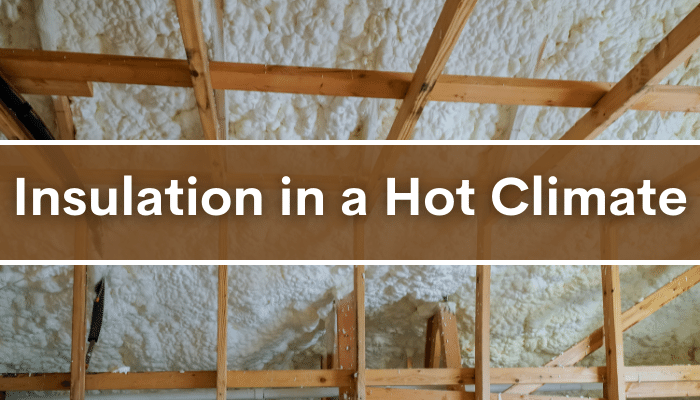
3. Spray Foam Insulation
What it is: Spray foam is a liquid plastic that expands into a foam when sprayed. It comes in two main types: open-cell and closed-cell.
Pros:
- Excellent air sealing: Spray foam creates an airtight seal, preventing air leaks and drafts. This is crucial in hot climates for maintaining a consistent temperature.
- High R-value: Closed-cell spray foam has the highest R-value per inch of any insulation material.
- Moisture resistant (closed-cell): Closed-cell spray foam is highly resistant to moisture.
- Adds structural integrity: Spray foam can add strength to walls.
Cons:
- Expensive: Spray foam is the most expensive insulation option.
- Professional installation required: Installation requires specialized equipment and expertise.
- Off-gassing: Some spray foams can release volatile organic compounds (VOCs) during installation. Choose low-VOC options.
Open-cell vs. Closed-cell:
- Open-cell: Less expensive, lower R-value, allows moisture to pass through. Best for interior walls.
- Closed-cell: More expensive, higher R-value, moisture resistant. Best for exterior walls in hot climates.
Best for: Homeowners who prioritize energy efficiency and are willing to invest in a high-performance insulation solution. Closed-cell spray foam is the ideal choice for hot climates.
4. Rigid Foam Board Insulation
What it is: Rigid foam boards are made from polystyrene (EPS or XPS) or polyisocyanurate (polyiso). They are available in various thicknesses and sizes.
Pros:
- High R-value: Polyiso offers the highest R-value per inch among rigid foam boards.
- Moisture resistant: Resistant to moisture, especially XPS and polyiso.
- Versatile: Can be used in walls, roofs, and foundations.
Cons:
- More expensive than fiberglass: More costly than fiberglass but often less expensive than spray foam.
- Requires careful installation: Seams must be properly sealed to prevent air leaks.
- Flammable: Some rigid foam boards are flammable and require a fire-resistant covering.
Types of Rigid Foam Boards:
- EPS (Expanded Polystyrene): Least expensive, lower R-value, less moisture resistant.
- XPS (Extruded Polystyrene): Higher R-value than EPS, more moisture resistant.
- Polyiso (Polyisocyanurate): Highest R-value, most moisture resistant, but more expensive.
Best for: Homeowners who want a high R-value and good moisture resistance. Polyiso is an excellent choice for hot climates, but XPS is a good alternative if budget is a concern.
5. Insulated Concrete Forms (ICFs)
What it is: ICFs are interlocking hollow blocks made of expanded polystyrene (EPS) that are filled with concrete. They provide both structural support and insulation.
Pros:
- Excellent insulation: ICFs provide continuous insulation with a high R-value.
- Strong and durable: Concrete walls are very strong and durable.
- Energy efficient: ICF homes are very energy efficient.
- Soundproof: Concrete walls provide excellent sound insulation.
Cons:
- Expensive: ICF construction is more expensive than traditional wood-frame construction.
- Requires specialized skills: ICF construction requires specialized skills and knowledge.
Best for: New construction or major renovations where homeowners are willing to invest in a high-performance, energy-efficient building system.
Key Considerations for Hot Climates
When choosing wall insulation for a hot climate, keep the following factors in mind:
- R-value: Aim for the highest R-value that your budget allows. Check local building codes for minimum R-value requirements.
- Air sealing: Air leaks are a major source of energy loss. Choose insulation that provides good air sealing or combine insulation with air sealing techniques, such as caulk and weather stripping.
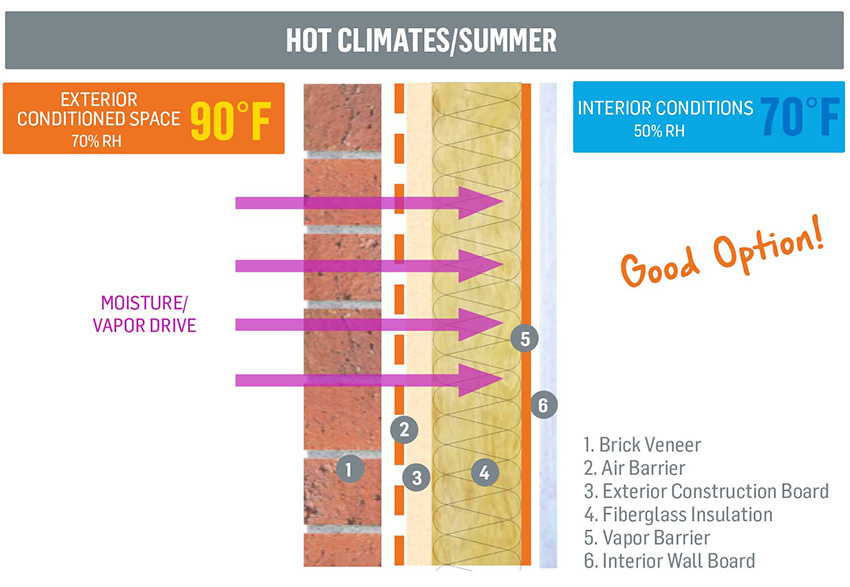
- Moisture control: Hot climates can be humid, so choose insulation that is resistant to moisture or install a vapor barrier to prevent moisture from accumulating in the walls.
- Ventilation: Proper ventilation is essential for preventing moisture buildup and maintaining indoor air quality. Consider installing a whole-house ventilation system.
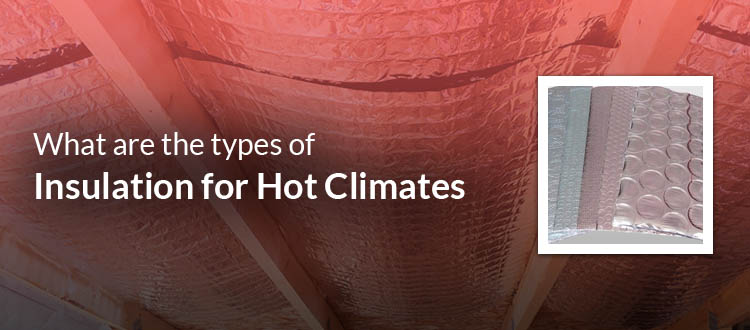
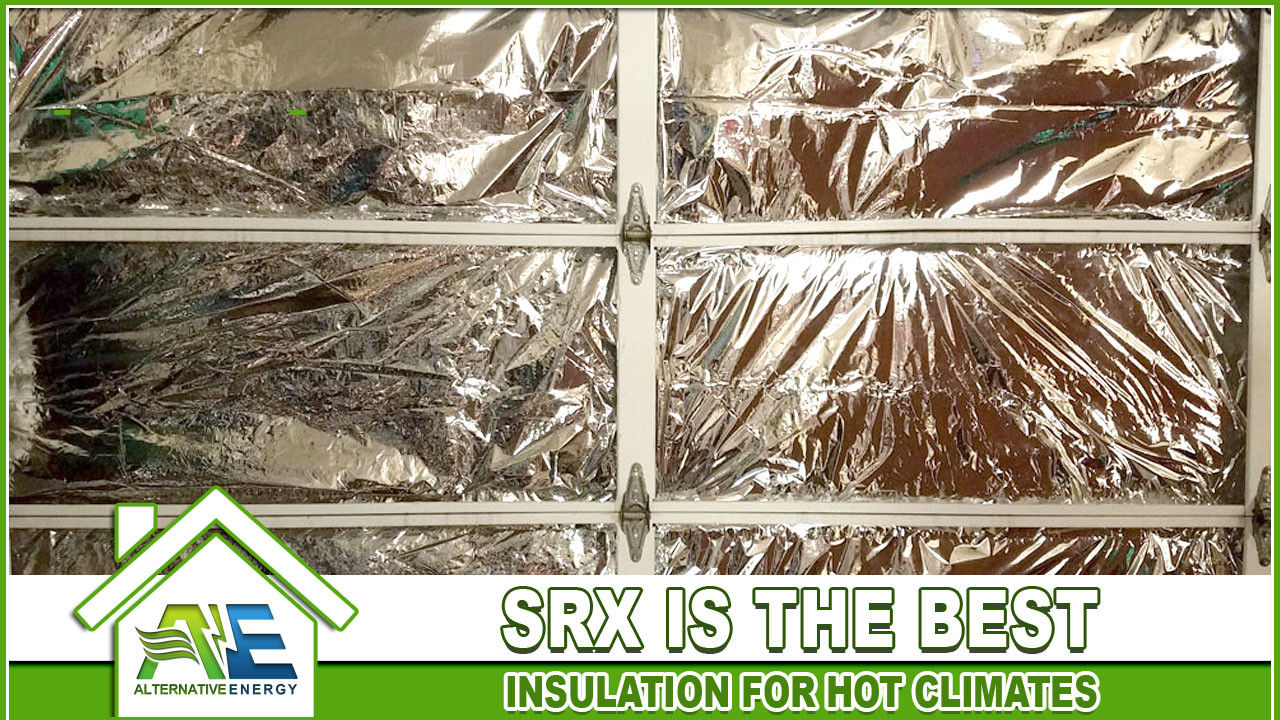
- Reflective Insulation: Reflective insulation, like radiant barriers, reflects radiant heat away from your home. It is effective when there is an air space in front of the reflective surface. These can be particularly useful in attics.
Installation Tips
Proper installation is critical for insulation to perform effectively. Here are some tips:
- Follow manufacturer's instructions: Always follow the manufacturer's instructions for installation.
- Fill all gaps and cracks: Make sure to fill all gaps and cracks to prevent air leaks.
- Avoid compressing insulation: Compressing insulation reduces its R-value.
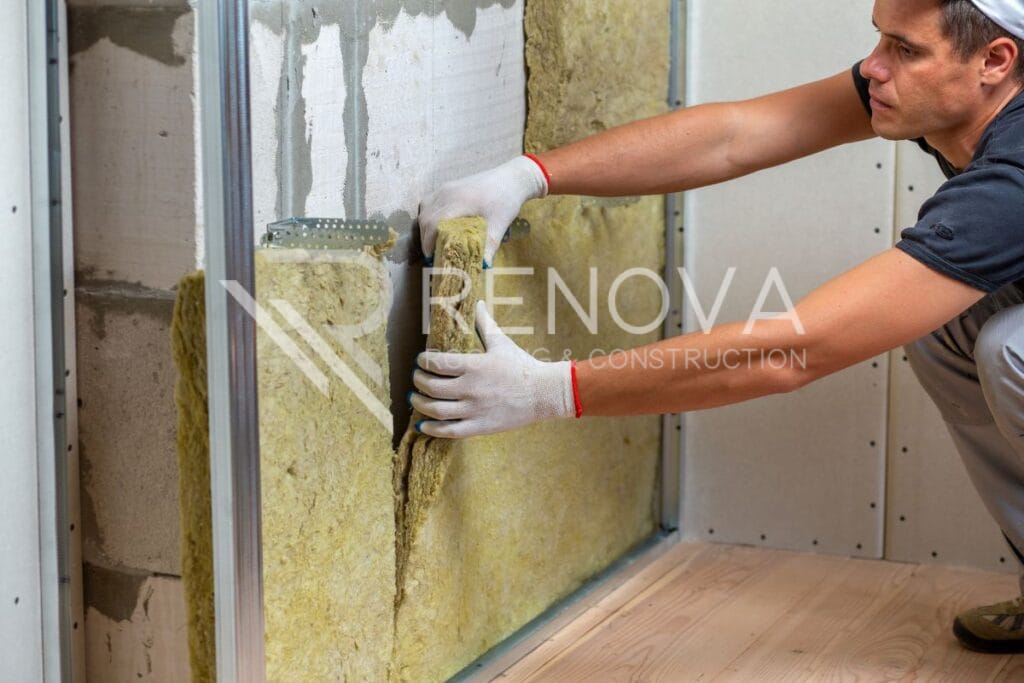
- Wear protective gear: Wear gloves, a mask, and eye protection when handling insulation.
- Consider professional installation: For complex installations or specialized insulation types like spray foam, consider hiring a professional installer.
Making the Right Choice
Choosing the best wall insulation for your hot climate home requires careful consideration of your budget, climate, wall construction, and personal preferences. By understanding the different insulation options and their pros and cons, you can make an informed decision that will improve your home's energy efficiency and comfort.
Ultimately, the best approach might involve combining different insulation types to maximize performance and cost-effectiveness. For example, you could use rigid foam board on the exterior walls for high R-value and moisture resistance, and then fill the stud cavities with fiberglass or cellulose for added insulation.
Remember to consult with a qualified insulation contractor or energy auditor to determine the best insulation strategy for your specific needs and location.