Best Wall Mounted Air Conditioner Without Outdoor Unit

For homeowners, HVAC technicians, and facility managers seeking efficient and space-saving climate control, the appeal of a wall-mounted air conditioner without an outdoor unit is undeniable. These self-contained systems offer a compelling alternative to traditional split systems, particularly in situations where external condenser placement is impractical or aesthetically undesirable. This article delves into the specifics of these units, exploring their benefits, limitations, key features, and factors to consider when choosing the best option for your needs.
Understanding Wall-Mounted Air Conditioners Without Outdoor Units
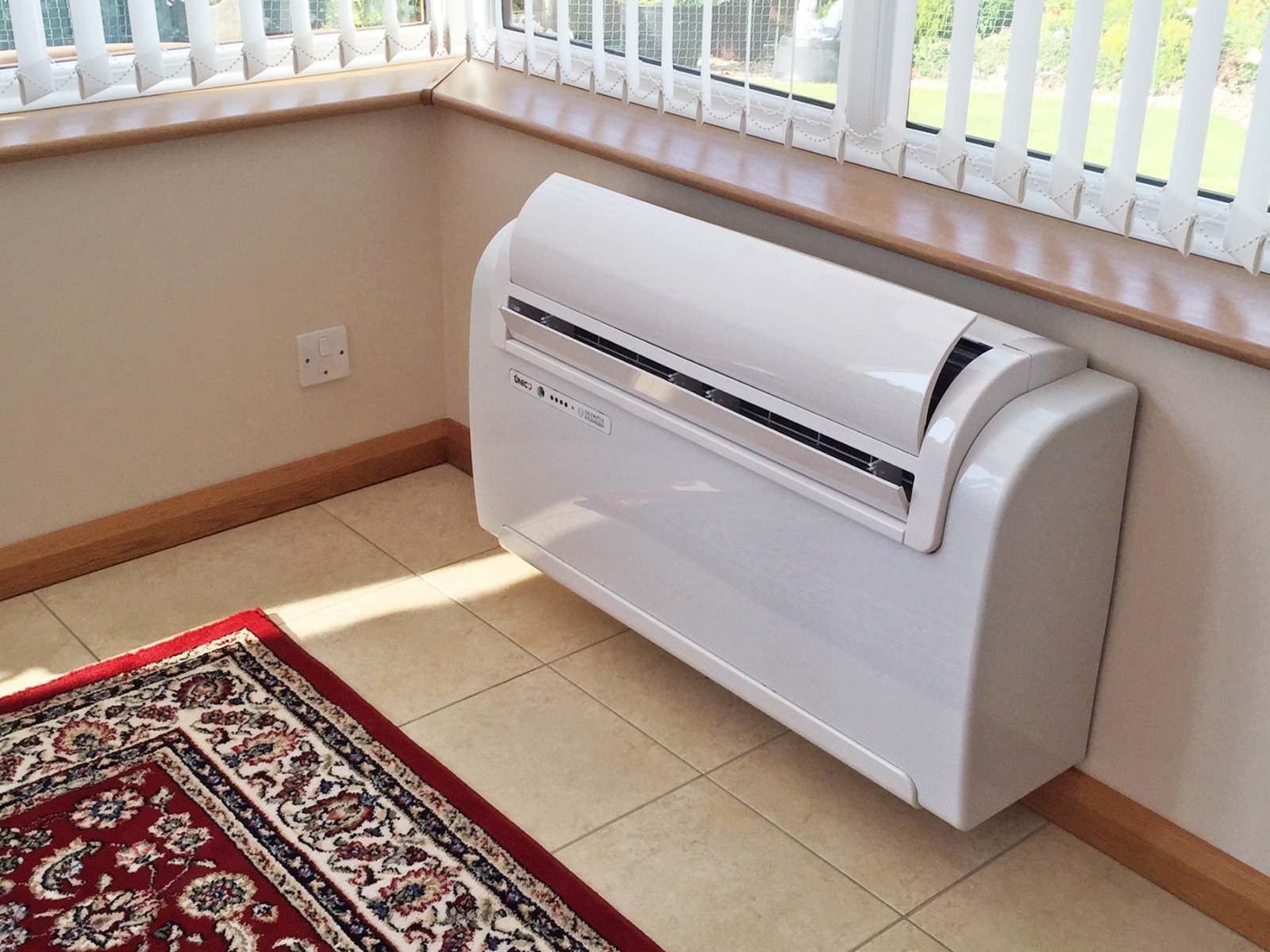
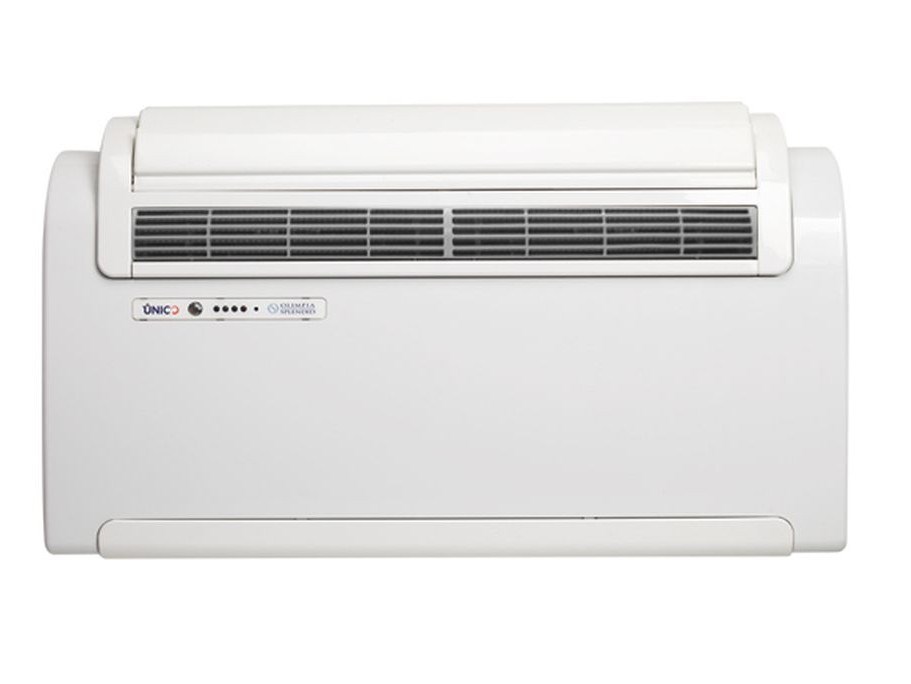
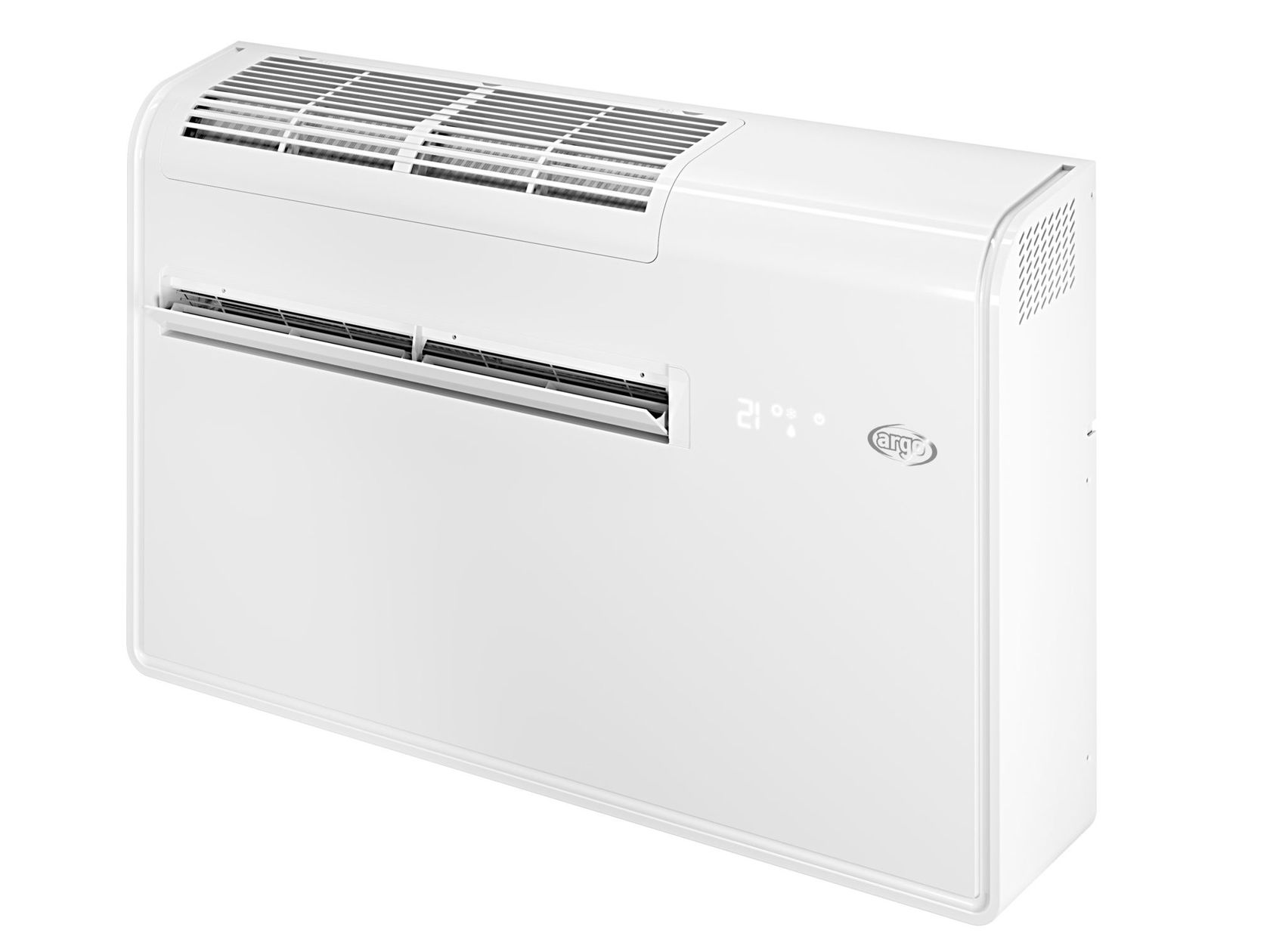
Unlike conventional split systems, which consist of an indoor air handler and an outdoor condenser connected by refrigerant lines, these units are monobloc systems. All components – compressor, condenser, expansion valve, and evaporator – are housed within a single chassis mounted on an exterior wall. This eliminates the need for complex refrigerant piping and external hardware, simplifying installation and minimizing visual impact.
Key Benefits
* Space Saving: Eliminating the outdoor unit frees up valuable space, making these systems ideal for apartments, condominiums, historic buildings, and properties with limited external areas. * Simplified Installation: Installation typically involves creating two core holes through the wall for air intake and exhaust. This straightforward process reduces installation time and labor costs compared to split systems. * Aesthetic Appeal: With no unsightly outdoor unit, the external appearance of the building remains undisturbed. These units are designed to blend seamlessly with the building's facade. * Reduced Refrigerant Leaks: As a single, sealed unit, the risk of refrigerant leaks associated with connecting lines is minimized. This is good for the environment and maintains the efficiency of the system. * Lower Installation Costs: Because of the reduced complexity, the installation cost is generally lower when compared to traditional split air conditioning systems.Limitations
* Noise Levels: Because the compressor is located inside the living space, noise levels can be slightly higher compared to split systems where the compressor is located outside. However, manufacturers are continuously improving noise reduction technologies. * Efficiency: While efficiency is improving, some models may not achieve the same high SEER (Seasonal Energy Efficiency Ratio) ratings as the most efficient split systems. However, this gap is narrowing, especially with inverter-driven models. * Wall Thickness: These units require a certain wall thickness to accommodate the intake and exhaust vents. Ensure your wall meets the minimum requirements specified by the manufacturer. * Placement Restrictions: Unit placement is restricted to exterior walls. * Ventilation Requirements: Proper ventilation and airflow around the unit are essential for optimal performance.Choosing the Right Wall-Mounted Air Conditioner
Selecting the appropriate unit requires careful consideration of several factors:
Cooling Capacity (BTU)
Determine the required cooling capacity based on the room size, insulation, window area, and occupancy. A general rule of thumb is 20 BTU per square foot, but this can vary depending on the specific conditions of the space. Consulting with an HVAC professional for a load calculation is always recommended to ensure accurate sizing. An undersized unit will struggle to cool the space effectively, while an oversized unit can lead to short cycling and reduced efficiency.
Energy Efficiency (SEER and EER)
Look for models with high SEER (Seasonal Energy Efficiency Ratio) and EER (Energy Efficiency Ratio) ratings. SEER measures the overall cooling efficiency over an entire cooling season, while EER measures efficiency at a specific operating point. Higher ratings translate to lower energy consumption and reduced operating costs. Energy Star certified models meet stringent energy efficiency standards.
Noise Level (Decibels)
Pay attention to the noise level rating (measured in decibels, dB). Opt for models with lower dB ratings, especially if the unit will be installed in a bedroom or living room. Inverter-driven models often offer quieter operation due to their variable-speed compressors. Some manufacturers also incorporate sound dampening technologies to further reduce noise levels.
Features
Consider features such as:
* Inverter Technology: Inverter-driven compressors offer variable-speed operation, adjusting the cooling output to match the actual demand. This results in more consistent temperatures, improved energy efficiency, and quieter operation. * Remote Control: A remote control allows for convenient temperature adjustment and control of other functions such as fan speed and timer settings. * Programmable Timer: A programmable timer enables you to schedule the unit to turn on and off automatically, optimizing energy consumption and ensuring comfort when needed. * Sleep Mode: Sleep mode gradually increases the temperature overnight, promoting energy savings and enhancing sleep comfort. * Air Filtration: High-quality air filters remove dust, pollen, and other allergens from the air, improving indoor air quality. Look for models with washable or replaceable filters. * Dehumidification: Dehumidification mode removes excess moisture from the air, creating a more comfortable indoor environment, especially in humid climates. * Heating Function: Some models offer a heating function, providing year-round comfort. These are essentially heat pumps contained within the same monobloc design.Installation Requirements
Ensure that the chosen unit is compatible with your wall thickness and electrical system. Most units require a dedicated electrical circuit. Proper installation is crucial for optimal performance and safety. It is recommended to hire a qualified HVAC technician for installation.
Brand Reputation and Warranty
Choose a reputable brand with a proven track record of reliability and customer service. Check the warranty terms and conditions to ensure adequate coverage for parts and labor. Reading online reviews and seeking recommendations from other homeowners or HVAC professionals can provide valuable insights.
Cost Considerations
The initial cost of a wall-mounted air conditioner without an outdoor unit can vary depending on the cooling capacity, energy efficiency, features, and brand. While the upfront cost may be higher than some window units, the simplified installation and potential energy savings can offset the difference over time. Factor in the cost of installation, which can range from a few hundred dollars to over a thousand, depending on the complexity of the job. Obtaining quotes from multiple HVAC contractors is recommended to ensure a competitive price.
Long-Term Operating Costs
The long-term operating costs will primarily depend on the unit's energy efficiency and your usage patterns. A higher SEER rating will result in lower energy consumption and reduced electricity bills. Proper maintenance, such as regular filter cleaning or replacement, is essential for maintaining optimal efficiency. Consider investing in a smart thermostat to further optimize energy consumption and reduce operating costs. You should also have the unit professionally inspected annually to maintain performance and maximize lifespan.
Maintenance Tips
Proper maintenance is essential for prolonging the lifespan and maintaining the efficiency of your wall-mounted air conditioner.
* Regular Filter Cleaning or Replacement: Clean or replace the air filter every month or two, depending on usage and air quality. A dirty filter restricts airflow, reducing efficiency and potentially damaging the unit. * Cleaning the Unit Exterior: Wipe down the exterior of the unit with a damp cloth to remove dust and dirt. * Checking for Leaks: Periodically inspect the unit for any signs of leaks or damage. * Professional Maintenance: Schedule a professional maintenance checkup at least once a year. A qualified HVAC technician can inspect the unit, clean the coils, and check for any potential problems.Real-World Examples
Consider a homeowner in a historic brownstone building in Boston where external modifications are heavily restricted. A wall-mounted air conditioner without an outdoor unit provides a cooling solution without altering the building's facade or requiring special permits. Another example is a small apartment in a densely populated city like New York City where space is at a premium. These units allow for air conditioning without sacrificing valuable balcony or patio space.
Facility managers responsible for maintaining large commercial buildings, such as hotels or office complexes, can also benefit from these systems. The simplified installation and reduced maintenance requirements can translate into significant cost savings over time.
Conclusion
Wall-mounted air conditioners without outdoor units offer a compelling solution for a variety of cooling needs, particularly in situations where space is limited or external condenser placement is undesirable. By carefully considering the factors outlined in this article, homeowners, HVAC technicians, and facility managers can make informed decisions and select the best unit for their specific requirements. Remember to prioritize energy efficiency, noise levels, features, and installation requirements to ensure optimal performance and long-term satisfaction. Consulting with a qualified HVAC professional is always recommended to ensure proper sizing, installation, and maintenance.