Best Whole House Air Purification System
Breathe Easy, Save Big: Choosing the Best Whole House Air Purification System
Indoor air quality (IAQ) is no longer a niche concern; it’s a critical factor influencing health, comfort, and surprisingly, your energy bill. Dirty air forces your HVAC system to work harder, consuming more energy and potentially shortening its lifespan. Investing in a whole-house air purification system can significantly improve IAQ while contributing to a greener home and a lighter wallet.
Understanding Whole House Air Purification Systems
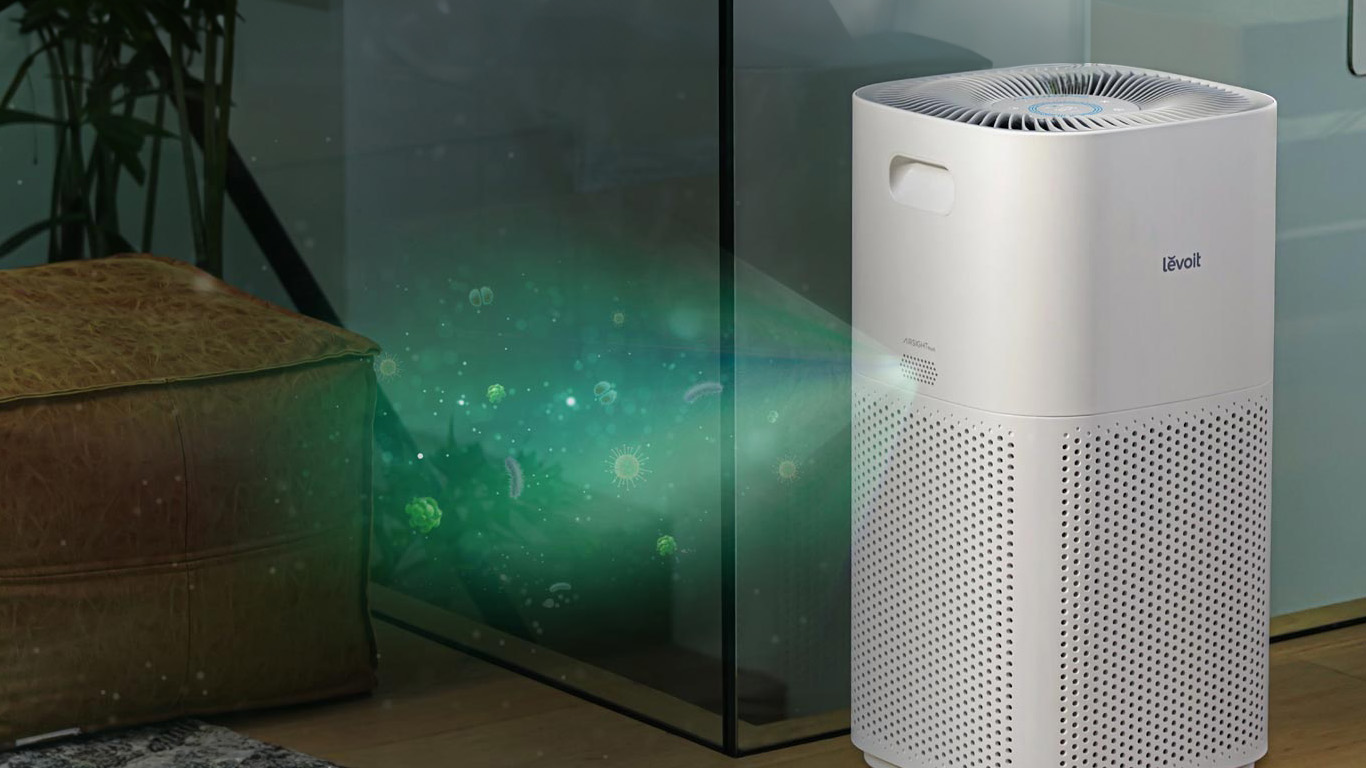
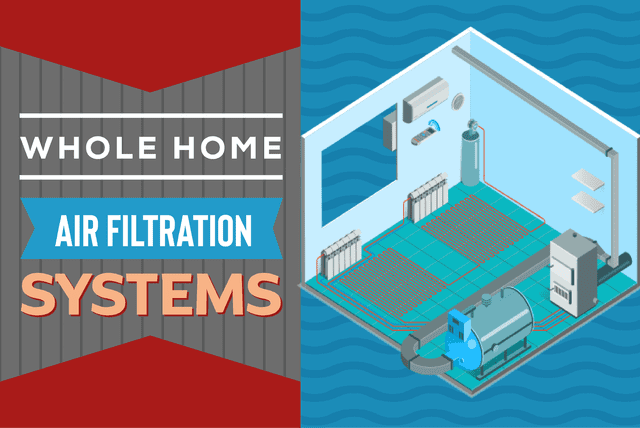
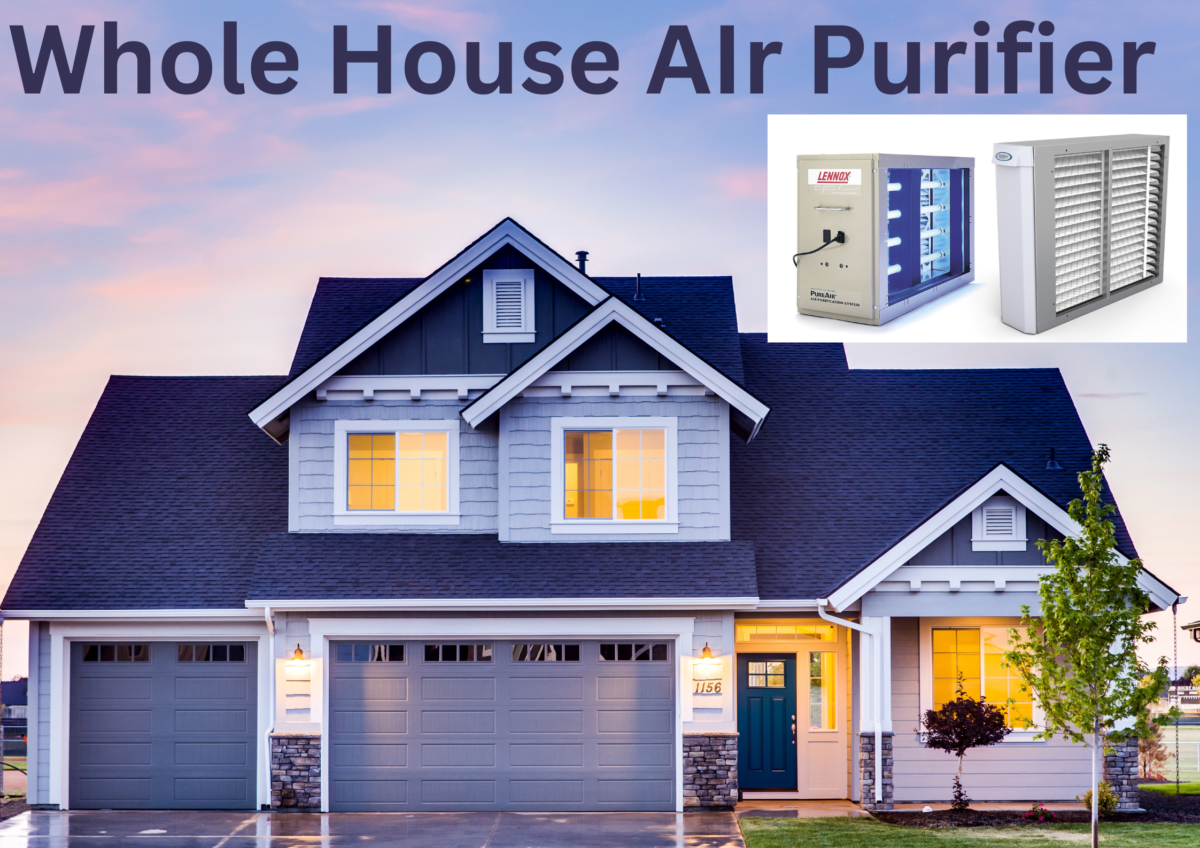
Unlike portable air purifiers that clean the air in a single room, whole-house systems integrate directly into your home's existing HVAC ductwork. This allows them to treat the air circulating throughout your entire home, offering a comprehensive solution for improving IAQ. They come in various technologies, each with its own strengths and weaknesses.
Types of Whole-House Air Purifiers:
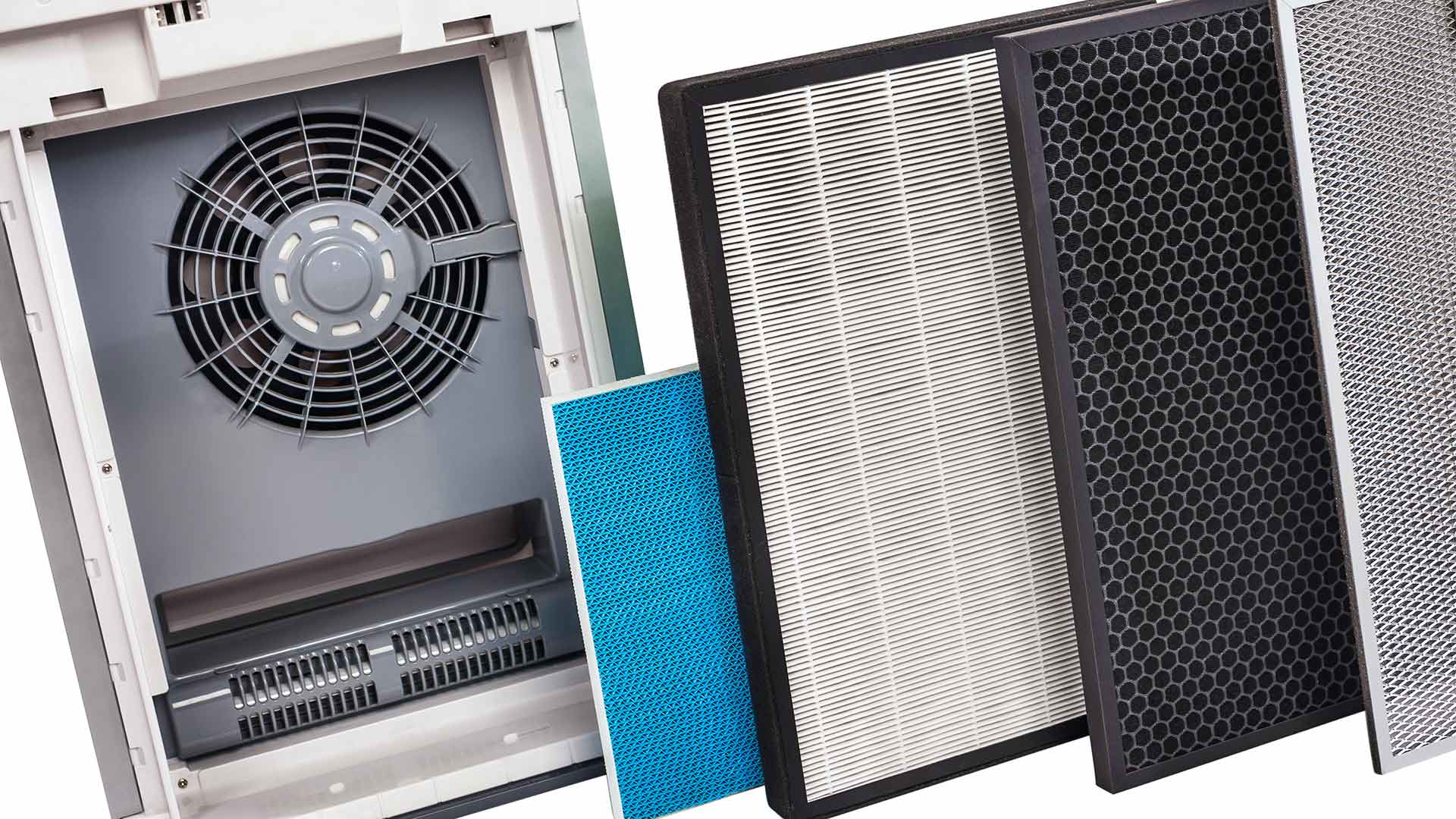
- Mechanical Filters (MERV-Rated Filters): These are the most basic type, relying on a physical barrier to trap particles. Higher MERV (Minimum Efficiency Reporting Value) ratings indicate a finer mesh and better filtration. Look for filters with a MERV rating of 11 or higher to capture smaller particles like pollen, pet dander, and dust mites. Replacing filters regularly is crucial for optimal performance.
- Electronic Air Cleaners: These purifiers use an electrical charge to attract and trap particles. There are two main types:
- Electrostatic Precipitators: Particles pass through an ionization section where they receive an electrical charge. These charged particles are then attracted to collector plates with the opposite charge. Electrostatic precipitators are effective at removing fine particles but require regular cleaning to maintain efficiency.
- Ionizers: Ionizers release negative ions into the air, which attach to particles, giving them a negative charge. These charged particles then stick to nearby surfaces or are filtered out by the HVAC system. While ionizers can be effective, some models produce ozone, a lung irritant. Choose models certified as ozone-free or with very low ozone emissions.
- UV (Ultraviolet) Air Purifiers: UV air purifiers use ultraviolet light to kill bacteria, viruses, and mold spores. They are particularly effective at targeting biological contaminants and can be a valuable addition to a home with allergy sufferers or those concerned about airborne illnesses. UV lamps need to be replaced periodically to maintain their effectiveness. UV purifiers are often used in conjunction with other filtration methods.
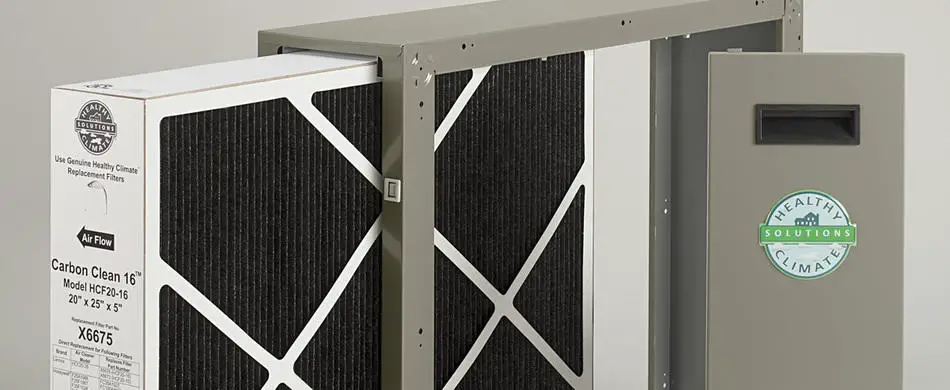
- Activated Carbon Filters: These filters use activated carbon to absorb gases, odors, and volatile organic compounds (VOCs). They are particularly useful for removing smoke, pet odors, and chemical fumes. Activated carbon filters have a limited lifespan and need to be replaced regularly.
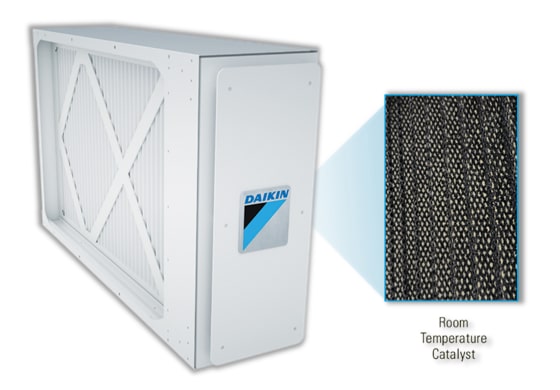
- PECO (Photo Electrochemical Oxidation) Filters: This relatively newer technology uses UV light and a catalyst to break down pollutants at a molecular level. PECO filters are effective at removing a wide range of contaminants, including VOCs, odors, and allergens. They are often more expensive than other types of air purifiers.
Energy Savings and ROI: How Clean Air Pays for Itself
Investing in a whole-house air purification system isn't just about cleaner air; it's also about saving money in the long run. Here’s how:
- Improved HVAC Efficiency: A clean air filter allows your HVAC system to operate more efficiently. When filters are clogged with dust and debris, the system has to work harder to circulate air, leading to increased energy consumption. According to the U.S. Department of Energy, regularly replacing dirty air filters can improve HVAC efficiency by 5-15%.
- Reduced Maintenance Costs: Cleaner air means less dust and debris accumulating on your HVAC components, such as the blower motor and evaporator coil. This can extend the lifespan of your system and reduce the need for costly repairs.
- Health Benefits and Reduced Healthcare Costs: Improved IAQ can reduce allergy symptoms, asthma attacks, and other respiratory problems. This can lead to fewer doctor visits, less medication, and improved overall health, resulting in significant cost savings.
- Increased Home Value: A whole-house air purification system is a desirable feature that can increase the value of your home, especially for environmentally conscious buyers.
Consider the following example: A family spends $200 per month on energy bills. A clogged air filter increases energy consumption by 10%, costing them an extra $20 per month. A whole-house air purification system that keeps the filter clean could save them $240 per year. Over several years, the savings can easily offset the initial cost of the system.
Smart HVAC Integration: The Future of Air Purification
Integrating your whole-house air purification system with a smart thermostat and other smart home devices can further enhance its effectiveness and convenience. Smart thermostats can monitor IAQ levels and automatically adjust the HVAC system to maintain optimal air quality. Some systems even allow you to remotely control the air purifier from your smartphone or tablet.
Benefits of smart HVAC integration:
- Automated Air Purification: Smart thermostats can automatically adjust the air purifier based on IAQ levels, ensuring that your home is always clean and healthy.
- Remote Control: Control your air purifier from anywhere using your smartphone or tablet.
- Energy Savings: Smart thermostats can optimize energy usage by adjusting the HVAC system based on occupancy and IAQ levels.
- Real-Time Monitoring: Track IAQ levels and energy consumption in real-time using your smartphone or tablet.
For example, if the smart thermostat detects high levels of pollen, it can automatically activate the air purifier to remove allergens from the air. Or, if you're away from home, you can use your smartphone to turn on the air purifier before you arrive, ensuring that your home is clean and fresh when you walk in the door.
Choosing the Right System: Factors to Consider
Selecting the best whole-house air purification system for your home requires careful consideration of several factors:
- Home Size and Layout: The size of your home and the layout of your ductwork will influence the size and type of air purifier you need.
- Specific Air Quality Concerns: Identify your specific air quality concerns, such as allergies, asthma, pet dander, smoke, or VOCs. This will help you choose a system that is effective at targeting those pollutants.
- Maintenance Requirements: Consider the maintenance requirements of each system, such as filter replacements and cleaning schedules.
- Cost: Whole-house air purification systems range in price from a few hundred dollars to several thousand dollars. Set a budget and choose a system that fits your needs and financial constraints.
- Ozone Emissions: If considering an ionizer, ensure it is certified as ozone-free or with very low ozone emissions.
- Energy Efficiency: Look for systems that are Energy Star certified, indicating they meet strict energy efficiency guidelines.
- Professional Installation: Many whole-house air purification systems require professional installation to ensure proper integration with your HVAC system.
Government Guidelines and Rebates
The Environmental Protection Agency (EPA) and other government agencies provide valuable resources and guidelines for improving indoor air quality. Consult these resources to learn more about the health effects of indoor air pollutants and the best strategies for reducing your exposure.
Additionally, many utility companies and government agencies offer rebates and incentives for installing energy-efficient HVAC systems and air purification systems. Check with your local utility company and the Energy Star website to see if any rebates are available in your area.
"Improving indoor air quality can have a significant impact on your health, comfort, and energy bills. By investing in a whole-house air purification system, you can create a healthier and more energy-efficient home." - *EPA Indoor Air Quality Guide*
Installation and Maintenance
While some simpler filter-based systems might be DIY-friendly, most whole-house air purification systems require professional installation by a qualified HVAC contractor. This ensures proper integration with your existing ductwork and electrical system. A professional can also assess your home's specific needs and recommend the best system for your situation.
Regular maintenance is crucial for maintaining the effectiveness of your air purification system. This typically includes:
- Filter Replacement: Replace filters regularly, as recommended by the manufacturer. The frequency of filter replacements will vary depending on the type of filter and the air quality in your home.
- Cleaning: Clean electrostatic precipitator plates or other components as needed.
- UV Lamp Replacement: Replace UV lamps periodically to maintain their effectiveness.
- Professional Inspection: Schedule regular inspections by a qualified HVAC contractor to ensure your system is operating properly.
Conclusion: A Breath of Fresh Air and a Lighter Energy Bill
Investing in a whole-house air purification system is a smart decision that can improve your health, comfort, and energy efficiency. By choosing the right system and integrating it with smart home technology, you can create a healthier and more sustainable home environment while saving money on your energy bills. Take the time to research your options, consult with a qualified HVAC contractor, and take a proactive approach to improving your indoor air quality. You'll breathe easier, and your wallet will thank you.