Big Buddy Heater Run Time

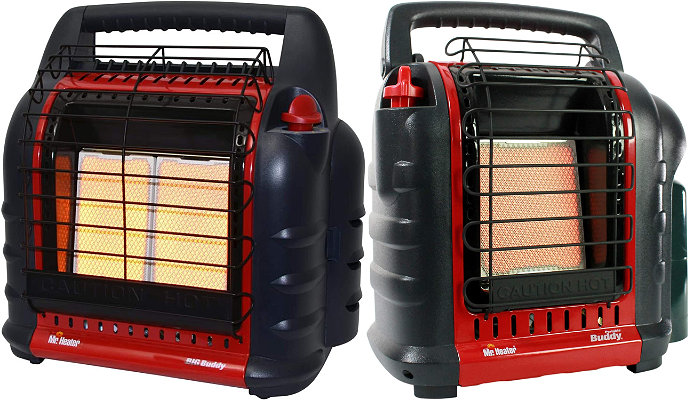
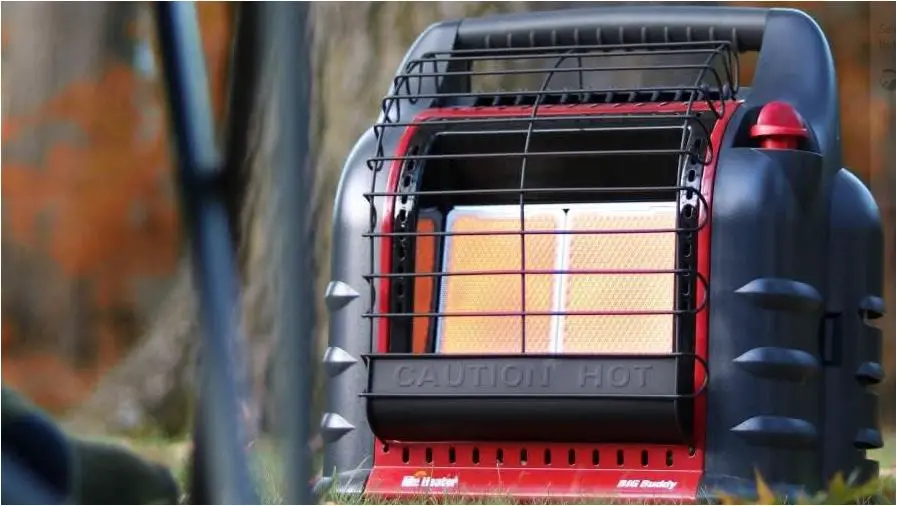
The Big Buddy heater, a popular portable propane heater, offers a convenient heating solution for various spaces, from workshops and garages to cabins and even outdoor events. However, understanding its run time is crucial for maximizing efficiency and minimizing fuel costs. This article explores the factors affecting Big Buddy heater run time, providing homeowners, businesses, and HVAC professionals with the knowledge to optimize its use and integrate it into broader energy-saving strategies.
Factors Influencing Big Buddy Heater Run Time
Several factors determine how long your Big Buddy heater will operate on a single propane tank. Understanding these variables allows for more accurate fuel consumption estimates and better planning.
Propane Tank Size
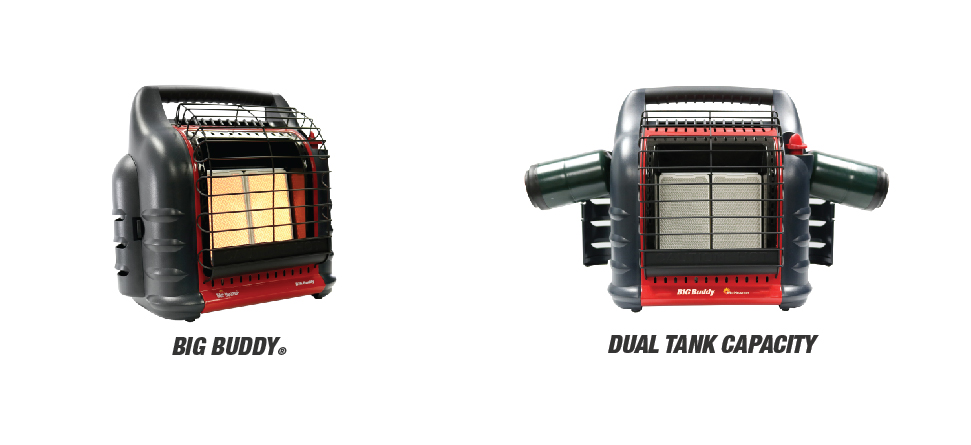
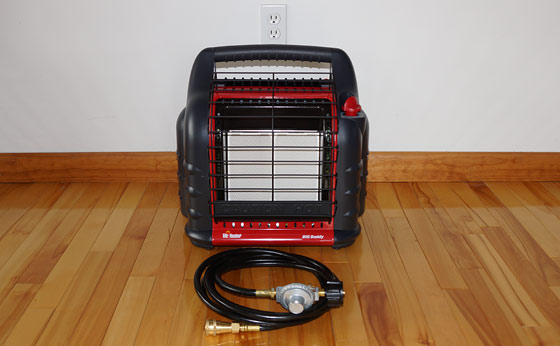
The most significant factor is the size of the propane tank. Big Buddy heaters are typically compatible with standard 1 lb propane cylinders or larger tanks using an adapter hose. A 1 lb cylinder provides significantly less run time than a 20 lb or larger tank.
- 1 lb Propane Cylinder: Expect around 3-5 hours on low setting, 1-2 hours on high.
- 20 lb Propane Tank: Provides significantly extended run times, typically 60-100 hours on low and 20-40 hours on high, depending on the heater's BTU output.
Heater BTU Setting
The BTU (British Thermal Unit) rating measures the amount of heat the heater produces. The Big Buddy heater usually features multiple settings – low, medium, and high – each consuming propane at different rates. Lower settings extend run time considerably. For example:
Let's say a Big Buddy heater has a maximum BTU output of 18,000 BTU/hour. On the low setting (e.g., 4,000 BTU/hour), it will consume significantly less propane than on the high setting. This translates directly to longer run times.
Ambient Temperature
Colder ambient temperatures require the heater to work harder to maintain a desired temperature, leading to increased propane consumption. If you're using the heater in sub-freezing conditions, expect a shorter run time compared to using it in milder temperatures.
Insulation and Space Size
Poorly insulated spaces lose heat quickly, forcing the heater to run continuously. Conversely, well-insulated spaces retain heat, allowing the heater to cycle on and off, conserving propane. The size of the space also matters; a larger space requires more energy to heat, reducing run time on a given propane tank.
Altitude
At higher altitudes, the air is thinner, affecting combustion efficiency. This can slightly impact propane consumption, generally leading to a marginal decrease in run time. While the effect is less pronounced than temperature or insulation, it's a factor to consider, especially in mountainous regions.
Estimating Big Buddy Heater Run Time: A Practical Approach
While precise run time calculations are complex, you can estimate run time based on the factors above. Here's a practical approach:
- Determine Propane Tank Capacity: Know the size of your propane tank (e.g., 1 lb, 20 lb).
- Identify Heater BTU Setting: Check the heater's BTU rating for each setting (low, medium, high). This information is usually found on the heater's label.
- Use a Run Time Chart (if available): Some Big Buddy heater models come with a run time chart indicating estimated hours per propane tank at different settings.
- Estimate Based on BTU Consumption: As a general rule, 1 lb of propane contains approximately 21,600 BTU. If your heater runs at 10,000 BTU/hour, a 1 lb tank *might* last for roughly 2.16 hours. However, this is a simplified calculation; actual run time will vary.
Example: You're using a Big Buddy heater with a 10,000 BTU/hour setting and a 20 lb propane tank. A 20 lb tank contains approximately 432,000 BTU (20 lbs x 21,600 BTU/lb). Theoretically, the run time would be 43.2 hours (432,000 BTU / 10,000 BTU/hour). However, real-world factors like insulation and temperature will affect this estimate.
Maximizing Big Buddy Heater Efficiency and Run Time
Several strategies can help you extend the Big Buddy heater's run time and reduce propane consumption:
Optimize Insulation
Improving insulation is the most impactful step. Seal air leaks around windows and doors, insulate walls and ceilings (if applicable), and use draft stoppers. This prevents heat loss, allowing the heater to cycle on and off less frequently.
Use the Lowest Setting
Select the lowest comfortable heat setting. There's no need to run the heater on high if a lower setting provides sufficient warmth. Use a thermometer to monitor the space's temperature and adjust accordingly.
Employ Supplemental Heating
Consider using supplemental heating sources like electric blankets, heated clothing, or smaller electric space heaters in conjunction with the Big Buddy heater. This allows you to reduce the Big Buddy heater's output, extending its run time.
Ensure Proper Ventilation
While Big Buddy heaters are designed for indoor use, proper ventilation is crucial for safety and efficiency. Follow the manufacturer's instructions regarding ventilation requirements. Adequate ventilation helps maintain air quality and prevents carbon monoxide buildup.
Regular Maintenance
Keep the heater clean and free of debris. Inspect the burner and propane connections regularly to ensure proper function and prevent leaks. A well-maintained heater operates more efficiently.
Integrating Big Buddy Heaters with Smart Home Technology
While Big Buddy heaters aren't inherently "smart," you can integrate them into a smart home ecosystem for improved monitoring and control, leading to potential energy savings.
Smart Thermostats with Remote Sensors
Use a smart thermostat with remote sensors to monitor the temperature in the heated space. This allows you to remotely adjust the heater's setting or turn it off when the desired temperature is reached. Smart thermostats can also learn your heating patterns and automatically adjust the heater's output to optimize energy consumption.
Propane Tank Monitors
Consider using a propane tank monitor that sends alerts to your smartphone or computer when the tank level is low. This prevents unexpected fuel depletion and allows you to plan refills proactively. Some monitors also track propane consumption over time, providing valuable data for optimizing usage.
Smart Plugs with Energy Monitoring
If you are using an electric heater in conjunction with the Big Buddy, use a smart plug with energy monitoring capabilities to track the electric heater's energy consumption. This data can help you determine the most efficient combination of heating sources.
ROI and Energy Savings
Investing in insulation, smart thermostats, and other energy-efficient measures can provide a significant return on investment (ROI) through reduced propane consumption and lower energy bills. While the exact savings will vary depending on individual circumstances, the following points illustrate the potential benefits:
- Insulation: Properly insulating a poorly insulated space can reduce heating costs by 10-30%.
- Smart Thermostats: Studies show that smart thermostats can save homeowners an average of 10-12% on heating costs.
Furthermore, many utility companies and government agencies offer rebates and incentives for energy-efficient upgrades. Check with your local utility company and the Energy Star website to see if you qualify for any rebates on insulation, smart thermostats, or other energy-saving products.
Case Studies and Real-World Examples
Case Study 1: Workshop Heating Optimization
A small business owner used a Big Buddy heater to heat their workshop. By adding insulation to the walls and roof and installing a smart thermostat with a remote sensor, they reduced their propane consumption by 25% and saved approximately $300 per year on propane costs.
Case Study 2: Cabin Heating Efficiency
A homeowner with a cabin used a Big Buddy heater as a supplemental heating source. They installed a propane tank monitor and optimized their heating schedule based on the monitor's data. This reduced their propane consumption by 15% and prevented unexpected fuel runouts.
Conclusion
Understanding the factors affecting Big Buddy heater run time and implementing strategies to maximize efficiency can lead to significant energy savings and reduced propane costs. By optimizing insulation, using the lowest comfortable heat setting, integrating smart home technology, and regularly maintaining the heater, homeowners, businesses, and HVAC professionals can unlock the full potential of this versatile heating solution while minimizing its environmental impact. Remember to consult with HVAC professionals for personalized advice and to ensure safe and efficient operation.