Bird Nest In Bathroom Exhaust Vent

A common and often unsettling problem homeowners encounter is discovering a bird's nest in their bathroom exhaust vent. This situation, while seemingly innocuous, can lead to serious issues like reduced ventilation, increased fire risk, and unwanted pests inside your home. The good news is that often, with a bit of know-how, you can safely and effectively resolve this problem yourself. However, knowing when to call in the professionals is equally important. This guide will walk you through the diagnostic process and provide actionable steps to safely remove the nest and prevent future occurrences. We'll also highlight the crucial moments when seeking professional help is the wisest course of action.
Diagnosing the Problem: Is it Really a Bird's Nest?
Before you grab your tools, it’s essential to confirm that a bird's nest is, in fact, the issue. Several signs can indicate a nest in your exhaust vent:
- Reduced airflow: This is the most common symptom. The vent fan may sound like it's running, but you'll notice significantly less air being drawn out of the bathroom.
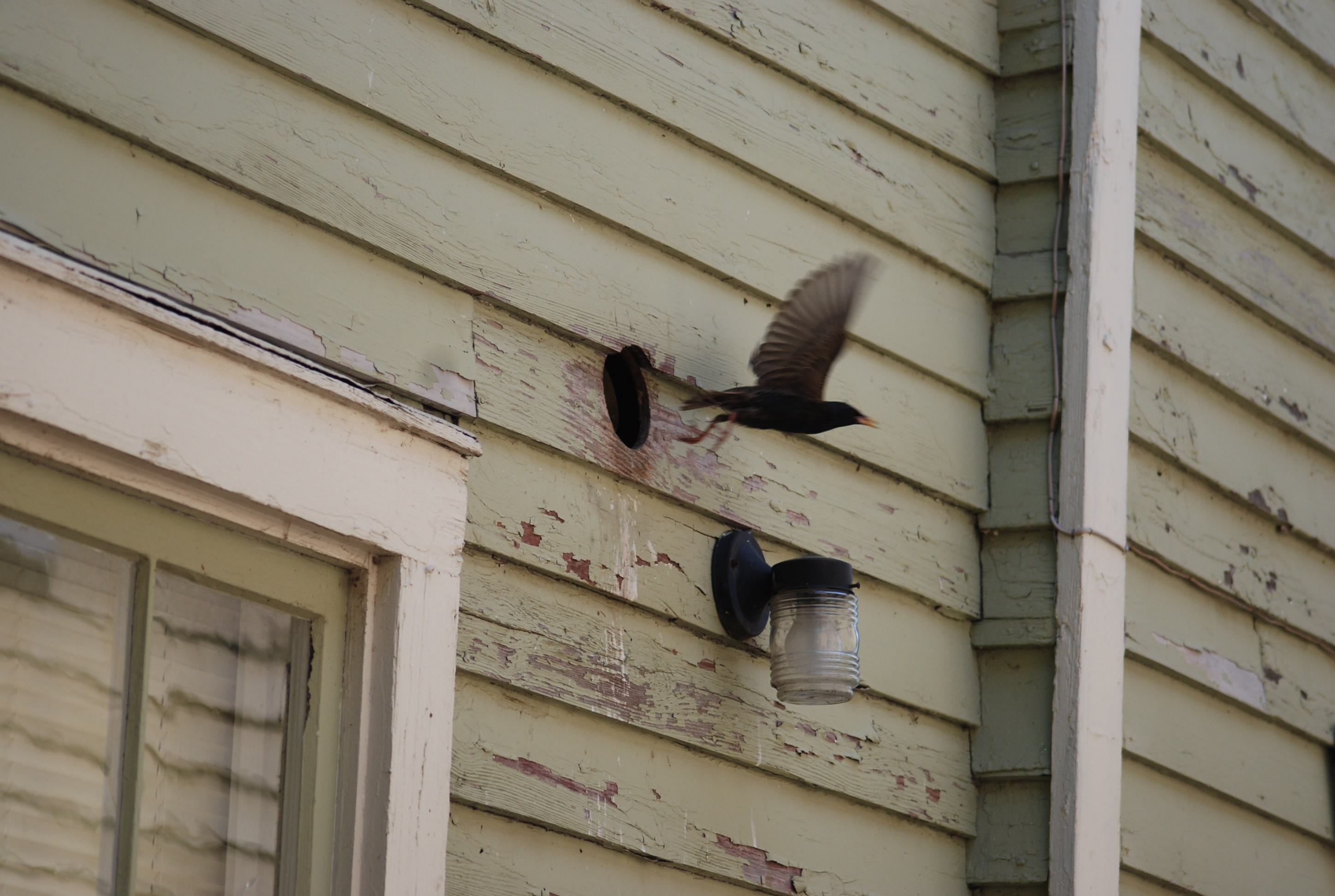
- Strange noises: Chirping, rustling, or scratching sounds coming from the vent, especially during nesting season (spring and early summer), are strong indicators.
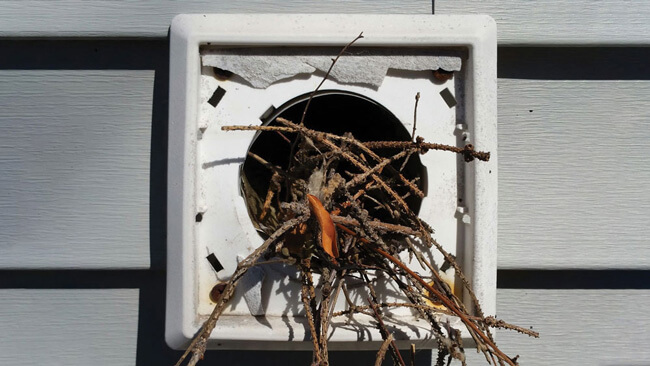
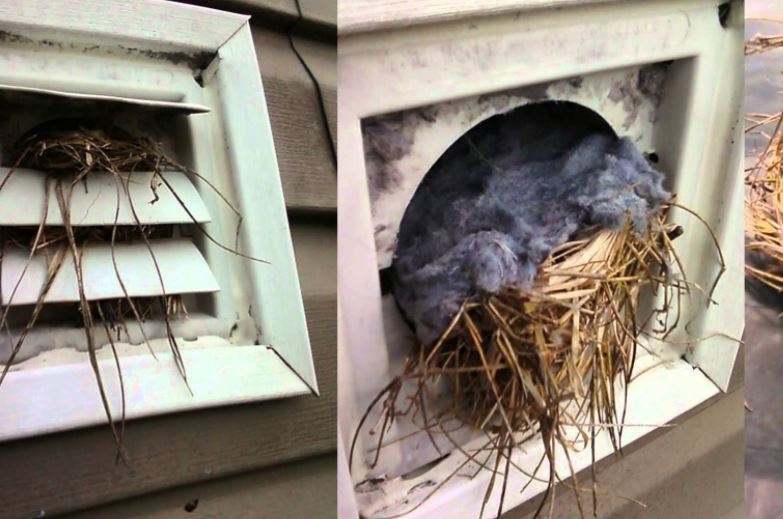
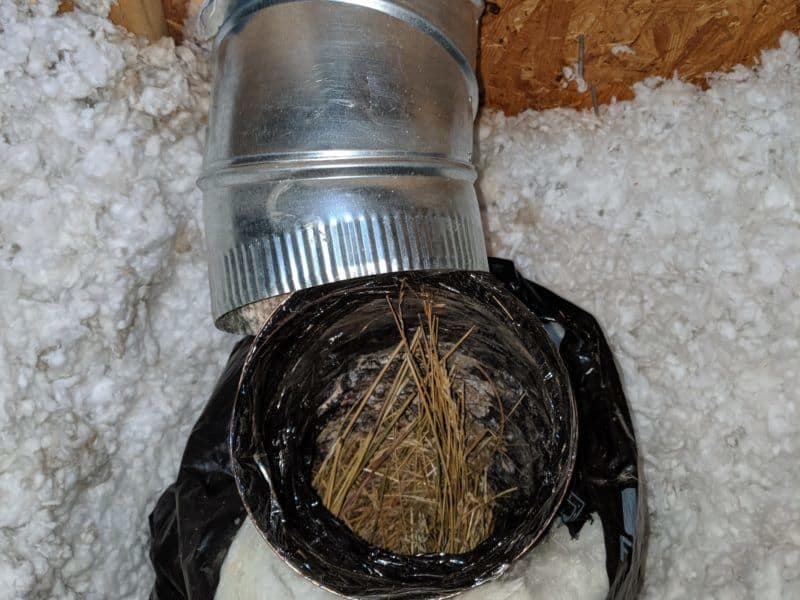
- Visible nesting materials: Look for twigs, leaves, feathers, or other debris protruding from the vent opening on the exterior of your house. Use binoculars if the vent is high up.
- Unpleasant odors: Trapped moisture and organic material in the nest can create musty or foul smells.
- Increased humidity: If your bathroom mirrors and walls are taking longer to dry after showering, it could be due to reduced ventilation caused by a blocked vent.
If you observe one or more of these symptoms, there’s a good chance a bird has taken up residence in your exhaust vent. It's crucial to address this promptly to prevent further complications.
Safety First: Preparing for Nest Removal
Your safety is paramount before attempting any DIY project. Here's what you need to do to prepare:
- Turn off the power: Locate the circuit breaker that controls the bathroom exhaust fan and switch it off. This prevents accidental electrocution while working on the fan unit. Always double-check that the power is off before proceeding.
- Gather your supplies: You'll need the following:
- Gloves: Protect your hands from debris and potential contaminants.
- Dust mask or respirator: Breathing in dust, mold, or bird droppings can be harmful.
- Safety glasses: Prevent debris from getting into your eyes.
- Ladder: If the vent is located high up, use a sturdy ladder and have someone spot you.
- Screwdriver: You'll likely need this to remove the vent cover.
- Plastic bags or trash can: For disposing of the nest and debris.
- Coat hanger or flexible tool: To help dislodge and pull out the nest.
- Shop vacuum: To clean up any remaining debris.
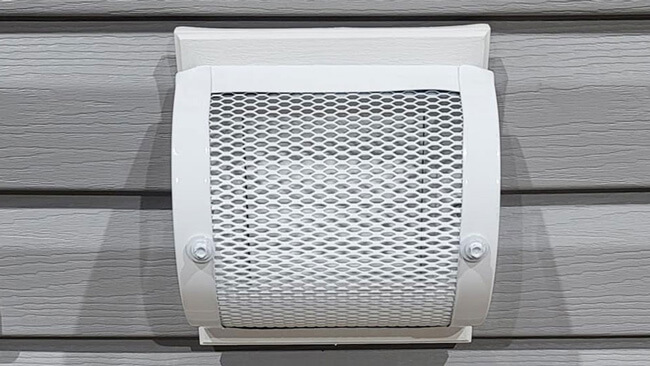
- Vent cover with bird guard: To prevent future nesting.
- Assess the situation: Before you start removing anything, take a good look at the nest. Determine its size and how accessible it is. If the nest appears to be very large or deeply embedded in the ductwork, you might want to consider calling a professional.
Step-by-Step Guide to Bird Nest Removal
Now that you're prepared, follow these steps to safely remove the bird's nest:
- Remove the vent cover: Using your screwdriver, carefully remove the screws holding the vent cover in place. Gently pull the cover down, being mindful of any loose debris that might fall.
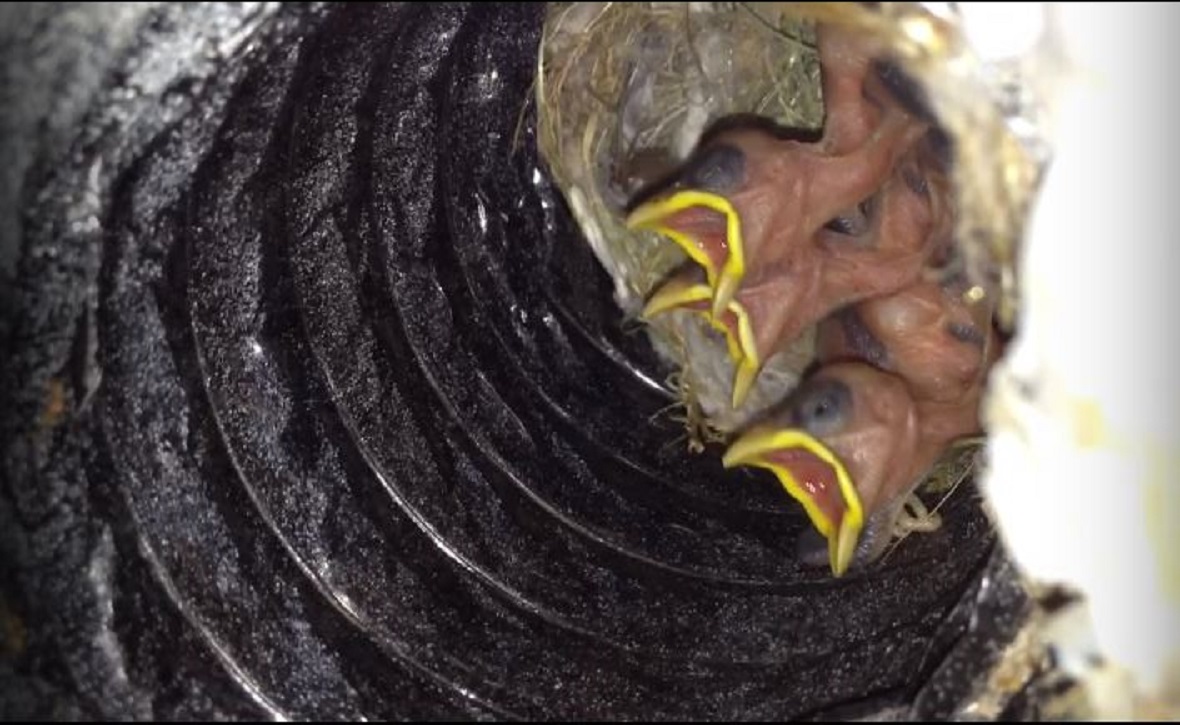
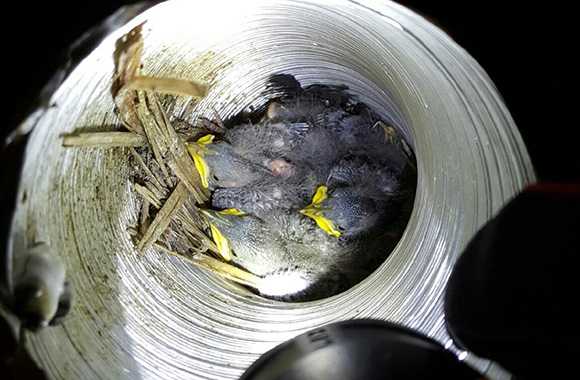
- Inspect the nest: Once the cover is off, you'll have a clearer view of the nest. Check for live birds or eggs. If you find any, stop immediately and contact a local wildlife rehabilitation center for advice. Disturbing nesting birds or their eggs can be illegal and harmful.
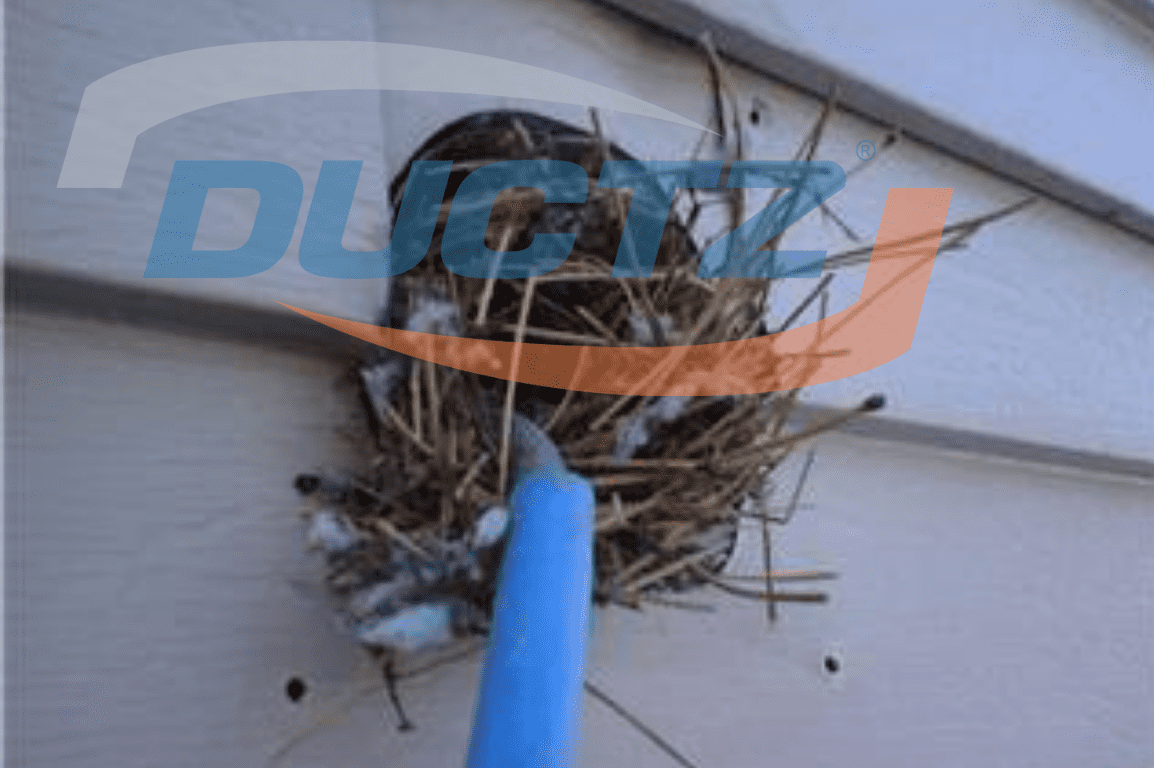
- Remove the nest: If the nest is empty, use your gloved hands or a coat hanger to carefully pull it out. Work slowly and deliberately to avoid pushing debris further into the ductwork. Dispose of the nest in a plastic bag or trash can.
- Clean the ductwork: Use a shop vacuum to remove any remaining debris from the ductwork. You can also use the coat hanger to gently scrape any stubborn material from the sides of the duct.
- Inspect the fan: Check the exhaust fan for any signs of damage or debris. Clean the fan blades with a soft cloth to ensure proper airflow.
- Install a vent cover with bird guard: This is crucial to prevent future nesting. Choose a vent cover with a sturdy mesh screen or other type of bird guard that will allow airflow but keep birds out.
- Reattach the vent cover: Securely reattach the vent cover with the screws you removed earlier.
- Test the fan: Turn the circuit breaker back on and test the exhaust fan. Make sure it's running smoothly and that there's good airflow.
- Clean up: Thoroughly clean the area around the vent, disposing of any debris and washing your hands.
Preventing Future Nesting
Once you've removed the nest, it's important to take steps to prevent birds from nesting in your vent again. Here are a few tips:
- Install a vent cover with bird guard: As mentioned earlier, this is the most effective way to prevent nesting. Choose a cover with a fine mesh screen to deter even small birds.
- Regularly inspect your vents: Check your vents at least twice a year, especially during nesting season, for any signs of nesting activity.
- Trim vegetation: Keep trees and shrubs around your house trimmed to reduce nesting opportunities near your vents.
- Consider deterrents: Some homeowners use bird spikes or netting to deter birds from landing near their vents.
When to Call a Professional
While many bird nest removal projects can be handled DIY, there are situations where it's best to call in a professional. Don't hesitate to seek expert assistance in the following scenarios:
- Live birds or eggs: As mentioned previously, if you find live birds or eggs in the nest, do not disturb them. Contact a local wildlife rehabilitation center or pest control company that specializes in wildlife removal. They have the expertise and equipment to safely remove the birds and relocate them if necessary.
- Large or inaccessible nest: If the nest is very large or deeply embedded in the ductwork, it may be difficult to remove without damaging the vent or ductwork. A professional has the tools and experience to safely and effectively remove the nest, even in hard-to-reach areas.
- Damaged ductwork: If you suspect that the birds or the nest have damaged the ductwork, it's important to have it inspected and repaired by a professional. Damaged ductwork can lead to reduced ventilation, increased energy costs, and potential mold growth.
- Allergies or respiratory problems: If you have allergies or respiratory problems, it's best to avoid handling bird nests yourself. Bird droppings and nesting materials can contain allergens and pathogens that can trigger allergic reactions or respiratory infections. A professional has the proper safety equipment and training to safely remove the nest without exposing you to these hazards.
- You're uncomfortable with the task: If you're simply not comfortable with the idea of removing a bird's nest yourself, there's no shame in calling a professional. It's better to be safe than sorry.
- Persistent problem: If you've tried to remove nests yourself in the past, but the birds keep coming back, it may be time to call a professional pest control company. They can identify the source of the problem and implement more effective long-term solutions.
Choosing a qualified professional is crucial. Look for companies with experience in wildlife removal and a good reputation. Check online reviews and ask for references. Be sure to get a written estimate before work begins, and make sure the estimate includes the cost of removing the nest, repairing any damage, and preventing future nesting.
Final Thoughts: A Bird-Free and Well-Ventilated Bathroom
Discovering a bird's nest in your bathroom exhaust vent can be a frustrating experience, but by following these steps, you can often resolve the problem safely and effectively. Remember to prioritize safety, take your time, and don't hesitate to call a professional if you're unsure about anything. By taking proactive measures to prevent future nesting, you can enjoy a bird-free and well-ventilated bathroom for years to come. Regular maintenance and vigilance are key to preventing future infestations. And remember, dealing with wildlife requires respect and caution. Always prioritize the well-being of the animals and follow all applicable laws and regulations.