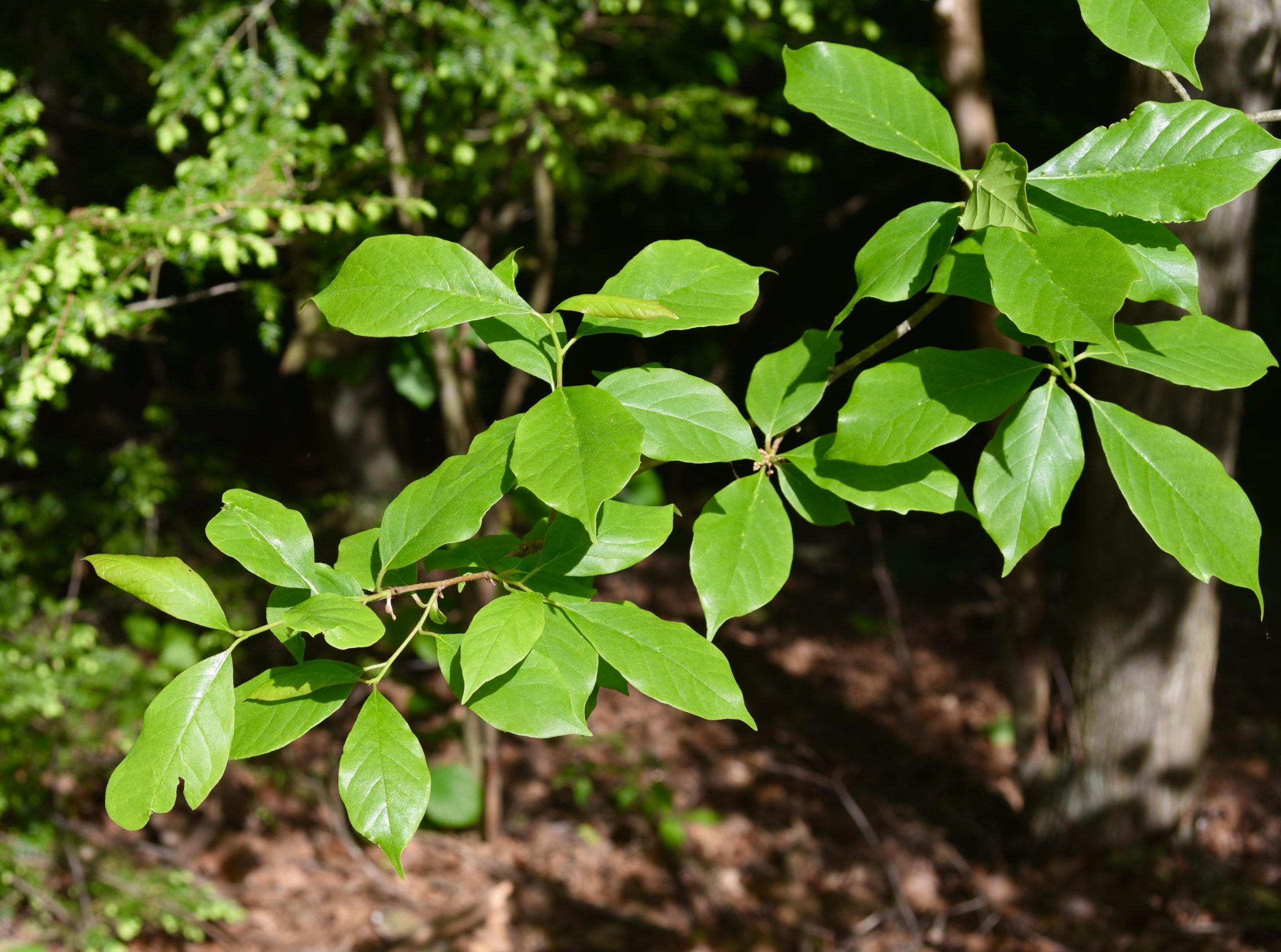
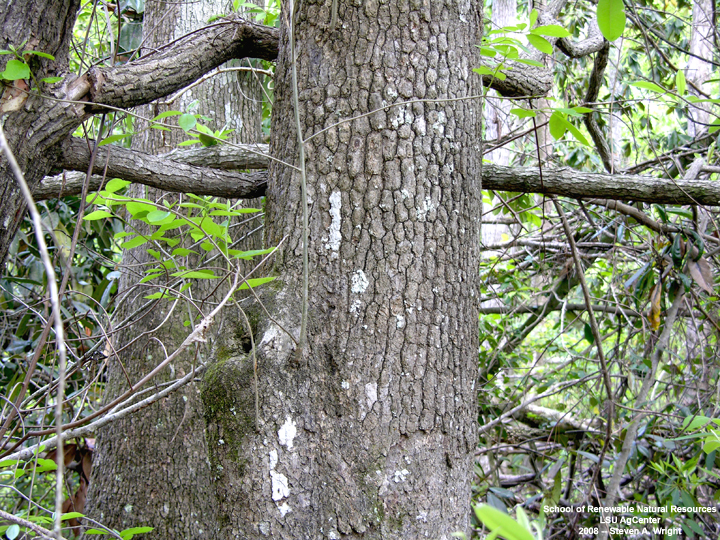
Black Gum Tree Texas
The Unseen Foe: How Black Gum Trees Impact Your Texas HVAC System
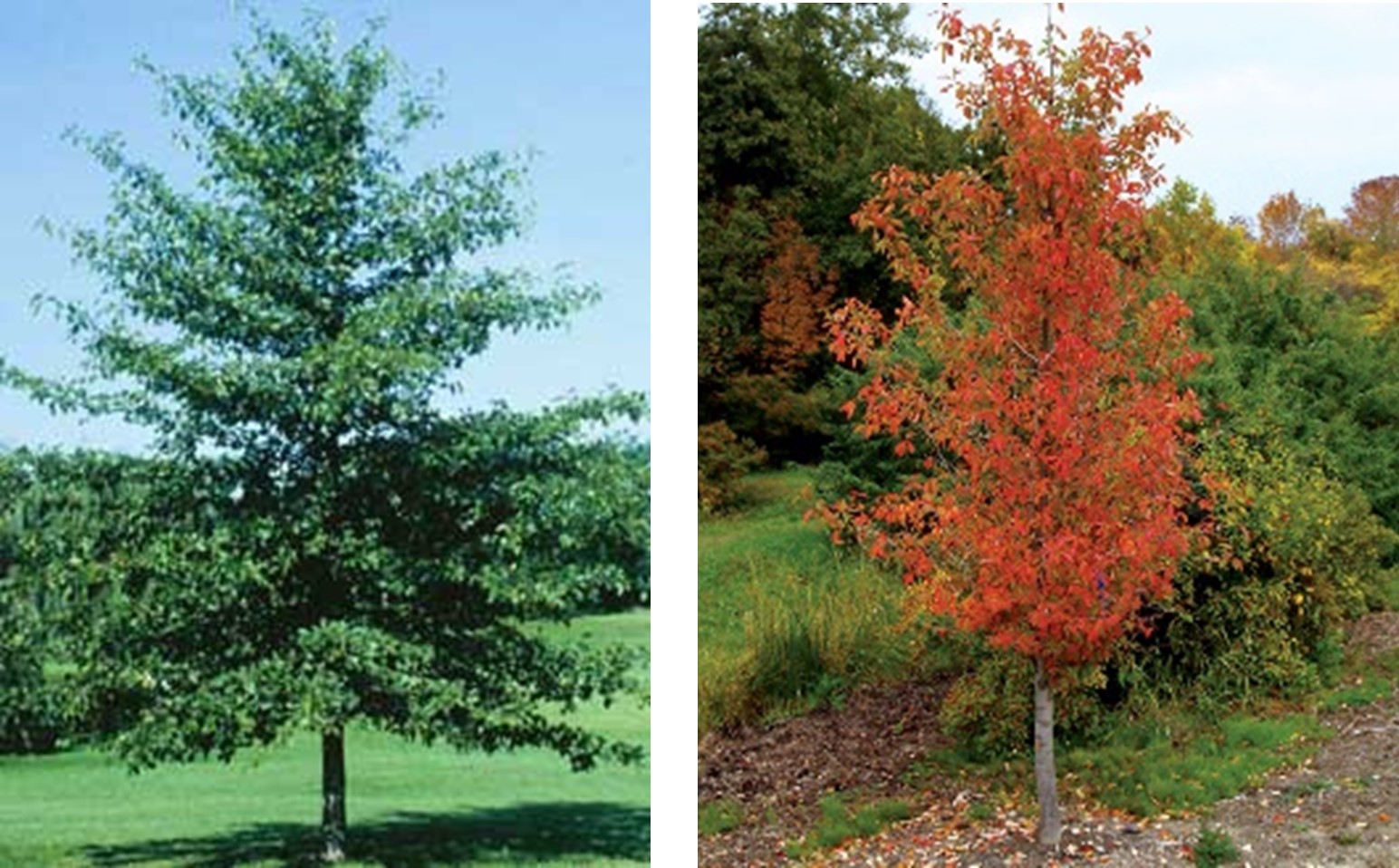
Texas homeowners know the joy of mature trees shading their homes, offering respite from the relentless sun and helping to lower energy bills. But sometimes, these silent giants, particularly the beautiful yet troublesome Black Gum tree (Nyssa sylvatica), can become a significant source of HVAC problems. This article dives deep into the potential issues and how to address them, balancing DIY solutions with when to call a professional.
Understanding the Threat: Black Gum Tree Characteristics
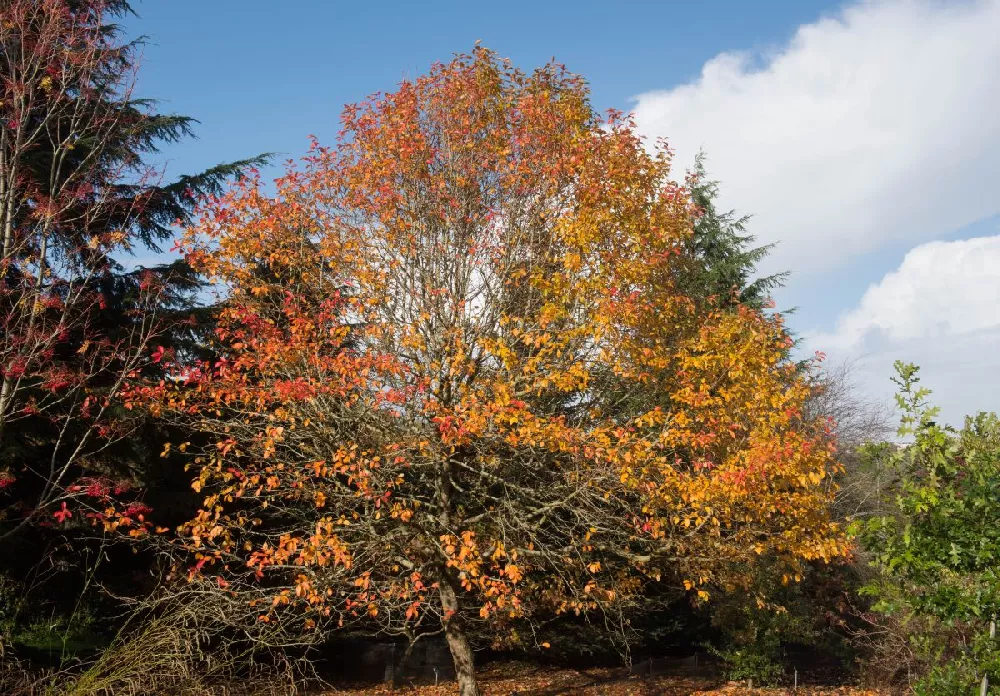
Before we troubleshoot, let’s understand our adversary. Black Gum trees are native to Texas and prized for their vibrant fall foliage. However, they possess characteristics that can lead to HVAC headaches:
- Aggressive Root Systems: These roots can extend far and wide, seeking water. This can cause problems.
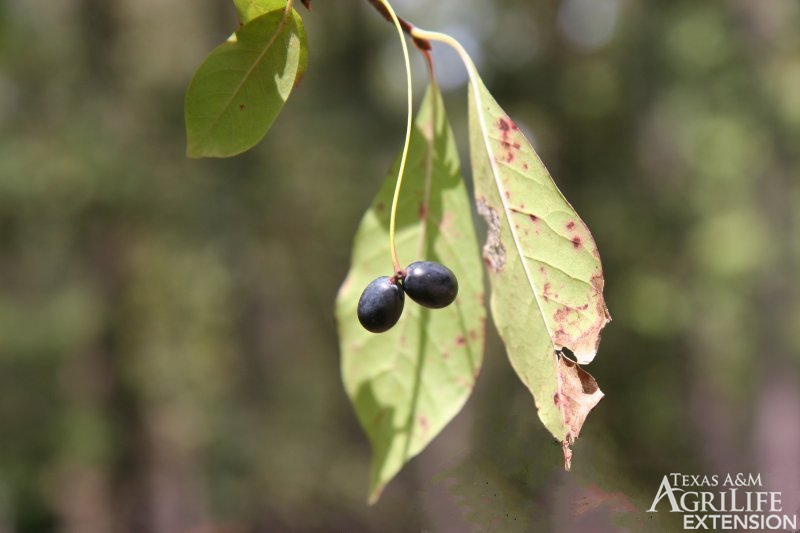
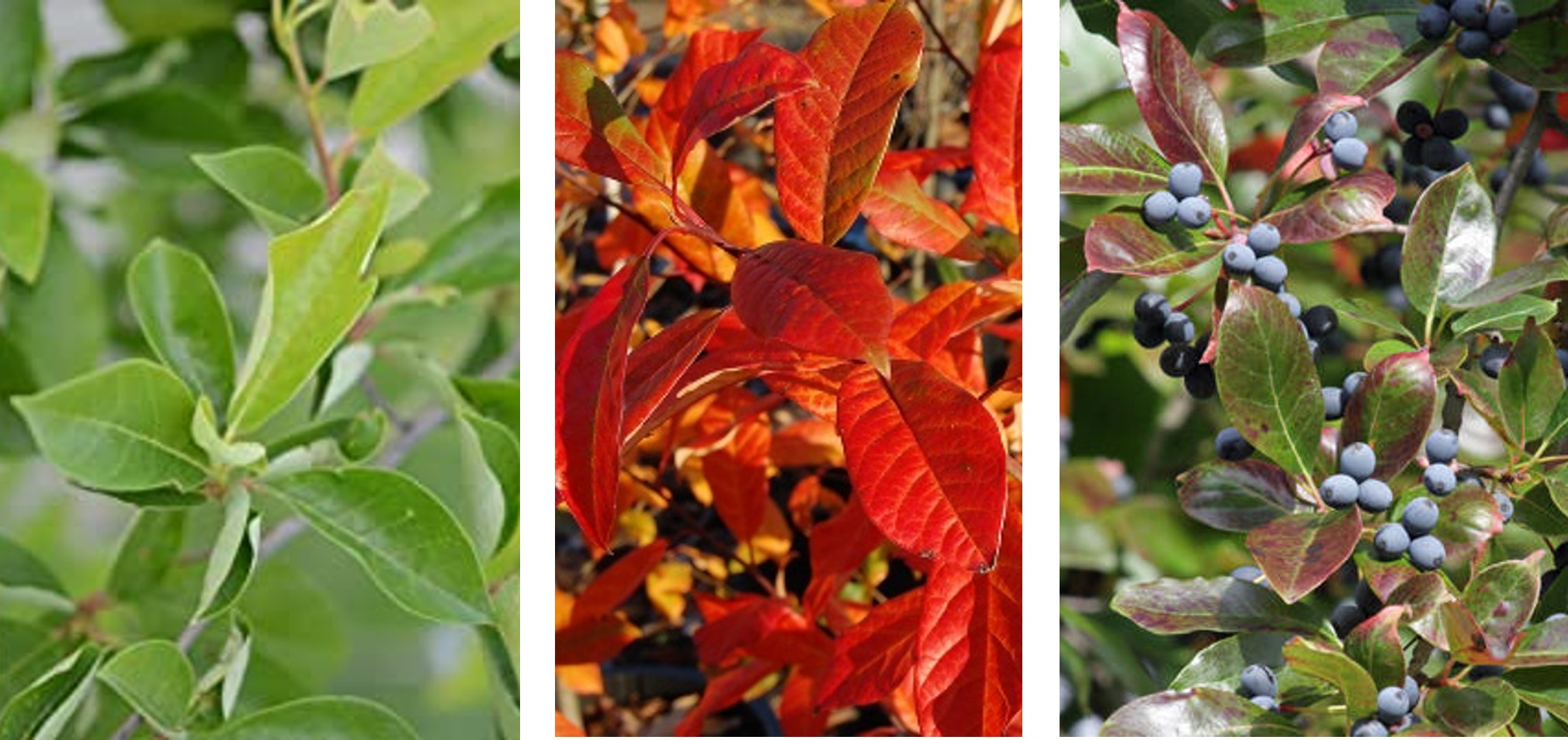
- Debris Production: Black Gum trees shed leaves, twigs, and seeds, all of which can clog condenser units and drainage systems.
- Height and Proximity: Their height can create excessive shade, especially during winter, potentially affecting solar-powered HVAC components.
Common HVAC Problems Caused by Black Gum Trees
Here's a breakdown of the most frequent HVAC issues linked to Black Gum trees:
1. Clogged Condenser Units
The outdoor condenser unit of your air conditioner is a magnet for debris. Leaves, twigs, and seeds from Black Gum trees can accumulate, reducing airflow and causing the unit to overheat.
Symptoms: Reduced cooling efficiency, higher energy bills, the unit running constantly, and potential compressor failure.
DIY Solution:
- Safety First: Turn off the power to the condenser unit at the breaker box.
- Visual Inspection: Remove the outer grille of the unit. You might need a screwdriver.
- Debris Removal: Use a shop vacuum with a brush attachment to carefully remove leaves, twigs, and seeds from the fins. Avoid bending the fins.
- Gentle Rinse: Use a garden hose with a low-pressure nozzle to rinse the fins from the inside out.
- Reassemble: Reattach the grille.
- Power On: Restore power at the breaker box.
Tools Needed: Screwdriver, shop vacuum with brush attachment, garden hose with low-pressure nozzle.
When to Call a Professional: If the unit is severely clogged, the fins are damaged, or the problem persists after cleaning.
2. Blocked Drainage Lines
Condensation from your air conditioner is drained through a pipe. This pipe can become clogged with algae, mold, and debris, including seeds from Black Gum trees, leading to water damage.
Symptoms: Water leaking from the indoor unit, musty odors, and potential damage to walls and ceilings.
DIY Solution:
- Locate the Drain Line: Find the PVC pipe exiting your indoor unit (usually near the furnace or air handler).
- Wet/Dry Vacuum Method: Disconnect the drain line and use a wet/dry vacuum to suck out the blockage. Place the vacuum hose tightly over the drain opening.
- Vinegar Flush: Pour a cup of white vinegar down the drain line. Let it sit for 30 minutes to an hour to dissolve any algae or mold. Then, flush with water.
- Drain Line Tablets: Consider using commercially available drain line tablets to prevent future clogs. Follow the manufacturer's instructions.
Tools Needed: Wet/dry vacuum, white vinegar, drain line tablets (optional).
When to Call a Professional: If you can't locate the drain line, the blockage is severe, or you suspect mold growth within the system.
3. Root Damage to Underground Ductwork
In some homes, ductwork runs underground. Aggressive tree roots, like those from Black Gum trees, can penetrate and crush these ducts, leading to significant air leaks and energy loss.
Symptoms: Uneven heating and cooling, high energy bills, and difficulty maintaining consistent temperatures throughout the house.
DIY Considerations:
This issue is generally NOT a DIY project. Locating and repairing underground ductwork requires specialized equipment and expertise. Attempting to dig around utility lines can be extremely dangerous.
When to Call a Professional: Immediately. This is a complex repair that requires professional assessment and remediation. A professional can perform a duct pressure test to confirm leaks and use specialized equipment to locate and repair the damaged ducts.
4. Proximity and Shading of Solar-Powered HVAC Components
If you have solar panels that power your HVAC system, the shade cast by a large Black Gum tree can significantly reduce their efficiency, especially during the winter months when the sun is lower in the sky.
Symptoms: Reduced energy production from solar panels, higher reliance on grid power, and increased energy bills.
DIY Considerations:
Trimming or removing large trees near solar panels can be dangerous and may require permits. It's crucial to consider the potential impact on the tree's health and stability.
When to Call a Professional: An arborist can assess the tree's health and advise on the best course of action. A solar panel installer can evaluate the impact of shading on energy production.
5. Foundation Issues Affecting HVAC Systems
While not directly an HVAC problem, Black Gum tree roots can contribute to foundation problems. Foundation settling or shifting can stress ductwork and refrigerant lines, leading to leaks and reduced efficiency.
Symptoms: Cracks in walls or ceilings, doors and windows that stick, and uneven floors.
DIY Considerations:
Addressing foundation issues is rarely a DIY project and should be handled by qualified professionals.
When to Call a Professional: A foundation repair specialist can assess the damage and recommend appropriate solutions. Also, an HVAC technician should inspect the ductwork and refrigerant lines for leaks caused by the foundation movement.
Preventive Measures: Mitigating the Risk
The best approach is to prevent these problems from occurring in the first place. Here are some proactive steps you can take:
- Strategic Planting: When planting new trees, consider their mature size and root system. Avoid planting Black Gum trees too close to your home or underground utility lines.
- Regular Maintenance: Schedule regular HVAC maintenance to ensure your system is running efficiently and to identify potential problems early.
- Professional Cleaning: Have your condenser unit professionally cleaned at least once a year, especially if you live in an area with a lot of trees.
- Root Barriers: Consider installing root barriers around existing Black Gum trees to prevent roots from encroaching on your foundation or underground utilities.
- Leaf Removal: Rake leaves and debris away from your condenser unit regularly, especially during the fall.
Cost Estimates for Repairs
Here's a general idea of repair costs related to Black Gum tree-related HVAC issues. These are estimates only, and actual costs may vary depending on location, the complexity of the job, and the contractor you choose.
- Condenser Unit Cleaning: $75 - $200
- Drain Line Cleaning: $75 - $150
- Duct Repair (Above Ground): $200 - $1000 (depending on the extent of the damage)
- Underground Duct Repair: $1000 - $5000+ (This can be significantly more expensive if excavation is required)
- Refrigerant Leak Repair: $200 - $800
Important Note: Always get multiple quotes from licensed and insured HVAC contractors before proceeding with any major repairs.
Safety First!
Working with HVAC equipment can be dangerous. Always turn off the power to the unit before performing any maintenance or repairs. If you are uncomfortable working with electrical components or handling refrigerants, call a qualified HVAC technician.
When in doubt, call a professional! Your safety and the longevity of your HVAC system are worth the investment.
Key Takeaways
Black Gum trees, while beautiful, can pose a threat to your HVAC system. Regular maintenance, strategic planting, and prompt attention to potential problems can help you minimize the risk and keep your home comfortable year-round. Knowing when to DIY and when to call a professional is crucial for protecting your investment and ensuring your safety.