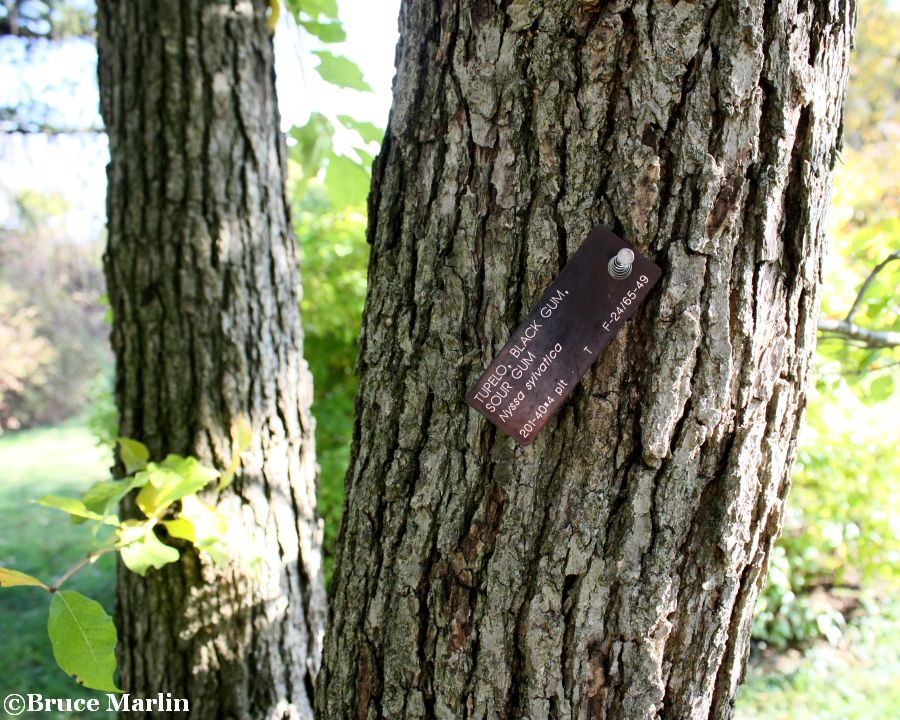
Black Gum Tree Wood
:max_bytes(150000):strip_icc()/nyssa-sylvatica-black-gum-growing-tips-3269341-03-fccb5bd934ce4319b6ec13ad228d5abd.jpg)
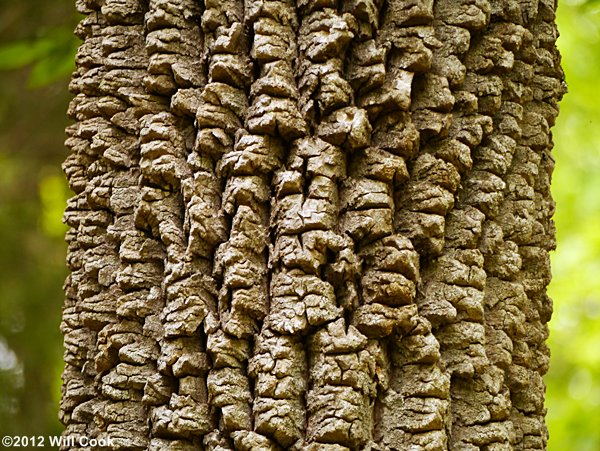
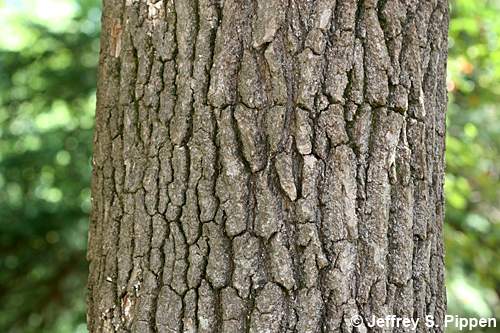
While often admired for its vibrant fall foliage and unique bark, the black gum tree (Nyssa sylvatica) isn't typically the first thing that comes to mind when discussing HVAC systems. However, understanding the properties of wood, including black gum, can indirectly impact decisions related to building materials, insulation, and even the choice of biomass heating systems. This article explores the characteristics of black gum wood and its relevance to homeowners, HVAC technicians, and facility managers concerned with energy efficiency and sustainable practices.
Black Gum Wood: Properties and Characteristics
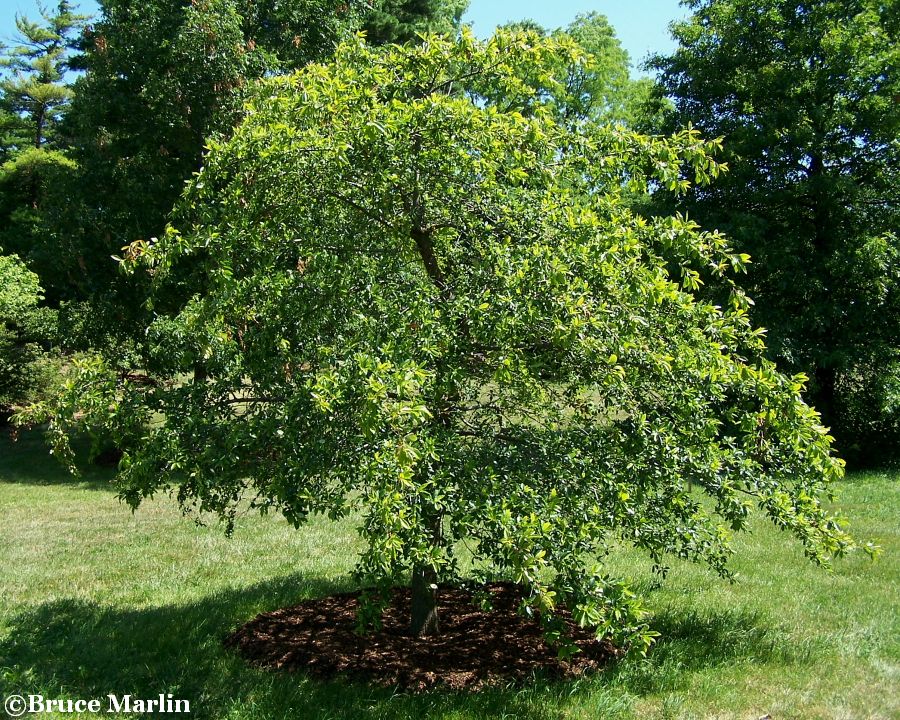
Black gum is a medium-sized deciduous tree native to eastern North America. The wood is known for being heavy, strong, and very tough, but also prone to warping and twisting during drying. This presents challenges in its utilization for certain applications, but also provides unique advantages.
- Density and Hardness: Black gum has a relatively high density, making it a hard wood. This density contributes to its strength and resistance to impact.
- Grain and Texture: The grain is usually interlocked, which is what makes it difficult to split but also contributes to its tendency to warp. The texture is moderately coarse.
- Durability: Black gum isn't naturally very durable against decay, especially when exposed to moisture. Therefore, it's not ideal for outdoor, unprotected applications.
- Workability: Due to its interlocked grain, black gum can be challenging to work with using hand tools. Machining can also be difficult, requiring sharp tools and careful techniques to avoid tear-out.
Relevance to Building Materials and Insulation
While not commonly used for structural framing due to its warping tendencies, black gum wood finds applications in other areas where its strength and toughness are beneficial. Understanding the properties of wood used in construction affects the overall performance and energy efficiency of a building, which directly impacts the HVAC system's load.
Wood Siding and Trim
Although not a primary choice, black gum can be used for siding or trim, provided it is properly dried and treated. The key is kiln-drying the wood slowly and thoroughly to minimize warping. In addition, proper sealing and painting are crucial to protect it from moisture and decay. When used this way, black gum offers a durable and attractive exterior finish. The impact on HVAC relates to how well the siding insulates the building envelope. A well-sealed and insulated building requires less energy for heating and cooling, reducing the strain on the HVAC system and lowering energy bills.
Wood Flooring
Less common in flooring than oak or maple, black gum can be a viable option, especially for those seeking a unique aesthetic. Again, the drying process is paramount. The hardness of the wood contributes to its durability in high-traffic areas. Like siding, flooring plays a role in insulation and comfort. A properly installed wood floor can help maintain a consistent temperature and reduce drafts, improving the efficiency of the HVAC system.
Importance of Proper Sealing and Insulation
Regardless of the type of wood used in construction, proper sealing and insulation are crucial for energy efficiency. Gaps and cracks in the building envelope allow air leakage, which increases the load on the HVAC system. Air leakage, measured in cubic feet per minute (CFM), represents how much conditioned air escapes the building per unit of time. A leaky building will have a higher CFM rate and therefore be less energy efficient. HVAC technicians often use blower door tests to assess air leakage and identify areas needing improvement.
Insulation, measured by its R-value, resists the flow of heat. Higher R-values indicate better insulation. Common insulation materials include fiberglass, cellulose, and spray foam. The choice of insulation depends on factors such as climate, building design, and budget. Proper insulation reduces heat transfer through walls, roofs, and floors, lessening the burden on the HVAC system. Properly insulated homes can see significant reductions in energy consumption and improved comfort levels.
Black Gum in Biomass Heating Systems
Biomass heating systems utilize organic matter, such as wood, for fuel. While not a premium firewood choice, black gum can be used in biomass heating systems, particularly in rural areas where it's readily available. However, its properties must be considered.
Firewood Characteristics
Black gum firewood has a moderate BTU (British Thermal Unit) output per cord compared to denser hardwoods like oak or maple. BTU is a unit of energy, representing the amount of heat required to raise the temperature of one pound of water by one degree Fahrenheit. Higher BTU content means more heat produced per unit of fuel.
Because it tends to warp during drying, black gum can be difficult to split and stack properly. It also tends to produce more smoke than other hardwoods, especially if not properly seasoned (dried). Seasoning firewood involves allowing it to dry for at least six months to reduce moisture content. Drier wood burns more efficiently and produces less smoke and creosote buildup in the chimney. Creosote is a flammable byproduct of incomplete combustion that can pose a fire hazard.
Suitability for Different Biomass Systems
Black gum is more suitable for open fireplaces or older, less efficient wood stoves than for modern, high-efficiency biomass boilers or gasification stoves. These advanced systems require wood with consistent moisture content and size to operate optimally. The inconsistent drying and warping tendencies of black gum can make it less reliable in these systems.
Environmental Considerations
Burning any wood releases carbon dioxide (CO2), a greenhouse gas. However, biomass heating can be considered carbon neutral if the wood is harvested sustainably. This means that the amount of CO2 released during burning is offset by the CO2 absorbed by the trees during their growth. Sustainable forestry practices are crucial to ensure that biomass heating is environmentally responsible.
Implications for HVAC Technicians and Facility Managers
HVAC technicians and facility managers need to understand the impact of building materials on system performance. This knowledge allows them to diagnose issues, recommend solutions, and optimize energy efficiency.
Diagnosing Efficiency Problems
If a building is consistently experiencing high energy bills despite having a relatively new HVAC system, the problem might not be the system itself. Air leakage through poorly sealed windows, doors, or walls (including siding made of improperly dried wood) can significantly increase energy consumption. HVAC technicians can use diagnostic tools like blower door tests and thermal imaging cameras to identify these issues.
Recommending Energy-Saving Measures
Based on their assessment, technicians can recommend solutions such as sealing air leaks, adding insulation, or upgrading windows and doors. They can also advise on the proper maintenance of wood siding and trim to prevent moisture damage and air infiltration. A holistic approach that considers the entire building envelope is essential for maximizing energy efficiency.
Selecting HVAC Systems for Buildings Using Wood
The choice of HVAC system should also consider the building's construction materials and insulation levels. For example, a building with poor insulation will require a larger and more powerful HVAC system to maintain comfortable temperatures. Conversely, a well-insulated building can use a smaller, more efficient system. HVAC technicians can perform load calculations to determine the appropriate size and type of system for a given building. Load calculations estimate the heating and cooling requirements based on factors such as building size, insulation levels, window area, and climate.
Cost Considerations
The cost of black gum wood varies depending on location, availability, and processing. While it might be less expensive than premium hardwoods like oak or cherry, the cost of proper drying and treatment should be factored into the overall budget. The cost-effectiveness of using black gum for specific applications depends on a careful analysis of its properties, durability, and long-term maintenance requirements.
Ultimately, understanding the properties of materials like black gum wood, their impact on building performance, and their role in potential biomass heating options, contributes to more informed decisions for homeowners, HVAC technicians, and facility managers. Prioritizing proper construction techniques, sealing, insulation, and system selection will lead to greater energy efficiency, reduced operating costs, and a more comfortable and sustainable built environment.
/71363111-56a98cac5f9b58b7d0fca144.jpg)
:max_bytes(150000):strip_icc()/nyssa-sylvatica-black-gum-growing-tips-3269341-hero-269706a2262b403ba26e7f5f5c46eb98.jpg)

:max_bytes(150000):strip_icc()/nyssa-sylvatica-black-gum-growing-tips-3269341-06-0c7daf24cc884a20ac07ba022e2fd4a4.jpg)
:max_bytes(150000):strip_icc()/nyssa-sylvatica-black-gum-growing-tips-3269341-01-ff1ffd7a514946da8a415b499dae85bc.jpg)