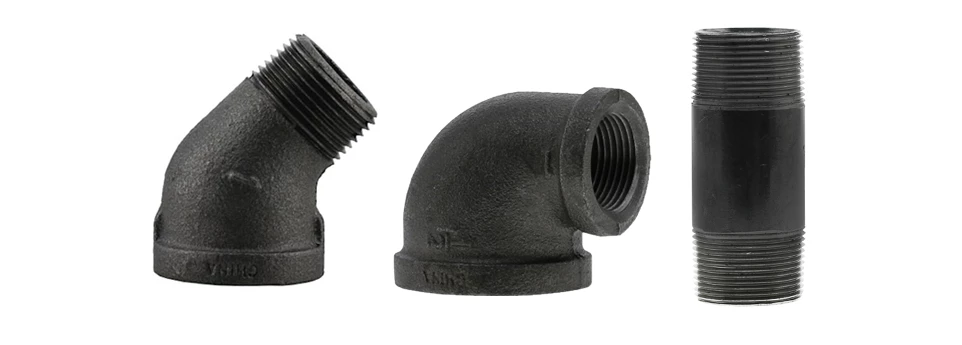
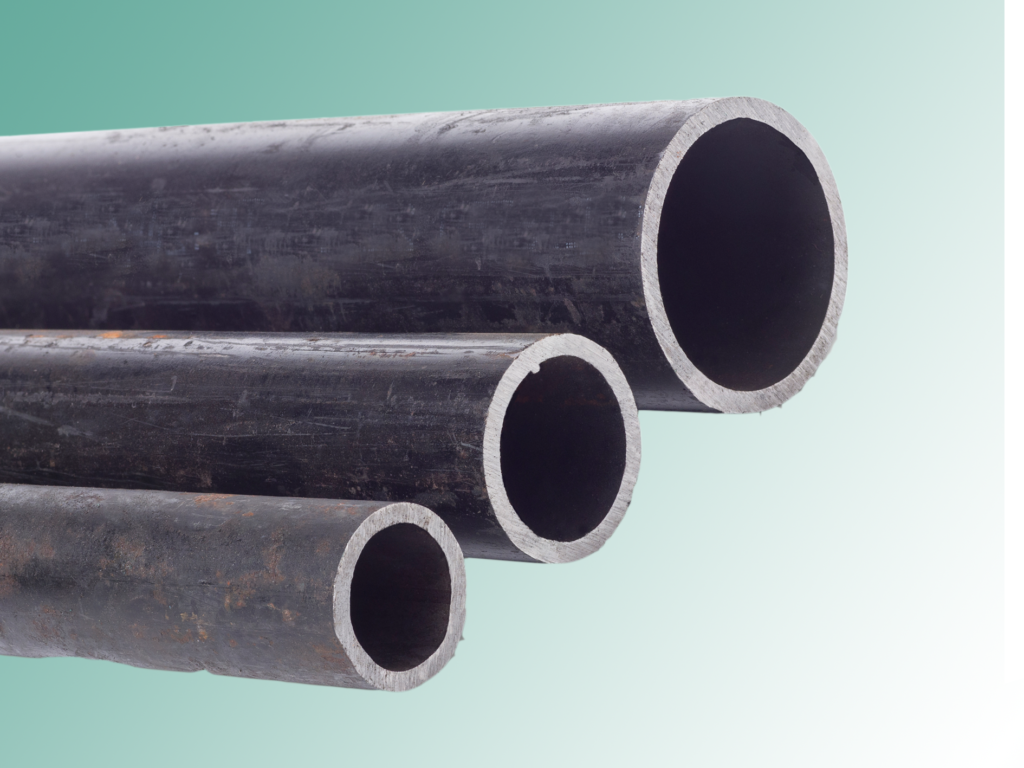
Black Iron Pipe At Home Depot

Dealing with inconsistent heating or cooling in your home? It's a common problem, often leading to discomfort and higher energy bills. Sometimes, the issue can be traced back to the piping connected to your furnace or boiler, and specifically, black iron pipe – often readily available at your local Home Depot. This article provides a step-by-step troubleshooting guide to help you diagnose and address some common problems, with a focus on what you can safely handle yourself versus when to call in a professional HVAC technician.
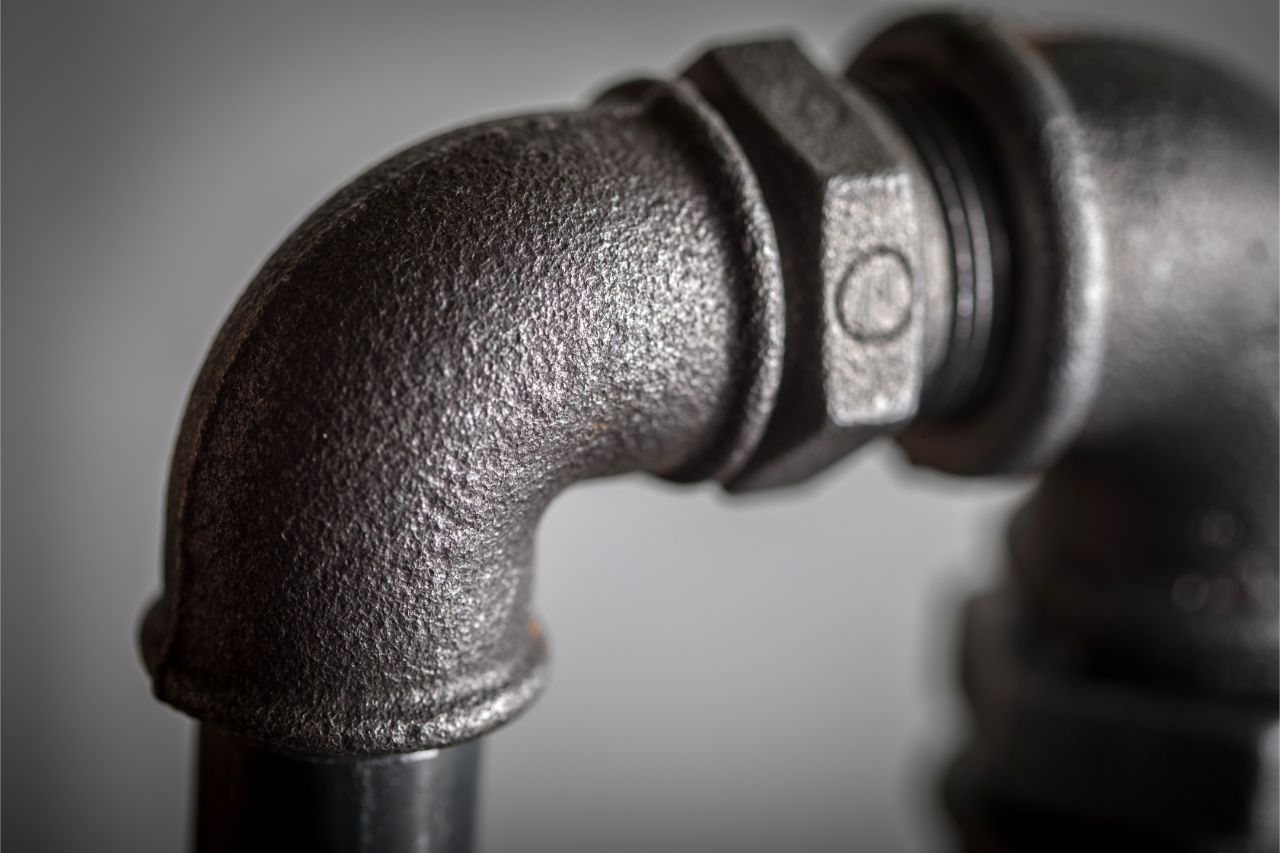
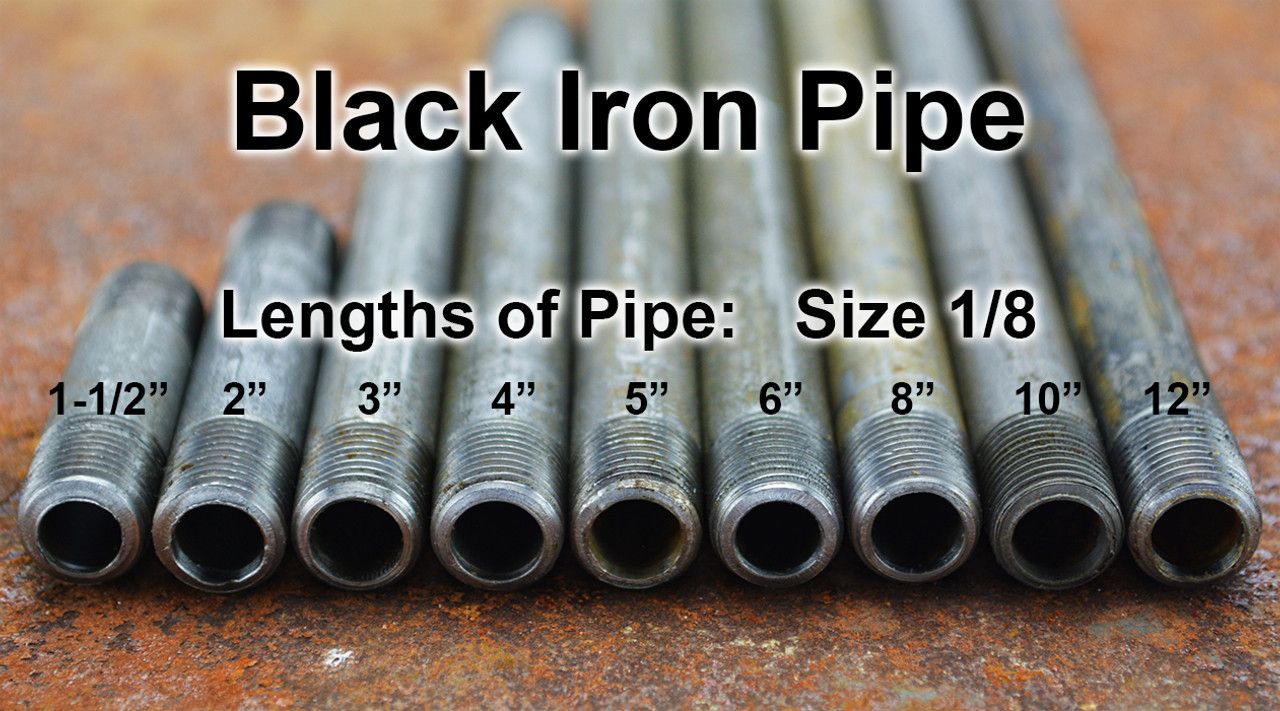
Understanding Black Iron Pipe in Your HVAC System
Black iron pipe is commonly used for gas lines in residential heating systems. It's durable and relatively inexpensive. However, like any component, it can experience issues over time. Before we begin, a crucial reminder: Gas is dangerous. If at any point you smell gas, hear hissing, or have any doubt about your ability to safely work with the gas line, immediately evacuate the area and call your gas company or a qualified HVAC professional.
The Problem: Uneven Heating or Cooling
Imagine one room is noticeably colder than others, or your AC struggles to cool the entire house evenly. While ductwork, insulation, and the HVAC unit itself are often suspects, the gas supply to your furnace can also be a contributing factor, particularly if your furnace isn't receiving enough gas to operate efficiently.
Troubleshooting Steps: A Methodical Approach
Let's break down the troubleshooting process into manageable steps. Remember to prioritize safety above all else.
Step 1: Preliminary Checks (No Tools Required)
These initial checks can often reveal obvious issues without requiring any tools.
- Furnace Filter: A dirty filter restricts airflow, impacting furnace performance and potentially causing the system to work harder. Check the filter and replace it if it's clogged. This is a basic maintenance task you should perform regularly (typically every 1-3 months).
- Pilot Light (Older Furnaces): If you have an older furnace with a pilot light, verify that the pilot light is lit. A blown-out pilot light will prevent the furnace from igniting. Follow the manufacturer's instructions to relight it. If it repeatedly goes out, there could be a problem with the gas valve or thermocouple (a safety device), requiring professional attention.
- Gas Valve Position: Locate the gas valve near your furnace. It should be in the "ON" position. Sometimes, valves get accidentally bumped or switched off. If it's off, turn it back on and see if that resolves the issue. If the valve feels stiff or difficult to turn, don't force it – call a professional.
- Visual Inspection of Pipes: Carefully examine the visible sections of the black iron pipe leading to your furnace for any obvious signs of damage, such as dents, cracks, or corrosion. Pay close attention to joints and connections. If you see any damage, do not attempt to repair it yourself. Contact a qualified HVAC technician immediately.
- Smell for Gas: This is critical. If you smell gas at any point, evacuate the area and call your gas company or a qualified HVAC professional. Do not attempt any further troubleshooting.
Step 2: More Detailed Inspection (Basic Tools Required)
These steps require a few basic tools. If you're uncomfortable using tools, skip these steps and call a professional.
- Leak Test (Soap and Water): Prepare a solution of soapy water (dish soap works well). Carefully brush the soapy water onto the joints and connections of the black iron pipe. Watch for bubbles. Bubbles indicate a gas leak. If you detect a leak, immediately turn off the gas supply to the furnace (if you can safely do so), evacuate the area, and call your gas company or a qualified HVAC professional. This test requires a spray bottle or brush and dish soap.
- Check for Corrosion: Use a wire brush to gently clean any surface rust or corrosion you find on the black iron pipe. Excessive corrosion can weaken the pipe and eventually lead to leaks. If the corrosion is severe or you see pitting (small holes), it's a sign of significant damage, and you should consult with a professional about pipe replacement. This requires a wire brush.
- Pressure Test (Requires a Manometer - Professional Recommended): This step is generally not recommended for homeowners. Measuring the gas pressure requires specialized equipment (a manometer) and knowledge of gas pressure specifications. Incorrect pressure can damage your furnace or create a safety hazard. If you suspect a pressure issue, call a qualified HVAC technician.
Step 3: Simple DIY Actions (If Safe and Appropriate)
If the preliminary checks reveal no major issues and you're comfortable proceeding, here are a few simple DIY actions you can take. Again, remember safety first.
- Tighten Fittings (If Loose): If you find any loose fittings on the black iron pipe (after confirming there are no leaks with the soap and water test), gently tighten them using two pipe wrenches. Use one wrench to hold the pipe steady and the other to tighten the fitting. Do not overtighten, as this can damage the threads. If the fitting is severely corroded or damaged, do not attempt to tighten it – call a professional.
- Insulate Exposed Pipes: If sections of the black iron pipe are exposed to cold temperatures (e.g., in an unheated basement or garage), insulating them can help prevent condensation and potential corrosion. Use pipe insulation sleeves or wrap the pipes with insulation tape. This is a preventative measure that can extend the life of your pipes.
- Clean Burners (If Accessible and Comfortable): Some furnace models allow you to access and clean the burners. Only attempt this if you feel comfortable and have the manufacturer's instructions. Use a small brush or vacuum cleaner to remove any dust or debris from the burners. Clogged burners can reduce furnace efficiency. However, never disassemble any gas components.
When to Call a Professional
There are many situations where DIY troubleshooting and repairs are not recommended and require the expertise of a qualified HVAC professional. Never attempt to work on gas lines if you are not properly trained and licensed. Here are some key scenarios:
- Any Suspected Gas Leak: As mentioned before, if you smell gas or detect a leak with the soap and water test, immediately evacuate the area and call your gas company or a qualified HVAC professional.
- Damaged Pipes: If you see any dents, cracks, severe corrosion, or pitting on the black iron pipe, do not attempt to repair it yourself. Contact a professional for pipe replacement.
- Pilot Light Problems: If your pilot light repeatedly goes out or you have trouble relighting it, there could be a problem with the gas valve, thermocouple, or other components, requiring professional attention.
- Pressure Issues: If you suspect a gas pressure problem, do not attempt to adjust the pressure yourself. Call a qualified HVAC technician to diagnose and correct the issue.
- Complex Repairs: Any repairs that involve disassembling gas components, replacing gas valves, or working on the furnace's internal mechanisms should be left to a professional.
- Uncertainty: If you're unsure about any step or feel uncomfortable working with gas lines, it's always best to err on the side of caution and call a professional.
- Permits & Codes: Many gas line repairs and replacements require permits and must be performed by licensed professionals to comply with local building codes. Failing to comply with these codes can result in fines and safety hazards.
Safety First: Important Considerations
Working with gas lines can be dangerous. Here are some important safety considerations:
- Turn Off the Gas: Before starting any work on the gas line, turn off the gas supply to the furnace at the gas valve.
- Ventilation: Ensure adequate ventilation in the area where you're working. Open windows and doors to allow fresh air to circulate.
- No Smoking: Do not smoke or use any open flames near the gas line.
- Use the Right Tools: Use appropriate tools for the job. Pipe wrenches are essential for working with black iron pipe.
- Follow Instructions: Carefully follow the manufacturer's instructions for your furnace and any other components you're working with.
- Wear Safety Glasses: Protect your eyes from debris by wearing safety glasses.
- Call for Help: If you're unsure about any step, don't hesitate to call a qualified HVAC professional.
Preventative Maintenance
Regular preventative maintenance can help extend the life of your HVAC system and prevent many of the problems discussed above. Here are some tips:
- Regular Filter Changes: Change your furnace filter regularly (typically every 1-3 months).
- Annual Inspections: Schedule an annual inspection and maintenance checkup with a qualified HVAC professional. They can identify potential problems early on and perform necessary maintenance tasks, such as cleaning burners, checking gas pressure, and inspecting the flue.
- Keep the Area Clean: Keep the area around your furnace clean and free of debris.
- Monitor for Leaks: Periodically check for gas leaks using the soap and water test.
By following these troubleshooting steps and prioritizing safety, you can often diagnose and address common heating and cooling problems related to black iron pipe in your home. However, remember that gas lines can be dangerous, and it's always best to err on the side of caution and call a qualified HVAC professional when in doubt.