Black Iron Pipe Gas Sizing Chart

Understanding black iron pipe gas sizing charts is crucial for anyone working with natural gas or propane systems. These charts are essential for ensuring the safe and efficient operation of gas appliances within a building. Improper gas line sizing can lead to serious problems, including inadequate appliance performance, gas leaks, and even explosions. This guide will provide a comprehensive overview of black iron pipe gas sizing charts, explaining how to use them and the factors to consider when determining the correct pipe size for your gas system.
What is a Black Iron Pipe Gas Sizing Chart?
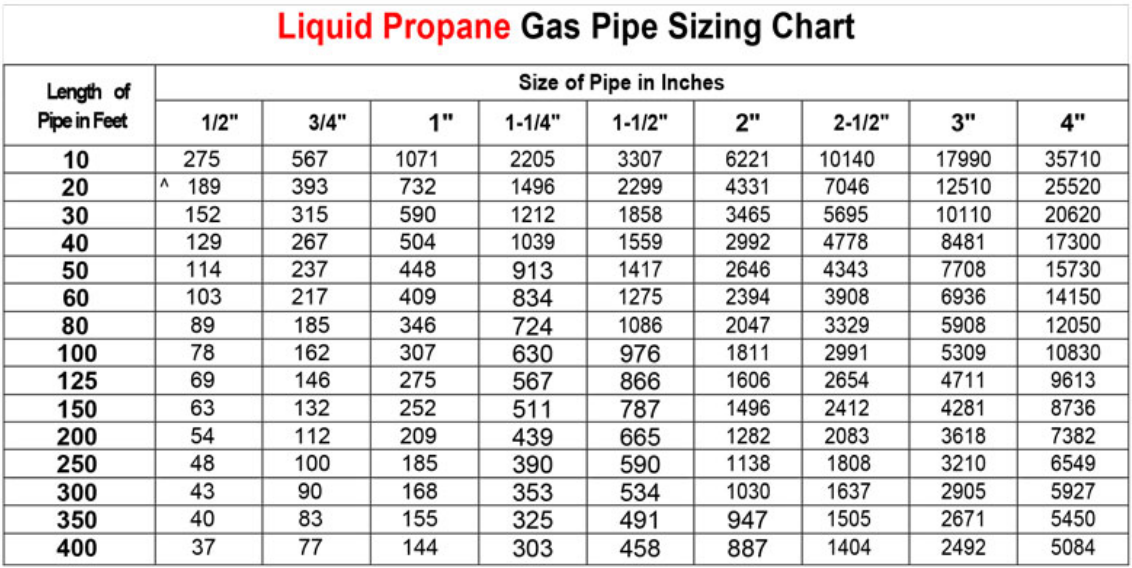
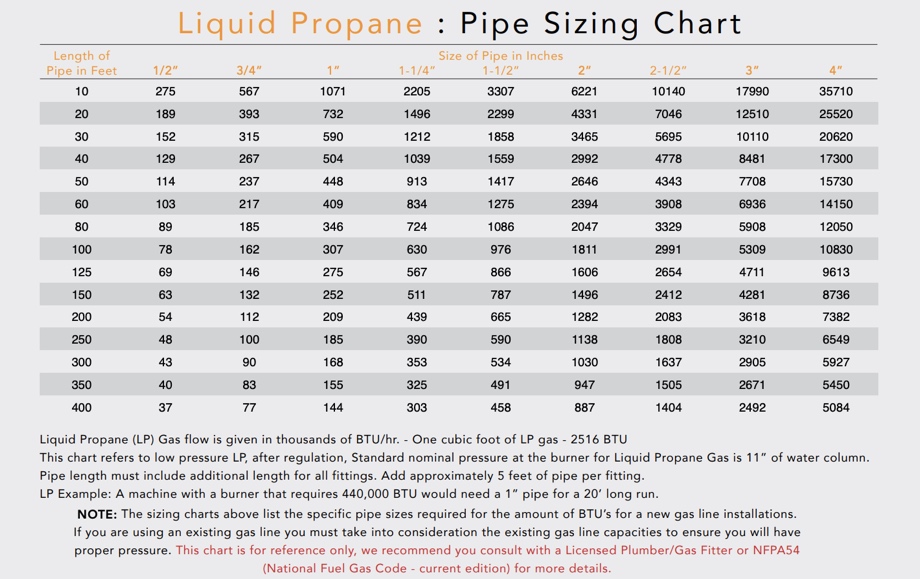
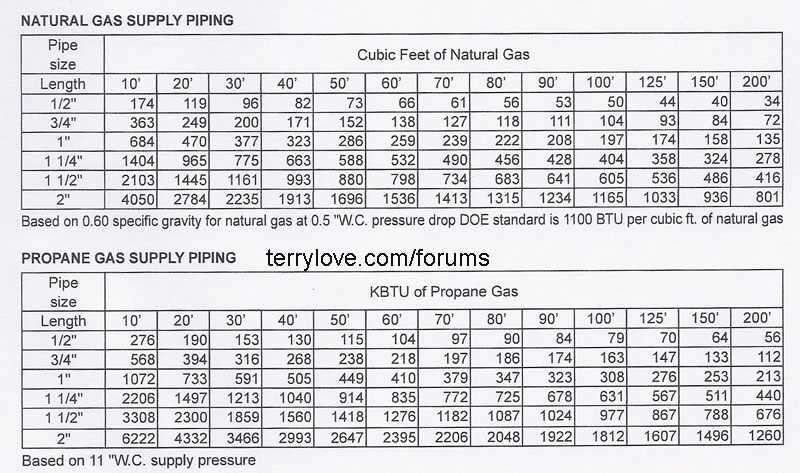
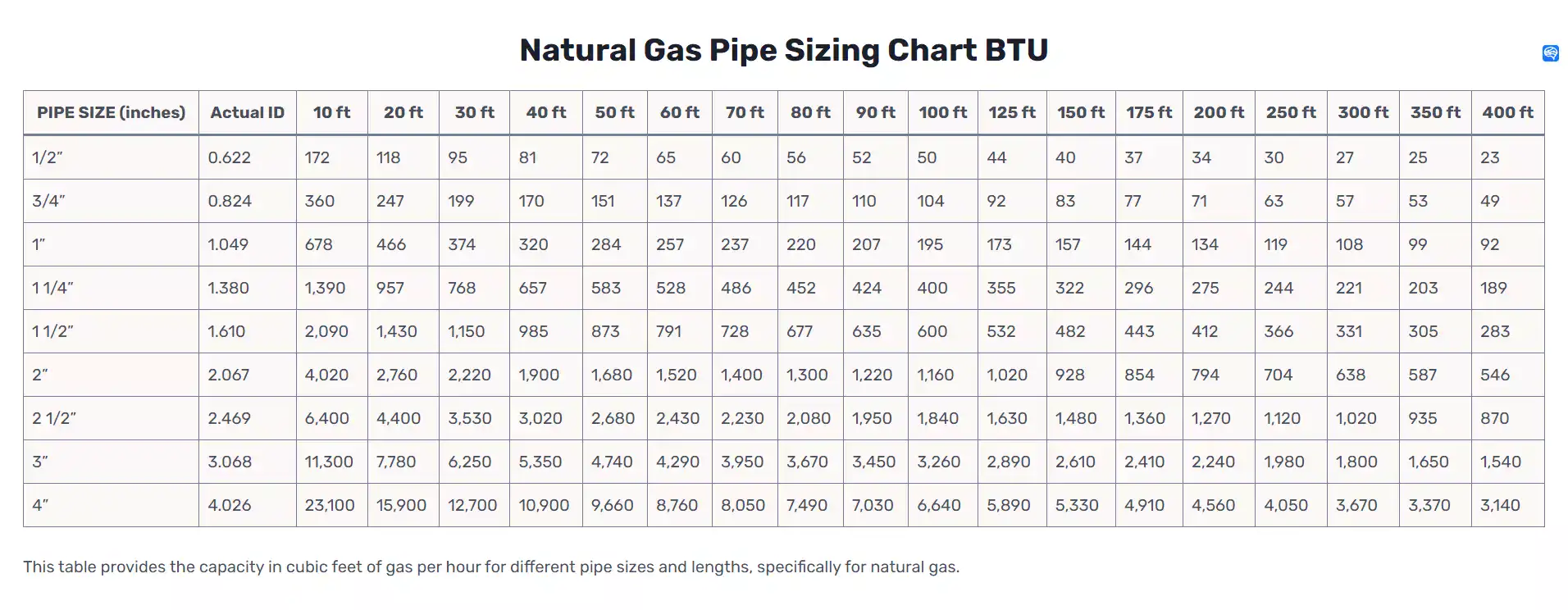
A black iron pipe gas sizing chart is a table that provides information on the maximum length of pipe allowed for a specific pipe diameter, gas type, gas pressure, and gas flow rate (also known as gas demand). In essence, it helps you choose the correct diameter of black iron pipe needed to deliver enough gas to all your appliances without excessive pressure drop. These charts are typically based on national plumbing codes and industry standards, such as those provided by the International Fuel Gas Code (IFGC).
Think of it like this: Imagine you're trying to deliver water through a hose. A small hose will restrict the water flow, especially if the hose is very long. A larger hose allows more water to flow more easily. The gas sizing chart helps you choose the correct "hose" (pipe diameter) for your gas system to ensure sufficient "water" (gas) flow to your appliances.
Key Components of a Gas Sizing Chart
To effectively use a gas sizing chart, you need to understand its key components. These include:
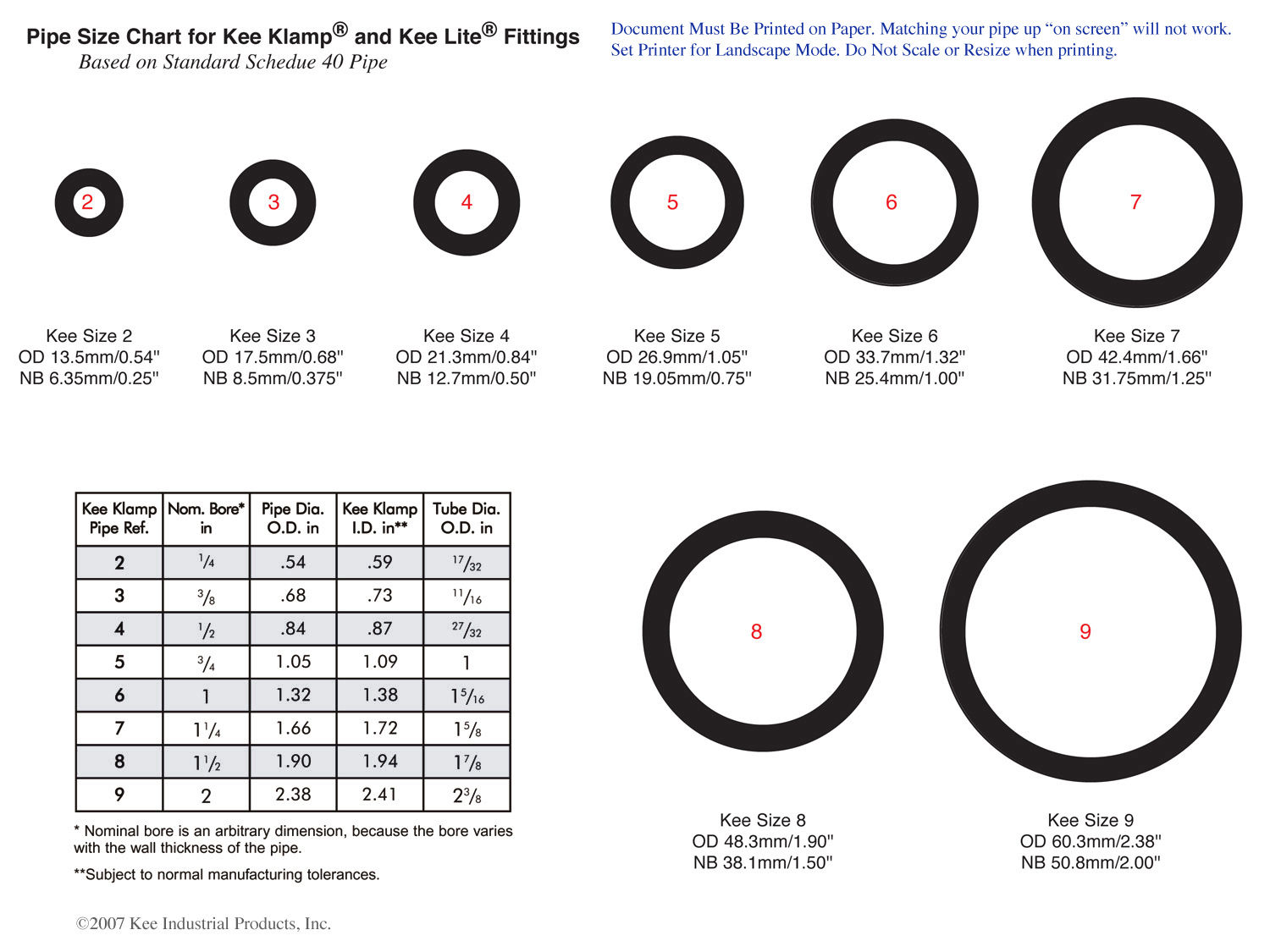
- Pipe Diameter: This refers to the inner diameter of the black iron pipe, typically measured in inches. Common sizes include 1/2 inch, 3/4 inch, 1 inch, 1 1/4 inch, and larger. Larger diameters allow for greater gas flow.
- Gas Type: Gas sizing charts are specific to either natural gas or propane (LP gas). The energy content and pressure characteristics of these gases are different, requiring separate charts. Always use the correct chart for your gas type!
- Gas Pressure: This is the pressure at which the gas is supplied to the pipe, usually measured in inches of water column (in. w.c.). Common gas pressures are 7 in. w.c. for natural gas and 11 in. w.c. for propane.
- Gas Flow Rate (Demand): This represents the amount of gas that all appliances connected to the pipe will consume simultaneously. It is typically measured in British thermal units per hour (BTU/hr) or cubic feet per hour (CFH). Determining the correct gas demand is a crucial step, which will be explained later.
- Pipe Length: This is the total equivalent length of the pipe run, including straight sections and fittings. Fittings, like elbows and tees, add resistance to gas flow, so their equivalent length must be factored in.
Steps to Use a Gas Sizing Chart
Follow these steps to determine the correct black iron pipe size for your gas system:
- Determine the Gas Type and Pressure: Identify whether you are using natural gas or propane and the corresponding supply pressure. This information is usually available from your gas utility company or propane supplier.
- Calculate the Total Gas Demand: This is perhaps the most critical step. You need to determine the maximum amount of gas that all connected appliances will consume simultaneously. This is done by adding up the BTU/hr or CFH rating of each appliance. These ratings are usually found on the appliance's nameplate or in the owner's manual.
Example: Let's say you have a furnace rated at 80,000 BTU/hr, a water heater rated at 40,000 BTU/hr, and a gas range rated at 60,000 BTU/hr. The total gas demand would be 80,000 + 40,000 + 60,000 = 180,000 BTU/hr.
Important Note: Don't assume all appliances will be running at their maximum rating simultaneously. However, it's always best to err on the side of caution and use a higher estimate than a lower one. You might consider using a diversity factor for homes with many appliances, but this should be done under the guidance of a qualified professional.
- Measure the Pipe Length: Measure the length of the pipe run from the gas meter to the furthest appliance. This is the actual length of the pipe.
- Calculate the Equivalent Pipe Length: Account for the pressure drop caused by fittings. Each fitting (elbows, tees, valves) adds resistance to gas flow, effectively increasing the length of the pipe. Use a fitting equivalent length table (available online or in plumbing codes) to determine the equivalent length of each fitting in your system. Add these equivalent lengths to the actual pipe length to get the total equivalent length.
Example: Suppose your actual pipe length is 50 feet, and you have 4 elbows (each with an equivalent length of 2 feet) and 1 tee (with an equivalent length of 5 feet). The total equivalent length would be 50 + (4 x 2) + 5 = 63 feet.
- Consult the Gas Sizing Chart: Using the gas type, gas pressure, total gas demand, and total equivalent length, find the minimum pipe diameter that can handle the required gas flow without excessive pressure drop. The chart will usually show different pipe lengths for each diameter. Choose the diameter that corresponds to a length equal to or greater than your calculated equivalent length for the specified gas demand.
- Select the Appropriate Pipe Size: Choose the pipe diameter indicated by the gas sizing chart. If the calculated equivalent length falls between two pipe diameters, always choose the larger diameter.
Factors Affecting Gas Pipe Sizing
Several factors can affect gas pipe sizing, and it's important to consider these during the design process:
- Specific Gravity of Gas: The specific gravity of natural gas and propane affects their flow characteristics. Gas sizing charts account for these differences.
- Altitude: At higher altitudes, the air is thinner, which can affect gas appliance performance. Some codes require adjustments to gas pipe sizing at higher elevations. Consult local codes and a qualified professional.
- Future Appliance Additions: Plan for future gas appliance additions when sizing your gas pipes. It's better to oversize the pipes initially than to have to replace them later.
- Material of Pipe: Gas sizing charts are primarily for black iron pipe. Other materials, such as copper or polyethylene, have different flow characteristics and require different sizing calculations. Never use a black iron pipe gas sizing chart for other types of piping.
- Local Codes and Regulations: Always comply with local plumbing and gas codes, which may have specific requirements for gas pipe sizing. These codes often take precedence over general guidelines.
Common Mistakes to Avoid
Here are some common mistakes to avoid when sizing gas pipes:
- Using the wrong gas sizing chart: Always use the correct chart for the gas type (natural gas or propane) and pressure.
- Underestimating gas demand: Accurately calculate the total gas demand of all appliances. Err on the side of caution and overestimate if necessary.
- Forgetting to account for fitting equivalent lengths: Fittings significantly increase pressure drop. Always include their equivalent lengths in your calculations.
- Ignoring local codes and regulations: Local codes may have specific requirements that must be followed.
- Improper installation: Even if the pipe is correctly sized, improper installation can lead to gas leaks and other problems. Ensure that all connections are properly tightened and tested for leaks.
- Using undersized pipe: This is perhaps the most dangerous mistake. An undersized pipe can restrict gas flow, leading to appliance malfunction, carbon monoxide buildup, and potentially an explosion.
Why Accurate Gas Pipe Sizing is Crucial
Accurate gas pipe sizing is essential for several reasons:
- Safety: Proper sizing prevents gas leaks and explosions, ensuring the safety of occupants.
- Appliance Performance: Correctly sized pipes ensure that appliances receive the required gas pressure and flow, allowing them to operate efficiently and reliably. Insufficient gas flow can cause appliances to malfunction, produce excessive carbon monoxide, or shut down prematurely.
- Energy Efficiency: Properly sized pipes minimize pressure drop, reducing the amount of energy required to deliver gas to appliances.
- Code Compliance: Accurate sizing ensures compliance with local plumbing and gas codes, avoiding costly fines and legal issues.
When to Consult a Professional
While this guide provides a comprehensive overview of black iron pipe gas sizing, it's important to recognize when to consult a qualified professional. Consider seeking professional help in the following situations:
- Complex Gas Systems: For large or complex gas systems with multiple appliances and long pipe runs.
- Uncertainty About Gas Demand: If you are unsure about the gas demand of your appliances or are planning to add new appliances in the future.
- High Altitude Installations: At higher altitudes, gas pipe sizing requires special considerations.
- When Required by Local Codes: Many jurisdictions require a licensed plumber or gas fitter to design and install gas piping systems.
- Whenever you are unsure: It's always better to be safe than sorry. If you have any doubts about your ability to properly size gas pipes, consult a professional.
Conclusion
Understanding and utilizing black iron pipe gas sizing charts is vital for ensuring the safe and efficient operation of gas systems. By accurately determining gas demand, calculating equivalent pipe lengths, and consulting the appropriate sizing chart, you can select the correct pipe diameter for your application. Remember to always prioritize safety and comply with local codes and regulations. When in doubt, consult a qualified professional to ensure the integrity and safety of your gas piping system. The cost of professional assistance is far less than the potential consequences of improper gas line sizing.