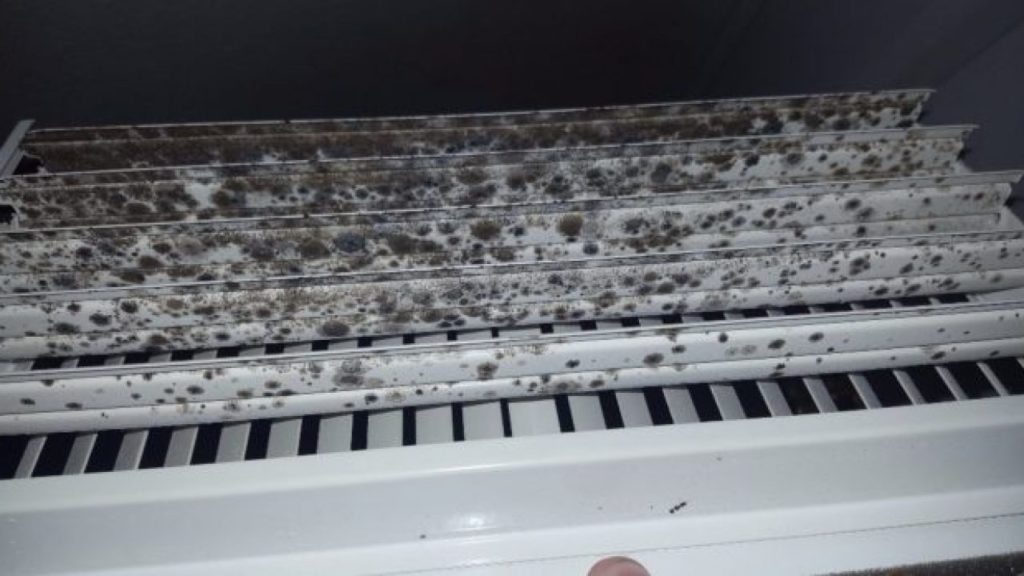
Black Mold Coming Out Of Vents
Black Mold Coming Out of Vents: A Comprehensive Guide for HVAC Professionals and Homeowners
The discovery of black mold emerging from air vents is a serious concern, impacting both indoor air quality and the integrity of HVAC systems. This article serves as a comprehensive guide for HVAC professionals, students, employers, and homeowners, detailing the causes, risks, identification, remediation strategies, and preventative measures associated with mold contamination in HVAC systems.
Understanding the Problem: What is Black Mold and Why is it in My Vents?
Black mold, often referred to as *Stachybotrys chartarum*, is a type of fungus that thrives in damp, humid environments. Its presence in HVAC systems indicates a significant moisture problem. Common causes include:
- Condensation: Temperature differences between the air passing through ducts and the surrounding environment create condensation, especially in humid climates. Poorly insulated ducts exacerbate this issue.
- Leaks: Roof leaks, plumbing leaks, or even condensation from improperly draining air conditioning units can introduce moisture into the ductwork.
- High Humidity: Areas with consistently high humidity provide the ideal breeding ground for mold spores.
- Dirty Air Filters: Clogged or dirty air filters restrict airflow, potentially leading to condensation and mold growth.
The dangers of black mold exposure are well-documented. Mold spores can trigger allergic reactions, respiratory problems (including asthma), and other health issues, particularly in vulnerable populations such as children, the elderly, and individuals with compromised immune systems.
Identifying Mold Growth in HVAC Systems
Early detection is crucial in preventing widespread mold contamination. HVAC technicians and homeowners should be vigilant for the following signs:
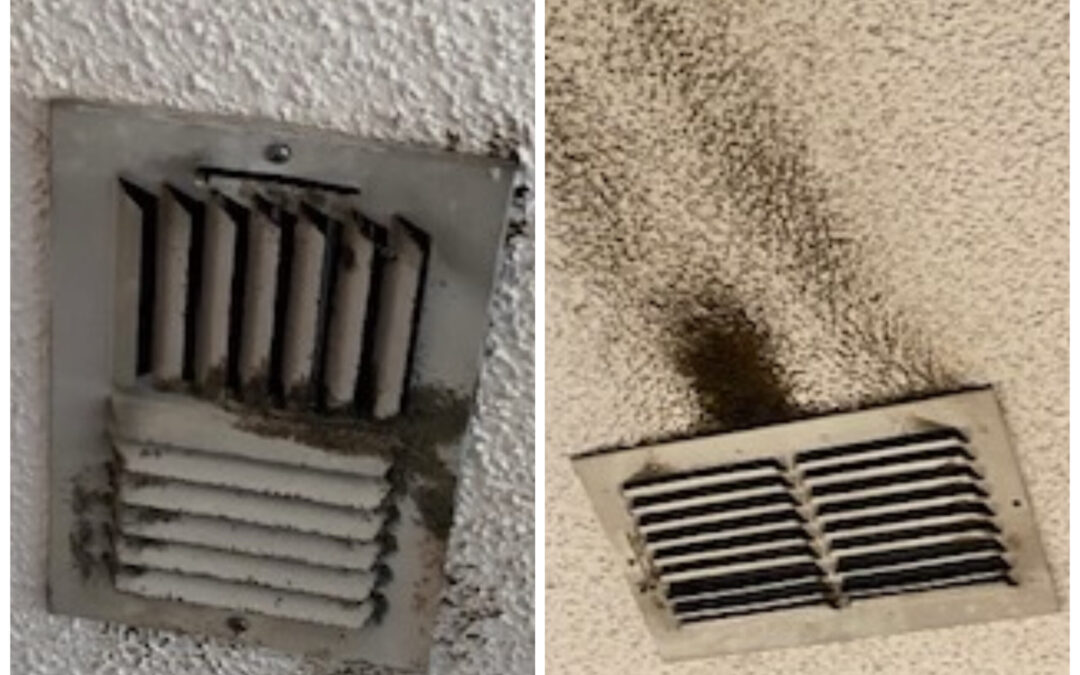
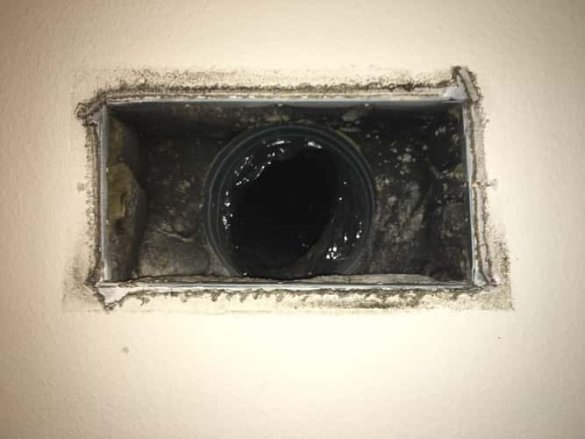
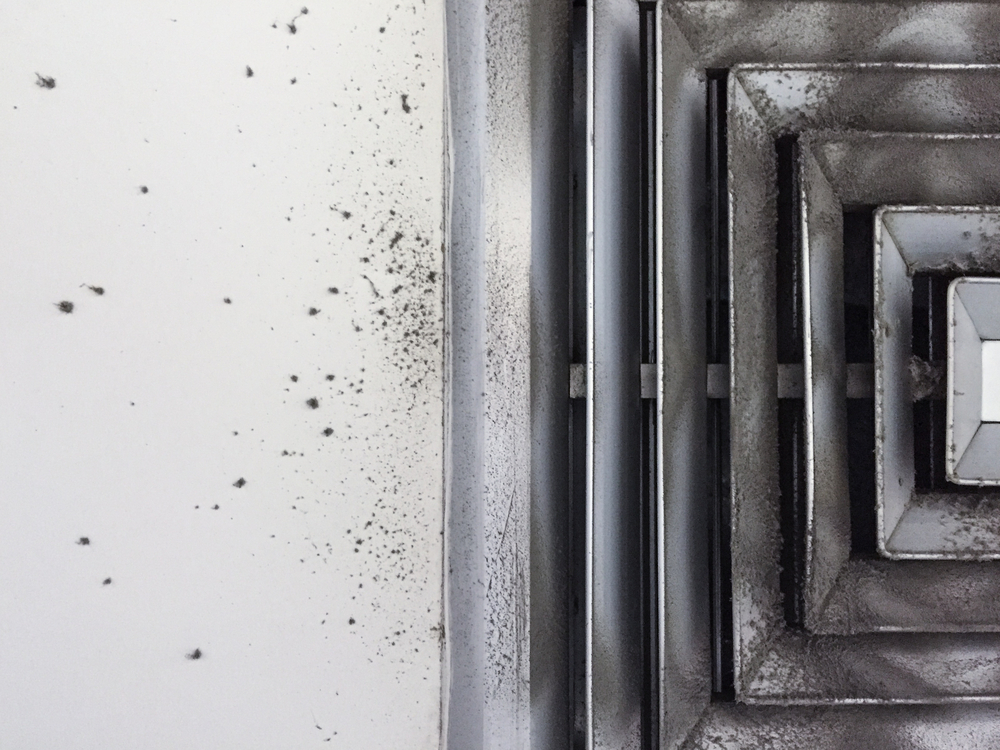
- Visible Mold: Inspect vents, ductwork, and air handlers for visual signs of mold growth, often appearing as black or greenish-black patches.
- Musty Odor: A persistent musty or earthy odor emanating from vents is a strong indicator of mold presence, even if it's not immediately visible.
- Allergy Symptoms: Increased allergy symptoms, such as sneezing, coughing, or itchy eyes, when the HVAC system is running may suggest mold exposure.
- Water Stains: Look for water stains on ceilings, walls, or around the HVAC unit, which could indicate leaks contributing to mold growth.
If mold is suspected, professional testing is recommended to confirm its presence and identify the specific species. This typically involves air sampling and surface sampling conducted by a qualified environmental testing company.
Remediation Strategies: A Step-by-Step Approach
Mold remediation in HVAC systems is a complex process that requires specialized knowledge and equipment. Improper handling can release mold spores into the air, worsening the problem. Here's a breakdown of the recommended approach:
- Source Identification and Repair: The first step is to identify and eliminate the source of moisture. This may involve repairing leaks, improving insulation, or addressing drainage issues.
- Containment: The affected area should be contained to prevent the spread of mold spores to other parts of the building. This typically involves using plastic sheeting and negative air pressure.
- Personal Protective Equipment (PPE): Workers involved in mold remediation must wear appropriate PPE, including respirators, gloves, and protective clothing.
- Cleaning and Disinfection: Mold-contaminated surfaces should be thoroughly cleaned with antimicrobial solutions. Porous materials, such as drywall or insulation, may need to be removed and replaced.
- Duct Cleaning: Professional duct cleaning is essential to remove mold spores and debris from the ductwork. This typically involves using specialized equipment, such as HEPA-filtered vacuums and rotary brushes.
- Verification: After remediation, air and surface samples should be taken to verify that the mold has been successfully removed and that air quality has returned to acceptable levels.
Important Note: Extensive mold contamination should be handled by certified mold remediation professionals. Trying to DIY remediation without proper training and equipment can be dangerous and ineffective.
Preventative Measures: Keeping Mold at Bay
Preventing mold growth in HVAC systems is far more effective than dealing with a full-blown infestation. Here are some key preventative measures:
- Regular Maintenance: Schedule regular HVAC maintenance to ensure proper system operation and identify potential problems early on.
- Air Filter Replacement: Replace air filters regularly (typically every 1-3 months) to maintain proper airflow and prevent dust buildup. Consider using high-efficiency particulate air (HEPA) filters.
- Humidity Control: Maintain optimal humidity levels (between 30% and 50%) in the building. Use dehumidifiers in areas prone to high humidity.
- Proper Insulation: Ensure that ducts are properly insulated to prevent condensation.
- Prompt Leak Repair: Address any leaks promptly to prevent moisture from accumulating in the HVAC system.
- UV Lights: Consider installing UV lights in the HVAC system to kill mold spores and other microorganisms.
Career Paths in HVAC and Mold Remediation
The growing awareness of indoor air quality and the increasing prevalence of mold-related issues have created significant career opportunities in the HVAC industry and mold remediation field. Here's an overview of potential career paths and related credentials:
HVAC Technician
HVAC technicians are responsible for installing, maintaining, and repairing heating, ventilation, and air conditioning systems. Their role is crucial in identifying and addressing potential mold problems. The Bureau of Labor Statistics projects a growth rate of 5% for HVAC technicians from 2022 to 2032, indicating a steady demand for skilled professionals. The median annual wage for HVAC technicians was $51,390 in May 2022.
Relevant Certifications:
- EPA Section 608 Certification: Required for technicians who handle refrigerants.
- NATE Certification: A nationally recognized certification that demonstrates competency in HVAC service and installation. NATE certification can lead to better job opportunities and higher earning potential.
- Industry-Specific Training: Many vocational schools and technical colleges offer HVAC training programs that cover mold awareness and remediation techniques.
Mold Remediation Specialist
Mold remediation specialists are trained to safely and effectively remove mold from buildings. They must have a thorough understanding of mold biology, remediation techniques, and safety protocols.
Relevant Certifications:
- IICRC Certification (Institute of Inspection, Cleaning and Restoration Certification): Offers certifications in mold remediation, water damage restoration, and other related fields.
- ACAC Certification (American Council for Accredited Certification): Provides certifications for individuals involved in indoor environmental assessment and remediation.
- State-Specific Licensing: Some states require mold remediation contractors to be licensed.
Indoor Air Quality (IAQ) Specialist
IAQ specialists focus on assessing and improving the air quality inside buildings. They may conduct air sampling, identify sources of contamination, and recommend solutions to improve ventilation and filtration.
Relevant Certifications:
- Certified Indoor Environmentalist (CIE): Offered by the Indoor Air Quality Association (IAQA).
- Certified Microbial Consultant (CMC): Offered by the American Industrial Hygiene Association (AIHA).
The Employer's Perspective: Hiring and Training
Employers in the HVAC industry face the challenge of ensuring that their technicians are adequately trained to address mold-related issues. Here are some key considerations for employers:
- Hiring Practices: Prioritize candidates with relevant certifications and experience in mold identification and remediation.
- Training Programs: Invest in ongoing training programs for technicians to keep them up-to-date on the latest mold remediation techniques and safety protocols. Partnering with organizations like NATE or IICRC for training can ensure high-quality instruction.
- Equipment and Resources: Provide technicians with the necessary equipment and resources to safely and effectively address mold problems, including PPE, testing equipment, and remediation tools.
- Insurance Coverage: Ensure that the company's insurance policy covers mold remediation work.
The Future of HVAC and Indoor Air Quality
The focus on indoor air quality is expected to intensify in the coming years, driven by increasing awareness of the health risks associated with mold and other contaminants. This trend will likely lead to greater demand for HVAC professionals with expertise in IAQ and mold remediation. Emerging technologies, such as advanced filtration systems and smart HVAC controls, will also play a significant role in improving indoor air quality and preventing mold growth.
For HVAC students and professionals, specializing in IAQ and mold remediation can be a rewarding and lucrative career path. By obtaining relevant certifications, staying up-to-date on industry trends, and developing strong problem-solving skills, technicians can position themselves for success in this growing field.
In conclusion, addressing black mold coming out of vents requires a multifaceted approach that involves understanding the causes, identifying the problem early, implementing effective remediation strategies, and taking preventative measures. By working together, HVAC professionals, homeowners, and employers can create healthier and safer indoor environments.