Bleeding Air From Closed Loop Hydraulic System
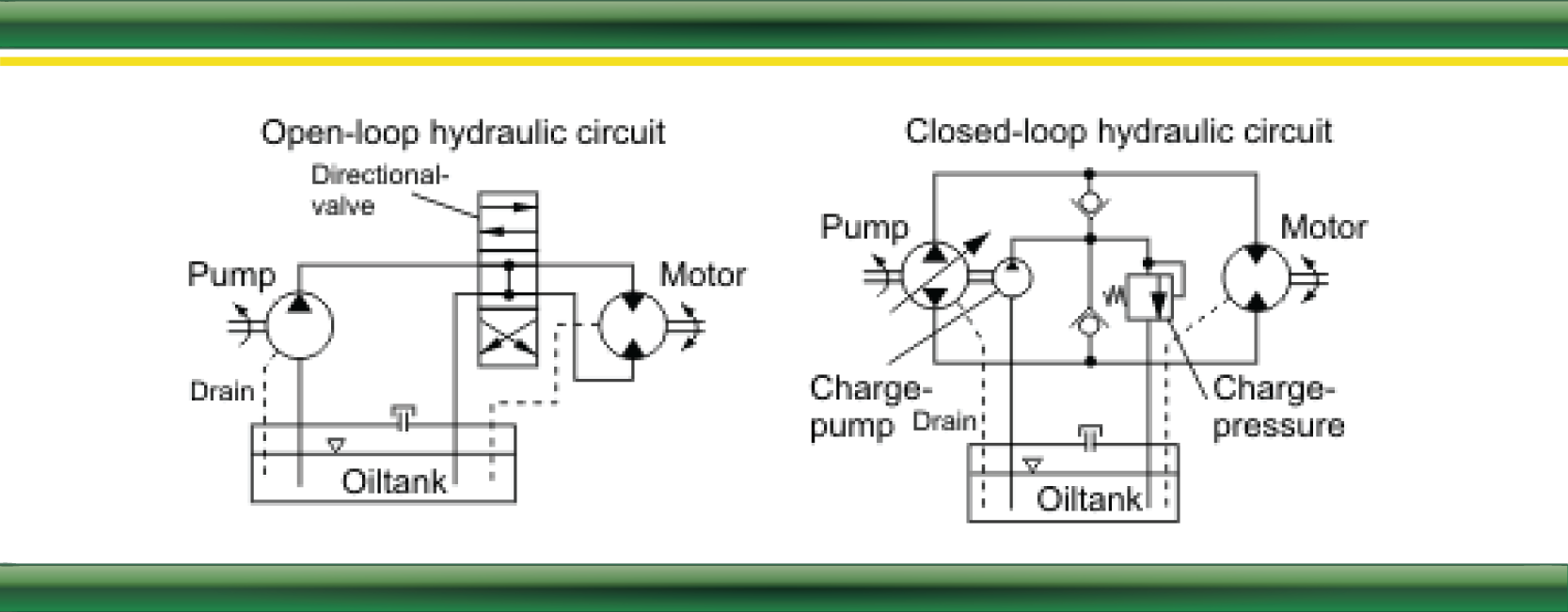
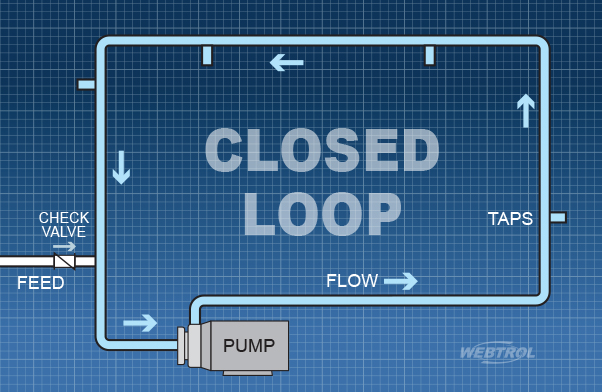
Closed-loop hydraulic systems, vital for efficient heating and cooling in residential and commercial buildings, rely on circulating a fluid – usually water or a water/glycol mixture – through a sealed network of pipes. From radiant floor heating in a cozy home to a large chiller system in a skyscraper, these systems offer precise temperature control and energy savings. However, the presence of air within the system can drastically reduce its performance and lifespan. This article explores the causes, effects, and methods of bleeding air from closed-loop hydraulic systems, catering to homeowners, HVAC technicians, and facility managers alike.
Understanding the Impact of Air in Closed-Loop Systems
Unlike open systems where fluid is constantly replenished, closed-loop systems recirculate the same fluid. While designed to be airtight, air can enter through various means:
- Initial Fill-Up: Even with careful filling, air pockets inevitably remain.
- Leaks: Negative pressure in the system can draw air in through even the smallest leaks.
- Component Degradation: Rubber hoses or seals can degrade over time, allowing air to permeate.
- Dissolved Air: Water naturally contains dissolved air, which can come out of solution under certain temperature and pressure conditions.
The presence of air leads to a cascade of problems:
- Reduced Heating/Cooling Capacity: Air is a poor conductor of heat compared to water. Air pockets in radiators, baseboards, or heat exchangers insulate the fluid from the surrounding environment, reducing heat transfer efficiency. A radiator that’s cold at the top despite the boiler running is a common sign of trapped air.
- Pump Cavitation: Air bubbles passing through the circulating pump can collapse violently, causing noise, vibration, and damage to the pump impeller. This phenomenon, known as cavitation, shortens pump lifespan and increases energy consumption.
- Corrosion: Dissolved oxygen in the water accelerates corrosion of metal components like pipes, boilers, and pumps. This leads to premature failure and costly repairs.
- Flow Imbalance: Air pockets can disrupt the flow of fluid in different parts of the system, leading to uneven heating or cooling. This is particularly noticeable in multi-zone systems.
- Noise: Gurgling, hissing, or banging sounds in the pipes are often signs of air trapped within the system.
Identifying Air in Your Closed-Loop System
Detecting air problems early can prevent significant damage and efficiency loss. Here are some key indicators:
- Cold Spots on Radiators/Baseboards: As mentioned earlier, this is a classic sign of trapped air.
- Noisy Operation: Unusual gurgling, hissing, or banging sounds coming from pipes or the boiler.
- Reduced Heating/Cooling Performance: The system takes longer to reach the desired temperature or struggles to maintain it.
- Pump Cavitation Noise: A grinding or rattling sound coming from the circulating pump.
- Pressure Fluctuations: Unstable pressure readings on the system's pressure gauge.
- Corrosion Evidence: Visible rust or corrosion on pipes, fittings, or the boiler.
Methods for Bleeding Air: A Comprehensive Guide
Bleeding air from a closed-loop system involves systematically removing trapped air pockets. The specific method depends on the system's design and the location of the air.
Manual Air Vents
Most residential and smaller commercial systems are equipped with manual air vents. These are small valves typically located at the highest points in the system, such as on radiators, baseboards, or near the expansion tank. To bleed air using a manual vent:
- Turn off the circulating pump. This prevents air from being drawn back into the system while bleeding.
- Locate the air vent.
- Use a radiator key or screwdriver to slowly open the valve.
- Listen for a hissing sound. This indicates air is escaping.
- Close the valve as soon as water starts to come out.
- Repeat the process at each vent in the system.
- Turn the circulating pump back on and check the system pressure. You may need to add water to the system to restore the proper pressure.
Important Note: Place a rag or container under the vent to catch any water that may escape.
Automatic Air Vents
Automatic air vents, commonly found in larger systems or in locations difficult to access, automatically release trapped air. They work by using a float mechanism that opens the valve when air accumulates and closes it when water reaches the valve.
While automatic air vents simplify the bleeding process, they can also fail over time due to mineral buildup or corrosion. Regularly inspect them and replace them if necessary. Signs of failure include continuous leaking or a failure to release air.
System Purging with a Boiler Drain
For systems with significant air accumulation or persistent air problems, a more thorough purging process may be required. This involves connecting a hose to the boiler drain (a valve located near the bottom of the boiler) and flushing the system with fresh water to force out the trapped air.
- Turn off the boiler and circulating pump.
- Connect a hose to the boiler drain and run it to a suitable drain or outdoors.
- Open the boiler drain valve and allow the system to drain until the water runs clear and free of air bubbles.
- Monitor the system pressure gauge. Close the boiler drain valve when the pressure drops to near zero.
- Slowly open the water supply valve to refill the system. Monitor the pressure gauge and close the supply valve when the system reaches the recommended operating pressure (typically 12-15 psi for residential systems).
- Bleed air from any manual air vents in the system.
- Turn on the boiler and circulating pump.
- Monitor the system for leaks and air accumulation. Repeat the purging process if necessary.
Caution: Be careful when draining and refilling the system to avoid water damage and scalding. Consult the boiler manufacturer's instructions for specific recommendations.
Using an Air Separator
Air separators are devices installed in the main circulation loop that continuously remove air from the system. They work by creating a low-velocity zone where air bubbles coalesce and rise to the top, where they are vented out. Air separators are particularly beneficial in larger systems or systems prone to air infiltration.
There are two main types of air separators:
- Coalescing Air Separators: These use a mesh or baffle system to promote the formation of larger air bubbles.
- Centrifugal Air Separators: These use centrifugal force to separate air from the water.
Air separators significantly reduce the frequency of manual bleeding and improve system efficiency.
Preventive Measures
Preventing air from entering the system in the first place is crucial for long-term performance and reliability. Here are some key preventive measures:
- Proper Installation: Ensure all connections are tight and properly sealed during installation.
- Regular Inspections: Periodically inspect the system for leaks and signs of corrosion.
- Water Treatment: Use appropriate water treatment chemicals to inhibit corrosion and prevent scale buildup. This is especially important in systems using well water or water with high mineral content. Consult with a water treatment specialist for recommendations.
- Expansion Tank Maintenance: Ensure the expansion tank is properly charged with air. A properly functioning expansion tank absorbs fluctuations in water volume due to temperature changes, preventing pressure spikes that can draw air into the system.
- Glycol Levels: In systems using glycol antifreeze, maintain the correct glycol concentration. Too little glycol can lead to corrosion, while too much can reduce heat transfer efficiency.
Cost Considerations
The cost of bleeding air from a closed-loop system varies depending on the method used and whether you hire a professional HVAC technician. Manual bleeding is a simple and inexpensive task that most homeowners can perform themselves. However, more complex procedures like system purging or installing an air separator may require professional assistance.
- DIY Manual Bleeding: Minimal cost, primarily for tools like a radiator key or screwdriver.
- Professional System Purging: $100 - $300, depending on the system size and complexity.
- Automatic Air Vent Replacement: $50 - $150, including parts and labor.
- Air Separator Installation: $300 - $1000+, depending on the type of separator and system size.
While professional services involve upfront costs, they can prevent costly repairs and improve system efficiency in the long run. Consider the potential savings in energy bills and the reduced risk of equipment failure when evaluating the cost of professional HVAC services.
Conclusion
Bleeding air from a closed-loop hydraulic system is essential for maintaining optimal heating and cooling performance, extending equipment lifespan, and reducing energy consumption. By understanding the causes and effects of air in the system, employing appropriate bleeding techniques, and implementing preventive measures, homeowners, HVAC technicians, and facility managers can ensure the efficient and reliable operation of their closed-loop systems for years to come. Regular maintenance, including air bleeding, is an investment in the longevity and efficiency of your HVAC system, saving you money and ensuring comfortable indoor environments.