Blow Motor For Furnace

The blower motor is the unsung hero of your furnace. It's responsible for circulating heated air throughout your home during the winter and, if connected to a central air conditioning system, cool air during the summer. A malfunctioning or inefficient blower motor can lead to uneven temperatures, higher energy bills, and eventually, a complete furnace breakdown. This comprehensive guide will delve into everything you need to know about furnace blower motors, from understanding their function and types to selecting the right replacement and maintaining it for optimal performance.
Understanding the Furnace Blower Motor
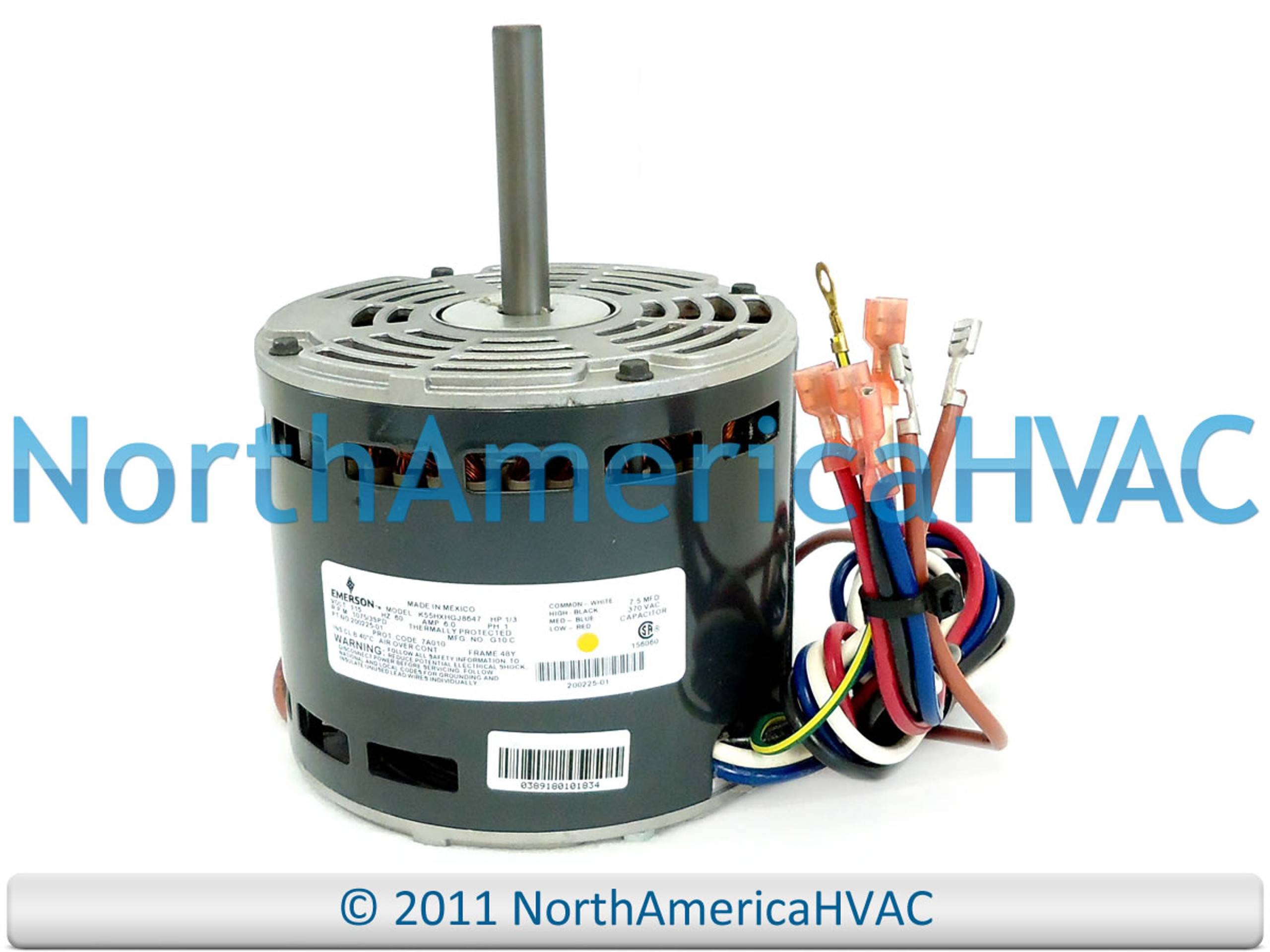
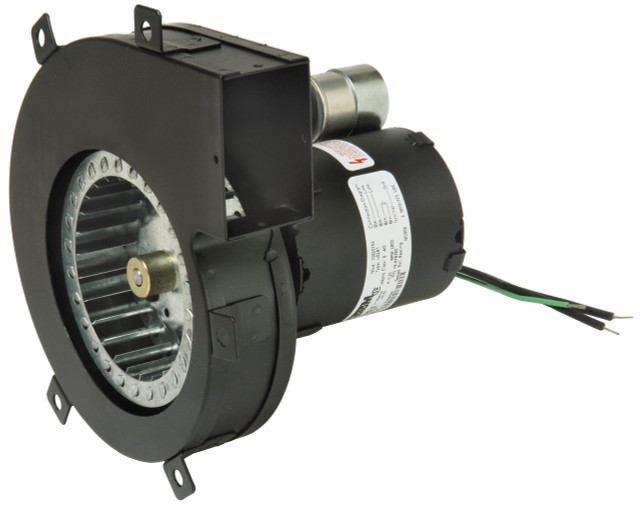
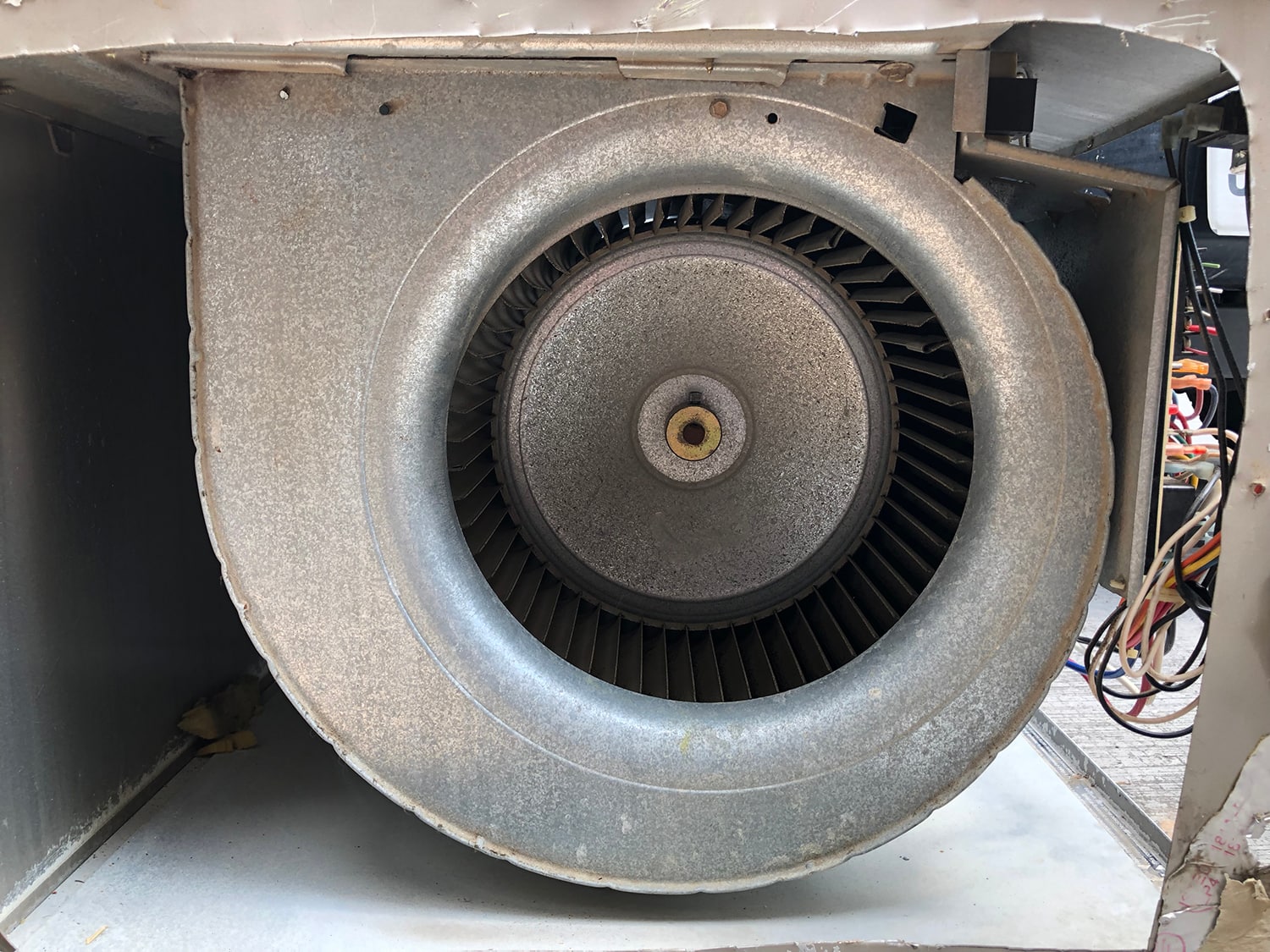
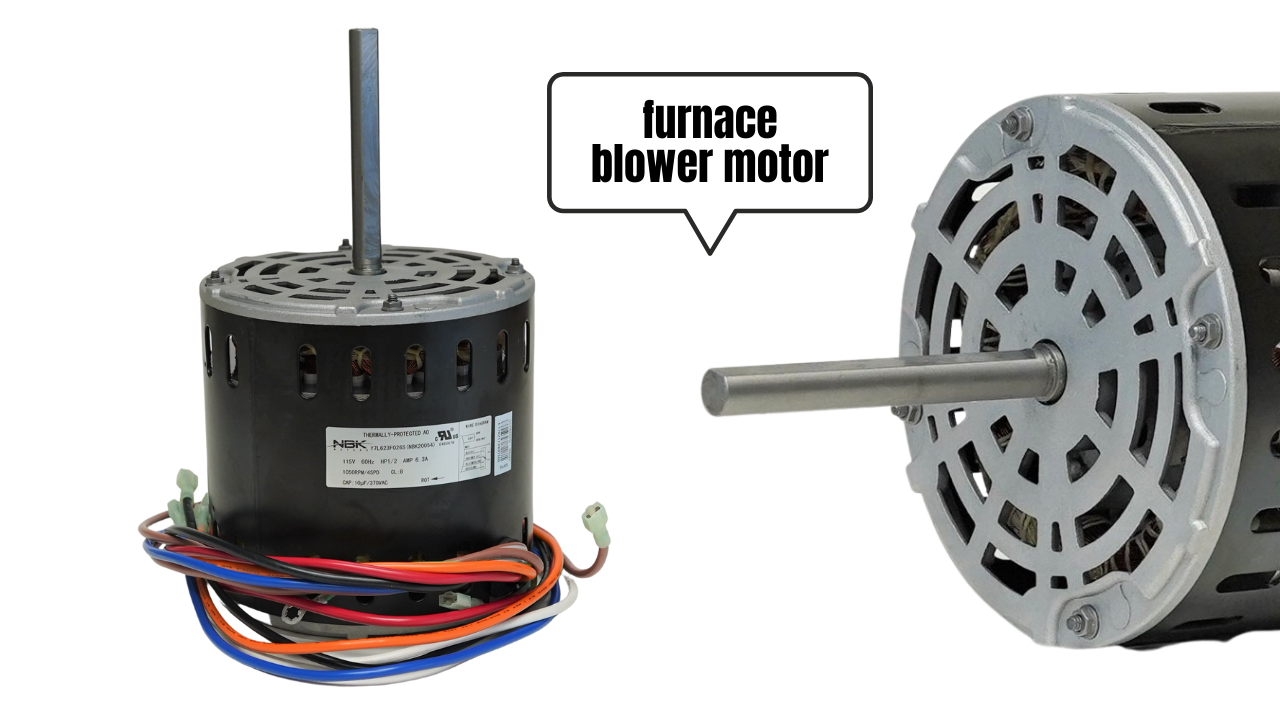
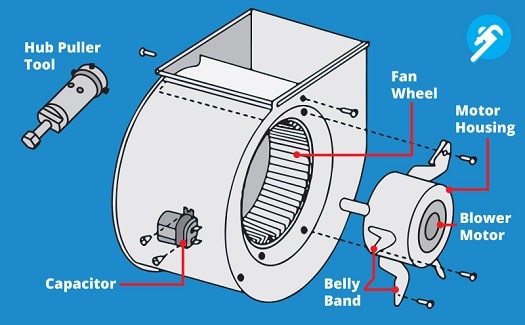
At its core, the blower motor is an electric motor that drives a fan, also known as a blower wheel. This wheel forces air through the furnace's heat exchanger (where the air is warmed) and then through your home's ductwork. Similarly, when your air conditioner is running, the blower motor circulates cooled air throughout your home.
Key Functions:
- Air Circulation: The primary function is to move air throughout your home.
- Temperature Regulation: By distributing heated or cooled air evenly, it ensures consistent temperatures in different rooms.
- Air Filtration: The blower motor works in conjunction with your furnace's air filter to remove dust, pollen, and other contaminants from the air.
- HVAC System Efficiency: A properly functioning blower motor contributes significantly to the overall efficiency of your heating and cooling system.
Types of Furnace Blower Motors
Blower motors have evolved significantly in recent years, offering different levels of efficiency and performance. Understanding the various types is crucial for making an informed decision.
1. Permanent Split Capacitor (PSC) Motors:
PSC motors are the most common and least expensive type. They operate at a single speed and are typically found in older or less expensive furnace models.
Pros:
- Affordable
- Relatively simple to repair
Cons:
- Less energy efficient than other types
- Single-speed operation can lead to temperature fluctuations
- Noisy compared to ECM motors
2. Electronically Commutated Motors (ECM):
ECM motors, also known as variable-speed motors, are significantly more efficient and offer better performance than PSC motors. They use a computer-controlled system to adjust the motor's speed based on heating or cooling demand.
Pros:
- High energy efficiency, potentially lowering utility bills
- Quiet operation
- Precise temperature control due to variable-speed capability
- Improved air filtration as the motor can run at a lower speed continuously
Cons:
- Higher initial cost
- More complex to repair
3. Brushless DC (BLDC) Motors:
BLDC motors are another type of ECM motor known for their high efficiency and long lifespan. They eliminate the brushes found in traditional DC motors, reducing friction and wear.
Pros:
- Excellent energy efficiency
- Long lifespan
- Quiet operation
- Reliable performance
Cons:
- High initial cost
- Specialized repair requirements
Factors to Consider When Choosing a Blower Motor
Selecting the right blower motor involves several considerations to ensure compatibility, efficiency, and longevity.
1. Compatibility:
The most important factor is compatibility with your existing furnace model. Check your furnace's manual or consult with an HVAC technician to determine the correct replacement motor. Key specifications include:
- Motor Voltage: Must match your furnace's electrical system (e.g., 115V, 230V).
- Horsepower (HP): Should match the original motor's horsepower to ensure adequate airflow.
- Motor Speed (RPM): Important for proper fan speed and airflow.
- Shaft Diameter and Length: Must fit the blower wheel and mounting brackets.
- Frame Size: Ensures the motor fits within the furnace housing.
2. Efficiency:
Consider upgrading to an ECM or BLDC motor for improved energy efficiency, especially if your existing motor is a PSC type. While the initial cost is higher, the long-term savings on energy bills can be significant.
3. Noise Level:
If noise is a concern, opt for an ECM or BLDC motor, which operates much more quietly than a PSC motor.
4. Cost:
Blower motor prices vary depending on the type and horsepower. PSC motors are generally the most affordable, while ECM and BLDC motors are more expensive. Factor in the long-term energy savings when comparing costs.
5. Warranty:
Choose a blower motor with a good warranty to protect against defects and premature failure. Most manufacturers offer warranties ranging from one to five years.
Popular HVAC Brands and Models Featuring Different Blower Motors
Several leading HVAC brands offer furnaces with different types of blower motors. Here's a comparison of a few popular models:
1. Carrier Infinity Series:
The Carrier Infinity series furnaces are known for their high efficiency and advanced features. They typically utilize ECM blower motors for precise temperature control and quiet operation. These furnaces often boast high AFUE (Annual Fuel Utilization Efficiency) ratings, exceeding 95%, thanks in part to the efficiency of the ECM blower motor. Carrier offers a 10-year parts limited warranty on many of its Infinity series models.
2. Trane XV Series:
Trane's XV series furnaces also feature variable-speed ECM blower motors for enhanced comfort and efficiency. These models often include features like ComfortLink™ II communicating technology, which optimizes performance and energy usage. Trane offers a limited lifetime warranty on the heat exchanger and a 10-year limited warranty on other parts.
3. Lennox SLP98DF:
The Lennox SLP98DF is a premium furnace that utilizes a variable-speed ECM blower motor and boasts an impressive 98.7% AFUE rating. Its Precise Comfort® technology ensures consistent temperatures throughout the home. Lennox offers a 10-year limited warranty on covered components.
4. Goodman GMVM97:
Goodman's GMVM97 furnace offers a good balance of performance and affordability. It features a variable-speed ECM blower motor and a 97% AFUE rating. While Goodman might not have the brand recognition of Carrier or Trane, it still offers a 10-year parts limited warranty.
5. Rheem Prestige Series:
Rheem's Prestige Series often incorporates modulating or multi-stage gas valves and variable speed blowers with ECM motors. This combination provides optimum energy efficiency and maximum comfort in a wide range of heating and cooling situations. Their models typically feature a 10-year parts limited warranty.
Understanding AFUE, SEER, and HSPF Ratings
When evaluating HVAC systems, it's important to understand the different efficiency ratings:
- AFUE (Annual Fuel Utilization Efficiency): Measures the heating efficiency of a furnace. A higher AFUE rating indicates a more efficient furnace. For example, a furnace with a 95% AFUE rating converts 95% of its fuel into usable heat.
- SEER (Seasonal Energy Efficiency Ratio): Measures the cooling efficiency of an air conditioner. A higher SEER rating indicates a more efficient air conditioner.
- HSPF (Heating Seasonal Performance Factor): Measures the heating efficiency of a heat pump. A higher HSPF rating indicates a more efficient heat pump.
While these ratings don't directly pertain to the blower motor itself, the blower motor's efficiency contributes to the overall system efficiency and impacts these ratings.
Blower Motor Maintenance and Troubleshooting
Proper maintenance is essential for ensuring the longevity and efficient operation of your blower motor.
Regular Maintenance:
- Air Filter Replacement: Replace your air filter regularly (every 1-3 months) to prevent dust and debris from clogging the blower motor.
- Professional Inspection: Schedule an annual inspection with an HVAC technician to check the blower motor's condition and performance.
- Lubrication: Some older blower motors require periodic lubrication. Consult your furnace's manual for specific instructions.
Troubleshooting Common Problems:
- Blower Motor Not Running: Check the circuit breaker, thermostat settings, and wiring connections.
- Blower Motor Running Constantly: Check the thermostat settings, limit switch, and wiring connections.
- Blower Motor Making Noise: Inspect the blower wheel for debris or damage. Lubricate the motor bearings if necessary.
- Weak Airflow: Check the air filter, ductwork for leaks, and blower motor speed.
When to Call a Professional: If you're uncomfortable working with electrical components or if you suspect a more serious problem, contact a qualified HVAC technician for assistance. Attempting repairs without proper knowledge can be dangerous and may void your warranty.
Warranties and Service Agreements
Most blower motors come with a manufacturer's warranty, which typically covers defects in materials and workmanship. The length of the warranty varies depending on the manufacturer and the type of motor. In addition to the manufacturer's warranty, you may also consider purchasing a service agreement from an HVAC company. Service agreements often include regular maintenance checks, priority service, and discounts on repairs.
Key Takeaway: A well-maintained blower motor is crucial for the efficiency and reliability of your furnace. By understanding the different types of blower motors, considering the factors outlined in this guide, and following proper maintenance practices, you can ensure your home stays comfortable and your energy bills stay low.