Blower Fan Motor For Ac Unit
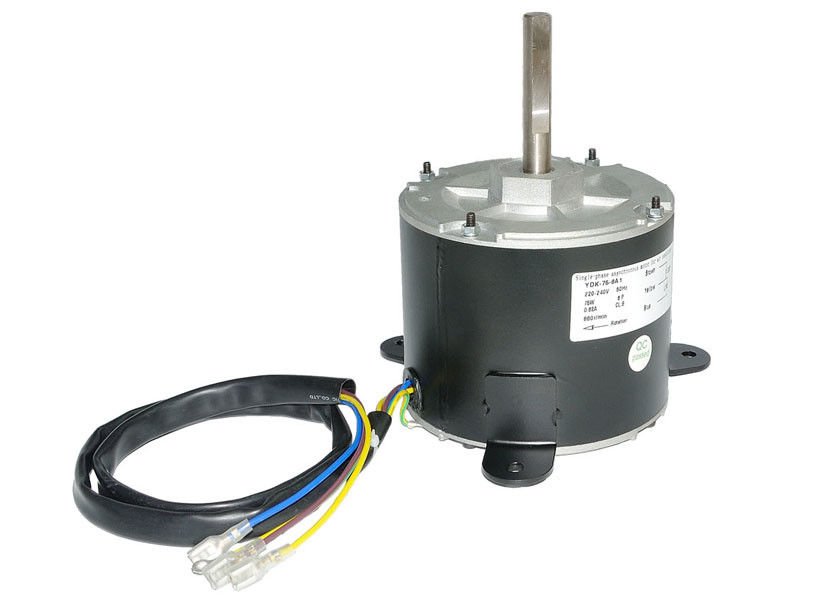
The blower fan motor in your AC unit is a crucial component, responsible for circulating conditioned air throughout your home. When it fails, your comfort quickly diminishes. Understanding its function, common problems, and potential solutions can empower you to troubleshoot issues and potentially save money on repair costs. This guide provides homeowners and DIY enthusiasts with insights into AC blower fan motors, offering practical advice, safety precautions, and guidance on when to call a professional.
Understanding Your AC Blower Fan Motor
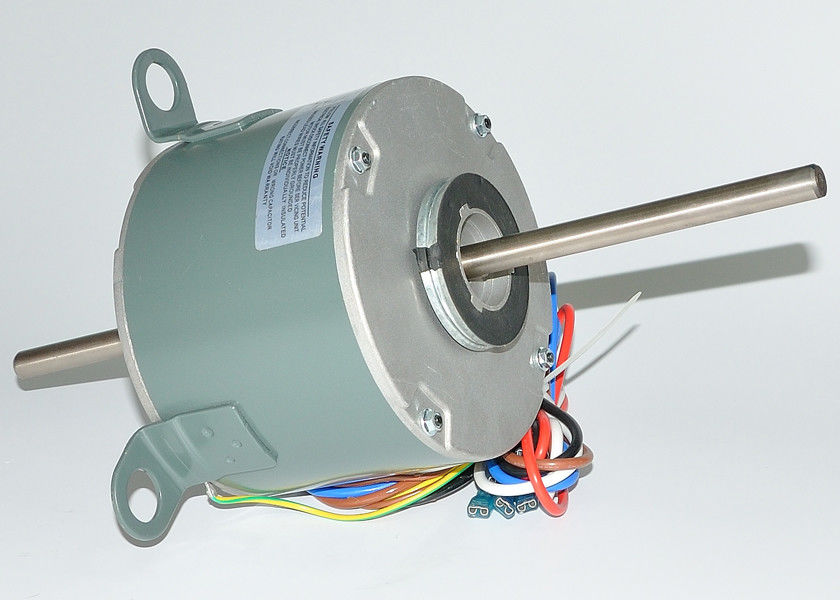
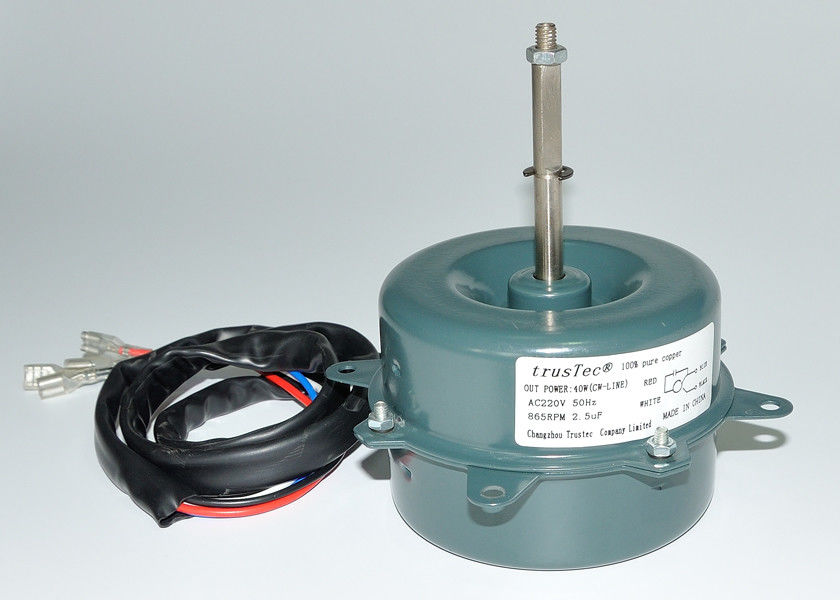
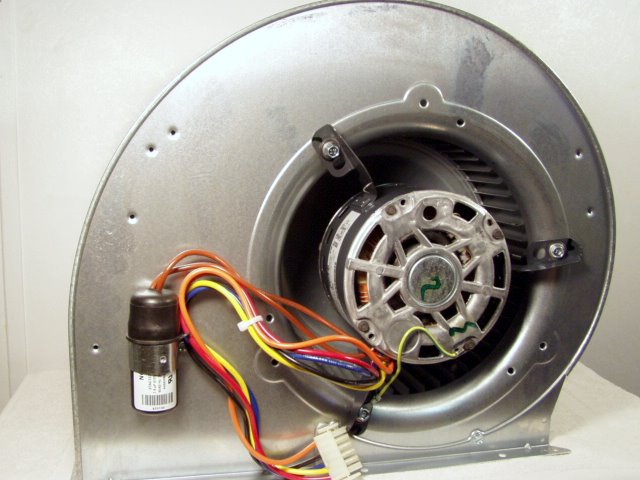
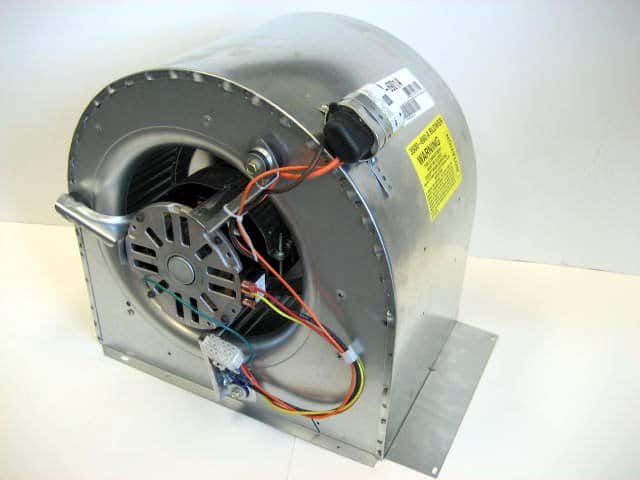
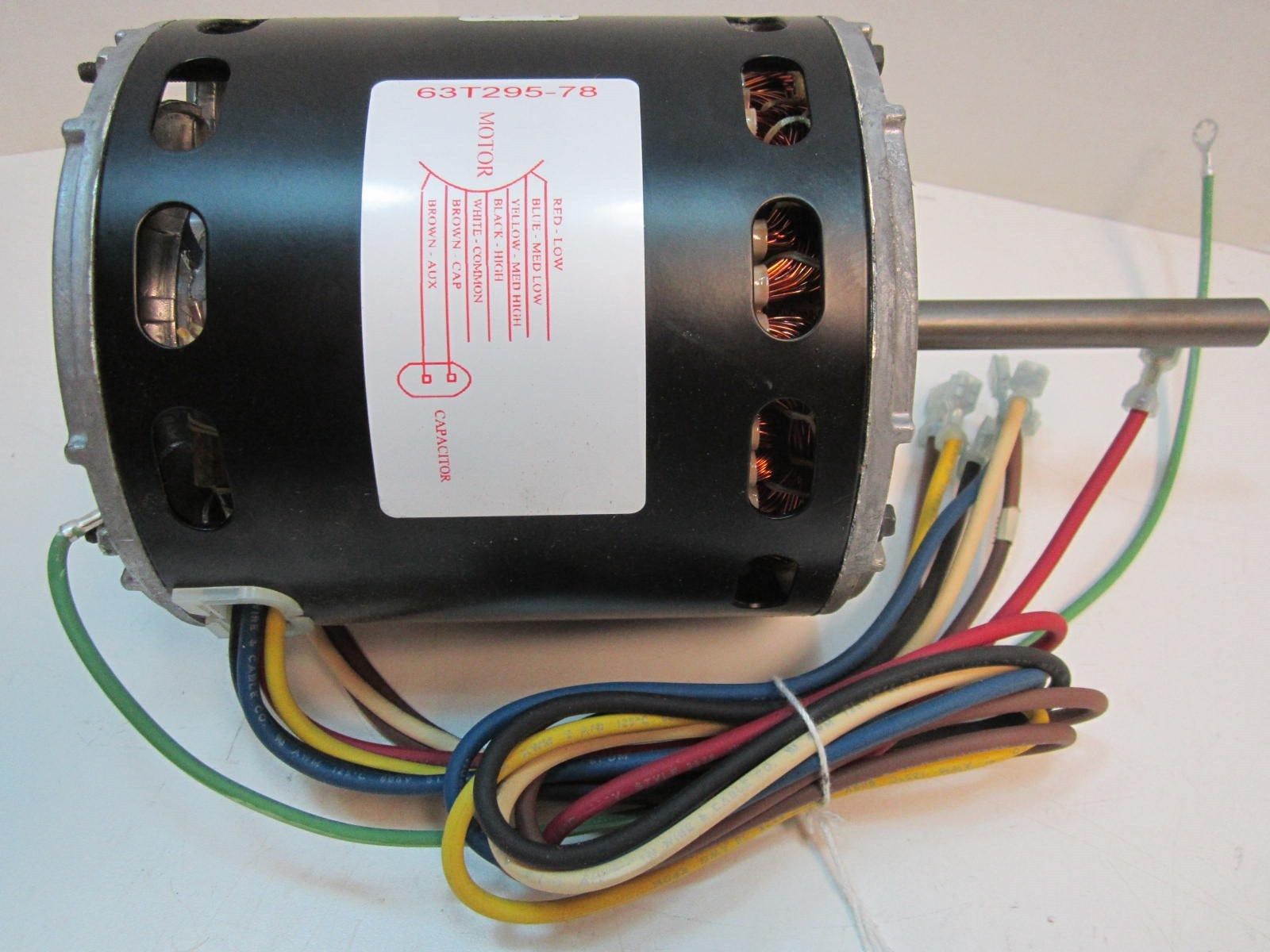
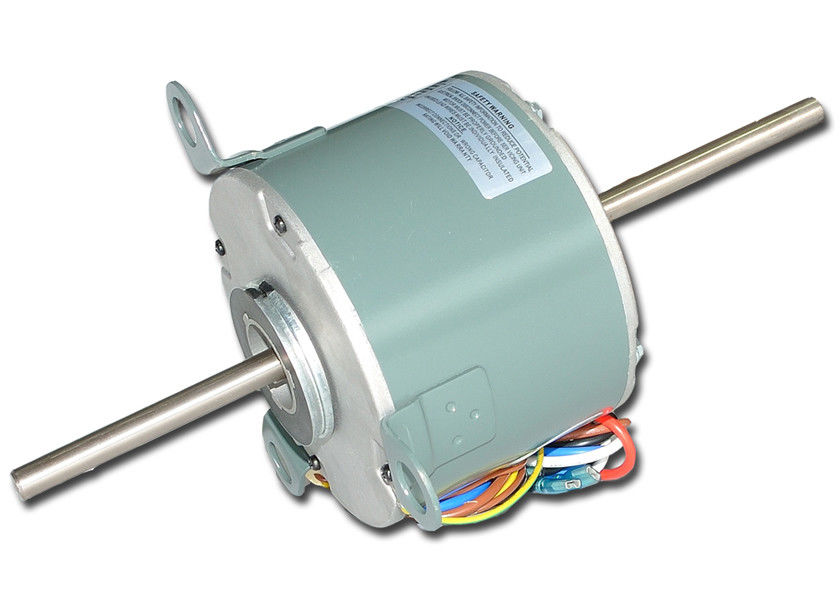
The blower fan motor resides inside the indoor unit of your air conditioner (often part of your furnace or air handler). Its primary job is to draw air across the evaporator coil (where the refrigerant cools it) and then force that cooled air through your ductwork and into your living spaces. Without a functioning blower motor, your AC can cool the air, but it won't reach you.
Types of Blower Motors
There are two main types of blower motors found in residential AC systems:
- PSC (Permanent Split Capacitor) Motors: These are older, less efficient motors that operate at a fixed speed. They are typically less expensive to replace but consume more energy.
- ECM (Electronically Commutated Motor) Motors: Also known as variable-speed motors, ECMs are far more energy-efficient. They adjust their speed based on the cooling demand, providing more consistent temperatures and quieter operation. While more expensive upfront, they save money on energy bills over time.
Troubleshooting Common Blower Fan Motor Problems
Before diving into potential fixes, let's identify common symptoms and their possible causes.
Symptoms of a Failing Blower Motor
- No Airflow: The most obvious sign. If the AC is running but no air is coming from the vents, the blower motor is a prime suspect.
- Weak Airflow: Reduced airflow indicates a potential issue with the motor's speed or a blockage in the system.
- Unusual Noises: Grinding, squealing, or rattling sounds suggest worn bearings, loose components, or obstructions.
- Burning Smell: A burning odor is a serious warning sign, indicating an overheating motor or electrical issue. Shut down the system immediately and call a professional.
- The AC Unit Cycles On and Off Frequently: This can be caused by many issues, but can sometimes be linked to an overheating blower motor.
Possible Causes of Blower Motor Failure
- Overheating: Blocked filters, restricted airflow, or a faulty capacitor can cause the motor to overheat and eventually fail.
- Worn Bearings: Over time, the bearings that support the motor shaft can wear out, leading to noise and eventual motor failure.
- Faulty Capacitor: The capacitor helps start and run the motor. A failing capacitor can prevent the motor from starting or cause it to run erratically.
- Electrical Issues: Problems with wiring, breakers, or the control board can prevent the motor from receiving power.
- Physical Obstructions: Debris, such as leaves, insulation, or small animals, can obstruct the blower fan, causing the motor to strain and fail.
DIY Troubleshooting and Potential Solutions
Safety First! Before attempting any repairs, turn off the power to your AC unit at the breaker box. Verify that the power is off using a non-contact voltage tester.
Tools and Materials You Might Need
- Screwdrivers (various sizes)
- Wrenches
- Pliers
- Multimeter
- Non-contact voltage tester
- Work gloves
- Safety glasses
- Replacement capacitor (if needed)
- Replacement blower motor (if needed)
- Wire connectors
- Wire stripper
Step-by-Step Troubleshooting
- Inspect the Air Filter: A dirty air filter is the most common cause of airflow problems. Replace it with a new one and check again.
- Check for Obstructions: Inspect the blower fan housing for any debris that might be blocking the fan. Remove any obstructions carefully.
- Test the Capacitor: Use a multimeter to test the capacitor. A faulty capacitor is a common cause of blower motor problems. Be extremely careful when handling capacitors. They can store an electrical charge even when the power is off. Discharge the capacitor before testing or replacing it. Many capacitors have a bleeder resistor to do this over time, but it's best to use a screwdriver with an insulated handle to short across the terminals to ensure any stored charge is dissipated. If the capacitor tests bad, replace it with a new one of the same microfarad (µF) and voltage rating.
- Inspect Wiring and Connections: Look for loose or corroded wires and connections. Tighten any loose connections and clean corroded ones.
- Test the Motor Windings: Use a multimeter to test the motor windings for continuity. If there is no continuity, the motor is likely faulty and needs to be replaced.
Replacing the Blower Fan Motor (Proceed with Caution!)
Replacing a blower fan motor is a more complex task best left to experienced DIYers or professionals. If you are not comfortable working with electricity or disassembling your AC unit, call a qualified HVAC technician.
General Steps for Replacing a Blower Motor (for experienced DIYers only):
- Turn off the power to the AC unit at the breaker box. Verify the power is off.
- Remove the access panel to the blower compartment.
- Disconnect the wiring to the blower motor. Label the wires before disconnecting them to ensure proper reconnection. Take pictures for reference.
- Loosen the screws or bolts that secure the blower motor to the blower assembly.
- Carefully remove the old blower motor from the assembly.
- Install the new blower motor in the assembly, ensuring it is properly aligned.
- Reconnect the wiring to the new blower motor, following your labels or reference pictures.
- Tighten the screws or bolts that secure the blower motor to the blower assembly.
- Replace the access panel.
- Turn on the power to the AC unit at the breaker box.
- Test the system to ensure the new blower motor is working properly.
Important Considerations When Replacing a Blower Motor:
- Motor Compatibility: Ensure the replacement motor is the correct type (PSC or ECM), voltage, horsepower, and frame size for your AC unit. Using the wrong motor can damage your system.
- Rotation Direction: Verify that the new motor rotates in the same direction as the old motor. Incorrect rotation will result in reversed airflow.
- Wiring Diagram: Follow the wiring diagram carefully to ensure proper connections. Incorrect wiring can damage the motor or the control board.
When to Call a Professional HVAC Technician
While some blower motor issues can be resolved with basic DIY troubleshooting, certain situations require the expertise of a qualified HVAC technician:
- You are uncomfortable working with electricity or disassembling your AC unit.
- You suspect a problem with the electrical wiring or control board.
- You are unsure about the correct type of replacement blower motor.
- The motor is still not working after troubleshooting and replacing the capacitor.
- You detect a burning smell or see signs of electrical damage. Shut down the system immediately and call a professional.
- Your AC unit is still under warranty. Attempting DIY repairs may void the warranty.
Estimating Repair Costs
The cost of repairing or replacing a blower fan motor can vary depending on several factors:
- Type of Motor (PSC vs. ECM): ECM motors are generally more expensive to replace than PSC motors.
- Motor Horsepower: Higher horsepower motors are typically more expensive.
- Labor Costs: Labor rates vary depending on your location and the HVAC technician's experience.
- Complexity of the Repair: Simple repairs, such as replacing a capacitor, will cost less than replacing the entire motor.
Here's a general estimate of potential repair costs:
- Capacitor Replacement: $100 - $200 (including labor)
- PSC Blower Motor Replacement: $300 - $700 (including labor)
- ECM Blower Motor Replacement: $500 - $1500 (including labor)
These are just estimates. It's always best to get a quote from a qualified HVAC technician for accurate pricing in your area. Remember to get multiple quotes to compare prices and services.
Preventative Maintenance for Your Blower Motor
Regular maintenance can help prevent blower motor problems and extend the life of your AC system:
- Replace your air filter regularly (every 1-3 months).
- Schedule annual AC tune-ups with a qualified HVAC technician. A tune-up includes inspecting and cleaning the blower motor, checking electrical connections, and lubricating moving parts.
- Keep the area around your outdoor unit clear of debris.
By understanding your AC blower fan motor, recognizing common problems, and taking preventative measures, you can keep your system running efficiently and comfortably for years to come. Remember to prioritize safety and call a professional when needed.