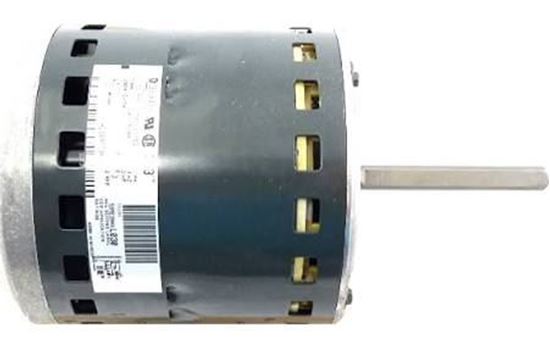
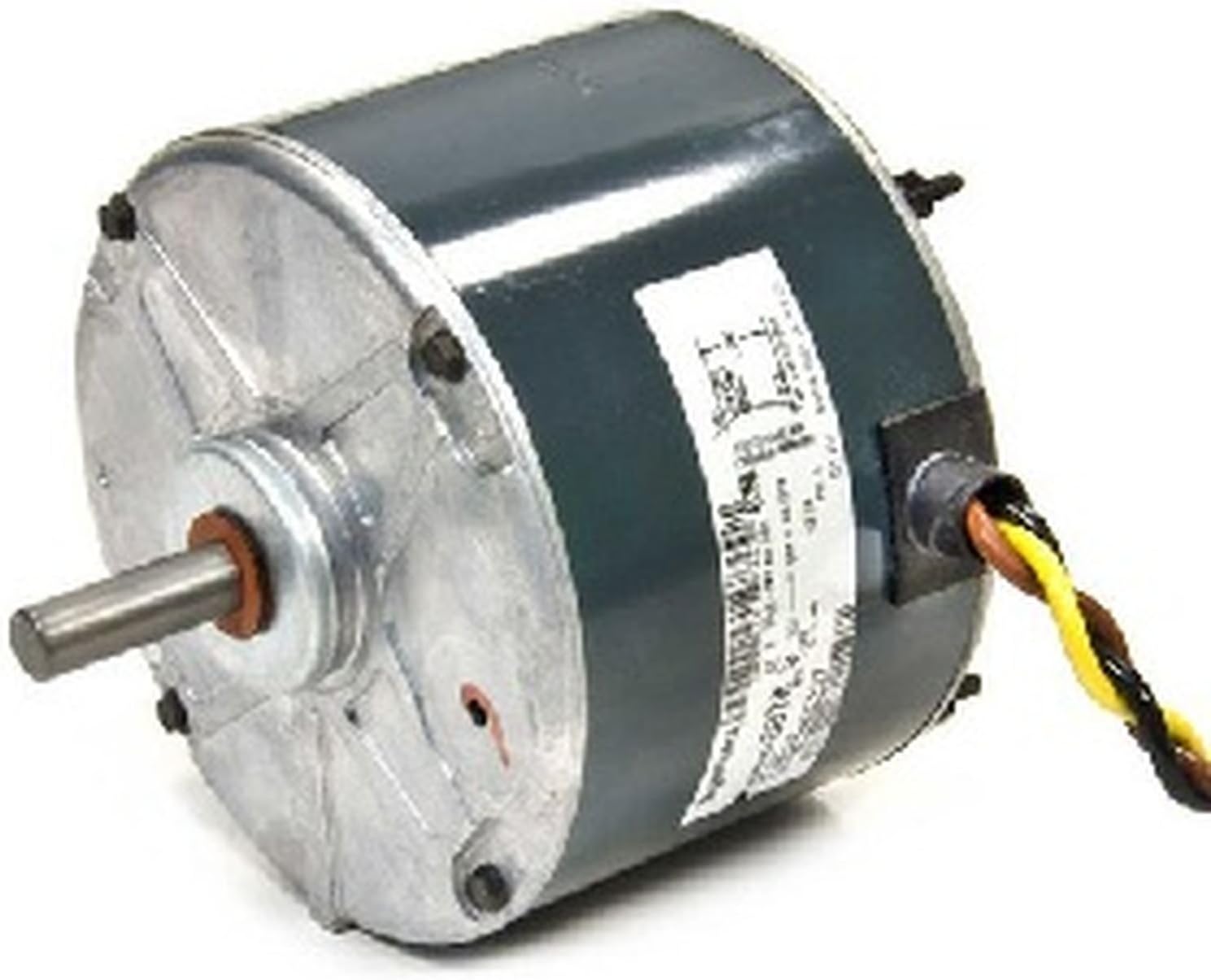
Blower Motor For Carrier Air Conditioner
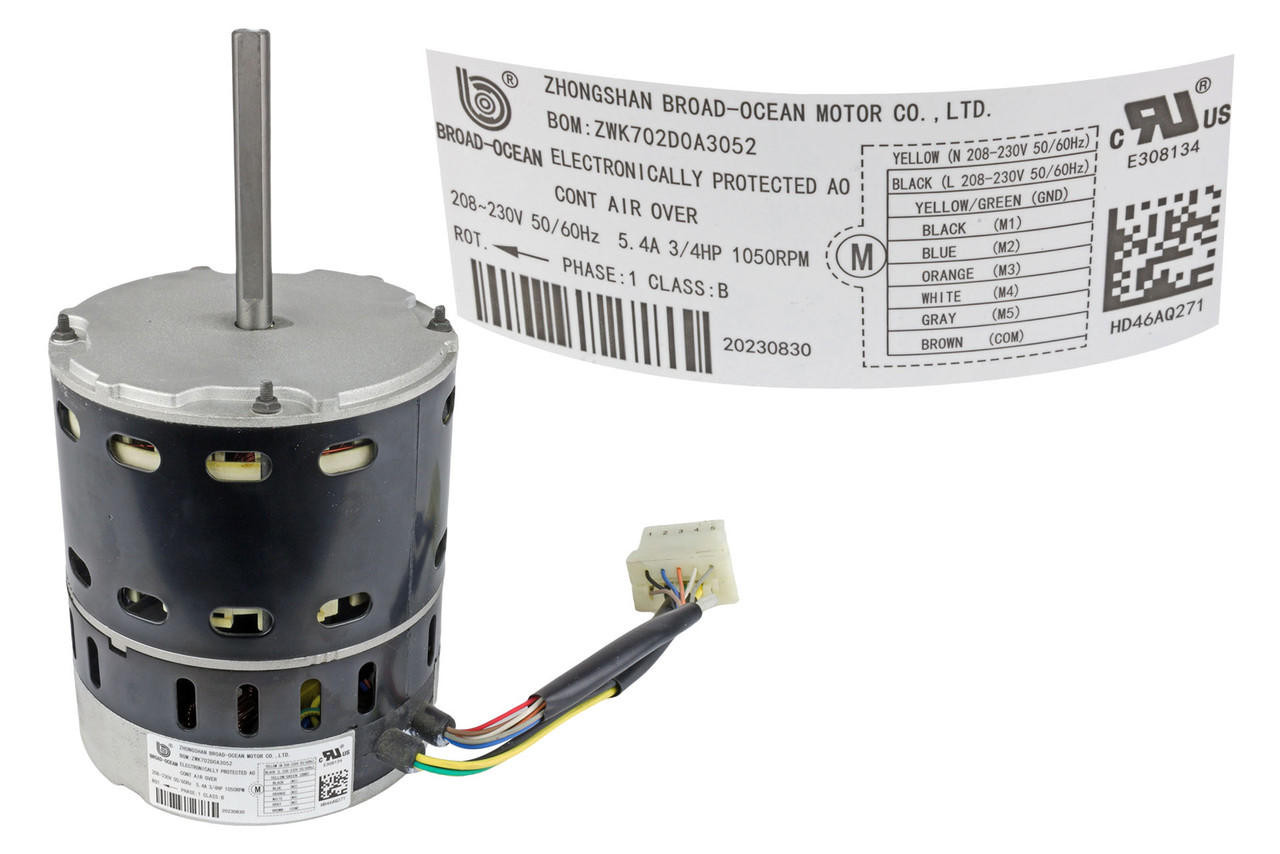
Understanding Your Carrier Air Conditioner's Blower Motor: A Comprehensive Guide
The blower motor in your Carrier air conditioner is a critical component responsible for circulating conditioned air throughout your home. A malfunctioning blower motor can lead to reduced airflow, uneven cooling, and increased energy bills. This guide will provide you with a detailed understanding of Carrier blower motors, helping you make informed decisions about replacement, maintenance, and potential upgrades.
What is a Blower Motor and Why is it Important?
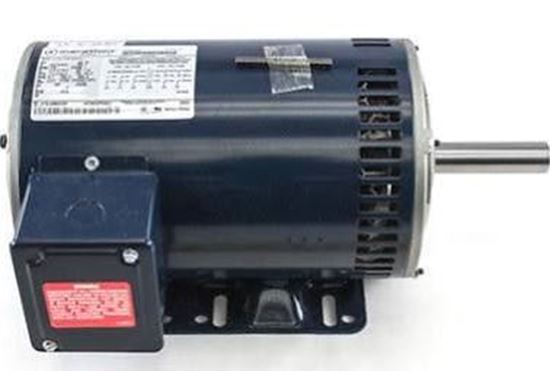
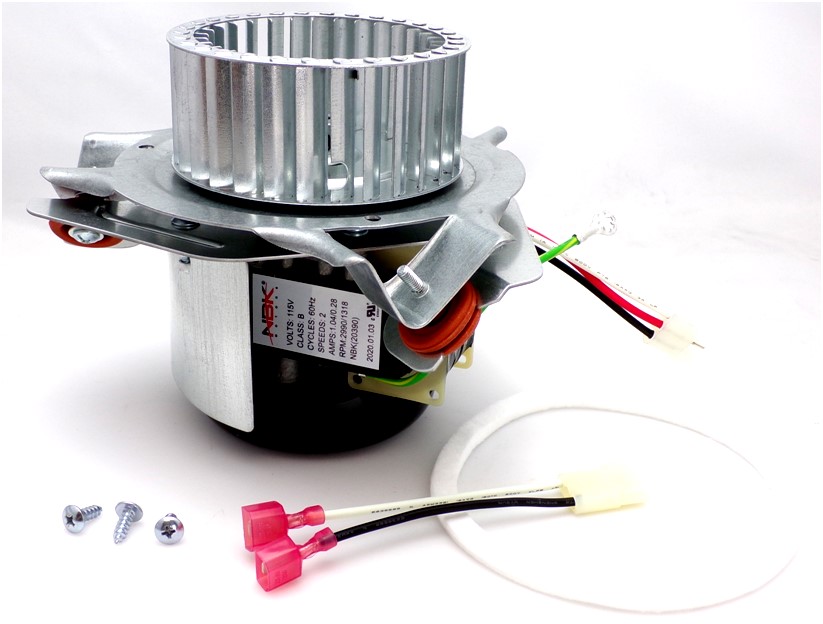
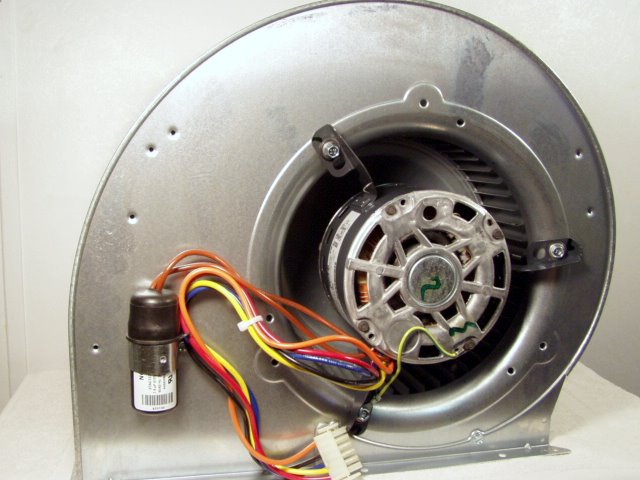
The blower motor is essentially the engine that drives the blower fan. This fan, located inside your indoor air handler, draws air from your home, passes it over the cooled evaporator coil, and then forces the chilled air through your ductwork and into your living spaces. Without a properly functioning blower motor, your air conditioner is essentially useless, no matter how efficiently the outdoor compressor is operating. It’s the heart of your home's air distribution system.
Types of Blower Motors
Carrier air conditioners utilize several types of blower motors, each offering different performance characteristics and energy efficiency levels:
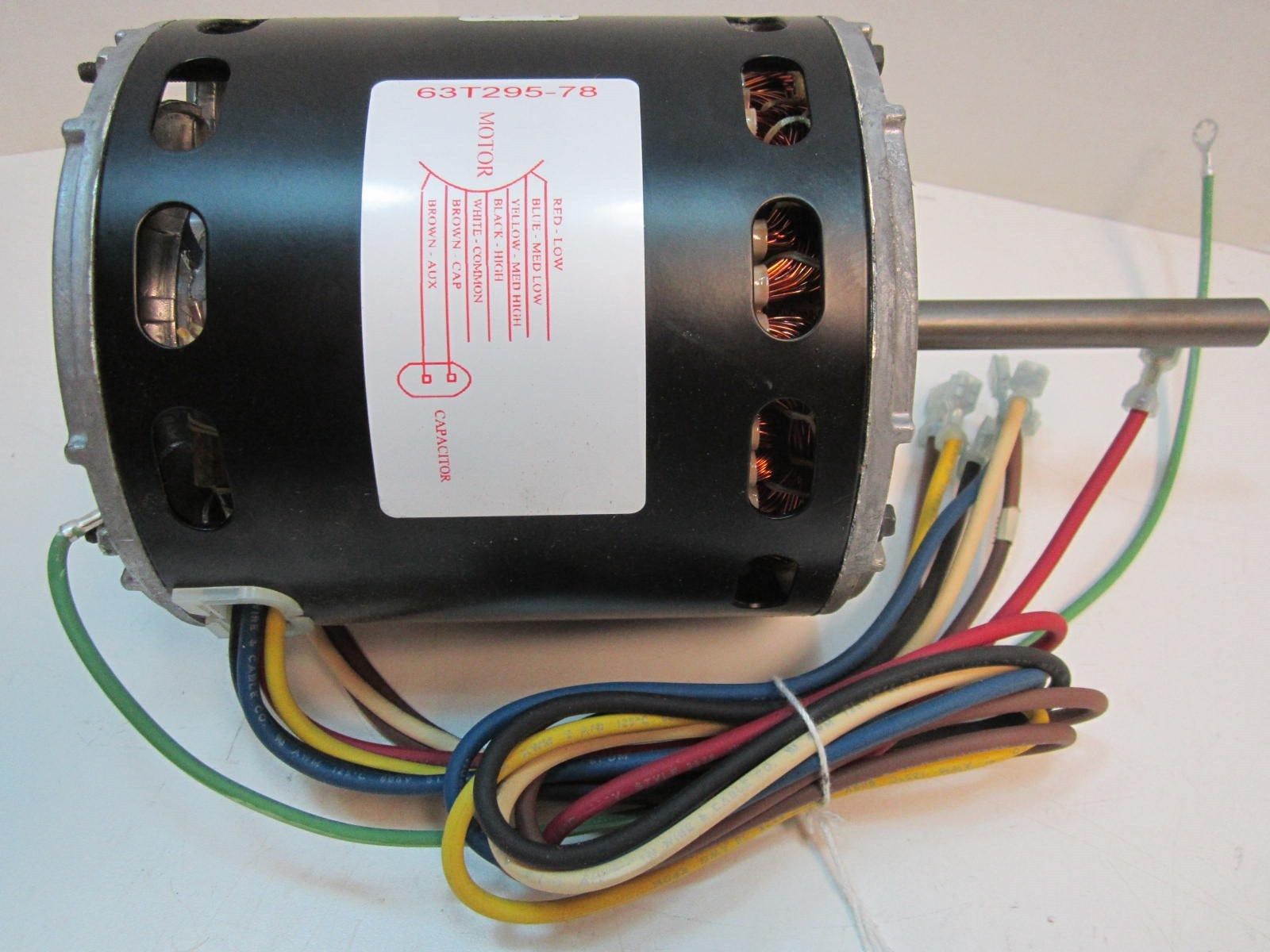
- Permanent Split Capacitor (PSC) Motors: These are the most common type, typically found in older or less expensive Carrier models. PSC motors are relatively inexpensive and reliable, but they are less energy-efficient than other types. They operate at a fixed speed, meaning they consume the same amount of energy regardless of the cooling demand.
- Electronically Commutated Motors (ECM): ECMs are significantly more energy-efficient than PSC motors. They use electronics to control the motor's speed, allowing them to operate at variable speeds based on the cooling demand. This results in reduced energy consumption and more consistent temperatures throughout your home. ECMs are often found in higher-end Carrier models with higher SEER ratings.
- Brushless DC (BLDC) Motors: Similar to ECMs, BLDC motors offer variable-speed operation and high energy efficiency. They are known for their quiet operation and long lifespan. While less common than ECMs, they are becoming increasingly prevalent in newer, high-performance Carrier units.
Identifying a Faulty Blower Motor
Several symptoms can indicate a problem with your Carrier air conditioner's blower motor:
- Reduced Airflow: This is the most common symptom. If you notice weak airflow from your vents, the blower motor may be failing.
- Unusual Noises: Grinding, squealing, or humming noises coming from your air handler can indicate a worn-out or damaged blower motor.
- The System Won't Turn On: A completely dead blower motor will prevent your air conditioner from starting.
- Circuit Breaker Tripping: A failing blower motor can draw excessive current, causing the circuit breaker to trip.
- Overheating: The motor may overheat and shut down, especially if it's struggling to overcome resistance from dirty air filters or blocked ductwork.
Carrier Blower Motor Replacement: DIY vs. Professional Installation
Replacing a blower motor can be a complex task, involving electrical wiring and mechanical adjustments. While some experienced DIYers may be comfortable tackling this project, it's generally recommended to hire a qualified HVAC technician. Here's why:
- Safety: Working with electricity can be dangerous. A professional technician will ensure the power is properly disconnected and that all connections are made safely and correctly.
- Proper Installation: Correct installation is crucial for optimal performance and longevity. A technician will ensure the motor is properly aligned, balanced, and wired.
- Warranty: Improper installation can void your Carrier air conditioner's warranty.
- Diagnosis: A technician can accurately diagnose the problem and ensure that the blower motor is indeed the source of the issue. There may be other underlying problems contributing to the failure.
If you choose to replace the blower motor yourself, be sure to:
- Disconnect the power to the air handler before starting.
- Take photos of the wiring connections before disconnecting them.
- Use the correct tools and follow the manufacturer's instructions carefully.
- Double-check all connections before restoring power.
Choosing the Right Replacement Blower Motor
When replacing a blower motor, it's crucial to select the correct replacement part. The wrong motor can lead to poor performance, reduced efficiency, and even damage to your air conditioner. Here are some factors to consider:
- Motor Type: Match the replacement motor to the original type (PSC, ECM, or BLDC). Upgrading from a PSC motor to an ECM can improve energy efficiency but may require modifications to your system.
- Voltage and Horsepower: Ensure the replacement motor has the same voltage and horsepower as the original. These specifications are typically listed on the motor's nameplate.
- Shaft Size and Rotation: The shaft size and rotation direction must match the original motor to ensure proper fit and function.
- OEM vs. Aftermarket: Original Equipment Manufacturer (OEM) parts are manufactured by Carrier and are guaranteed to fit and perform correctly. Aftermarket parts may be less expensive but may not be as reliable or durable. Consider the trade-offs carefully.
Popular Carrier Air Conditioner Models and Blower Motor Types
Here's a general overview of blower motor types used in some popular Carrier air conditioner models (note that specifications may vary depending on the specific model and year):
- Carrier Comfort Series (e.g., 24ACC6): Typically uses PSC motors in entry-level models and ECM motors in higher-efficiency versions. Expect SEER ratings between 13 and 16.
- Carrier Performance Series (e.g., 24ACB7): Generally equipped with ECM motors for improved energy efficiency and performance. Often features SEER ratings between 15 and 18.
- Carrier Infinity Series (e.g., 24VNA9): Typically uses advanced ECM or BLDC motors for maximum energy efficiency and quiet operation. These models often boast SEER ratings of 19 or higher.
Carrier Air Conditioner Efficiency Ratings: SEER, EER, and HSPF
Understanding air conditioner efficiency ratings is essential for making informed decisions. The key ratings to consider are:
- SEER (Seasonal Energy Efficiency Ratio): Measures the cooling efficiency of an air conditioner over an entire cooling season. Higher SEER ratings indicate greater energy efficiency.
- EER (Energy Efficiency Ratio): Measures the cooling efficiency of an air conditioner at a specific operating point (e.g., 95°F outdoor temperature).
- HSPF (Heating Seasonal Performance Factor): This rating applies to heat pumps and measures their heating efficiency over an entire heating season. While not directly related to air conditioner blower motors, it's an important factor to consider when evaluating overall system efficiency.
When choosing a new Carrier air conditioner, consider the SEER rating in relation to your climate and energy costs. In warmer climates, a higher SEER rating can result in significant energy savings over the lifespan of the unit.
Warranty Information and Maintenance Tips
Carrier air conditioners typically come with a standard warranty that covers parts and labor for a specified period. Be sure to register your unit with Carrier to activate the warranty. Some models may offer extended warranties for added protection. Check the specific warranty details for your model. Regular maintenance can help prolong the life of your blower motor and your entire air conditioning system:
- Replace Air Filters Regularly: Dirty air filters restrict airflow, putting extra strain on the blower motor. Replace or clean your air filters every 1-3 months, depending on usage and air quality.
- Keep the Outdoor Unit Clean: Remove any debris (leaves, grass clippings, etc.) from around the outdoor unit to ensure proper airflow.
- Schedule Annual Maintenance: A qualified HVAC technician can inspect and clean your system, identify potential problems, and ensure it's operating at peak efficiency.
Cost Considerations
The cost of replacing a Carrier air conditioner blower motor can vary depending on the motor type, the complexity of the installation, and your location. Expect to pay anywhere from $300 to $800 or more for a professional replacement. ECM motors are generally more expensive than PSC motors. When obtaining quotes, be sure to ask for a detailed breakdown of the costs, including parts, labor, and any additional fees.
Comparing Carrier to Other Brands
While Carrier is a well-respected brand in the HVAC industry, other reputable manufacturers offer comparable products and features. Some popular alternatives to consider include:
- Trane: Known for their durable and reliable systems.
- Lennox: Offers a wide range of high-efficiency models.
- Rheem: Provides a good balance of performance and value.
- Goodman: A more budget-friendly option.
When comparing brands, consider factors such as energy efficiency, features, warranty, and price. Read online reviews and consult with HVAC professionals to get a well-rounded perspective.
Conclusion
The blower motor is a vital component of your Carrier air conditioner. Understanding its function, potential problems, and replacement options will help you keep your system running smoothly and efficiently. By following the advice in this guide, you can make informed decisions about maintenance, repair, and upgrades, ensuring a comfortable and energy-efficient home.