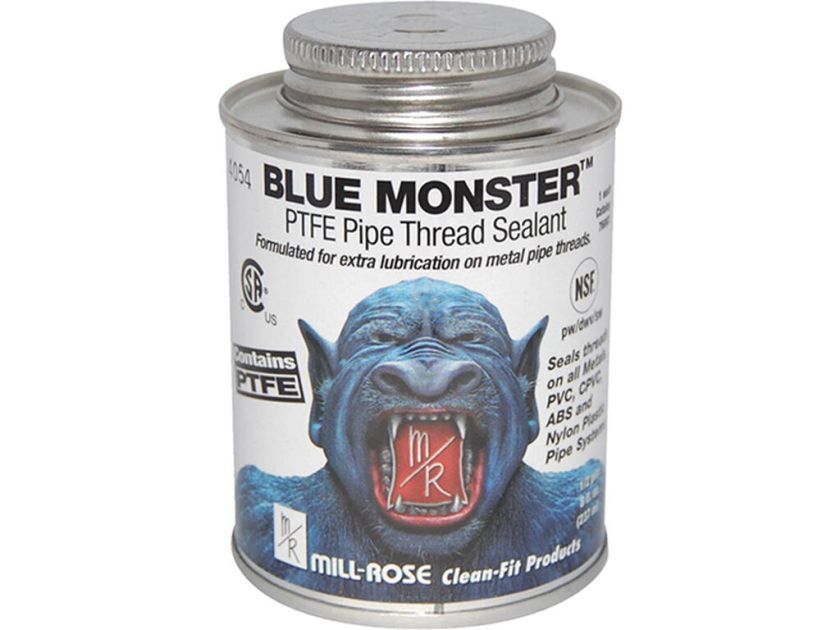
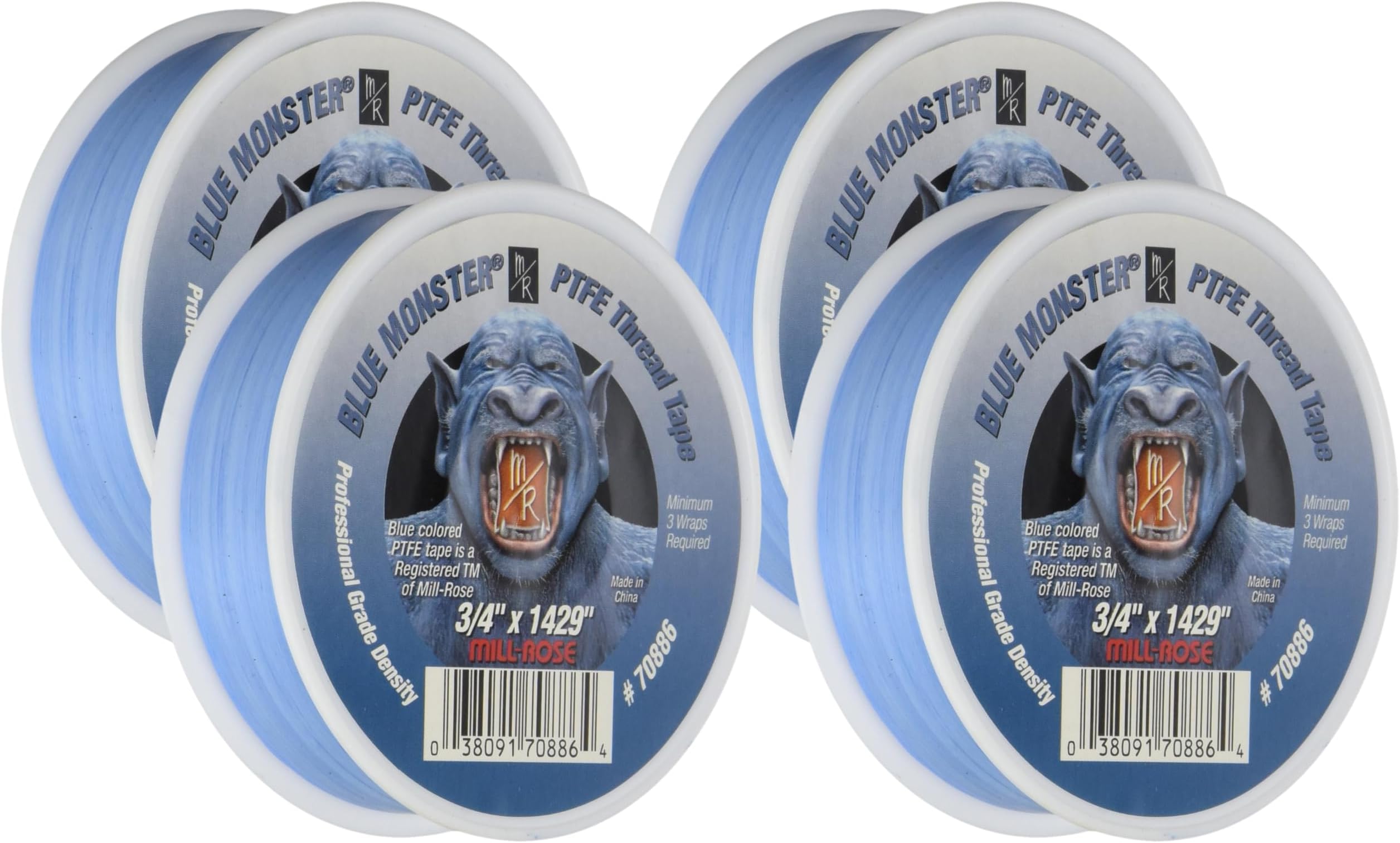
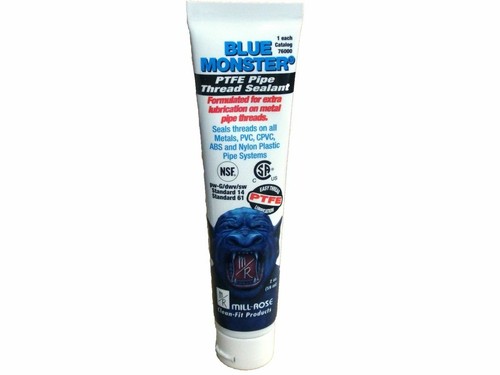
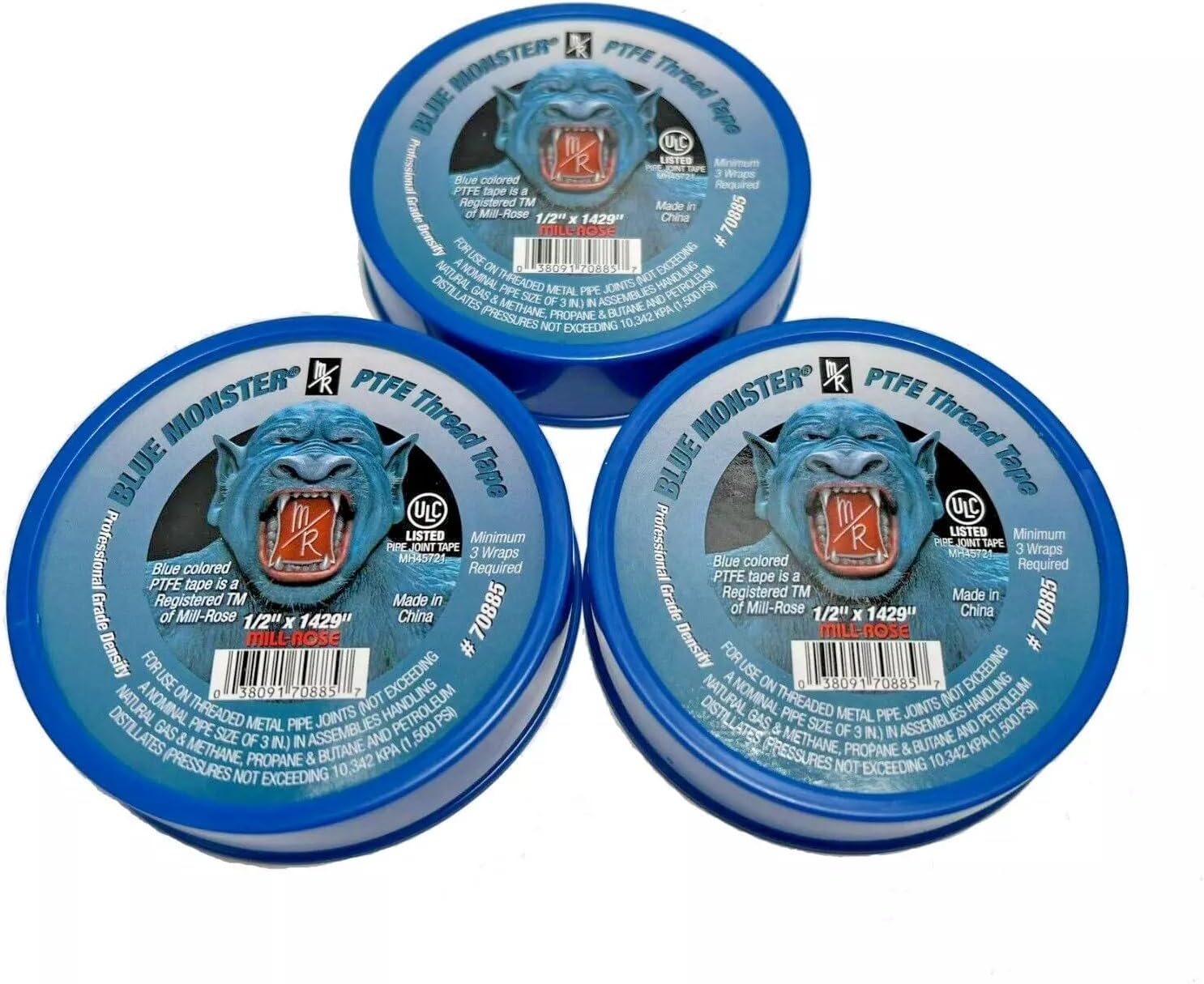
Blue Monster Ptfe Pipe Thread Sealant
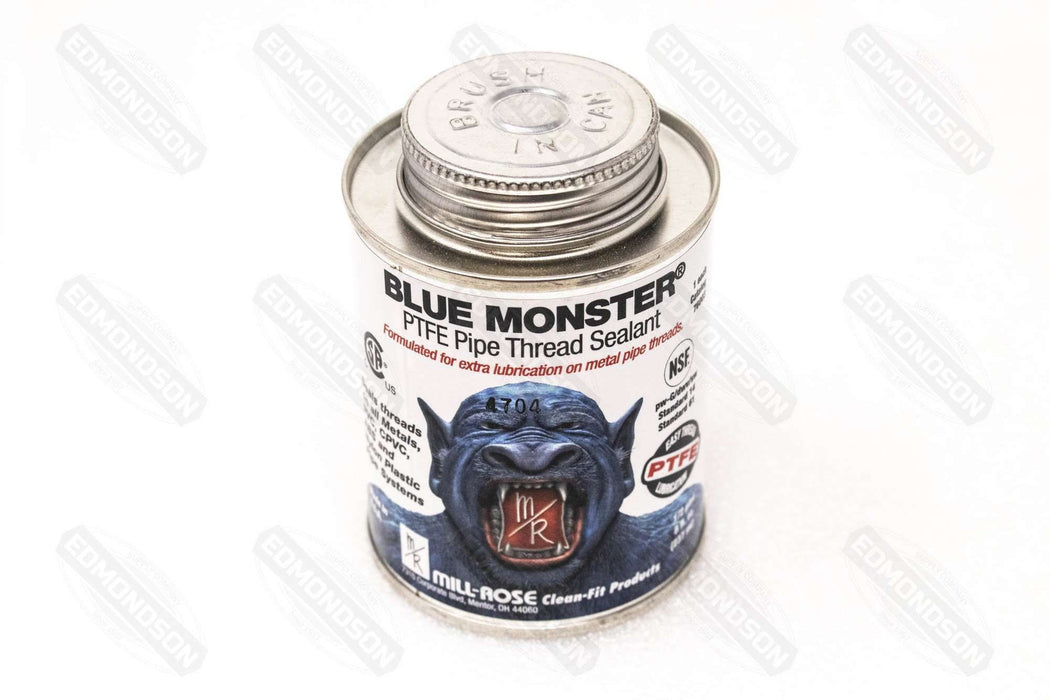
One of the most frustrating experiences for homeowners is discovering a leak in their plumbing. Whether it's a slow drip or a more significant flow, leaking pipes can lead to wasted water, water damage, and increased utility bills. Often, these leaks occur at threaded connections, where pipes join together. While professional plumbers are always an option, many times the issue can be resolved with a little DIY knowledge and the right materials, like Blue Monster PTFE pipe thread sealant. Let's explore how to troubleshoot common problems associated with this sealant.
Diagnosing the Leak: Is Blue Monster the Culprit?
Before diving into fixes, it's crucial to determine if the leak is indeed related to the Blue Monster pipe thread sealant. Here's a systematic approach to diagnosis:
- Identify the Leak Source: Carefully examine the area where the leak is occurring. Is it specifically at a threaded joint where pipes connect? If the leak is coming from a different location (e.g., a pinhole in the pipe itself), Blue Monster isn't the problem.
- Check for Visible Defects: Inspect the sealant around the threaded connection. Are there visible cracks, gaps, or signs of the sealant breaking down? If so, this could indicate an issue with the initial application or material degradation over time.
- Assess the Sealant's Condition: If possible, gently touch the sealant. Is it pliable and slightly soft, or is it hard and brittle? A properly applied and maintained Blue Monster sealant should remain somewhat flexible. If it's hardened, it's likely failing.
- Consider Water Pressure: High water pressure can sometimes exacerbate leaks. While Blue Monster is generally robust, extreme pressure can still compromise the seal, especially if the sealant was not applied correctly. Try slightly reducing your main water pressure to see if the leak diminishes.
- Recent Plumbing Work?: Think back. Did you or a previous homeowner recently work on the plumbing in this area? If the connection was recently disturbed, the sealant may have been compromised during the reassembly.
If, after these checks, you suspect Blue Monster is the cause of the leak, proceed with the troubleshooting steps below. However, remember that leaks can sometimes be tricky to pinpoint. If you're unsure, it's always best to err on the side of caution and consult a professional.
DIY Fixes: Addressing Common Issues
Here are several DIY fixes you can attempt, ranging from simple to slightly more involved. Always turn off the water supply to the affected area before starting any plumbing work. This is a crucial safety precaution.
1. Tightening the Connection
Sometimes, the simplest solution is the most effective. A slightly loose connection can cause a leak, even with properly applied sealant.
- Locate the Fittings: Identify the two fittings that are connected at the threaded joint.
- Use Appropriate Wrenches: Use two pipe wrenches or adjustable wrenches of the correct size for the fittings. It's important to use two wrenches to prevent twisting the pipes further back in the system.
- Tighten Carefully: Place one wrench on one fitting to hold it steady, and use the other wrench to gently tighten the connection by turning the other fitting. Do not overtighten! Overtightening can damage the fittings or the pipes. A slight tightening is usually sufficient.
- Test for Leaks: Turn the water supply back on gradually and observe the connection carefully. If the leak is gone, you've solved the problem. If it persists, move on to the next step.
2. Applying Additional Sealant (Without Disassembly - Temporary Fix)
This is a temporary fix designed to buy you some time, not a long-term solution. It's best used if you need to stop a small drip quickly before you can perform a proper repair.
- Dry the Area: Thoroughly dry the area around the leaking joint with a clean cloth. This is essential for the new sealant to adhere properly.
- Apply a Bead of Sealant: Apply a thin bead of fresh Blue Monster sealant around the perimeter of the threaded connection, where the two fittings meet. Try to work the sealant into any visible gaps or cracks.
- Allow to Cure: Allow the sealant to cure according to the manufacturer's instructions (usually found on the tube or container). This typically takes at least 24 hours.
- Test for Leaks: After the curing period, turn the water supply back on gradually and check for leaks. If the leak is significantly reduced or stopped, this temporary fix has worked. However, be aware that this solution is not permanent and the leak may return.
3. Reapplying Sealant (Proper Method - Requires Disassembly)
This is the most reliable DIY solution. It involves removing the old sealant, cleaning the threads, and applying fresh Blue Monster. This method provides a much stronger and longer-lasting seal.
- Turn off the Water Supply: This is non-negotiable. Turn off the water supply to the affected area.
- Disconnect the Joint: Use two wrenches to carefully disconnect the threaded joint. Hold one fitting steady while loosening the other.
- Remove Old Sealant: Thoroughly remove all traces of the old Blue Monster sealant from both the male and female threads. A small wire brush, a pick, or even a sturdy toothbrush can be helpful. Ensure the threads are completely clean and free of debris.
- Clean the Threads: Clean the threads with a clean cloth and a suitable solvent, such as mineral spirits or denatured alcohol, to remove any remaining residue. This will ensure the new sealant adheres properly. Allow the solvent to dry completely.
- Apply Fresh Sealant: Apply a generous amount of fresh Blue Monster sealant to the male threads only. Apply it evenly, working it into the threads with your fingers or a small brush. Don't overdo it, but make sure all the threads are coated. Follow the manufacturer's instructions on the sealant tube or container.
- Reassemble the Joint: Carefully reassemble the threaded joint, hand-tightening it first. Then, use your wrenches to tighten it further. Aim for a snug fit, but avoid overtightening, which can damage the threads or fittings.
- Test for Leaks: Turn the water supply back on gradually and inspect the connection for leaks. If there are no leaks, you've successfully repaired the joint. If leaks persist, you may need to repeat the process, ensuring you've thoroughly cleaned the threads and applied the sealant correctly.
4. Checking for Damaged Threads
Sometimes the problem isn't the sealant itself, but rather damaged threads on the pipe or fitting. Damaged threads can prevent the sealant from creating a proper seal.
- Visually Inspect the Threads: After disconnecting the joint and cleaning off the old sealant, carefully examine the threads on both the male and female fittings. Look for any signs of damage, such as flattened, stripped, or cross-threaded areas.
- Use a Thread Gauge (Optional): If you have a thread gauge, use it to check the thread pitch and diameter. This can help you identify damaged or mismatched threads.
- Address Damaged Threads:
- Minor Damage: If the damage is minor, you may be able to repair the threads with a thread file or chaser. These tools can help restore the original shape of the threads. Use them carefully and sparingly.
- Significant Damage: If the threads are significantly damaged, the only reliable solution is to replace the damaged pipe or fitting. Attempting to seal severely damaged threads is unlikely to be successful and may lead to further problems.
When to Call a Professional
While many plumbing problems can be resolved with DIY solutions, there are times when it's best to call in a professional plumber. Here are some situations where professional intervention is recommended:
- Major Leaks: If you have a significant leak that you can't control or that is causing significant water damage, call a plumber immediately.
- Persistent Leaks: If you've tried the DIY fixes outlined above and the leak persists, it's likely there's a more complex issue that requires professional expertise.
- Complex Plumbing Systems: If you're working on a complex plumbing system or are unsure about any aspect of the repair, it's always best to err on the side of caution and consult a plumber.
- Pipe Corrosion: If you notice significant corrosion on your pipes, it's a sign of a larger problem that needs to be addressed by a professional. Corrosion can weaken pipes and lead to leaks or even pipe failure.
- Galvanized Steel Pipes: Working with galvanized steel pipes can be tricky. These pipes are prone to corrosion and can be difficult to disassemble and reassemble. If you're working with galvanized steel pipes, it's often best to call a plumber.
- You're Uncomfortable: If you feel uncomfortable or unsure about any aspect of the repair, don't hesitate to call a plumber. Your safety and the integrity of your plumbing system are the most important considerations.
Important Safety Considerations
- Turn off the Water: Always, always turn off the water supply to the affected area before starting any plumbing work.
- Wear Safety Glasses: Wear safety glasses to protect your eyes from debris and sealant.
- Use Appropriate Tools: Use the correct tools for the job. Using the wrong tools can damage the pipes or fittings.
- Avoid Overtightening: Overtightening fittings can damage the threads or pipes. Aim for a snug fit, but avoid excessive force.
- Dispose of Sealant Properly: Dispose of used sealant and cleaning solvents according to local regulations.
- Ventilation: When using solvents, ensure adequate ventilation to avoid inhaling harmful fumes.
Preventative Measures
While leaks can happen, there are steps you can take to minimize the risk:
- Proper Application: When applying Blue Monster sealant, follow the manufacturer's instructions carefully. Ensure the threads are clean and dry before application.
- Regular Inspections: Periodically inspect your plumbing system for signs of leaks or corrosion. Catching problems early can prevent more serious issues later.
- Water Pressure Regulation: If you have high water pressure, consider installing a pressure regulator to reduce the strain on your plumbing system.
- Professional Maintenance: Schedule regular plumbing maintenance with a qualified plumber. They can identify potential problems and perform preventative maintenance to keep your system in good condition.
By understanding the common issues associated with Blue Monster PTFE pipe thread sealant and following these troubleshooting steps, you can confidently tackle many minor plumbing leaks yourself. Remember to prioritize safety, take your time, and don't hesitate to call a professional when needed. A little knowledge and the right approach can save you time, money, and the headache of dealing with water damage.