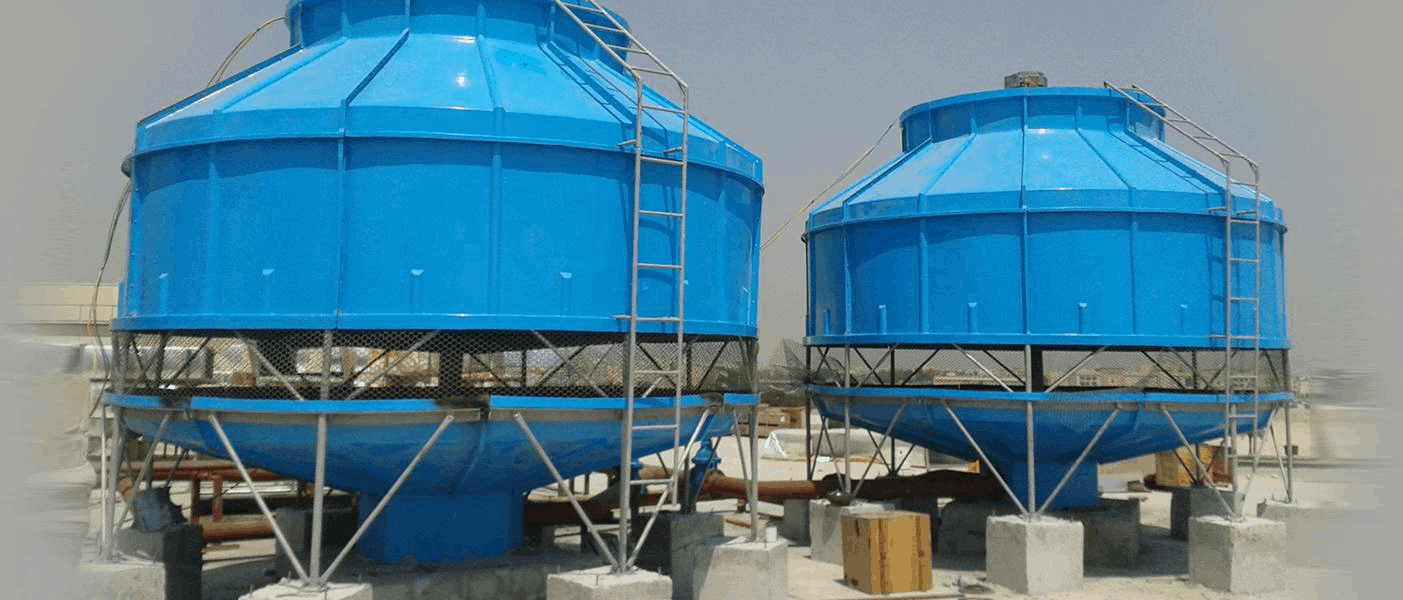
Boiler And Cooling Tower Water Treatment
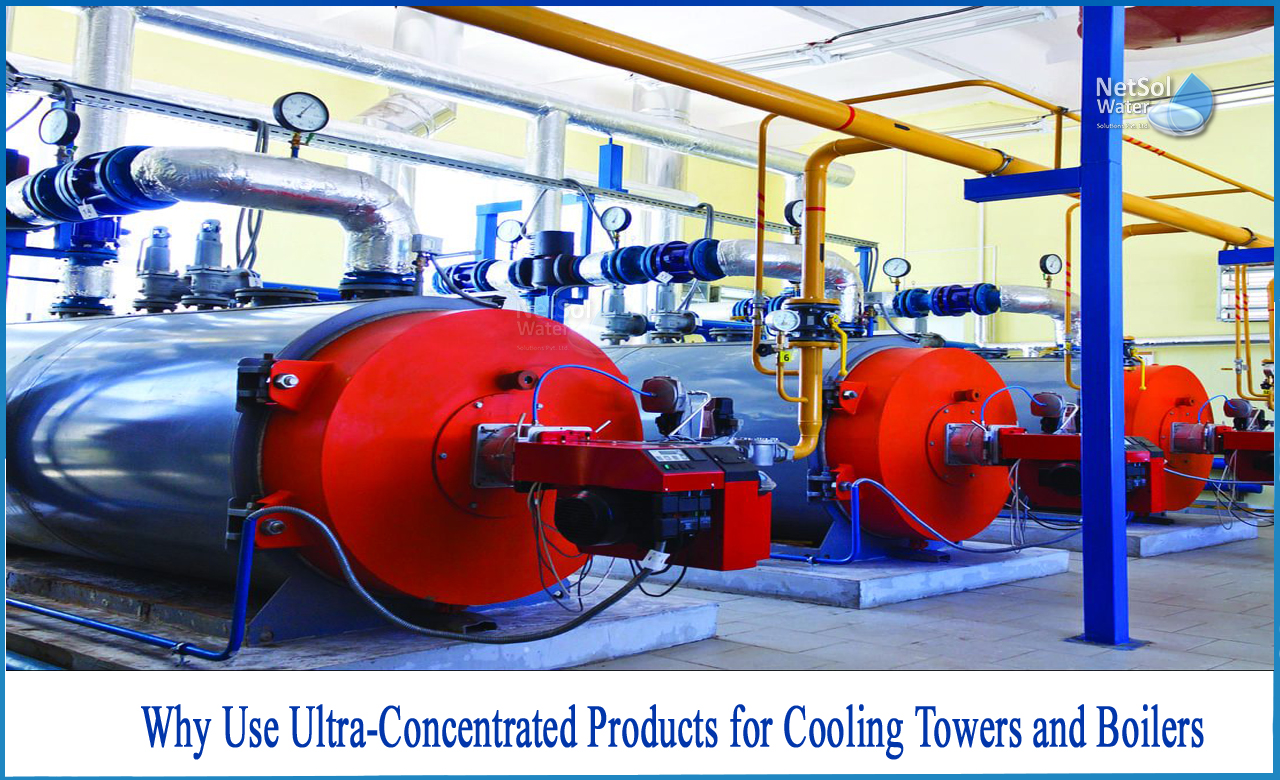
Imagine this: It's a sweltering summer day, and you're looking forward to a cool shower. But when you turn on the faucet, only lukewarm water comes out. Your water heater, seemingly, has decided to take a vacation. Or perhaps, during the peak of winter, your home heating system is underperforming, leaving you shivering despite the thermostat being cranked up. Both these scenarios often point to issues with your boiler or, in commercial settings, your cooling tower water treatment.
While seemingly complex, many initial troubleshooting steps are accessible to homeowners and building operators. This guide will walk you through a structured approach to identifying and resolving common boiler and cooling tower water treatment problems. Remember, your safety is paramount. If you are uncomfortable with any step, or if the problem involves gas, high voltage electricity, or complex components, call a qualified technician immediately.
Understanding the Importance of Water Treatment
Before we dive into troubleshooting, it's crucial to understand why water treatment is so vital for boilers and cooling towers. Untreated water can cause a host of problems:
- Scale Formation: Minerals like calcium and magnesium precipitate out of hard water and form scale on heat transfer surfaces. This reduces efficiency by insulating the heating element and restricting water flow.
- Corrosion: Dissolved oxygen, low pH, and certain minerals can corrode metal components, leading to leaks and premature failure.
- Biological Growth: Bacteria, algae, and fungi can thrive in cooling towers, forming biofilms that reduce efficiency and create health hazards (like Legionella).
- Sludge Accumulation: Suspended solids and organic matter can settle out and form sludge, which impedes water flow and reduces heat transfer.
Proper water treatment addresses these issues by controlling pH, inhibiting scale and corrosion, and preventing biological growth. This extends the life of your equipment, improves efficiency, and reduces operating costs.
Troubleshooting Boiler Issues Related to Water Treatment
1. Reduced Heating Efficiency
A noticeable drop in heating efficiency is a common sign of water treatment problems. The boiler might take longer to heat water, or the water might not reach the desired temperature.
Possible Causes:- Scale buildup on the heating element: This is the most likely culprit.
- Sludge accumulation in the tank: Similar to scale, sludge insulates the heating element.
- Insufficient water flow: Scale or corrosion can restrict water flow through the boiler.
- Check the water heater's temperature setting: Ensure it's set to a reasonable temperature (typically 120-140°F).
- Inspect the water heater tank for leaks: Look for signs of water damage around the base of the tank. If you find a leak, call a professional.
- Flush the water heater tank: This can remove sediment and sludge. (Safety First: Turn off the power or gas supply to the water heater before flushing.)
- Attach a hose to the drain valve at the bottom of the tank.
- Run the hose to a drain or outside.
- Open the drain valve and let the water run until it's clear.
- Close the drain valve and refill the tank.
- Inspect the anode rod: This sacrificial rod protects the tank from corrosion. If it's severely corroded, it needs to be replaced. (Professional recommended)
- If flushing the tank doesn't improve efficiency.
- If you suspect scale buildup on the heating element (descaling requires specialized chemicals and equipment).
- If you are uncomfortable working with water and plumbing.
2. No Hot Water
This is a more drastic problem indicating a more significant issue.
Possible Causes:- Gas supply problem (for gas boilers): No gas reaching the burner.
- Ignition failure (for gas boilers): The burner isn't igniting the gas.
- Electrical problem (for electric boilers): No power to the heating element.
- Failed heating element: The element is burned out.
- Tripped circuit breaker: Overload has tripped the breaker.
- Check the circuit breaker: Make sure the breaker for the water heater hasn't tripped. Reset it if necessary. (Safety First: Ensure your hands are dry before touching any electrical components.)
- Check the gas supply (for gas boilers): Ensure the gas valve is open and that other gas appliances are working. If you suspect a gas leak, evacuate the building and call the gas company immediately. (Professional REQUIRED for gas leak or repair)
- Test the heating element (for electric boilers): Use a multimeter to check the continuity of the heating element. If there's no continuity, the element is likely burned out and needs to be replaced. (Professional recommended)
- Check the thermocouple/flame sensor (for gas boilers): This device detects the presence of a flame and shuts off the gas if the flame goes out. A faulty thermocouple can prevent the boiler from igniting. (Professional recommended)
- If you suspect a gas leak.
- If the circuit breaker trips repeatedly.
- If you are not comfortable working with electricity or gas.
- If you suspect a failed heating element or thermocouple.
3. Strange Noises
Boilers can produce a variety of noises, some of which are normal, while others indicate a problem.
Possible Causes:- Kettling (boiling sound): This is caused by scale buildup on the heating element, which causes the water to overheat and boil.
- Banging or knocking: This can be caused by water hammer (sudden changes in water pressure) or loose pipes.
- Whistling: This can be caused by restricted water flow or air in the system.
- Flush the water heater tank: This can remove sediment and scale that may be causing the noise.
- Bleed the radiators: If you have a hot water heating system, bleed the radiators to remove any trapped air.
- Check the water pressure: Ensure the water pressure is within the recommended range for your system.
- Inspect the pipes for loose connections: Tighten any loose connections.
- If the noise persists after flushing the tank and bleeding the radiators.
- If you suspect water hammer or other plumbing problems.
- If you are uncomfortable working with plumbing.
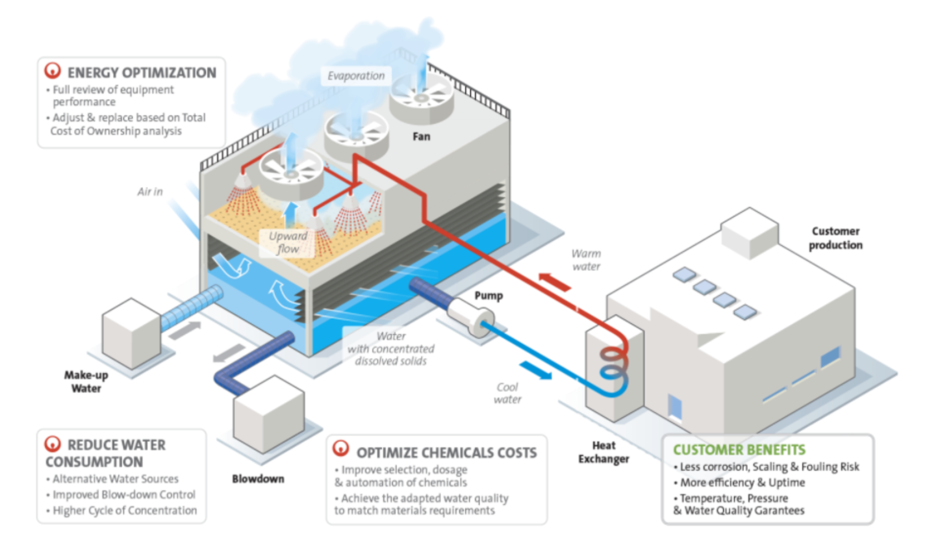
Troubleshooting Cooling Tower Issues Related to Water Treatment
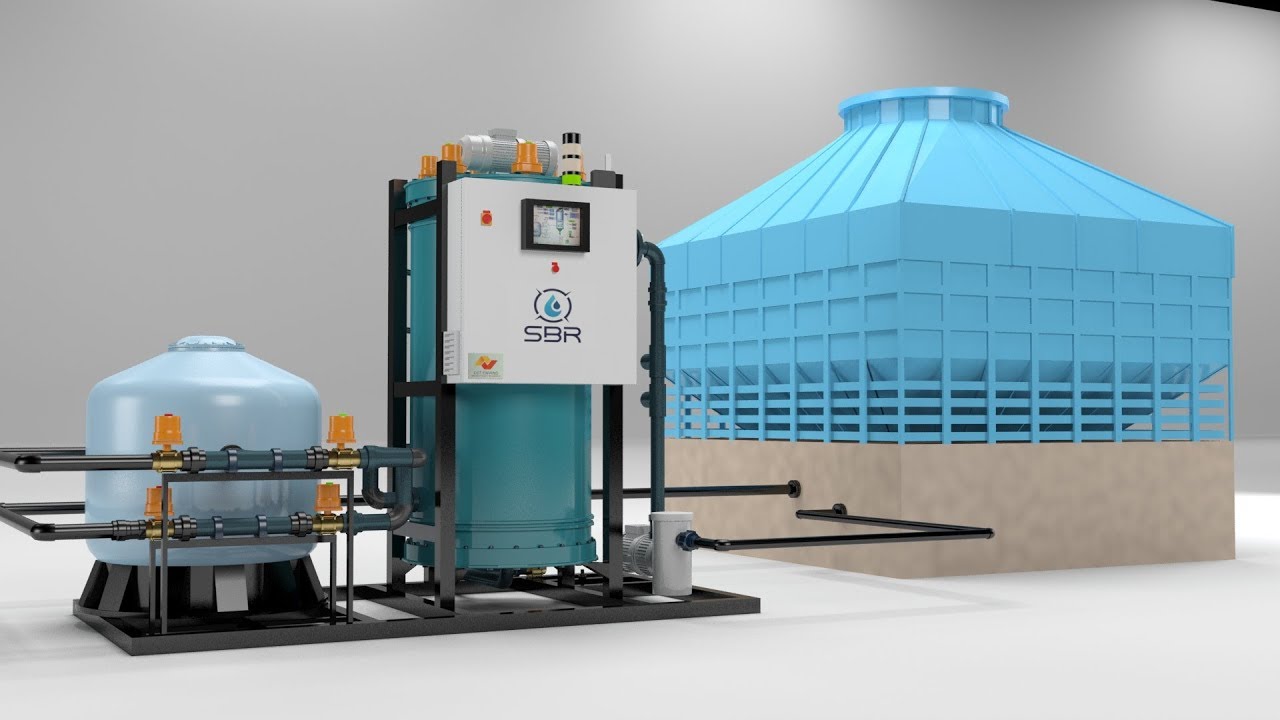
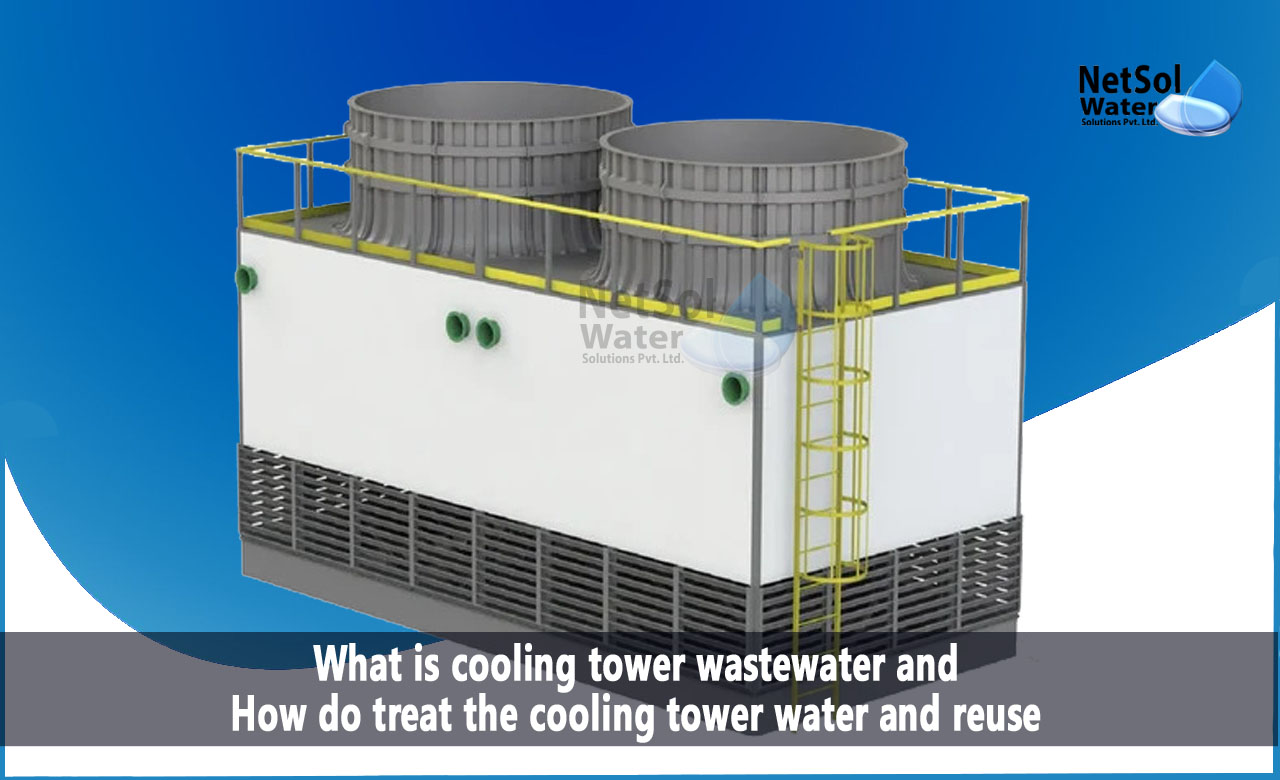
Cooling towers face similar water treatment challenges, but the scale of the problems and solutions are often larger.
1. Reduced Cooling Efficiency
A drop in cooling efficiency is a prime indicator of water treatment issues in a cooling tower.
Possible Causes:- Scale buildup on fill media: Reduces heat transfer and airflow.
- Biological fouling: Biofilms insulate surfaces and restrict water flow.
- Sludge accumulation in the basin: Impedes water flow and reduces efficiency.
- Improper chemical treatment: Incorrect dosage or type of chemicals.
- Visually inspect the fill media: Look for signs of scale, biological growth, or debris.
- Check the water chemistry: Test the pH, conductivity, and alkalinity of the water. Compare the results to the recommended levels for your system.
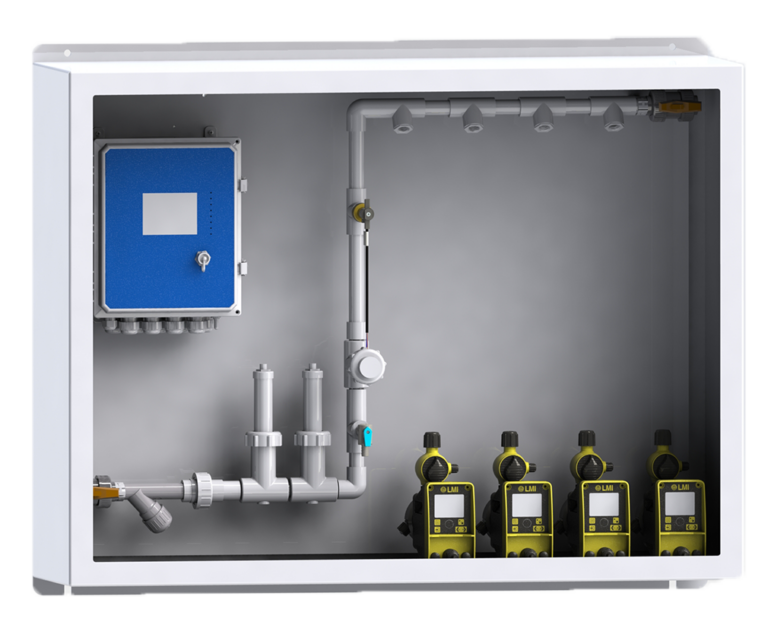
- Verify chemical feed rates: Ensure the chemical feed pumps are operating correctly and delivering the correct dosage.
- Clean the cooling tower basin: Remove any accumulated sludge or debris. (Safety First: Wear appropriate personal protective equipment, including gloves and a mask.)
- If you are unsure about interpreting water chemistry results.
- If you suspect improper chemical treatment.
- If the fill media is heavily scaled or fouled.
- If you are uncomfortable working with chemicals or large equipment.
2. Increased Water Consumption
Excessive water loss can indicate leaks or inefficient operation.
Possible Causes:- Leaks in the system: Cracked pipes, corroded fittings, or damaged basin.
- Excessive drift: Water droplets carried out of the tower by the airflow.
- High blowdown rate: Excessive water discharge to remove dissolved solids.
- Inspect the cooling tower for leaks: Check all pipes, fittings, and the basin for signs of water leakage.
- Evaluate drift eliminator performance: Ensure the drift eliminators are properly installed and functioning correctly.
- Optimize the blowdown rate: Adjust the blowdown rate to minimize water loss while maintaining acceptable water quality. This often involves cycles of concentration and monitoring dissolved solids.
- If you find any leaks in the system.
- If you are unsure about optimizing the blowdown rate.
- If you suspect problems with the drift eliminators.
3. Biological Growth and Odor
Uncontrolled biological growth can lead to unpleasant odors and health hazards.
Possible Causes:- Insufficient biocide treatment: Inadequate dosage or type of biocide.
- Stagnant water: Areas where water is not circulating properly.
- Contamination from external sources: Airborne debris or runoff.
- Increase biocide dosage: Consult with a water treatment specialist to determine the appropriate biocide dosage for your system.
- Improve water circulation: Ensure all areas of the cooling tower are receiving adequate water flow.
- Clean the cooling tower and surrounding area: Remove any debris or contaminants that may be contributing to biological growth.
- If you are unsure about selecting or using biocides.
- If you suspect Legionella contamination.
- If you are uncomfortable working with chemicals or large equipment.
General Tips for Water Treatment
- Regular Water Testing: Regularly test your boiler or cooling tower water to monitor pH, conductivity, alkalinity, and other key parameters.
- Proper Chemical Dosing: Ensure the correct type and dosage of chemicals are being used.
- Regular Maintenance: Schedule regular maintenance inspections and cleaning to prevent problems before they occur.
- Consult a Water Treatment Specialist: If you are unsure about any aspect of water treatment, consult with a qualified specialist.
Safety Precautions
Working with boilers and cooling towers can be dangerous. Always follow these safety precautions:
- Turn off the power or gas supply before working on any electrical or gas components.
- Wear appropriate personal protective equipment (PPE), including gloves, safety glasses, and a mask.
- Never work on equipment that is under pressure.
- Follow all manufacturer's instructions.
- If you are unsure about any step, call a qualified technician.
By following these troubleshooting steps and safety precautions, you can address many common boiler and cooling tower water treatment problems. Remember, a proactive approach to water treatment is key to maintaining the efficiency and longevity of your equipment. When in doubt, consult with a qualified professional. They have the expertise and equipment to diagnose and resolve complex issues safely and effectively.