Boiler And Hot Water Heater Combo
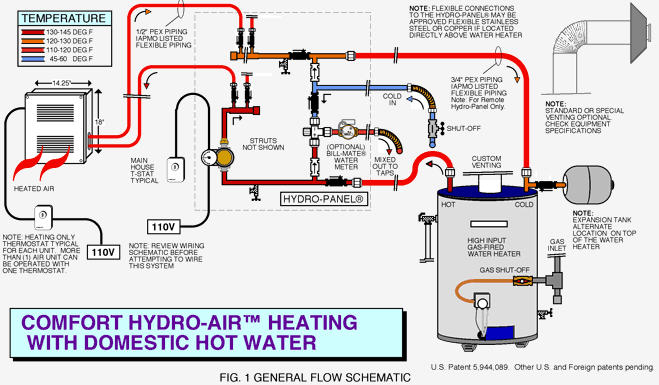
Boiler and Hot Water Heater Combo: A Smart Way to Slash Energy Costs and Boost Efficiency
For homeowners and businesses alike, energy costs represent a significant ongoing expense. Upgrading to energy-efficient heating and hot water systems can dramatically reduce these costs while also contributing to a more sustainable future. One compelling solution gaining traction is the boiler and hot water heater combo system. This article explores the benefits, technology, and implementation of these integrated systems, providing insights for homeowners, business owners, smart home enthusiasts, and HVAC contractors.
Understanding Boiler and Hot Water Heater Combo Systems
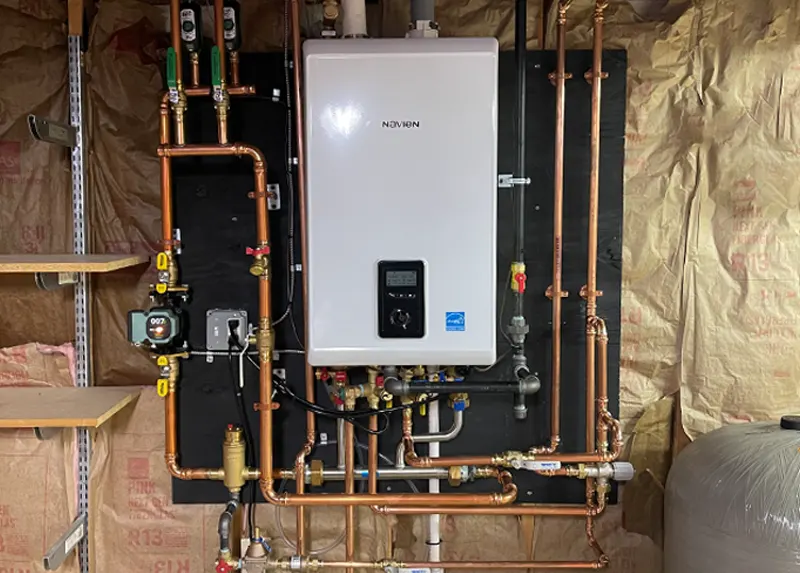
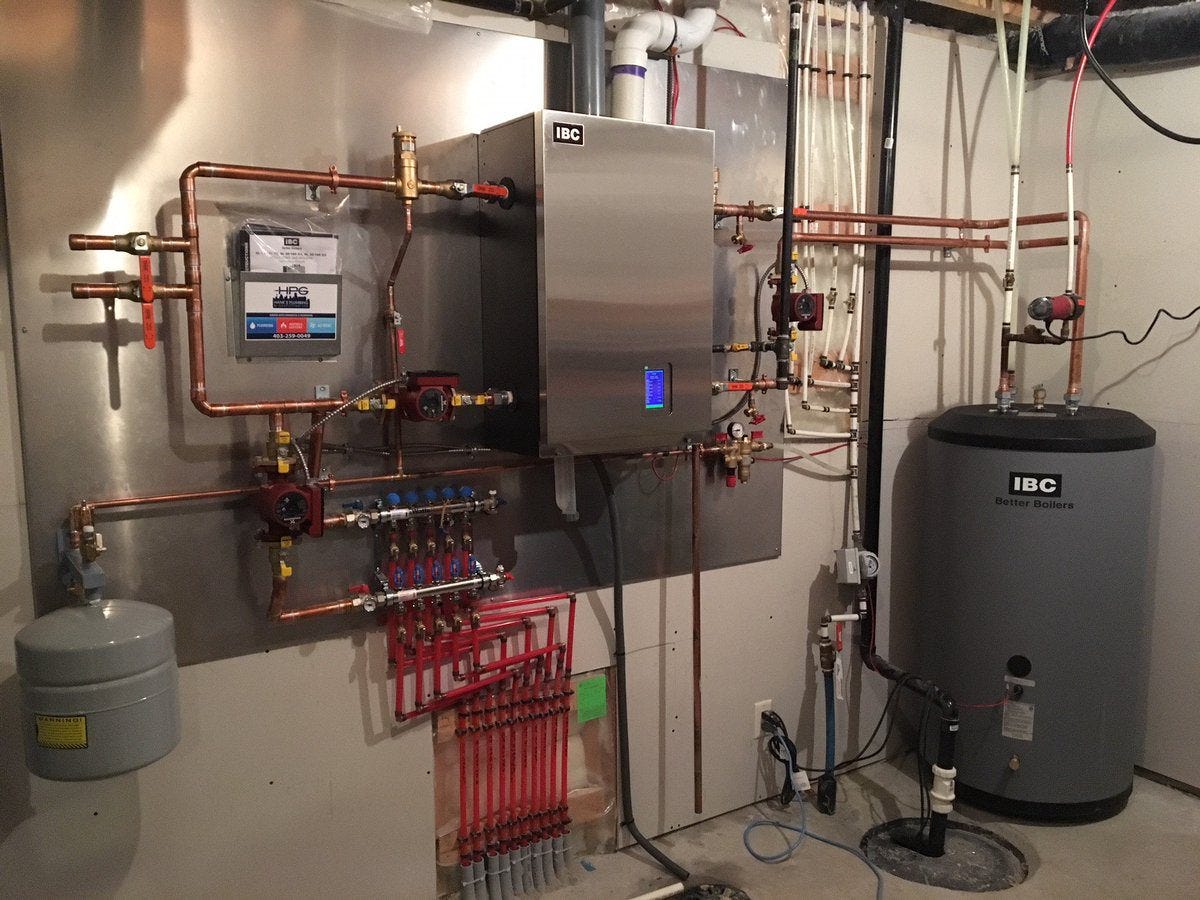
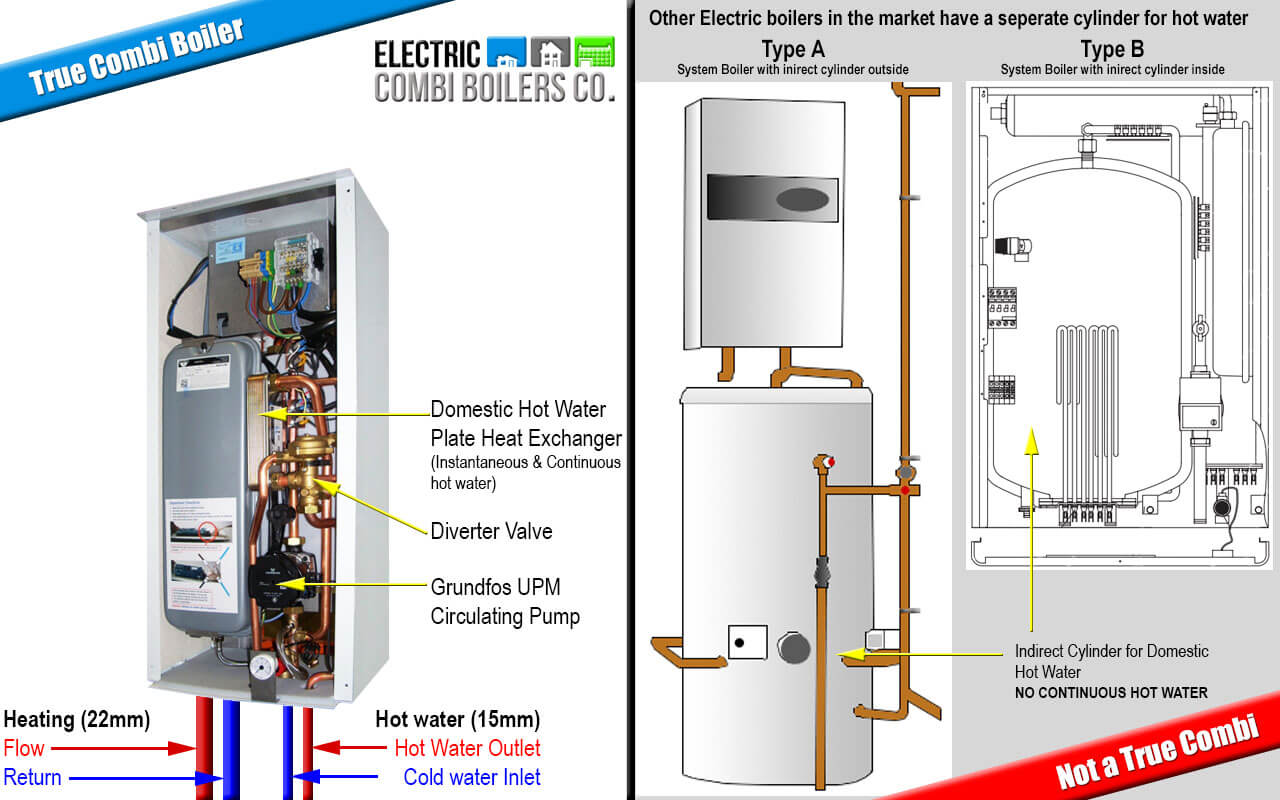
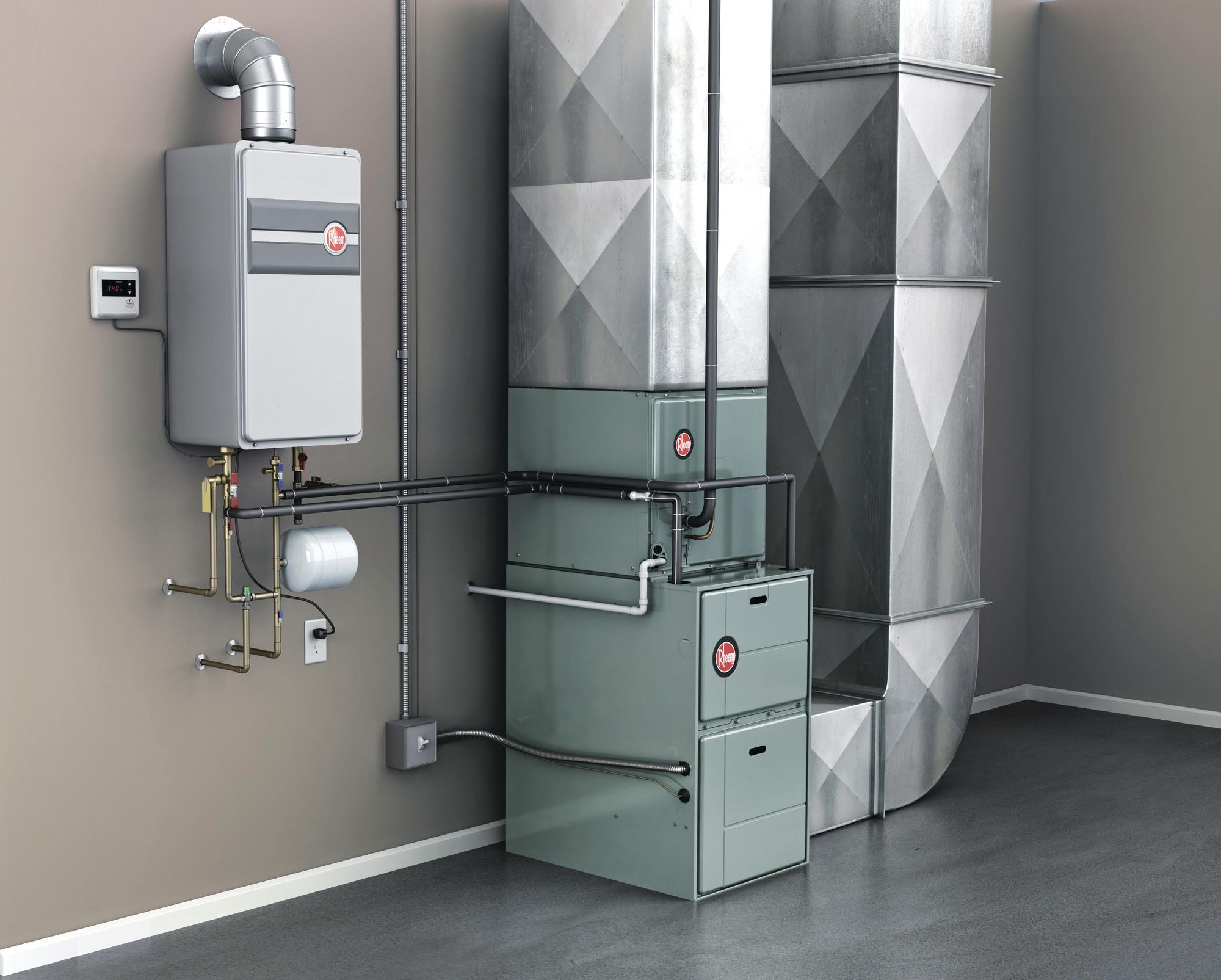
Traditional heating systems often rely on separate appliances for space heating and domestic hot water. A boiler and hot water heater combo, also known as a combi boiler, consolidates these functions into a single, efficient unit. Instead of a separate tank for storing hot water, a combi boiler heats water on demand, eliminating standby heat loss and improving overall energy efficiency.
Combi boilers typically use natural gas or propane as fuel, though electric models are also available. They utilize a heat exchanger to transfer heat from the combustion process to the water. Advanced models often incorporate condensing technology, extracting even more heat from the exhaust gases before they are released, further increasing efficiency. According to the U.S. Department of Energy, condensing boilers can achieve efficiencies of 90% or higher, significantly outperforming older, non-condensing models.
Benefits of a Boiler and Hot Water Heater Combo
The advantages of a combi boiler system are numerous:
- Space Savings: By combining two appliances into one, combi boilers require significantly less space. This is particularly beneficial in smaller homes or apartments where space is at a premium.
- Energy Efficiency: On-demand hot water eliminates standby heat loss, reducing energy consumption and lowering utility bills. Condensing technology further enhances efficiency by capturing and utilizing heat that would otherwise be wasted. Studies show that switching to a high-efficiency combi boiler can reduce heating bills by 20-40%.
- Cost Savings: While the initial investment may be higher than separate units, the long-term cost savings from reduced energy consumption and maintenance can quickly offset the upfront expense. Many states and utility companies also offer rebates and incentives for installing high-efficiency combi boilers, further reducing the cost. Check the Energy Star website for available rebates in your area.
- Unlimited Hot Water: Combi boilers provide a continuous supply of hot water on demand, eliminating the risk of running out during showers or other high-demand periods.
- Lower Installation Costs: Installing a single unit is often less expensive than installing separate boiler and water heater systems.
- Reduced Maintenance: With fewer components, combi boilers generally require less maintenance than separate systems.
ROI and Energy Savings: Quantifying the Benefits
Calculating the return on investment (ROI) for a combi boiler requires considering several factors, including the initial cost of the unit, installation expenses, fuel costs, and potential energy savings. Here's a simplified example:
Assume a homeowner currently spends $1,500 per year on heating and hot water with an older, less efficient system. Upgrading to a high-efficiency combi boiler results in a 30% reduction in energy consumption, saving $450 per year. If the combi boiler and installation cost $6,000, the simple payback period would be approximately 13.3 years.
However, this calculation doesn't account for potential rebates, tax incentives, or the increasing cost of energy over time. Additionally, the longer lifespan of a combi boiler compared to older systems can further improve the ROI. In many cases, homeowners can expect to see a full return on their investment within 8-12 years.
Energy savings can be maximized by choosing an Energy Star certified model. These models meet stringent energy efficiency requirements and can significantly reduce your carbon footprint.
Smart Home Integration and Combi Boilers
Combi boilers can be seamlessly integrated into smart home systems, offering enhanced control and convenience. Smart thermostats, sensors, and mobile apps allow homeowners to remotely monitor and adjust their heating and hot water settings, optimizing energy consumption and comfort.
For example, a smart thermostat can learn your heating preferences and automatically adjust the temperature based on your schedule. Occupancy sensors can detect when rooms are unoccupied and lower the temperature accordingly. Remote monitoring allows you to check the system's performance and receive alerts if any issues arise. This integration not only maximizes energy efficiency but also enhances the overall user experience.
Many smart thermostats are compatible with combi boilers and offer features like geofencing (adjusting the temperature based on your location) and weather-aware operation (optimizing heating based on weather forecasts). These features can further reduce energy consumption and save money on utility bills.
Choosing the Right Combi Boiler: Key Considerations
Selecting the right combi boiler for your home or business requires careful consideration of several factors:
- Size: The size of the combi boiler should be appropriately matched to the heating and hot water demands of the building. An undersized unit may struggle to provide sufficient hot water, while an oversized unit may cycle inefficiently. Consult with an HVAC professional to determine the correct size for your specific needs.
- Efficiency Rating: Look for a combi boiler with a high Annual Fuel Utilization Efficiency (AFUE) rating. An AFUE of 90% or higher indicates a highly efficient unit.
- Fuel Type: Choose a fuel type that is readily available and cost-effective in your area. Natural gas is often the most common and affordable option, but propane and electric models are also available.
- Warranty: Check the warranty terms and conditions carefully. A longer warranty period provides greater peace of mind and protection against potential defects.
- Brand Reputation: Research different combi boiler brands and read reviews from other users. Choose a reputable brand with a proven track record of reliability and performance.
- Installation and Maintenance: Ensure that the combi boiler is installed by a qualified HVAC professional. Regular maintenance is essential to ensure optimal performance and longevity.
Combi Boilers for Businesses: A Sustainable Solution
Businesses can also benefit significantly from upgrading to combi boiler systems. In addition to the energy and cost savings, combi boilers can contribute to a more sustainable business model, enhancing brand reputation and attracting environmentally conscious customers. Furthermore, various government and utility programs offer incentives for businesses to adopt energy-efficient technologies like combi boilers.
For businesses with fluctuating hot water demands, combi boilers offer a flexible and efficient solution. The on-demand heating capability ensures that hot water is always available when needed, without the energy waste associated with traditional storage tank systems.
Implementing a smart HVAC system with a combi boiler can provide valuable data insights into energy consumption patterns, allowing businesses to optimize their operations and further reduce costs. Real-time monitoring and reporting can help identify areas where energy is being wasted and implement strategies to improve efficiency.
Working with an HVAC Contractor
Proper installation and maintenance are crucial for the optimal performance and longevity of a combi boiler. It is essential to work with a qualified and experienced HVAC contractor who can properly size, install, and maintain the system.
When selecting an HVAC contractor, consider the following:
- Experience: Choose a contractor with extensive experience installing and servicing combi boilers.
- Certifications: Ensure that the contractor is properly licensed and certified.
- Reputation: Check the contractor's references and read reviews from other customers.
- Insurance: Verify that the contractor has adequate insurance coverage.
- Estimates: Obtain multiple estimates from different contractors and compare their pricing and services.
A reputable HVAC contractor can provide valuable guidance on selecting the right combi boiler for your needs and ensure that it is installed and maintained correctly. They can also help you navigate available rebates and incentives to maximize your cost savings.
Conclusion
Boiler and hot water heater combo systems offer a compelling solution for homeowners and businesses looking to reduce energy costs, improve efficiency, and embrace sustainable practices. With their space-saving design, on-demand hot water, and compatibility with smart home technology, combi boilers provide a modern and efficient approach to heating and hot water. By carefully considering your needs, choosing the right unit, and working with a qualified HVAC contractor, you can unlock the full potential of combi boilers and enjoy significant long-term benefits.