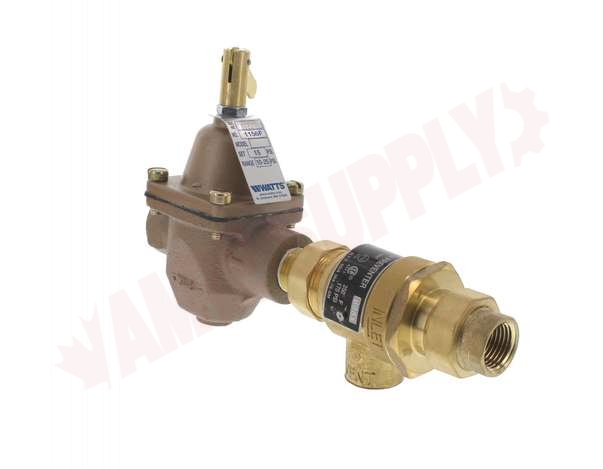
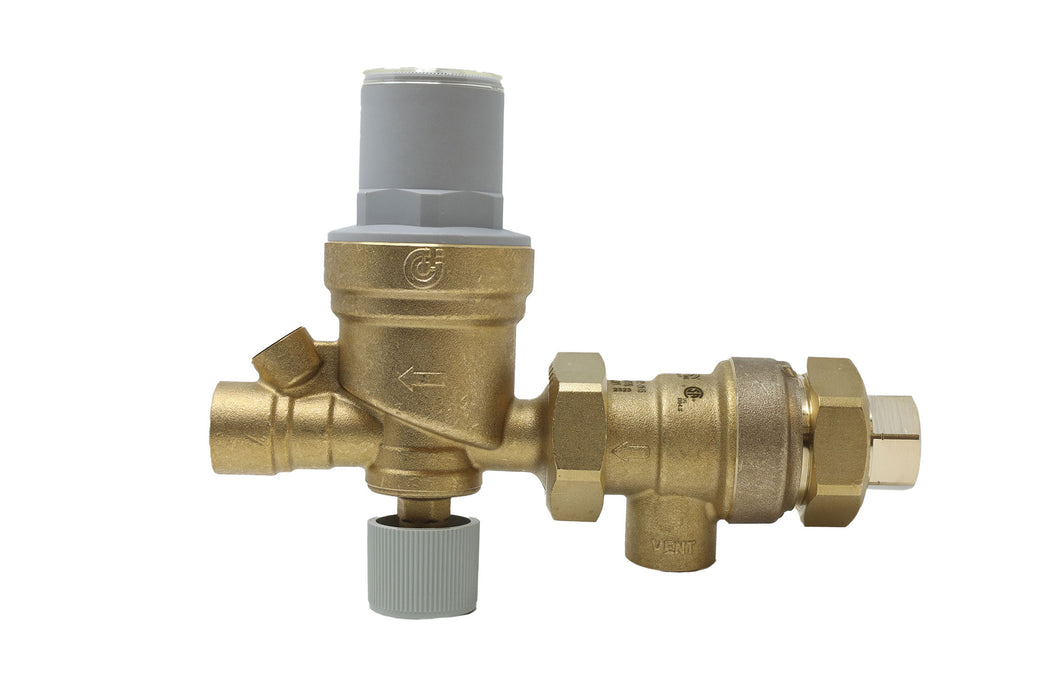
Boiler Fill Valve And Backflow Preventer
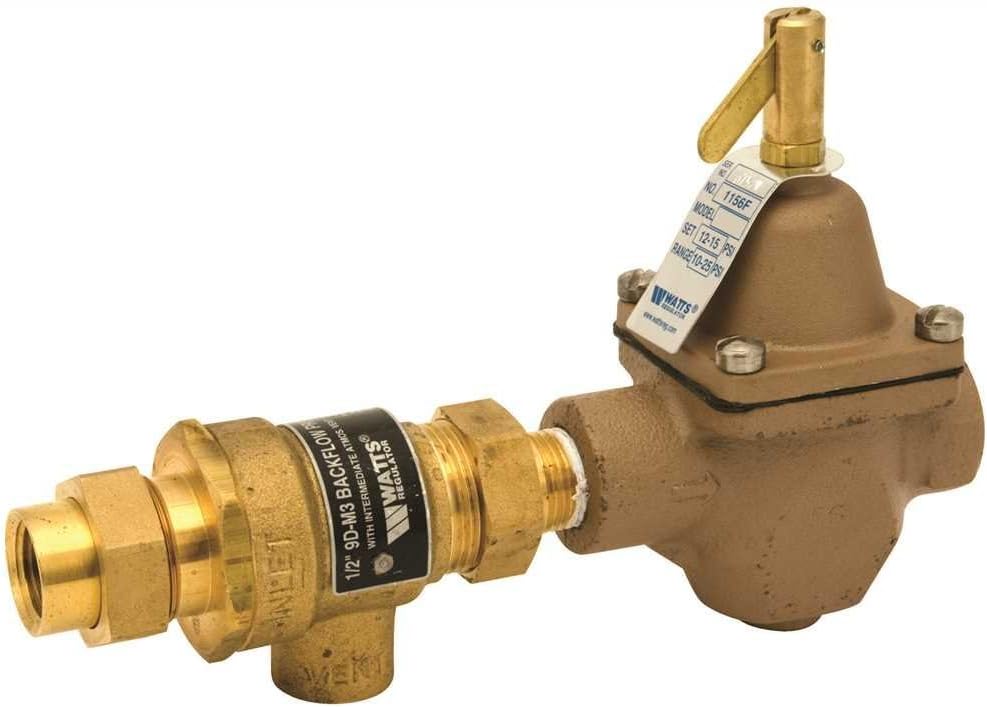
Understanding Your Boiler Fill Valve and Backflow Preventer
Your boiler system relies on several key components to function efficiently and safely. Two of the most critical, and often overlooked, are the boiler fill valve and the backflow preventer. These components work in tandem to ensure your boiler has the correct water pressure and prevent contaminated water from entering your potable water supply. This article will guide you through understanding, troubleshooting, and maintaining these crucial parts. Remember to always prioritize safety and consult a qualified HVAC professional when in doubt.
What is a Boiler Fill Valve?
The boiler fill valve, sometimes called a pressure reducing valve (PRV), is responsible for automatically maintaining the correct water pressure within your boiler system. It acts as a one-way valve, allowing water to enter the boiler system from your main water line when the pressure drops below a set level, typically between 12-15 PSI. Without a properly functioning fill valve, your boiler could run dry, leading to significant damage or inefficient operation. It is generally located on the return pipe, near the boiler, but specific placement varies.
What is a Backflow Preventer?
The backflow preventer is a safety device designed to prevent contaminated water from flowing back into your clean water supply. Boiler systems contain chemicals like rust inhibitors and antifreeze (in some cases). Without a backflow preventer, these potentially harmful substances could contaminate your drinking water if a pressure drop occurs in the main water line. These valves are typically located before the boiler fill valve on the cold water inlet line.
Troubleshooting Common Problems
Here are some common issues you might encounter with your boiler fill valve and backflow preventer:
Low Boiler Pressure
This is a frequent complaint. If your boiler pressure gauge consistently reads below the recommended range (usually found on the boiler itself or in the manual), it could indicate a problem with the fill valve.
Possible Causes:
- Fill Valve Failure: The valve may be stuck closed, preventing water from entering the system.
- Water Leak: A leak somewhere in your heating system (radiators, pipes, etc.) can cause a constant pressure drop.
- Air in the System: Trapped air can compress and cause fluctuating or low pressure.
- Faulty Pressure Gauge: The gauge itself may be inaccurate.
Troubleshooting Steps:
- Check for Leaks: Inspect all visible pipes, radiators, and connections for any signs of water leakage. Address any leaks immediately.
- Purge Air: Use the bleeder valves on your radiators to release any trapped air. Start with the radiators farthest from the boiler.
- Inspect the Fill Valve: Look for any signs of corrosion or damage. Manually open the fill valve to see if water flows into the system. Some fill valves have a lever or knob for manual operation.
- Test the Pressure Gauge: If possible, compare the pressure reading with another gauge. A known accurate gauge can verify that the reading is accurate.
High Boiler Pressure
Excessive boiler pressure can be dangerous and lead to equipment failure. A properly functioning fill valve should prevent this.
Possible Causes:
- Fill Valve Failure: The valve may be stuck open, continuously adding water to the system.
- Expansion Tank Issue: A faulty expansion tank can’t accommodate the expansion of water as it heats, leading to pressure increases.
- Overfilling: Manually overfilling the system.
Troubleshooting Steps:
- Turn Off the Water Supply: Immediately turn off the water supply to the boiler to prevent further pressure increases.
- Check the Fill Valve: Ensure the fill valve is not stuck open. Try manually closing it (if possible) and observe if the pressure continues to rise.
- Inspect the Expansion Tank: Check the air charge in the expansion tank. A properly charged tank should have a specific pressure, usually around 12-15 PSI. You can use a tire pressure gauge to check this. A waterlogged tank is a common failure point.
- Drain Excess Water: Carefully drain excess water from the system to reduce the pressure. Use the drain valve located near the boiler.
Backflow Preventer Leaking
A leaking backflow preventer can indicate a problem with the valve’s internal seals or a buildup of debris.
Possible Causes:
- Debris Buildup: Sediment and debris can accumulate inside the valve, preventing proper sealing.
- Worn Seals: Over time, the valve’s internal seals can degrade and leak.
- High Water Pressure: Excessive water pressure can damage the valve.
Troubleshooting Steps:
- Inspect the Valve: Check for any visible signs of damage or corrosion.
- Flush the Valve: Some backflow preventers have test cocks that can be opened to flush out debris. Consult the valve’s manual for instructions.
- Check Water Pressure: Ensure your water pressure is within the recommended range for your plumbing system. Consider installing a pressure regulator if needed.
No Hot Water
While not directly caused by the fill valve or backflow preventer, these components play a crucial role in maintaining proper water levels, which is essential for hot water production.
Possible Causes:
- Low Water Level: If the boiler water level is too low, the burner may shut off for safety reasons.
- Burner Issues: Problems with the burner ignition or gas supply can prevent the boiler from heating the water.
- Circulation Issues: A faulty circulator pump can prevent hot water from reaching your radiators or faucets.
Troubleshooting Steps:
- Check Water Level: Ensure the boiler water level is within the normal range. If it’s low, investigate the fill valve.
- Check Burner Operation: Observe the burner ignition process. If it fails to ignite or flames are weak or yellow, consult a qualified technician.
- Check Circulator Pump: Listen for the circulator pump running. If it’s not running, check the power supply and the pump itself.
DIY Repairs vs. Calling a Professional
Simple tasks like checking for leaks, purging air, and flushing the backflow preventer can often be handled by homeowners. However, more complex repairs, such as replacing the fill valve, expansion tank, or dealing with burner issues, are best left to qualified HVAC professionals. Working with gas lines, electrical components, and pressurized systems can be dangerous if not handled correctly.
When to Call a Professional:
- Gas Leaks: If you suspect a gas leak, immediately evacuate the premises and call your gas company or a qualified HVAC technician.
- Electrical Issues: If you’re not comfortable working with electrical wiring, call a licensed electrician.
- Complex Repairs: Replacing the fill valve, expansion tank, or any other major boiler component requires specialized knowledge and tools.
- Persistent Problems: If you’ve tried troubleshooting the problem yourself and it persists, it’s time to call a professional.
- Uncertainty: If you are ever unsure about how to proceed, contact a professional. Your safety, and the integrity of your heating system, is paramount.
Tools and Parts
Here's a list of tools and parts you might need for basic troubleshooting and maintenance:
Tools:
- Adjustable wrench
- Pipe wrench
- Screwdrivers (Phillips and flathead)
- Pressure gauge
- Tire pressure gauge
- Bucket
- Towels
- Multimeter (for electrical testing)
Parts:
- Replacement boiler fill valve
- Replacement backflow preventer
- Pipe sealant (Teflon tape or pipe dope)
- Expansion tank
- Bleeder valve
Estimated Repair Costs
These are rough estimates and can vary depending on your location, the complexity of the job, and the contractor you choose. Always get multiple quotes before proceeding with any repairs.
- Boiler Fill Valve Replacement: $150 - $400
- Backflow Preventer Replacement: $200 - $500
- Expansion Tank Replacement: $250 - $600
- Boiler Repair (General): $100 - $1000+ (depending on the issue)
Safety First! Always turn off the power and water supply to the boiler before attempting any repairs. Wear appropriate safety gear, such as gloves and eye protection.
Preventative Maintenance
Regular maintenance can help prevent problems with your boiler fill valve and backflow preventer. Here are some tips:
- Annual Inspection: Schedule an annual inspection with a qualified HVAC technician.
- Flush the System: Periodically flush the boiler system to remove sediment and debris.
- Monitor Pressure: Regularly monitor the boiler pressure gauge to ensure it’s within the recommended range.
- Check for Leaks: Inspect the system for leaks regularly and address them promptly.
By understanding the function of your boiler fill valve and backflow preventer, you can proactively address potential problems and keep your boiler system running efficiently and safely. Remember, when in doubt, always consult a qualified HVAC professional.