Boiler Leaking Water From Pressure Relief Valve

One of the most unsettling discoveries a homeowner can make is finding water leaking from their boiler's pressure relief valve (PRV). This seemingly small leak can indicate a potentially serious problem, and ignoring it could lead to further damage or even a dangerous situation. But before you panic, know that sometimes the fix is simple. This guide will walk you through the diagnostic steps and basic solutions you can safely attempt yourself, and importantly, when you need to call in a professional.
Understanding Your Boiler's Pressure Relief Valve
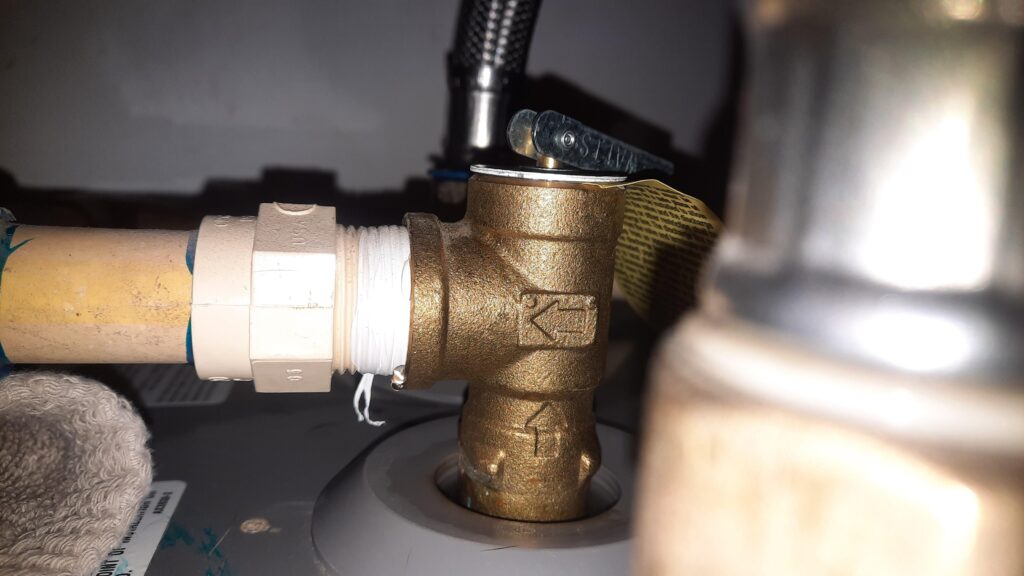
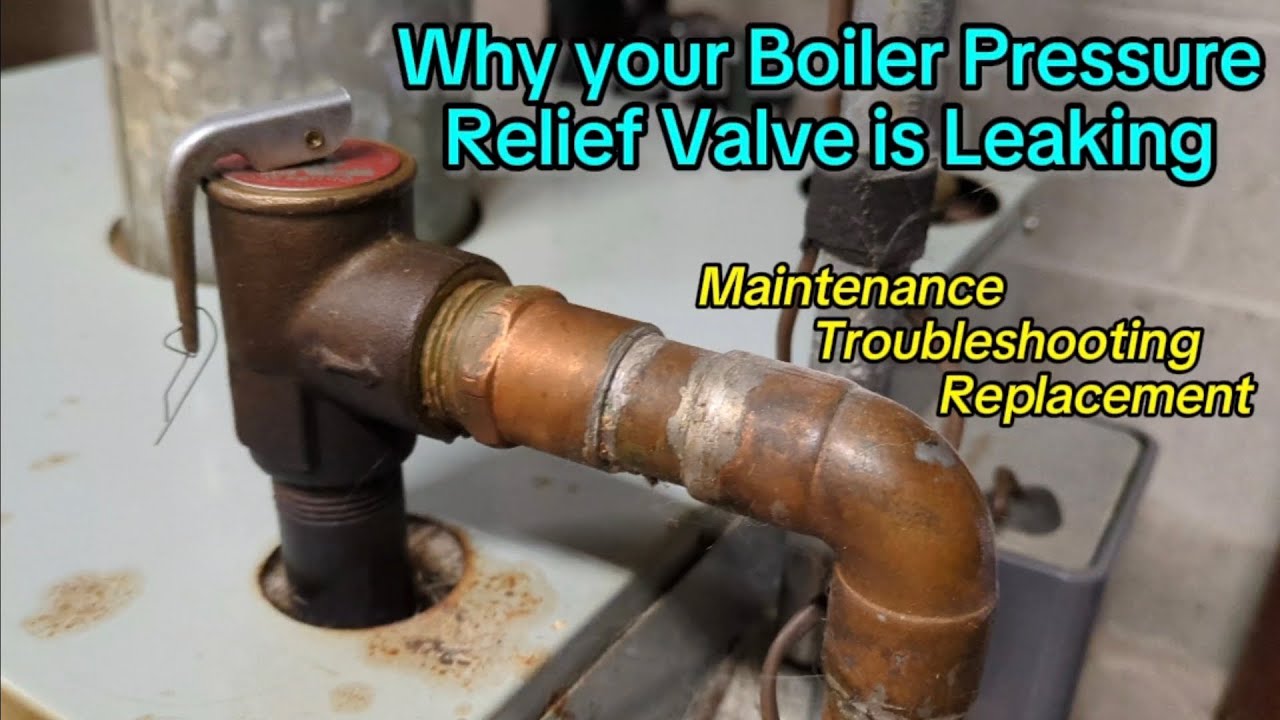
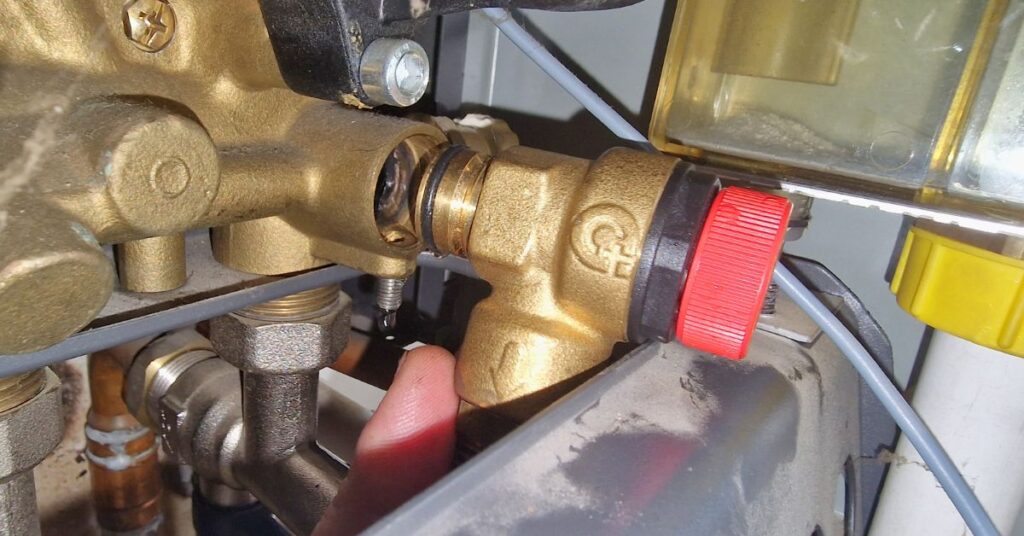
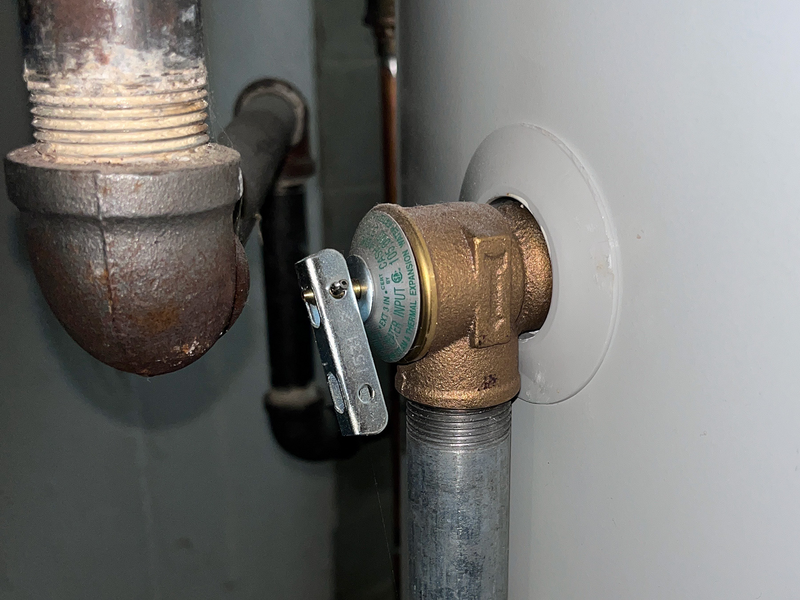
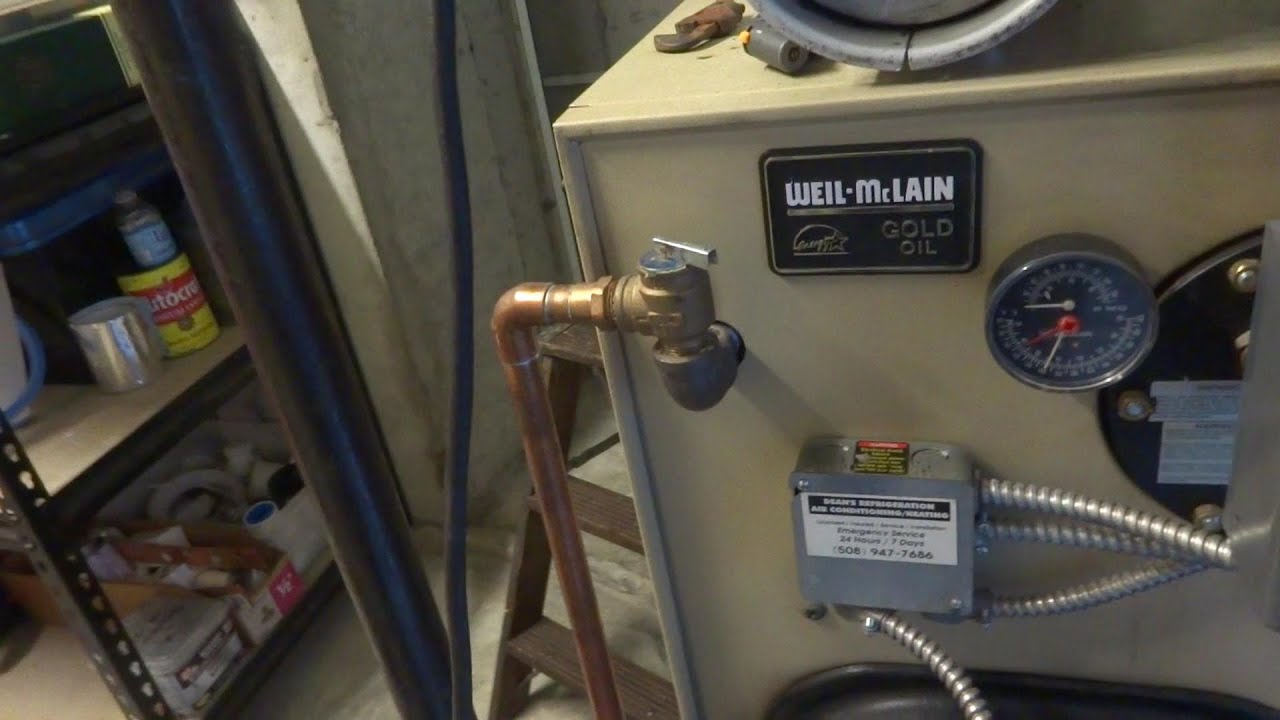
First, let's understand what the PRV is and why it's there. The pressure relief valve is a safety device designed to automatically release water if the pressure inside your boiler exceeds a safe limit. This prevents the boiler from potentially exploding due to over-pressurization. It's usually located on the top or side of the boiler and has a discharge pipe that leads to a drain. It's critical that this pipe is never blocked or capped.
A properly functioning PRV shouldn't release water unless the pressure is too high. A consistent leak, even a small drip, indicates something is wrong and needs to be addressed.
Step 1: Initial Safety Checks and Precautions
Safety First! Before you do anything, turn off the boiler. Locate the power switch, usually near the boiler, and switch it to the "off" position. Give the boiler some time to cool down before you start inspecting anything. Hot water can cause severe burns.
Next, clear the area around the boiler. Make sure you have enough space to move around and that there are no flammable materials nearby. Have a bucket and towels handy to catch any leaking water.
Step 2: Diagnosing the Cause of the Leak
Now it's time to investigate the cause of the leaking PRV. Here's a step-by-step approach:
1. Check the Boiler Pressure Gauge
The most likely culprit for a leaking PRV is excessive pressure. Your boiler has a pressure gauge, usually located on the front panel. This gauge indicates the water pressure inside the boiler system. Look for the reading; it's usually marked in PSI (pounds per square inch) or bar. A typical operating pressure for a residential boiler is between 12 and 15 PSI. Check your boiler's manual for the specific recommended pressure for your model.
If the pressure is consistently above the recommended limit, this is a strong indicator that the PRV is doing its job by releasing excess pressure. Make a note of the pressure reading. We'll need this information later.
2. Inspect the PRV Itself
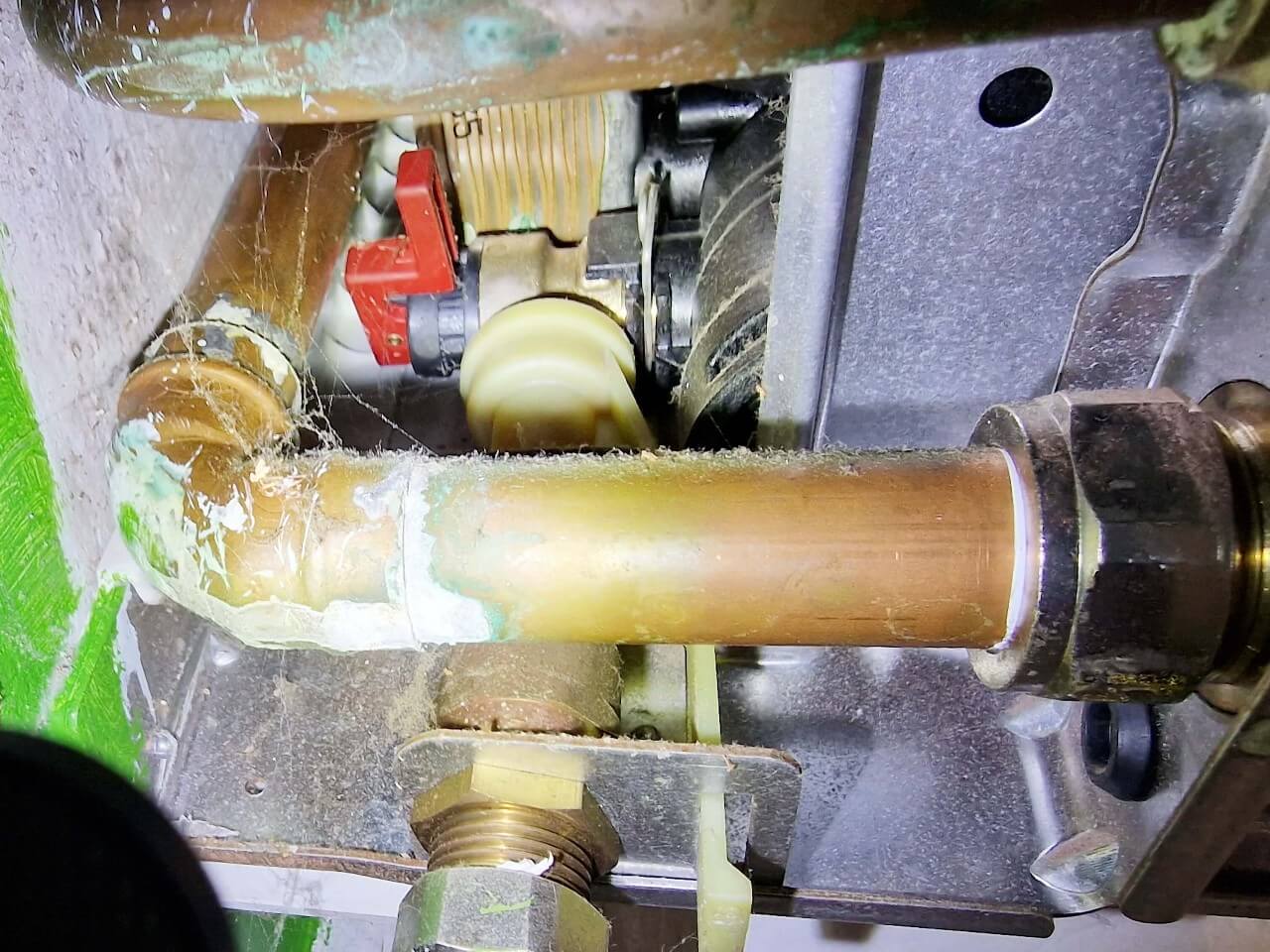
Carefully examine the PRV for any signs of damage or corrosion. Look for cracks, rust, or mineral buildup around the valve. If the valve looks significantly corroded or damaged, it may need to be replaced. This is generally a task best left to a professional, but noting its condition is important for your overall diagnosis.
3. Check the Expansion Tank
The expansion tank is a crucial component of your boiler system. It's designed to accommodate the expansion of water as it heats up, preventing excessive pressure buildup. A faulty expansion tank is a very common cause of a leaking PRV.
Locate the expansion tank. It's usually a small, metal tank connected to the boiler or the piping system. Often, it's red or grey. To test the expansion tank:
- Method 1 (The Tap Test): Gently tap on the top and bottom of the tank. If the top sounds hollow and the bottom sounds full of water, the tank is likely waterlogged and needs attention. A healthy tank should sound hollow throughout.
- Method 2 (The Pressure Test): Locate the Schrader valve (like a tire valve) on the bottom of the tank. Remove the cap and briefly press the valve core. If water comes out, the bladder inside the tank has likely failed, and the tank needs to be replaced. Important: Be prepared for water to spray out.
4. Examine the Fill Valve
The fill valve is responsible for adding water to the boiler system. If it's malfunctioning and constantly adding water, it can cause the pressure to rise too high. The fill valve is typically a lever or knob located near the boiler.
To check the fill valve, ensure it's completely closed. Sometimes, these valves can leak or fail to close properly, continuously adding water to the system. Even a slow drip over time can increase pressure significantly.
5. Look for Other Leaks in the System
While a leaking PRV is the immediate concern, it's wise to inspect the rest of the boiler system for other leaks. Check the pipes, fittings, and connections for any signs of water. Even small leaks can contribute to pressure fluctuations and strain the system.
Step 3: Simple DIY Fixes (If Applicable)
Based on your diagnosis, here are a few simple fixes you can attempt:
1. Manually Release Pressure (If Pressure is Too High)
Caution: Hot water will be released. Wear gloves and eye protection. Place a bucket under the PRV discharge pipe.
If the pressure gauge reading is significantly above the recommended limit, you can carefully release some pressure by briefly lifting the lever on the PRV. Lift the lever gently and allow a small amount of water to escape until the pressure drops to the desired range. Release the lever. Monitor the pressure gauge. If the pressure quickly rises again, this indicates a more serious underlying problem that needs professional attention.
2. Check and Close the Fill Valve Properly
Ensure the fill valve is completely closed. Sometimes, simply tightening the valve or adjusting its position can resolve a slow leak and prevent over-pressurization. Monitor the pressure gauge after closing the valve to see if the pressure stabilizes.
3. Try Tapping the PRV Lever (With Caution)
Sometimes, debris can get lodged in the PRV, causing it to leak. *Gently* lift and release the PRV lever a few times to try to dislodge any debris. Again, be prepared for hot water to be released. This is a short-term fix, and if the problem persists, the PRV likely needs replacement.
When to Call a Professional
It's crucial to recognize when the problem requires professional intervention. Call a qualified heating and plumbing technician in the following situations:
- The pressure continues to rise after attempting to release it manually. This indicates a severe issue that could lead to a dangerous situation.
- You suspect a faulty expansion tank. Replacing an expansion tank requires specialized knowledge and tools. Incorrect installation can damage the boiler system.
- You suspect a faulty fill valve. A continuously leaking fill valve needs to be professionally repaired or replaced.
- The PRV is visibly damaged or corroded. Replacing a PRV requires proper tools and expertise to ensure a leak-proof seal.
- You're not comfortable working with plumbing or electrical components. Safety should always be your top priority.
- The problem persists after attempting the DIY fixes. This indicates a more complex issue that requires professional diagnosis and repair.
- Your boiler is under warranty. Attempting repairs yourself may void the warranty.
- You don't have the right tools or knowledge.
Preventative Maintenance
Preventing a leaking PRV is always better than dealing with the problem after it arises. Here are a few preventative maintenance tips:
- Annual Boiler Service: Schedule an annual service with a qualified technician. They can inspect all components of the boiler system, including the PRV, expansion tank, and fill valve, and identify potential problems before they escalate.
- Regular Pressure Monitoring: Periodically check the boiler's pressure gauge to ensure it's within the recommended range.
- Flush the Boiler System: Over time, sediment and mineral buildup can accumulate in the boiler system, affecting its efficiency and potentially damaging components. Flushing the system periodically can help remove this buildup. Consult a professional about the proper flushing procedure for your boiler model.
Summary
A leaking pressure relief valve is a sign that something is wrong with your boiler system. By following these diagnostic steps and attempting the simple DIY fixes, you may be able to resolve the problem yourself. However, it's essential to recognize when professional help is needed. Prioritize safety and never hesitate to call a qualified technician if you're unsure about any aspect of the repair. Regular preventative maintenance can help prevent future problems and ensure your boiler operates safely and efficiently for years to come.