Bonding Building Steel

Bonding Building Steel: An HVAC Professional's Guide
In the world of Heating, Ventilation, and Air Conditioning (HVAC), understanding electrical safety is paramount. While it might seem outside the core responsibilities of some HVAC roles, bonding building steel is a critical aspect of ensuring safe and efficient operation, particularly when dealing with large HVAC systems installed in commercial and industrial buildings. This article explores the 'why' and 'how' of bonding building steel, its relevance to HVAC professionals, and its impact on career advancement.
Why Bond Building Steel? The Electrical Safety Imperative
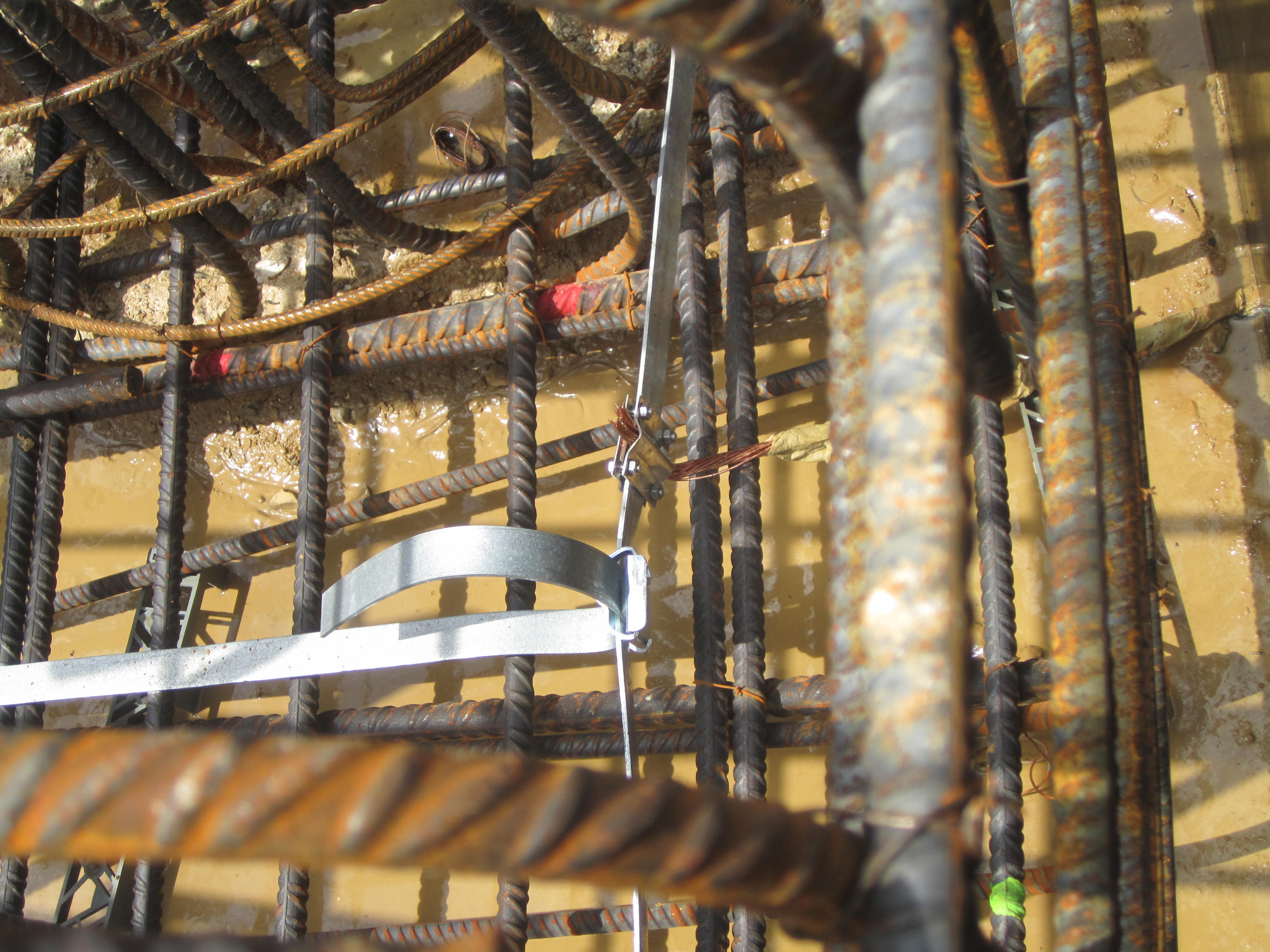
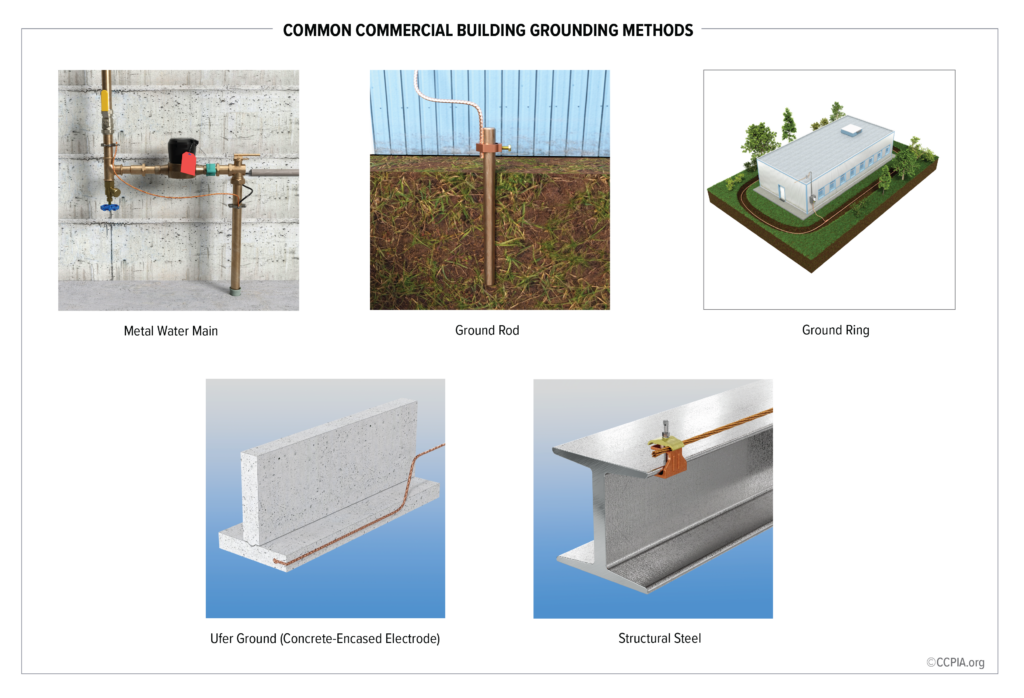
Building steel provides a continuous conductive pathway throughout the structure. When properly bonded, it becomes a crucial component of the grounding system. This serves several vital functions:
- Providing a Low-Impedance Path to Ground: In the event of an electrical fault (e.g., a short circuit in an HVAC unit), the bonded steel creates a safe path for fault current to return to the source, tripping a circuit breaker or blowing a fuse. This rapid disconnection minimizes the risk of electrical shock and fire.
- Equalizing Potential: Bonding helps equalize the electrical potential between different metal components of the building and the HVAC equipment. This prevents dangerous voltage differences that could cause electrical shock to anyone who comes into contact with multiple surfaces simultaneously.
- Reducing Electromagnetic Interference (EMI): A properly grounded and bonded steel structure can help shield sensitive electronic equipment from EMI, which is increasingly important as HVAC systems incorporate sophisticated controls and sensors.
Ignoring proper bonding can have severe consequences, including electrical shocks, equipment damage, and even structural fires. This is why it's often mandated by electrical codes and is a critical aspect of inspections and safety compliance.
How HVAC Professionals Contribute to Bonding
While the primary responsibility for bonding building steel typically falls to electricians, HVAC professionals play a vital role in ensuring the integrity of the bonding system. This involvement can take several forms:
- Properly Grounding HVAC Equipment: All HVAC equipment, including air handlers, chillers, boilers, and ductwork, must be properly grounded according to manufacturer specifications and local electrical codes. This often involves connecting grounding conductors to the equipment chassis and ensuring a solid connection to the building's grounding system.
- Bonding Ductwork: Metallic ductwork can become energized due to static electricity or induction from nearby electrical wiring. Bonding the ductwork to the building steel at multiple points helps dissipate this charge and prevent shocks. Flexible metal ductwork requires separate grounding due to its limited conductivity.
- Identifying and Reporting Bonding Issues: HVAC technicians should be trained to recognize signs of improper bonding, such as loose connections, corroded conductors, or missing bonding jumpers. Reporting these issues to a qualified electrician is crucial for maintaining electrical safety.
- Understanding Relevant Codes and Standards: HVAC professionals should be familiar with the National Electrical Code (NEC) and other relevant codes and standards that govern the bonding of building steel and HVAC equipment.
For example, consider a scenario where an HVAC technician is installing a new rooftop unit on a commercial building. The technician must ensure that the unit is properly grounded to the building's grounding electrode system, typically through a connection to the building steel. This might involve running a grounding conductor from the unit's grounding lug to a nearby steel beam or column, using appropriate connectors and ensuring a tight, corrosion-resistant connection.
Career Paths and Opportunities in HVAC
The HVAC industry offers a wide range of career paths, from entry-level installer positions to highly specialized engineering roles. Understanding electrical principles and bonding practices can significantly enhance career prospects and earning potential.
- HVAC Technician/Installer: These professionals install, maintain, and repair HVAC systems in residential, commercial, and industrial settings. A strong understanding of electrical safety and bonding is essential for safe and efficient installations. The median annual wage for HVAC mechanics and installers was $51,390 in May 2021, according to the Bureau of Labor Statistics (BLS). The BLS projects 5% growth in employment for these occupations from 2021 to 2031.
- HVAC Service Technician: Service technicians troubleshoot and repair HVAC systems, often responding to emergency calls. They need to be able to diagnose electrical problems and ensure that equipment is properly grounded and bonded.
- HVAC System Designer/Engineer: These professionals design HVAC systems for new buildings and renovations. They must consider electrical safety and bonding requirements when selecting equipment and designing the system layout. The median annual wage for mechanical engineers was $95,300 in May 2021 (BLS).
- HVAC Controls Specialist: With the increasing use of smart HVAC systems, controls specialists are in high demand. They install, program, and maintain the electronic controls that regulate HVAC equipment. A solid understanding of electrical principles and EMI mitigation is crucial for this role.
- HVAC Project Manager: Project managers oversee the installation of HVAC systems, ensuring that projects are completed on time and within budget. They need to be familiar with all aspects of HVAC, including electrical safety and bonding requirements.
Certifications and Training: Investing in Your Future
Several certifications can demonstrate your competence in HVAC and enhance your career prospects:
- NATE (North American Technician Excellence): NATE certification is a widely recognized industry credential that demonstrates technical expertise in HVAC. Various NATE certifications cover different HVAC specialties, including installation, service, and efficiency.
- EPA 608 Certification: This certification is required by the Environmental Protection Agency (EPA) for technicians who handle refrigerants. It covers topics such as refrigerant recovery, recycling, and safe handling practices.
- OSHA 30-Hour Construction Safety and Health: This training program provides workers with a comprehensive overview of construction safety hazards and best practices.
- Electrician's License: In some jurisdictions, HVAC technicians who perform electrical work may be required to hold an electrician's license or work under the supervision of a licensed electrician.
Furthermore, consider seeking specialized training in electrical safety and grounding techniques. Community colleges and vocational schools often offer courses in electrical theory, wiring methods, and electrical codes.
Industry Trends and the Future of Bonding
Several industry trends are shaping the future of HVAC and impacting the importance of bonding building steel:
- Increasing Use of Variable Frequency Drives (VFDs): VFDs are used to control the speed of motors in HVAC equipment, such as fans and pumps. VFDs can generate significant amounts of EMI, which can interfere with other electronic equipment. Proper grounding and bonding are essential for mitigating EMI from VFDs.
- Greater Reliance on Electronic Controls: Modern HVAC systems are increasingly reliant on electronic controls, sensors, and communication networks. These systems are susceptible to damage from voltage surges and EMI, making proper grounding and bonding even more critical.
- Growing Emphasis on Energy Efficiency: Energy-efficient HVAC systems often incorporate advanced technologies, such as VFDs and electronic controls. Ensuring the proper grounding and bonding of these systems is essential for maintaining their energy efficiency and preventing premature failure.
- Sustainability and Green Building Practices: LEED (Leadership in Energy and Environmental Design) and other green building standards often require the proper grounding and bonding of electrical systems to minimize energy waste and prevent electrical hazards.
According to a report by Grand View Research, the global HVAC systems market size was valued at USD 228.30 billion in 2021 and is expected to grow at a compound annual growth rate (CAGR) of 6.3% from 2022 to 2030. This growth underscores the increasing demand for skilled HVAC professionals who understand electrical safety and bonding practices.
Real-World Examples: Success Stories
Many HVAC professionals have built successful careers by specializing in areas related to electrical safety and bonding. For example, consider Sarah Jones, a NATE-certified HVAC technician who started her career as an apprentice. Through continuous training and certification, she became a lead technician specializing in the installation and maintenance of commercial HVAC systems. Her expertise in electrical safety and bonding made her a valuable asset to her company, and she quickly advanced into a supervisory role.
Another example is David Lee, a mechanical engineer who designs HVAC systems for hospitals and data centers. He has a deep understanding of electrical codes and bonding requirements, which allows him to design systems that are both safe and efficient. He's a sought-after consultant for complex projects where electrical safety is paramount.
Conclusion: Bonding Your Future in HVAC
Understanding and applying best practices for bonding building steel is more than just a technical skill; it's a cornerstone of safety, efficiency, and career advancement in the HVAC industry. By investing in training, seeking relevant certifications, and staying abreast of industry trends, HVAC professionals can position themselves for success in this growing and dynamic field. Remember, a commitment to electrical safety not only protects lives and property but also strengthens your reputation and opens doors to new opportunities.