Booster Pump To Increase Water Pressure

Frequently Asked Questions About Booster Pumps for Water Pressure
Low water pressure can be a frustrating problem for homeowners and facility managers alike. A booster pump can often be the solution, but understanding how they work and whether they're the right choice is crucial. This FAQ addresses common questions about booster pumps to help you make an informed decision.
Question 1: What is a booster pump and how does it increase water pressure?
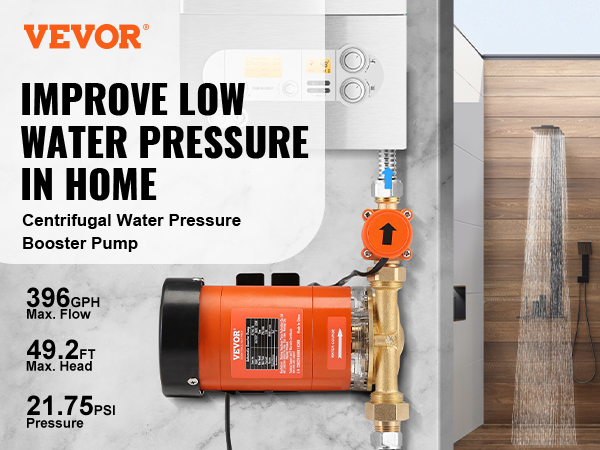
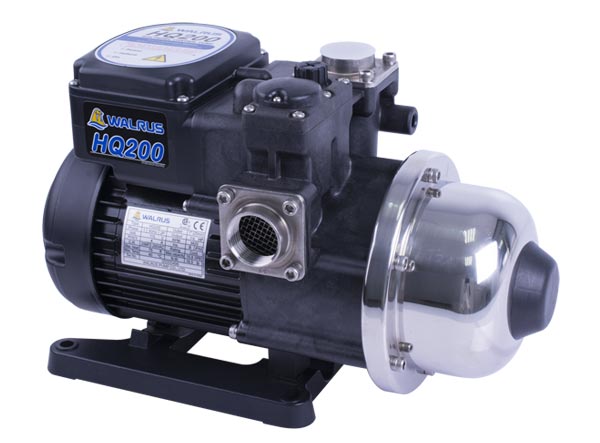
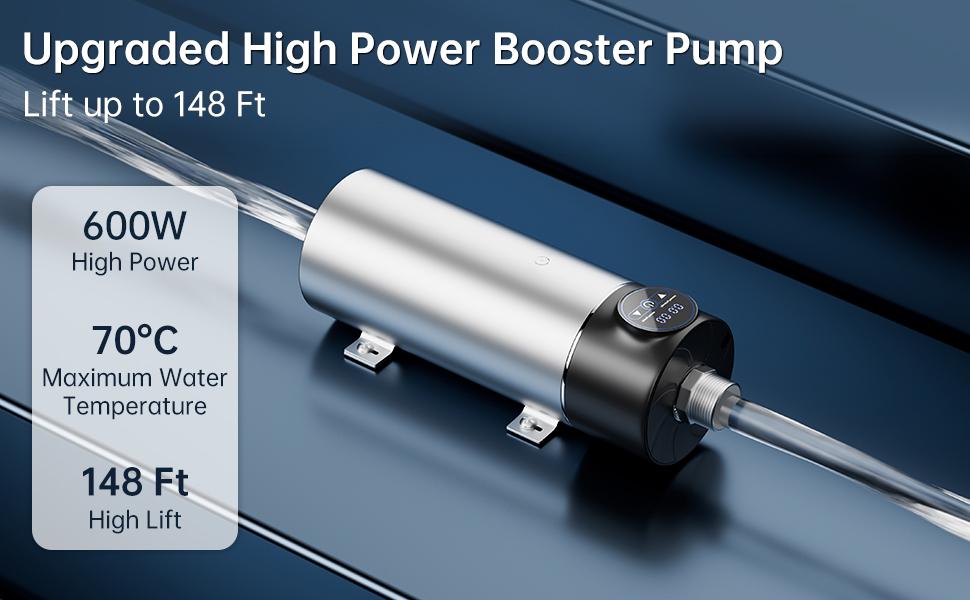
A booster pump is a type of pump specifically designed to increase the water pressure in a water supply system. Think of it like a water pressure amplifier. When your existing water pressure is too low to adequately supply your fixtures (showers, faucets, appliances), a booster pump can provide the extra "oomph" needed.
Here's how it works:
- The pump takes water from the existing water supply line.
- It uses an electric motor to power an impeller or other pumping mechanism.
- This mechanism increases the water's velocity and pressure.
- The pressurized water is then discharged into your home or building's plumbing system, providing the desired higher pressure.
The result is improved water flow and pressure at your taps and appliances.
Question 2: Why would I need a booster pump? What are the common causes of low water pressure?
There are several reasons why you might need a booster pump. Identifying the cause of your low water pressure is the first step in determining if a booster pump is the right solution.
Common causes of low water pressure include:
- Municipal Water Supply Issues: The water pressure coming from the city or local water utility might simply be too low. This can happen during peak usage times or in areas with aging infrastructure.
- Long or Small Diameter Pipes: Long stretches of piping, especially if they are of a small diameter, can lead to pressure loss due to friction.
- High Elevation: If your home is located at a higher elevation than the water source, gravity can reduce water pressure.
- Multiple Fixtures Running Simultaneously: When multiple people are using water at the same time (e.g., showering, doing laundry, running the dishwasher), the pressure can drop significantly.
- Plumbing Issues: Leaks, corrosion, or mineral buildup in your pipes can restrict water flow and reduce pressure. Faulty pressure reducing valves (PRVs) can also be a culprit.
- Well Systems: If you rely on a well, the well pump might be aging or not adequately sized to meet your water demands.
If your water pressure is consistently low, and you've ruled out other potential causes like leaks or clogged pipes, a booster pump is likely to be the answer.
Question 3: What are the different types of booster pumps available?
Booster pumps come in various types, each suited for different applications and needs. Here's a breakdown of some common categories:
- Single-Stage Pumps: These are the most common and simplest type of booster pump. They use a single impeller to increase water pressure. They are suitable for homes and smaller buildings where a moderate pressure boost is needed.
- Multi-Stage Pumps: These pumps use multiple impellers in series to achieve a higher pressure boost. They are often used in larger buildings or industrial applications where a significant pressure increase is required. They can deliver higher pressure more efficiently than single-stage pumps.
- Variable Speed Pumps: These pumps use a variable frequency drive (VFD) to adjust the motor speed and therefore the pump's output based on the actual water demand. This saves energy and provides a more consistent water pressure, regardless of how many fixtures are in use. They are more expensive but offer significant long-term benefits.
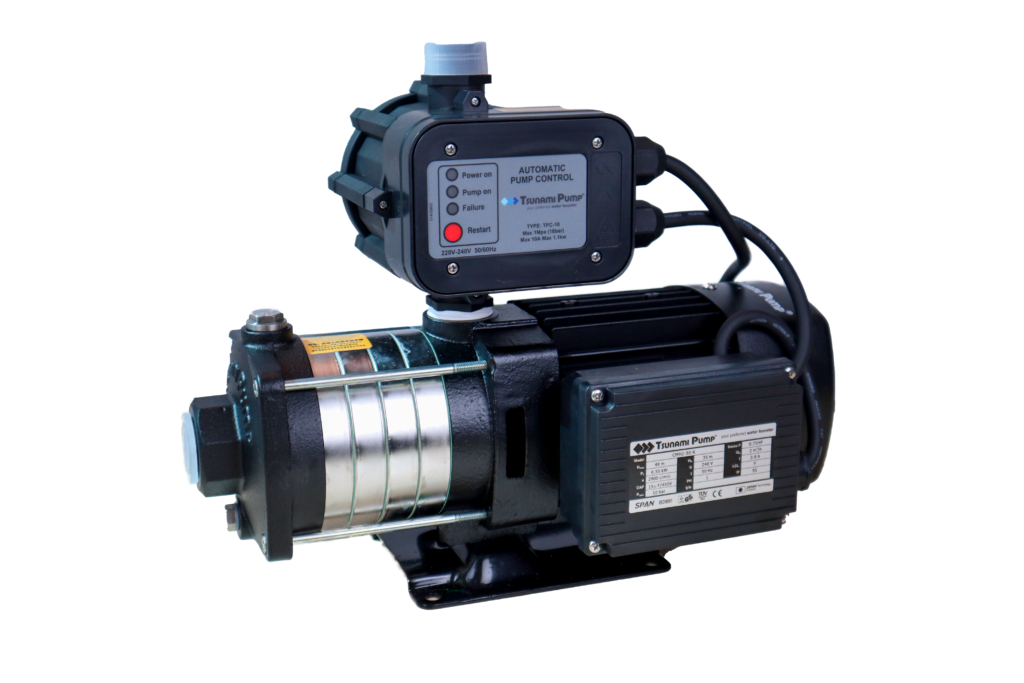
- Automatic Booster Pumps: These pumps are equipped with pressure sensors and controls that automatically turn the pump on when the water pressure drops below a set level and turn it off when the pressure reaches the desired level. This ensures that the pump only runs when needed, saving energy and prolonging its lifespan.
- Submersible Booster Pumps: These pumps are designed to be submerged directly in the water source, such as a well or cistern. They are often used in situations where space is limited or where the pump needs to be protected from the elements.
When choosing a booster pump, consider the size of your home or building, the amount of water you typically use, and the desired pressure increase. A qualified plumber can help you determine the best type of pump for your specific needs.
Question 4: How do I choose the right size booster pump? What specifications are important?
Choosing the right size booster pump is crucial for optimal performance and efficiency. An undersized pump won't provide enough pressure, while an oversized pump will waste energy and could damage your plumbing system.
Here are some key specifications to consider:
- Flow Rate (GPM): This refers to the amount of water the pump can deliver per minute. Determine your peak water demand by estimating how many fixtures (showers, faucets, appliances) are likely to be used simultaneously. A plumber can help you calculate this.
- Pressure Boost (PSI): This is the amount of pressure the pump will add to the existing water pressure. Measure your current water pressure and determine the desired pressure. The difference is the required pressure boost.
- Horsepower (HP): This indicates the power of the pump's motor. A higher horsepower pump can deliver more flow and pressure, but it also consumes more energy.
- Inlet and Outlet Size: Ensure that the pump's inlet and outlet sizes match your existing plumbing to avoid restrictions.
- Voltage: Verify that the pump's voltage matches your electrical system.
- Duty Cycle: This specifies how often the pump can run continuously without overheating. For residential applications, a pump with a continuous duty cycle is generally recommended.
It's highly recommended to consult with a qualified plumber to properly size your booster pump. They can assess your specific water needs and recommend the most appropriate pump for your situation. Using a flow rate calculator will also help you determine your needs.
Question 5: How is a booster pump installed, and can I do it myself?
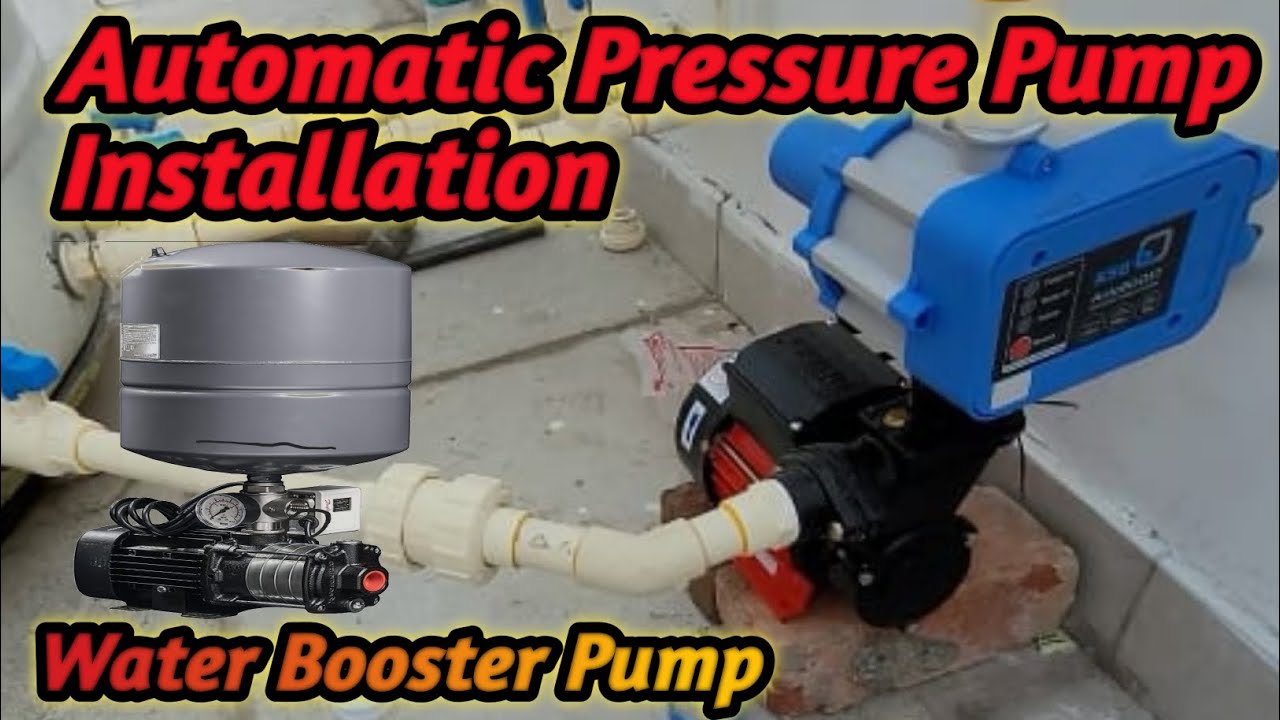
Installing a booster pump involves connecting it to your existing plumbing and electrical systems. While some homeowners with advanced DIY skills might consider installing a booster pump themselves, it's generally recommended to hire a licensed plumber. Improper installation can lead to leaks, electrical hazards, and damage to your plumbing system. Furthermore, local plumbing codes may require a licensed plumber to perform the installation.
Here's a general overview of the installation process:
- Location: Choose a suitable location for the pump. It should be easily accessible for maintenance and protected from the elements.
- Plumbing Connections: The plumber will cut into your main water line and install the pump, ensuring proper connections and sealing to prevent leaks. They may also need to install check valves and pressure gauges.
- Electrical Connections: The plumber will connect the pump to a dedicated electrical circuit, ensuring proper grounding and wiring.
- Testing and Adjustment: After installation, the plumber will test the pump to ensure it's functioning correctly and adjust the pressure settings as needed.
Even if you're comfortable with basic plumbing, it's best to leave the installation of a booster pump to a professional. This will ensure that the pump is installed correctly and safely, and that it complies with all local codes and regulations.
Question 6: What maintenance is required for a booster pump? How long do they typically last?
Regular maintenance is essential to keep your booster pump running efficiently and to prolong its lifespan. While specific maintenance requirements may vary depending on the pump model, here are some general guidelines:
- Regular Inspections: Periodically inspect the pump for leaks, corrosion, or unusual noises.
- Cleaning: Clean the pump housing and surrounding area to prevent debris buildup.
- Pressure Gauge Monitoring: Monitor the pressure gauge to ensure that the pump is maintaining the desired pressure.
- Check Valve Inspection: Inspect the check valves to ensure that they are functioning properly and preventing backflow.
- Motor Maintenance: Depending on the motor type, you may need to lubricate the bearings or replace the brushes periodically.
- Professional Servicing: Schedule a professional servicing appointment at least once a year. A qualified technician can inspect the pump, clean it thoroughly, and identify any potential problems before they become major issues.
The lifespan of a booster pump can vary depending on the quality of the pump, the frequency of use, and the level of maintenance. However, with proper care and maintenance, a good quality booster pump can typically last for 10-15 years or even longer.
Question 7: What are the potential problems or downsides of using a booster pump?
While booster pumps can be a great solution for low water pressure, there are some potential downsides to consider:
- Noise: Some booster pumps can be noisy, especially when they are running. Choose a pump with a quiet motor and consider installing it in a location where noise won't be a problem.
- Energy Consumption: Booster pumps consume electricity, so they will increase your energy bill. Choose an energy-efficient pump and consider a variable speed pump to minimize energy consumption.
- Cost: Booster pumps can be expensive to purchase and install. However, the benefits of improved water pressure often outweigh the cost.
- Plumbing System Strain: Increased water pressure can put strain on your existing plumbing system, potentially leading to leaks or bursts in older pipes. Consider having your plumbing system inspected before installing a booster pump. A pressure reducing valve (PRV) might be necessary to protect vulnerable fixtures and pipes.
- Water Hammer: Rapidly starting and stopping a booster pump can cause water hammer, a phenomenon where pressure waves travel through the pipes, creating loud banging noises and potentially damaging the plumbing. Variable speed pumps can mitigate water hammer.
- Maintenance Requirements: As mentioned earlier, booster pumps require regular maintenance to keep them running efficiently and to prolong their lifespan.
Before installing a booster pump, weigh the potential benefits against the potential downsides. Consulting with a qualified plumber is crucial to determine if a booster pump is the right solution for your specific needs and to ensure that it's installed correctly and safely. Also, remember to check local plumbing codes and regulations to make sure that the installation of a booster pump is permitted in your area.