Bradford White Water Heater Anode Rod Location
Water heaters, particularly those from reputable manufacturers like Bradford White, are essential appliances in modern homes and commercial buildings. They provide a consistent supply of hot water for various needs, from showering and washing dishes to industrial processes. However, like any mechanical system, water heaters are susceptible to wear and tear. One critical component that significantly affects the lifespan and performance of a Bradford White water heater is the anode rod.
This article provides a detailed guide to the anode rod location in Bradford White water heaters, covering different models and providing instructions for identification and, if needed, replacement. This information is crucial for homeowners, HVAC technicians, and facility managers alike, allowing for proactive maintenance and preventing premature water heater failure.
Understanding the Anode Rod: The Silent Guardian
Before diving into the specifics of anode rod location, it's important to understand its function. The anode rod is a sacrificial metal rod installed inside the water heater tank. Its primary purpose is to protect the tank from corrosion. Water, especially when heated, can be corrosive to steel. The anode rod, being made of a more reactive metal (typically magnesium, aluminum, or a zinc-aluminum alloy), corrodes before the steel tank does. This process, known as galvanic corrosion, effectively extends the life of the water heater. In essence, the anode rod sacrifices itself to protect the tank.
Think of it like this: imagine a ship with a small piece of less-durable metal attached to its hull. The water will corrode that small piece first, saving the ship's main structure from rust. The anode rod does the same for your water heater.
Why is Anode Rod Location Important?
Knowing the location of the anode rod is vital for several reasons:
- Inspection and Maintenance: Regular inspection of the anode rod allows you to assess its condition and determine if replacement is necessary. A severely corroded anode rod offers little to no protection to the tank.
- Replacement: Replacing a worn-out anode rod is a relatively inexpensive way to significantly extend the life of your water heater. Knowing its location makes the replacement process straightforward.
- Troubleshooting: Certain water heater problems, such as discolored water or a metallic taste, can be related to a deteriorating anode rod. Identifying its location helps in diagnosing these issues.
Locating the Anode Rod in Bradford White Water Heaters
The location of the anode rod in a Bradford White water heater generally depends on the model. However, there are common locations to look for.
Typical Anode Rod Locations:
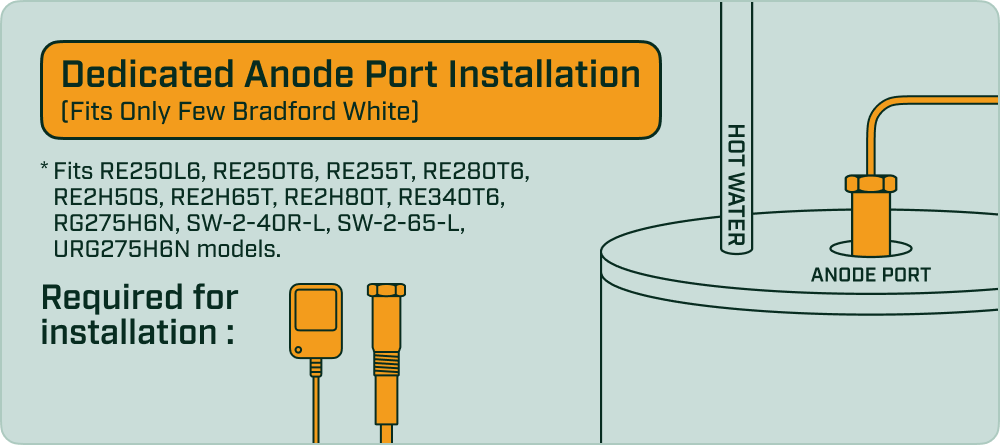
- Under the Top Cover: This is the most common location. The anode rod is usually screwed into the top of the tank, often concealed beneath the outer top cover. You'll typically find it under a plastic cap.
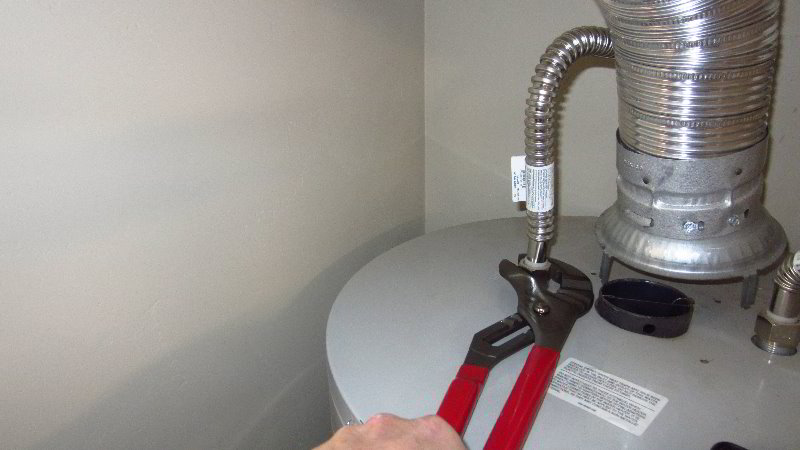
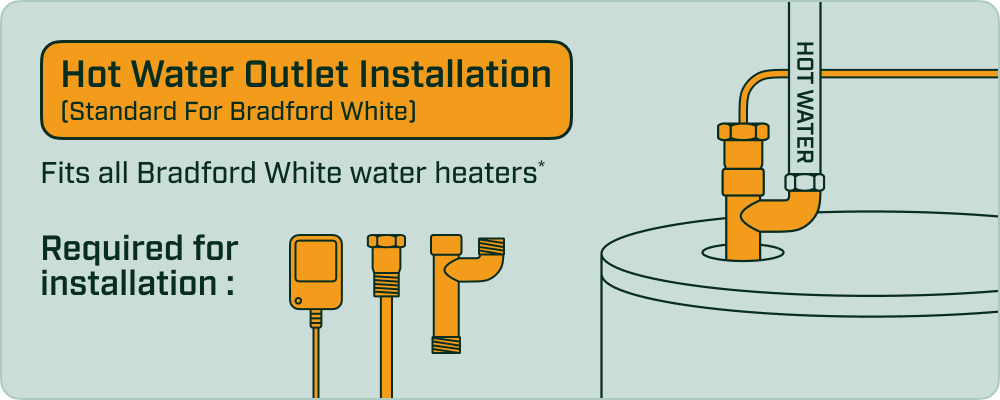
- Integrated with the Hot Water Outlet: In some models, the anode rod is combined with the hot water outlet fitting. This design is more compact but can make replacement slightly more involved.
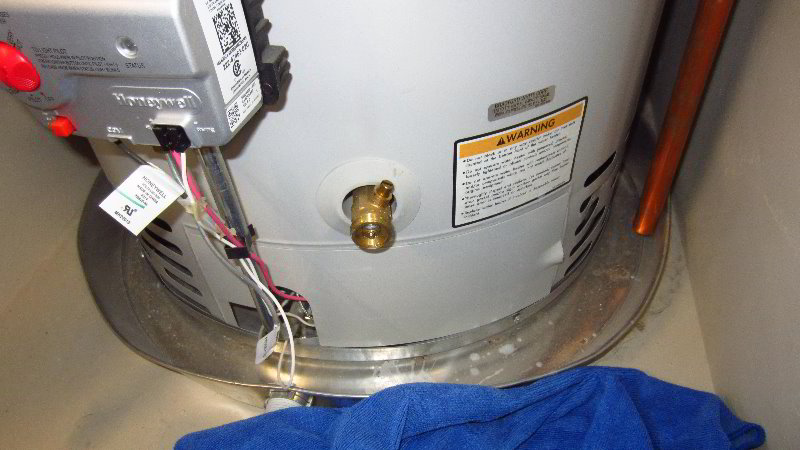
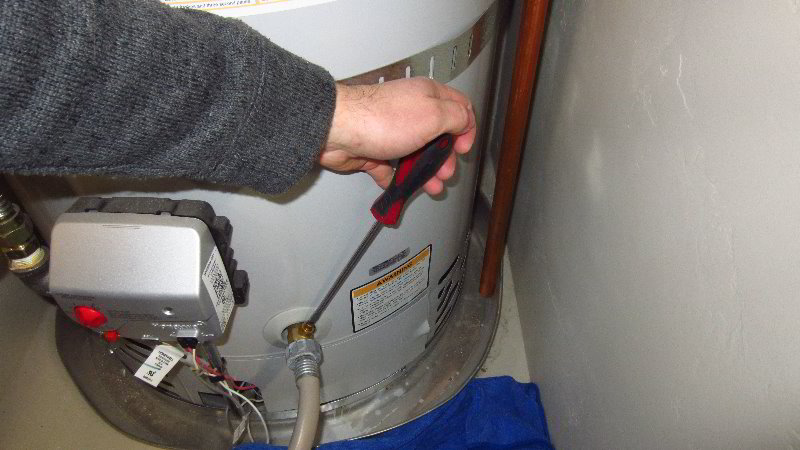
- Side-Mounted Anode Rods: Certain Bradford White models might have a side-mounted anode rod, usually located near the top of the tank. This is less common, but it's worth checking if you don't find it on top. These models are usually built to accommodate limited headroom above the water heater.
Step-by-Step Guide to Finding the Anode Rod:
- Safety First: Before starting any work on your water heater, turn off the power to the unit (for electric models) or shut off the gas supply (for gas models). Allow the water in the tank to cool down to prevent scalding.
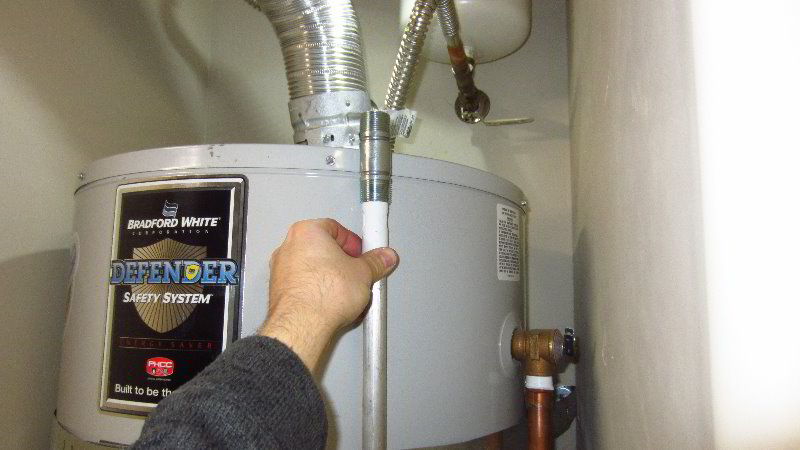
- Identify Your Model: Locate the model number of your Bradford White water heater. This is usually found on a label on the side of the unit. This will help you find specific documentation or online resources related to your model.
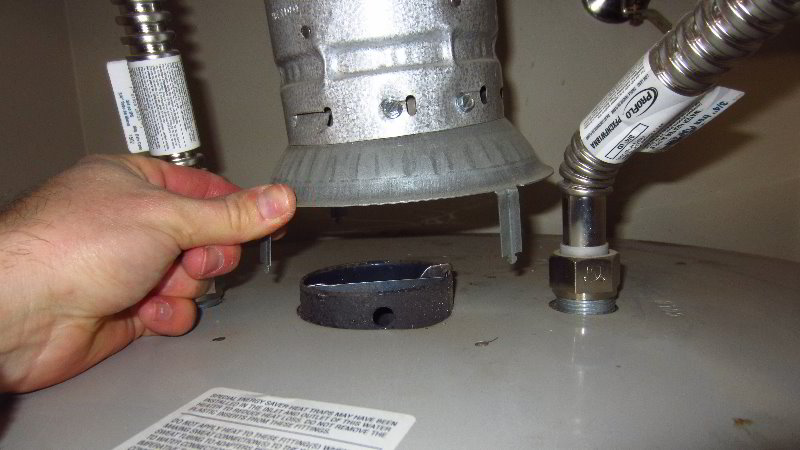
- Check the Top Cover: Carefully remove the top cover of the water heater. This might involve unscrewing a few screws.
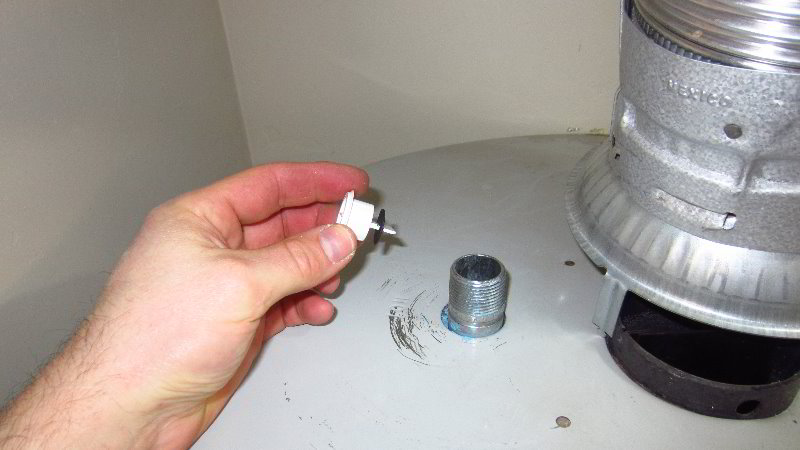
- Look for a Plastic Cap or Plug: Under the top cover, look for a plastic cap or plug. This cap usually covers the access point for the anode rod. It might be labeled or unmarked.
- Remove the Cap: Carefully remove the plastic cap. You might need a screwdriver or pliers.
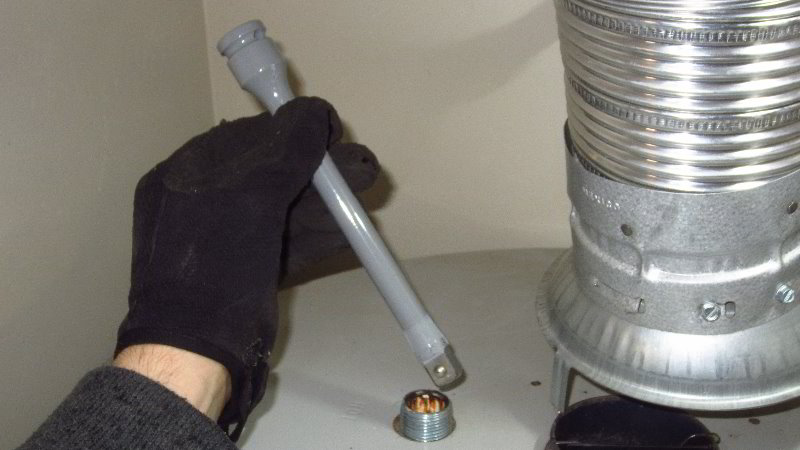
- Inspect the Access Point: Once the cap is removed, you should see a threaded access point for the anode rod.
Note: Some Bradford White water heaters have a combination anode rod/hot water outlet. In this case, you'll need to disconnect the hot water line to access the anode rod. Be sure to turn off the water supply to the heater before disconnecting any plumbing.
Dealing with Difficult Access
Sometimes, accessing the anode rod can be challenging, especially in tight spaces. Here are a few tips:
- Use a Flexible Socket Extension: A flexible socket extension can help you reach the anode rod if it's in a hard-to-reach spot.
- Consider a Segmented Anode Rod: If headroom is limited, you can replace the original anode rod with a segmented anode rod. These rods come in multiple sections that can be easily installed in confined spaces.
- Consult a Professional: If you're uncomfortable accessing or replacing the anode rod yourself, it's always best to consult a qualified HVAC technician.
Anode Rod Replacement: A Proactive Approach
Once you've located the anode rod, inspecting it is crucial. The lifespan of an anode rod varies depending on water quality and usage but is typically 3-5 years. If the rod is significantly corroded (more than 6 inches of steel core exposed), it should be replaced.
Choosing the Right Replacement Anode Rod
Bradford White offers a range of replacement anode rods, including:
- Magnesium Anode Rods: These are the most common type and provide excellent protection in most water conditions.
- Aluminum Anode Rods: These are suitable for water with a high pH level.
- Zinc-Aluminum Anode Rods: These rods can help reduce sulfur odors in the water.
Always refer to your Bradford White water heater's manual or consult with an HVAC professional to determine the appropriate replacement anode rod for your specific model and water conditions.
Replacing the Anode Rod: A Step-by-Step Guide
- Turn off the Power/Gas and Water Supply: As before, ensure the power or gas and water supply to the water heater are turned off.
- Drain a Portion of the Tank: Drain a few gallons of water from the tank to relieve pressure and prevent spillage when removing the old anode rod.
- Remove the Old Anode Rod: Use a socket wrench to loosen and remove the old anode rod. Be prepared for some resistance.
- Clean the Threads: Clean the threads of the access point with a wire brush to ensure a good seal.
- Apply Teflon Tape: Wrap Teflon tape around the threads of the new anode rod.
- Install the New Anode Rod: Screw the new anode rod into the access point and tighten it securely with a socket wrench.
- Turn on the Water and Power/Gas: Turn the water and power or gas supply back on and check for leaks.
Cost Considerations
The cost of an anode rod replacement is relatively low compared to the cost of replacing an entire water heater. A replacement anode rod typically costs between $20 and $100, depending on the type and material. Professional installation by an HVAC technician can add to the cost, but it ensures the job is done correctly and safely.
By proactively replacing the anode rod, you can prevent costly water heater repairs or premature failure, ultimately saving you money in the long run.
Conclusion
Understanding the anode rod location in your Bradford White water heater is essential for proper maintenance and extending the life of your appliance. By following the steps outlined in this guide, you can confidently locate, inspect, and replace the anode rod, ensuring years of reliable hot water service. Regular maintenance of the anode rod is a small investment that can save you significant money and hassle in the future. Don't underestimate the importance of this "silent guardian" in protecting your water heater.