Brass To Stainless Steel Galvanic Corrosion
Many homeowners experience uneven heating or cooling throughout their house, particularly in systems that utilize hydronic (water-based) heating or cooling. One often overlooked cause of this issue, especially in older homes, is galvanic corrosion occurring between brass and stainless steel components within the HVAC system.
Understanding the Problem: Galvanic Corrosion
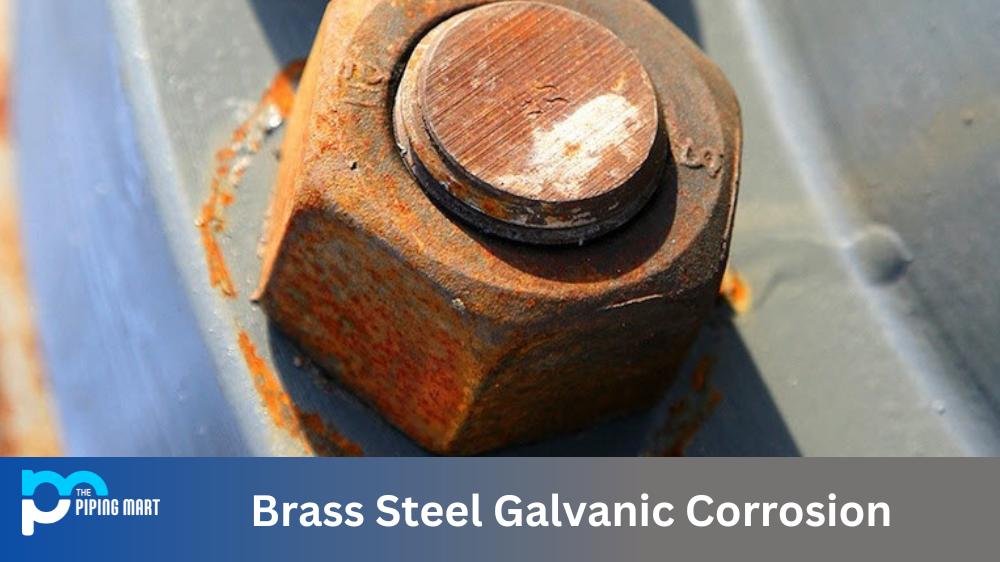
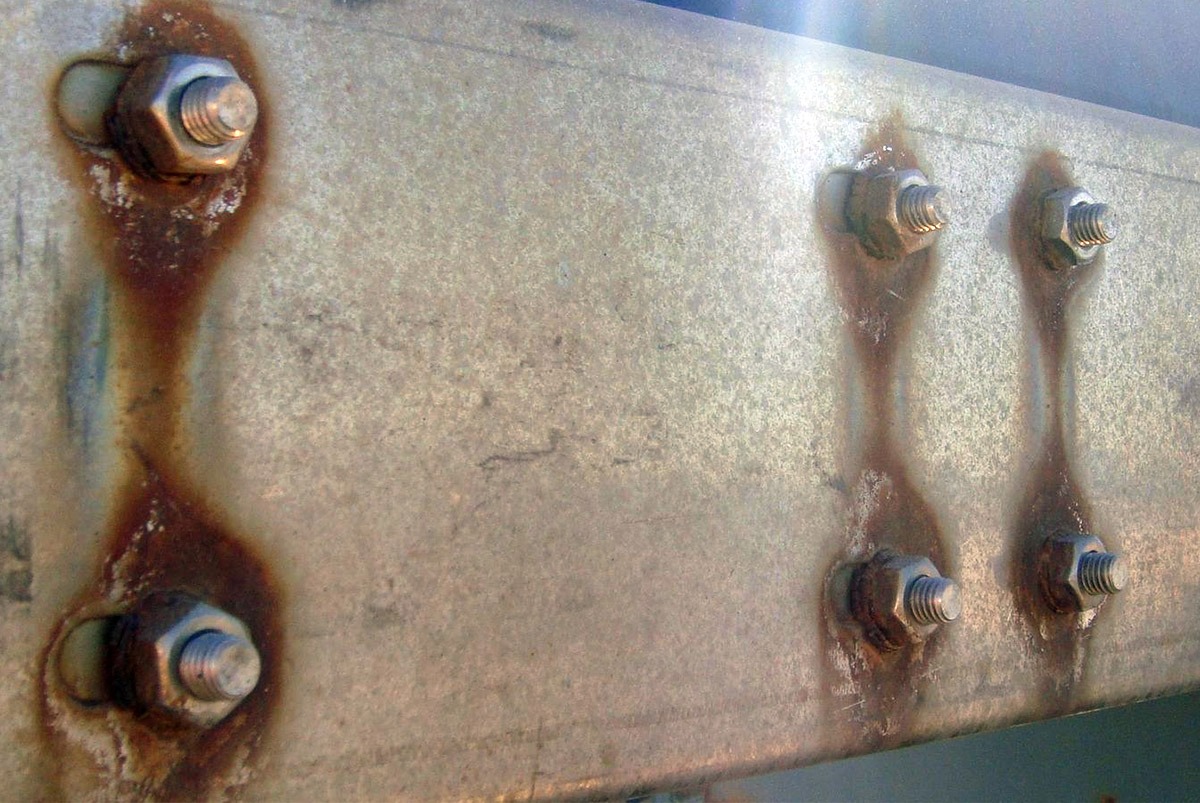
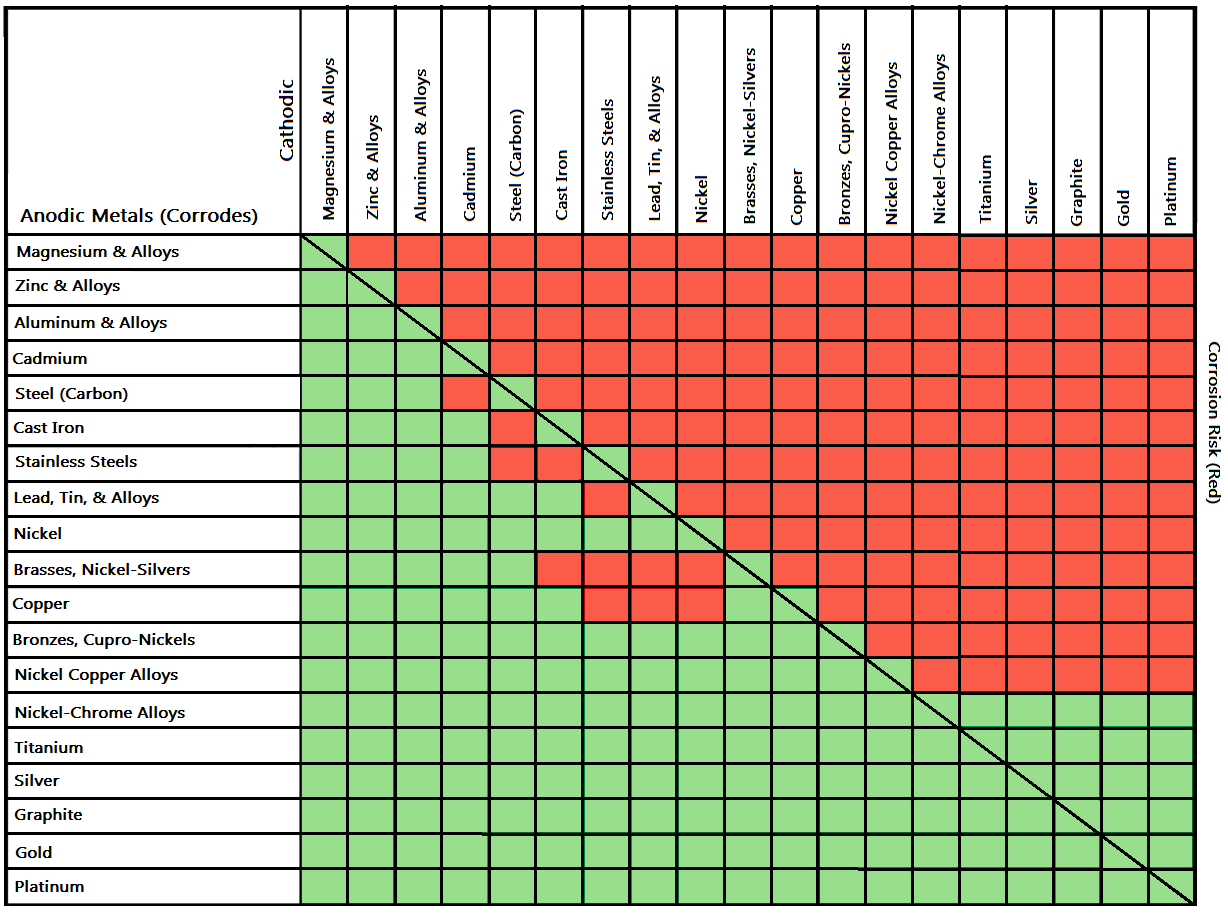
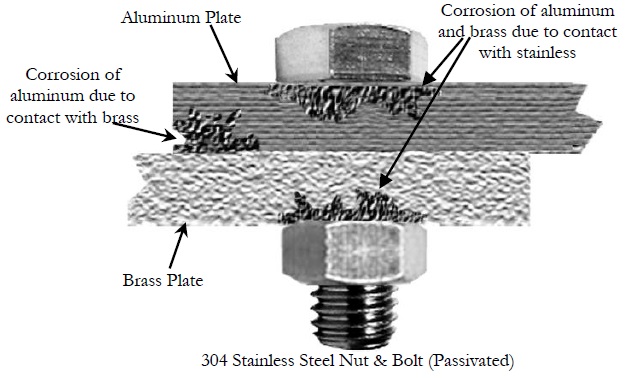
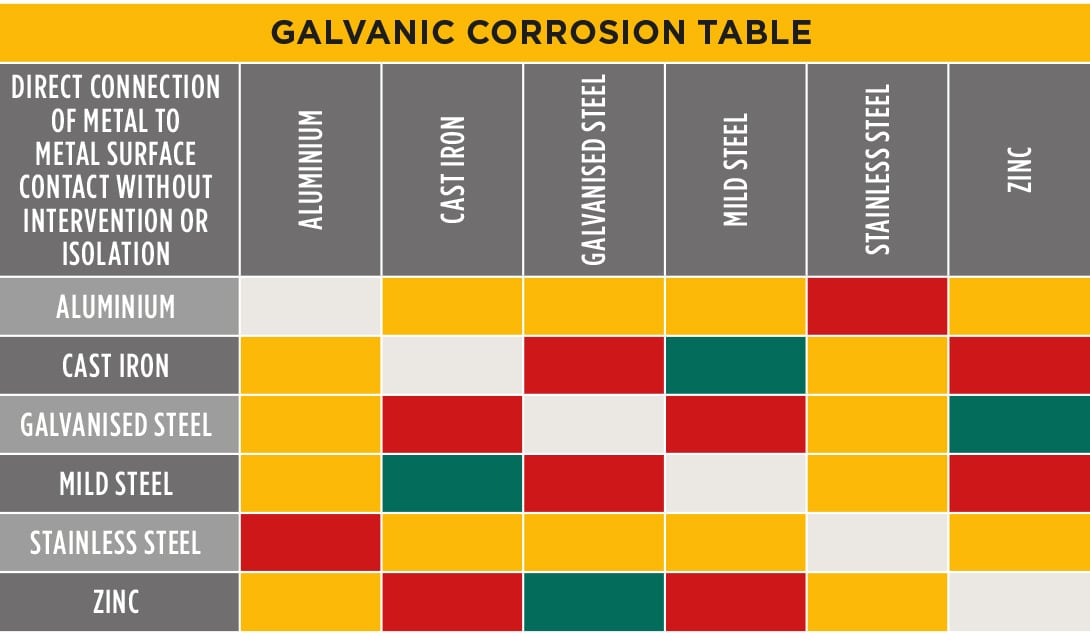
Galvanic corrosion, also known as dissimilar metal corrosion, happens when two different metals are electrically connected in the presence of an electrolyte (like water). In HVAC systems, brass (often used in fittings, valves, and pumps) and stainless steel (common in heat exchangers, circulator pumps, and piping) are frequently used together. When these metals are coupled in a system filled with water, a miniature battery is created. The more active metal (in this case, brass) corrodes preferentially, sacrificing itself to protect the more noble metal (stainless steel). This corrosion can lead to leaks, reduced water flow, and ultimately, inefficient or non-functional heating or cooling.
The extent of the corrosion depends on several factors, including the specific types of brass and stainless steel used, the water chemistry (pH, mineral content, dissolved oxygen), temperature, and the surface area ratio of the metals in contact. A small brass fitting connected to a large stainless steel tank will corrode much faster than the reverse.
Diagnosis: Is Galvanic Corrosion the Culprit?
Before jumping to conclusions, it’s important to systematically diagnose the issue. Here’s a step-by-step approach:
Step 1: Gather Information About Your System
Knowing the age and construction of your HVAC system is crucial. Do you know when the system was installed? What materials are the main components (piping, heat exchangers, pumps) made of? Has the system undergone any recent repairs or modifications? The answers to these questions will provide valuable context.
Step 2: Visual Inspection (No Tools Required)
This is your first line of defense. Carefully examine all accessible brass and stainless steel connections within your system. Pay particular attention to areas where these metals are directly joined. Look for the following:
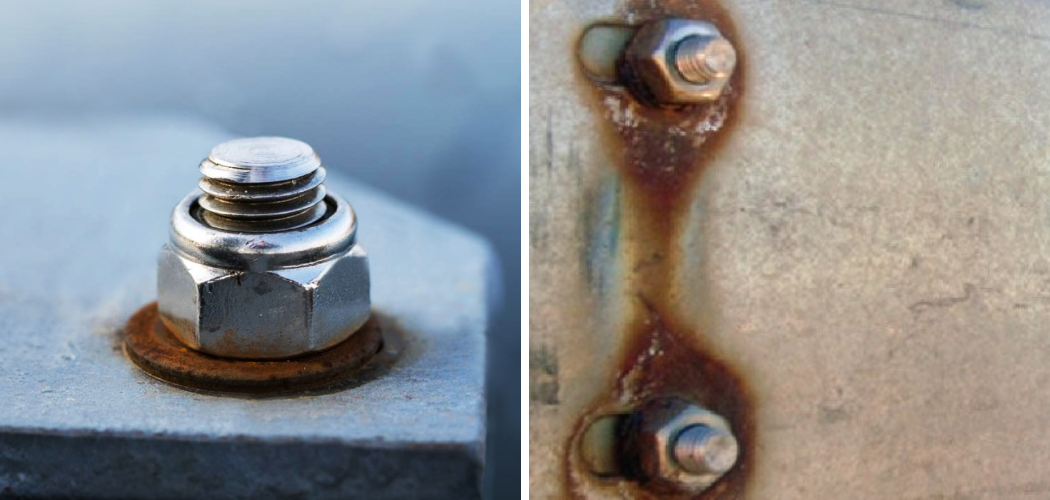
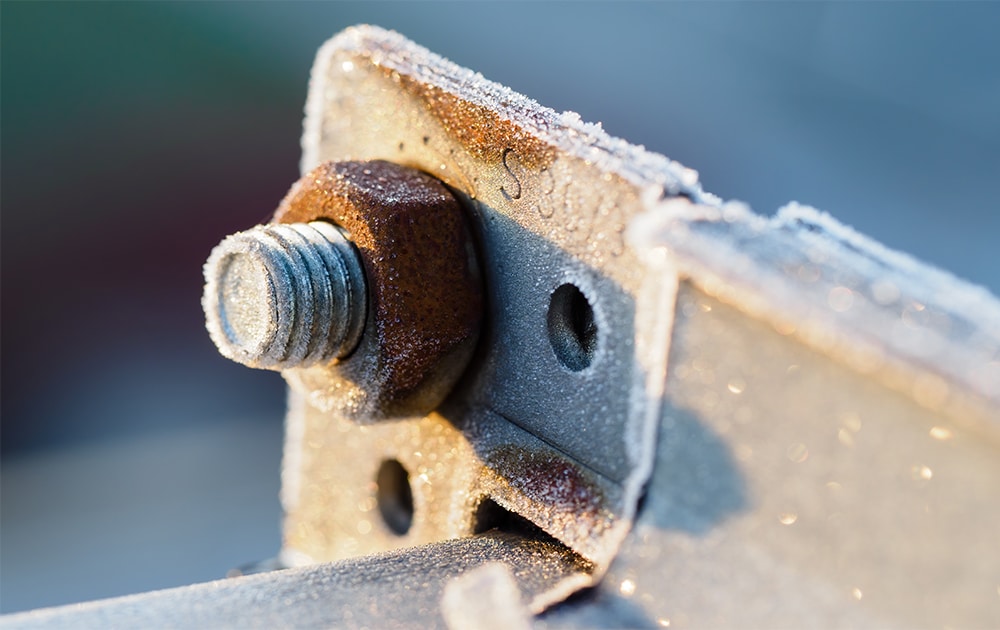
- Corrosion byproducts: These often appear as greenish-blue deposits (copper oxide from the brass) around fittings and connections. This is a major red flag.
- Pitting or erosion: Examine the surface of the brass components. Do you see any small pits or areas where the metal appears to be thinning or eroding?
- Leaks: Are there any signs of water leakage, even small drips, around the brass connections? Leaks can accelerate corrosion.
- Water discoloration: If you can access the water in your system (e.g., by bleeding a radiator), check its color. Brown or rusty water can indicate corrosion somewhere in the system.
Important Safety Note: Before inspecting any components, ensure the system is turned off and cooled down to prevent burns or electric shock. If you're unsure how to do this safely, call a qualified HVAC technician.
Step 3: Checking Water Pressure (No Tools Required, but helpful)
A drop in water pressure in a hydronic system can indicate a leak, which, as mentioned above, can be a result of galvanic corrosion. Most modern systems have a pressure gauge. Check the reading. Consult your system's documentation or a local HVAC professional to know what the normal pressure range is for your system.
If you don't have a pressure gauge, you can sometimes tell if pressure is low by observing the performance of your radiators or baseboard heaters. If they are not heating evenly, or if some sections remain cold, low water pressure could be the cause.
Step 4: Component Temperature Check (Requires an Infrared Thermometer – Optional)
An infrared thermometer can be a helpful tool for identifying potential blockages caused by corrosion buildup. Carefully measure the surface temperature of pipes and components before and after critical junctions. For example, measure the temperature of a brass valve before and after a stainless steel pipe connection. A significant temperature drop after the junction could indicate a blockage due to corrosion products.
Step 5: Water Chemistry Analysis (Requires a Water Testing Kit or Professional Service)
The pH and mineral content of the water in your system play a significant role in galvanic corrosion. You can purchase a DIY water testing kit to measure the pH, hardness, and other relevant parameters. Alternatively, you can have a water sample professionally tested by a water treatment company or HVAC technician. A pH outside the recommended range (typically 7.0-8.5) or high levels of chlorides or sulfates can accelerate corrosion.
Step 6: Evaluating Circulator Pump (Requires basic electrical knowledge & Multimeter - Optional)
Galvanic corrosion products can accumulate within the circulator pump, reducing its efficiency or causing it to fail. If you are comfortable working with electrical components, you can test the pump's voltage and amperage using a multimeter. Consult the pump's specifications to determine the expected values. A significant deviation from the expected values can indicate a problem with the pump, potentially caused by corrosion buildup. **SAFETY FIRST: Always disconnect the power to the pump before performing any electrical testing.** If you are not comfortable with electrical work, skip this step and call a professional.
DIY Actions (Proceed with Caution!)
While some DIY actions can help mitigate galvanic corrosion, it's crucial to understand your limitations and prioritize safety. If you are uncomfortable with any of these steps, call a qualified HVAC technician.
1. Dielectric Unions: The Simple Solution
The most effective way to prevent galvanic corrosion is to physically isolate dissimilar metals using dielectric unions. These fittings contain a non-conductive material (usually plastic or rubber) that breaks the electrical connection between the brass and stainless steel. If you find direct connections between brass and stainless steel, consider installing dielectric unions. This often requires cutting and re-piping, so consider your skill level. Ensure you properly support the piping when adding dielectric unions, as they can add stress to the system.
2. Adjusting Water Chemistry
Based on the results of your water analysis, you may be able to adjust the water chemistry to reduce corrosion. For example, you can use a chemical treatment to raise the pH if it is too low. Caution: Use only chemicals specifically designed for hydronic heating/cooling systems, and carefully follow the manufacturer's instructions. Incorrect chemical treatment can damage your system.
Consider using a system cleaner to remove any existing corrosion and scale buildup before adjusting the water chemistry. This can help improve the efficiency of your system and prevent future corrosion.
3. Sacrificial Anodes
A sacrificial anode is a metal (typically magnesium or aluminum) that is more reactive than the other metals in the system. It is intentionally introduced into the system to corrode first, protecting the other components. While less common in residential HVAC systems, they can be installed in some situations. Consult with a professional to determine if a sacrificial anode is appropriate for your system and to ensure proper installation.
4. Regular Flushing
Periodically flushing your system can help remove sediment, corrosion products, and other contaminants that can contribute to galvanic corrosion. The frequency of flushing depends on the water quality and the age of your system. A good rule of thumb is to flush the system every 2-3 years. Consult your system's documentation or a local HVAC professional for specific instructions on how to flush your system.
5. Cleaning External Corrosion (Simple Task)
If you notice mild corrosion on external fittings, you can attempt to clean it off using a wire brush and a mild abrasive cleaner. Be careful not to damage the fitting. After cleaning, apply a protective coating (such as a corrosion inhibitor) to help prevent future corrosion. *Avoid using harsh chemicals or solvents, as these can damage the metal.*
When to Call a Professional
While some DIY solutions are possible, there are situations where it's best to call a qualified HVAC technician:
- Extensive Corrosion: If you find widespread or severe corrosion, it's likely that significant damage has already occurred, and professional repairs or replacements may be necessary.
- Leaks: Any leak should be addressed promptly by a professional. Leaks can lead to water damage and further corrosion.
- Complex System Modifications: Installing dielectric unions or making significant changes to your system's piping requires specialized knowledge and tools.
- Electrical Work: If you are not comfortable working with electrical components, do not attempt to repair or replace the circulator pump or any other electrical components.
- Refrigerant Handling: If your system uses refrigerant, do not attempt to repair any leaks or add refrigerant yourself. Refrigerant handling requires specialized training and equipment.
- Uncertainty: If you are unsure about any aspect of the diagnosis or repair process, it's always best to err on the side of caution and call a professional.
By understanding the causes and signs of galvanic corrosion, and by taking appropriate preventive measures, you can help extend the life of your HVAC system and ensure efficient and reliable heating and cooling for your home. Remember to prioritize safety and don't hesitate to seek professional help when needed.