Briefly Describe How A Compressor Amperage Performance Chart Is Used
Understanding your compressor's electrical performance is crucial for efficient operation, preventing breakdowns, and managing energy costs. A compressor amperage performance chart, often provided by the manufacturer, is your key to unlocking this understanding. Here's a breakdown of how it's used and why it matters.
Frequently Asked Questions About Compressor Amperage Performance Charts
Q1: What *exactly* is a compressor amperage performance chart, and what does it show?
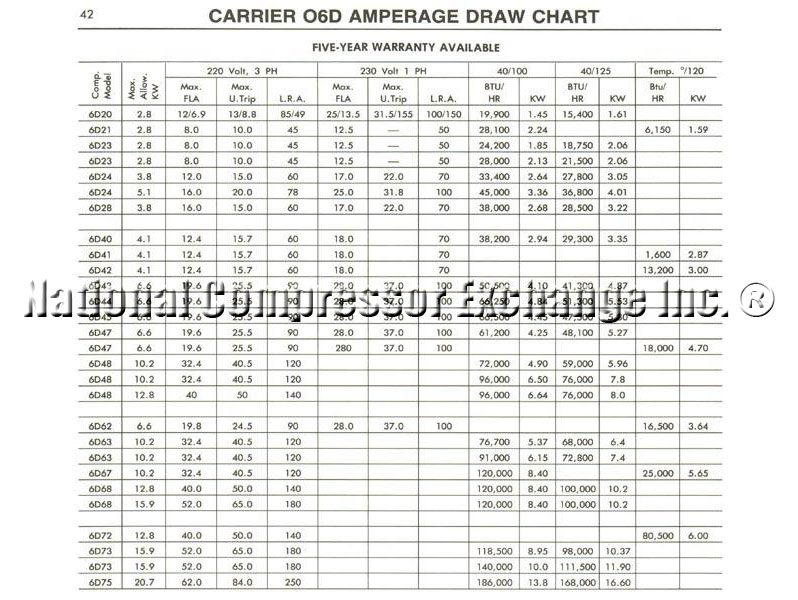
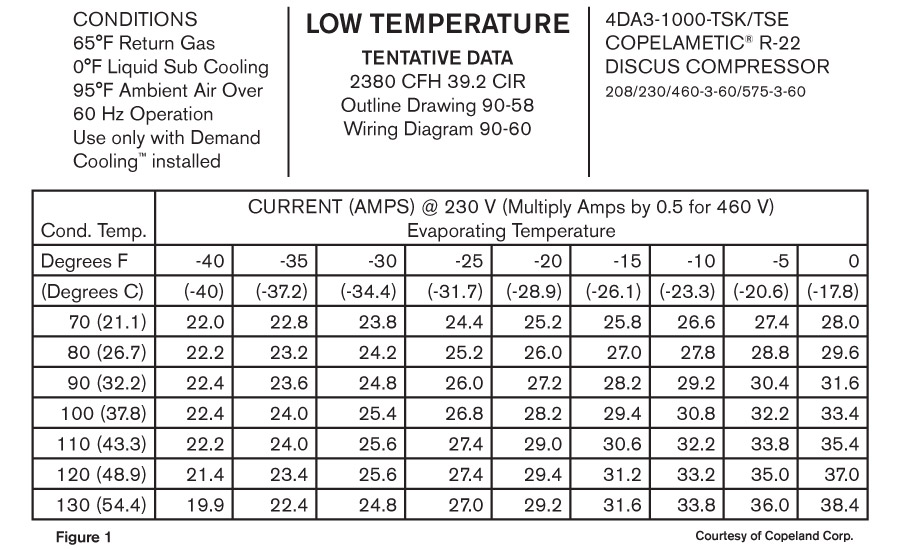
A compressor amperage performance chart, sometimes called a compressor motor performance curve, is a graphical representation of the electrical current (amperage) that your compressor motor draws under various operating conditions. Think of it as a roadmap of your compressor's electrical consumption. It typically displays amperage values plotted against variables like:
- Suction Pressure (PSI or kPa): The pressure of the refrigerant entering the compressor.
- Discharge Pressure (PSI or kPa): The pressure of the refrigerant leaving the compressor.
- Voltage (Volts): The electrical supply voltage.
- Ambient Temperature (°F or °C): The surrounding temperature of the compressor.
The chart allows you to see how the compressor's amperage changes as these factors vary. By comparing the actual amperage draw of your compressor to the values on the chart, you can identify potential problems and optimize performance.
Q2: Why is monitoring compressor amperage so important? What problems can it help me identify?
Monitoring compressor amperage is vital for several reasons. It acts like an early warning system for potential problems, helping you avoid costly repairs and downtime. Here's what it can help you identify:
- Refrigerant Leaks: A low amperage reading, especially coupled with other symptoms like poor cooling, can indicate a refrigerant leak. With less refrigerant to compress, the motor works less hard and draws less current.
- Overcharge of Refrigerant: Conversely, an unusually high amperage reading might suggest the system is overcharged with refrigerant. The compressor has to work harder to compress the excess refrigerant, increasing the amperage draw.
- Dirty Condenser Coils: Dirty condenser coils restrict airflow, increasing the discharge pressure and causing the compressor to work harder, leading to higher amperage.
- Restrictions in the Refrigerant Lines: Blockages or restrictions impede refrigerant flow, forcing the compressor to work harder and increasing the amperage.
- Valve Issues: Faulty valves within the compressor can cause inefficient compression and abnormal amperage readings (either high or low, depending on the specific valve problem).
- Motor Problems: Increased amperage can indicate failing motor windings, a sign that the motor is overheating and may soon fail. Decreased amperage can indicate a loose connection or winding issue preventing the motor from running properly.
- Voltage Fluctuations: Significant variations in supply voltage can directly impact amperage. The chart helps you determine if the amperage changes are due to voltage issues or other underlying problems.
By regularly checking the amperage and comparing it to the chart, you can proactively address these issues before they escalate into major component failures.
Q3: How do I actually *use* a compressor amperage performance chart to troubleshoot? Can you give me a step-by-step example?
Using the chart involves a few simple steps:
- Gather Data: First, you need to collect the necessary data from your system while it's running under normal operating conditions. This includes:
- Suction Pressure: Use a pressure gauge to measure the pressure on the suction side of the compressor.
- Discharge Pressure: Measure the pressure on the discharge side.
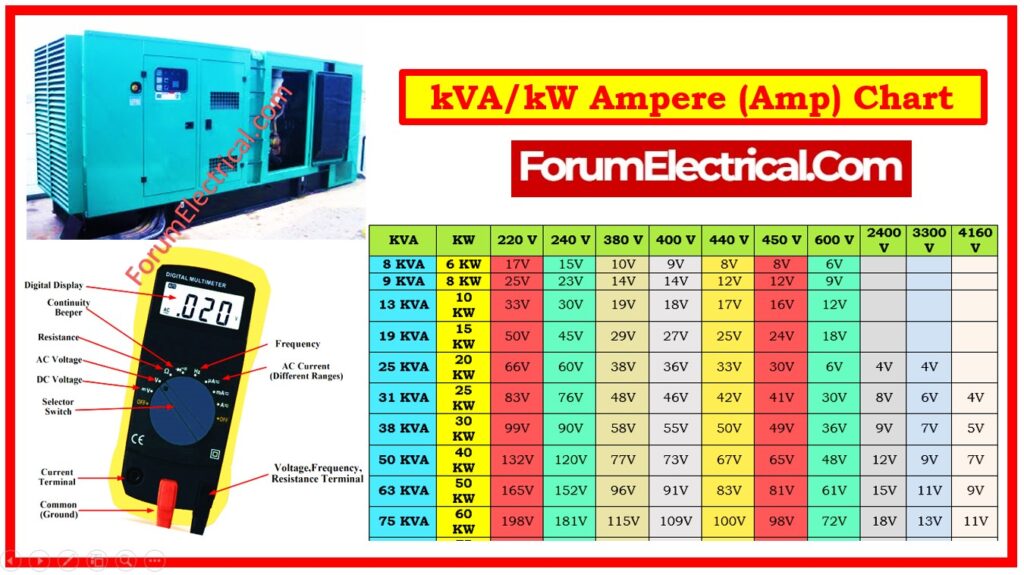
- Voltage: Use a multimeter to measure the voltage supplied to the compressor motor.
- Ambient Temperature: Record the temperature around the compressor.
- Amperage: Use an ammeter (clamp meter) to measure the current draw of the compressor motor. Be sure to clamp around only one wire at a time.
- Locate the Chart: The amperage performance chart should be in the compressor's documentation (manual or technical specifications). If you can't find it, contact the manufacturer. Ensure you have the correct chart for your specific compressor model.
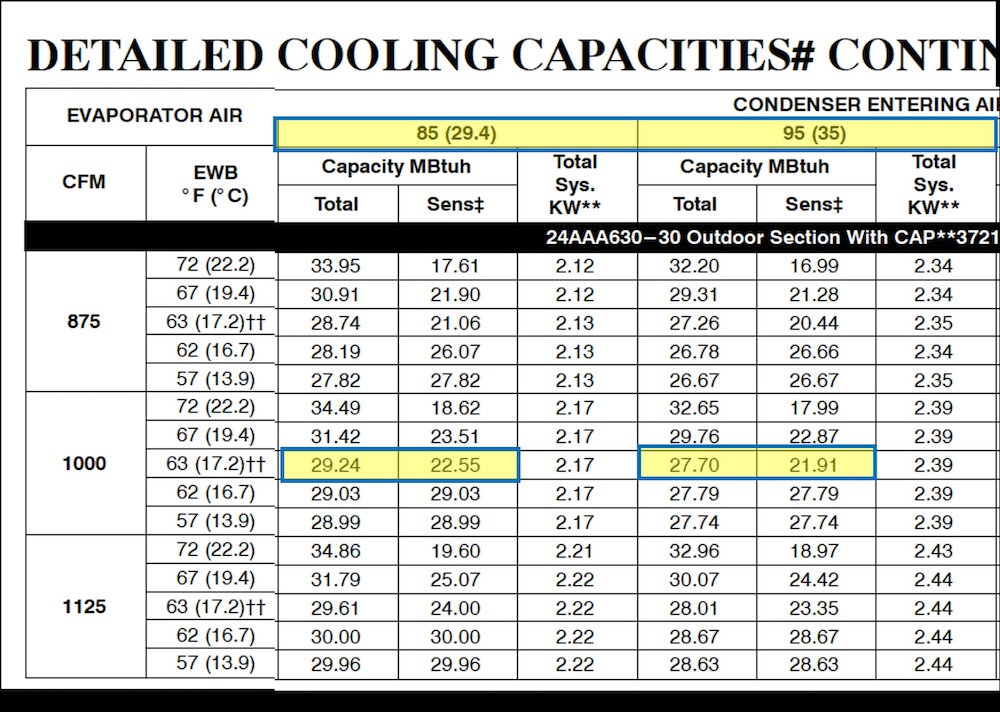
- Find Your Operating Point: Using your measured suction pressure, discharge pressure, voltage and ambient temperature, locate the corresponding point on the chart. The specific method for finding this point will vary depending on how the chart is designed. Some charts are graphical, requiring you to interpolate between lines. Others may be presented as tables.
- Compare Measured Amperage: Compare the actual amperage you measured with the ammeter to the amperage value predicted by the chart for your operating conditions.
- Analyze the Difference:
- Amperage close to the chart value: This generally indicates that the compressor is operating normally under the current conditions.
- Amperage significantly higher than the chart value: This could indicate problems like an overcharge of refrigerant, dirty condenser coils, restrictions in refrigerant lines, or motor issues. Investigate further based on the other symptoms you are observing.
- Amperage significantly lower than the chart value: This might indicate a refrigerant leak, compressor valve problems, or other issues affecting refrigerant flow. Again, consider other symptoms to narrow down the cause.
Example: Let's say your chart shows that for a suction pressure of 60 PSI, a discharge pressure of 250 PSI, and a voltage of 230V, the expected amperage should be around 8 amps. If you measure the amperage and it's 10 amps, that's a 25% increase. This significant difference warrants further investigation into potential problems. Conversely, if the chart suggests 8 amps and you're seeing 6 amps, that's cause for concern as well.
Q4: Are there any situations where I *shouldn't* rely solely on the amperage chart for diagnosis?
Yes. While the amperage chart is a valuable tool, it's not a foolproof solution and should be used in conjunction with other diagnostic methods. Here are some situations where you should exercise caution:
- Complex Systems: In systems with multiple compressors or complex control systems, interpreting the amperage chart can be more challenging. The interactions between different components can make it difficult to isolate the root cause of a problem based solely on amperage readings.
- Old or Modified Equipment: If your compressor is very old, has been modified, or has undergone significant repairs, the original amperage chart might not be accurate anymore. The performance characteristics of the compressor could have changed over time.
- Extreme Operating Conditions: The chart is usually based on a specific range of operating conditions. If your system is operating outside of these ranges (e.g., very high or low ambient temperatures), the chart's predictions might not be reliable.
- Lack of Baseline Data: It's always helpful to have baseline amperage readings taken when the system is known to be operating correctly. This provides a reference point for comparison and makes it easier to identify deviations from normal performance. If you don't have baseline data, it can be harder to interpret the chart accurately.
- Chart Accuracy: Charts are created using data based on testing parameters that may not directly reflect real-world conditions. It is critical to acknowledge an amperage performance chart's values may not be completely accurate to real-world conditions.
In these situations, it's best to consult with a qualified HVAC technician who can perform a more comprehensive diagnostic assessment using a variety of tools and techniques.
Q5: What is *locked rotor amperage (LRA)*, and how does it relate to the amperage chart?
Locked Rotor Amperage (LRA) is the current drawn by the compressor motor when it's first starting up, before the rotor begins to turn. It's a very high current, typically several times higher than the normal running amperage. LRA is not shown on the standard operating amperage performance chart. You'll find the LRA value on the compressor's nameplate or in the technical specifications.
While the amperage chart shows the *running* amperage under different operating conditions, LRA is crucial for:
- Circuit Breaker Sizing: Ensures the circuit breaker can handle the inrush current during startup without tripping.
- Motor Protection: The motor's overload protection device is designed to protect the motor from damage due to excessive current, especially during startup.
- Voltage Drop Calculations: LRA is used to calculate the voltage drop in the electrical circuit during startup, ensuring that other equipment isn't negatively affected.
A high LRA reading can indicate problems like a seized compressor, a short circuit in the motor windings, or a problem with the starting components (e.g., capacitor). A low LRA reading can also indicate a problem, such as a weak capacitor or a loose connection.
Q6: How often should I be checking the compressor amperage?
The frequency of checking compressor amperage depends on the criticality of the system and the environment it operates in.
- Critical Systems (e.g., hospitals, data centers): In systems where uninterrupted operation is essential, amperage should be checked monthly or even weekly.
- Commercial Systems (e.g., office buildings, restaurants): For most commercial systems, a quarterly or semi-annual check is sufficient.
- Residential Systems: A yearly check is generally adequate for residential systems. However, if you notice any signs of problems (e.g., poor cooling, unusual noises), check the amperage more frequently.
In addition, it's a good practice to check the amperage after any maintenance or repairs to the system to ensure that everything is operating correctly.
Q7: Can I use a clamp meter myself to measure the amperage, or do I need a professional? Are there any safety precautions I should be aware of?
While homeowners and facility managers *can* use a clamp meter to measure amperage, it's essential to exercise caution and follow proper safety procedures. Working with electricity can be dangerous.
If you are not comfortable working with electricity, it's always best to hire a qualified electrician or HVAC technician.
If you decide to measure the amperage yourself, here are some essential safety precautions:
- Use a Properly Rated Clamp Meter: Make sure the clamp meter is rated for the voltage and current levels of your system.
- Wear Appropriate Personal Protective Equipment (PPE): This includes safety glasses and insulated gloves.
- Turn Off the Power: Whenever possible, de-energize the circuit before working on it. If you must take measurements while the circuit is live, exercise extreme caution.
- Never Work Alone: Have someone nearby in case of an emergency.
- Follow the Manufacturer's Instructions: Read and understand the clamp meter's instruction manual before using it.
- Clamp Around a Single Wire: Always clamp the meter around a single wire. Clamping around multiple wires will give you an inaccurate reading.
- Avoid Wet or Damp Conditions: Never use a clamp meter in wet or damp conditions.
- Be Aware of Your Surroundings: Avoid touching any metal parts of the equipment or the electrical panel.
- If in Doubt, Don't Do It: If you are unsure about any aspect of the procedure, err on the side of caution and call a professional.
Remember, the amperage chart is just one piece of the puzzle. Combining it with careful observation, a good understanding of your system, and professional expertise when needed, will ensure the longevity and efficiency of your compressor.