British Standard Pipe Thread To Npt Adapter
Navigating the world of HVAC systems often involves grappling with a variety of fittings and connections. Among the most common compatibility challenges is the difference between British Standard Pipe (BSP) threads and National Pipe Thread (NPT). This article provides a comprehensive guide to BSP to NPT adapters, explaining their purpose, types, selection criteria, and common applications within HVAC systems.
Understanding BSP and NPT Threads
Before diving into adapters, it’s crucial to understand the fundamental differences between BSP and NPT threads.
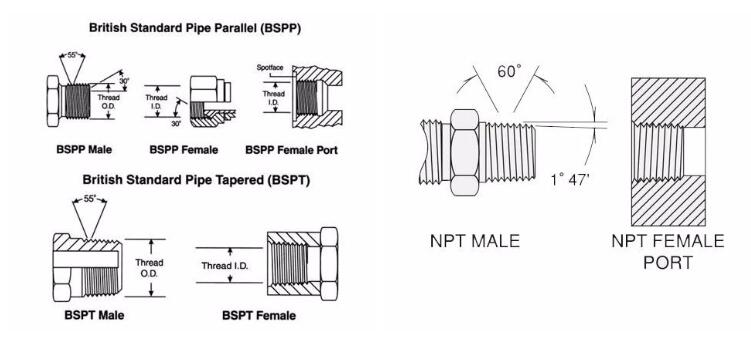
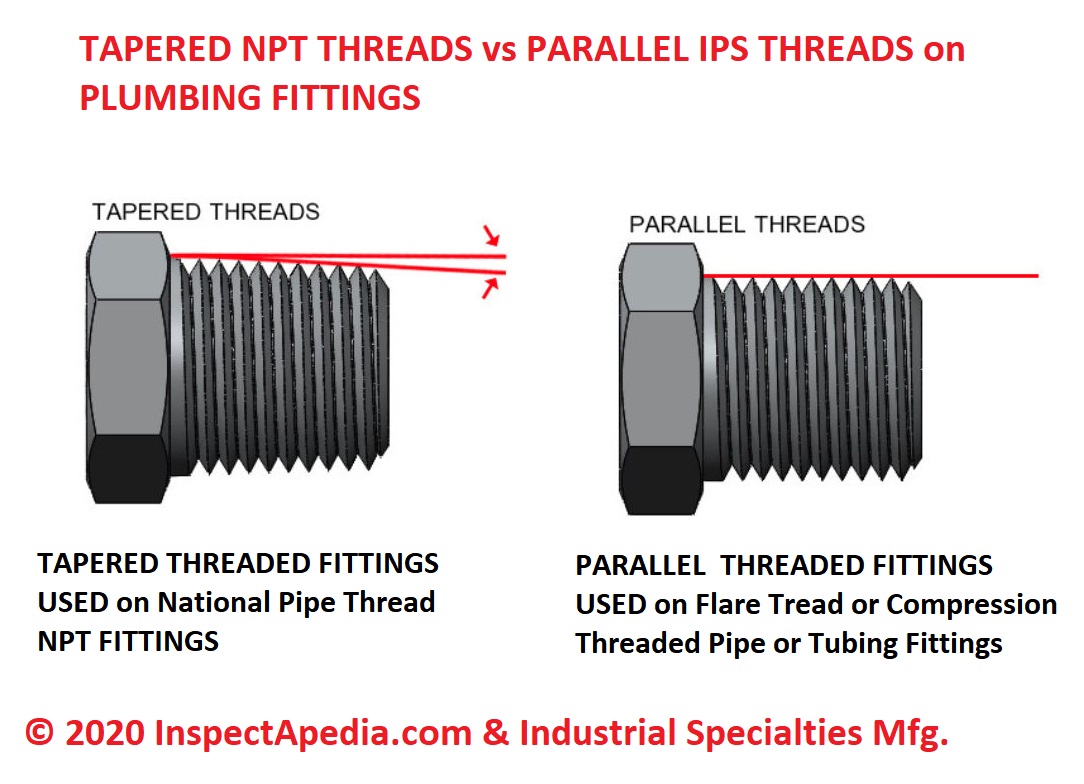
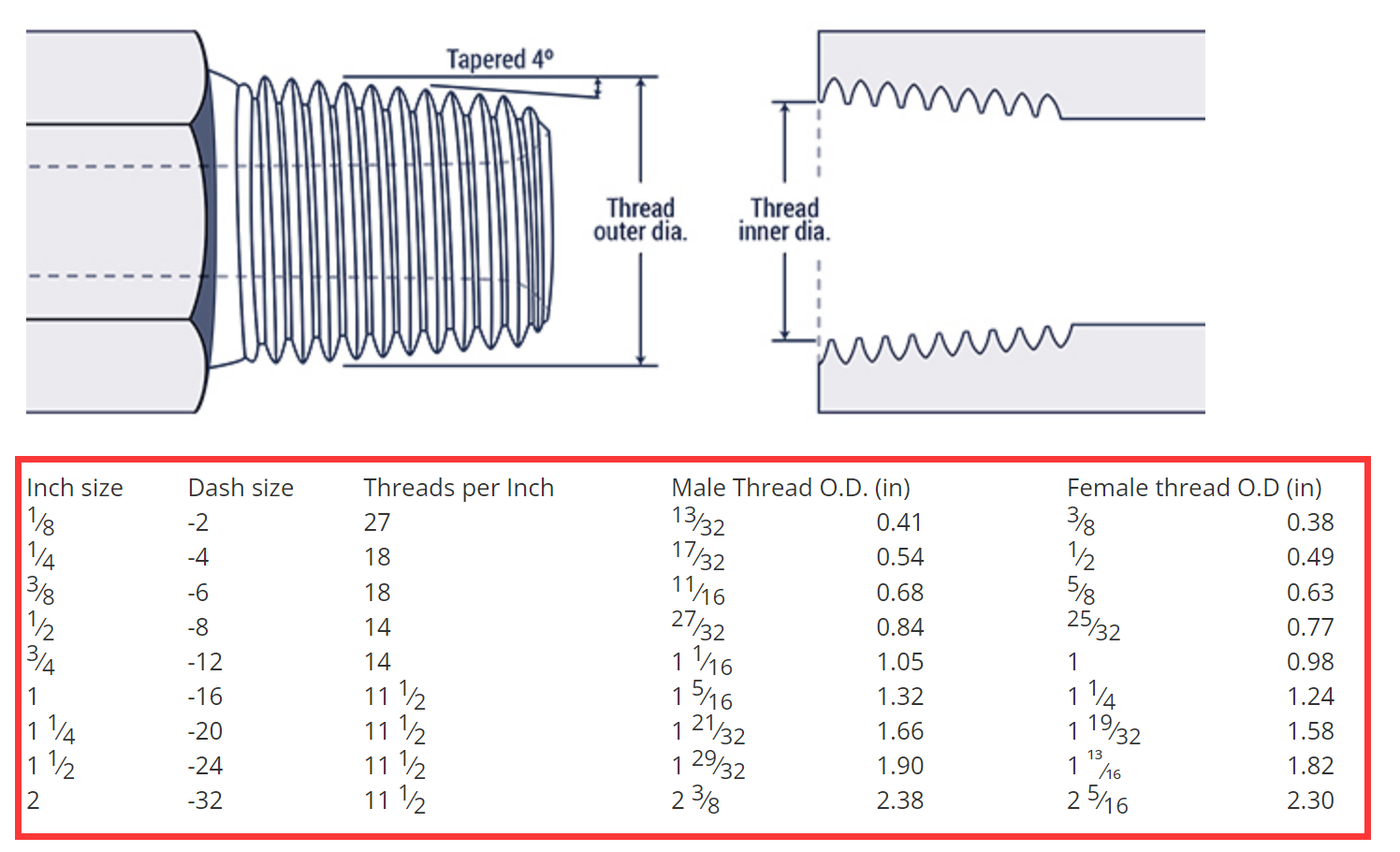
- NPT (National Pipe Thread): A U.S. standard tapered thread used for sealing pipes and fittings. The tapered design allows for a tight seal when tightened, relying on thread deformation.
- BSP (British Standard Pipe): A British standard that comes in two main forms:
- BSPT (British Standard Pipe Taper): Similar to NPT, it features a tapered thread for sealing.
- BSPP (British Standard Pipe Parallel): Features a parallel thread and requires an O-ring or sealant for leak-proof connections.
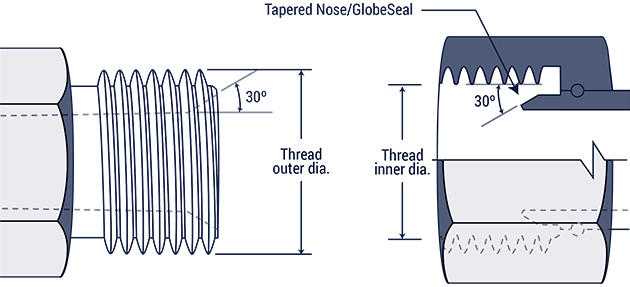
The key difference lies in the thread form and sealing mechanism. NPT and BSPT both use tapered threads, but their thread angles and pitches differ, making them incompatible. BSPP, with its parallel thread, necessitates a sealant for proper sealing.
Why Use a BSP to NPT Adapter?
In HVAC applications, BSP to NPT adapters are essential for connecting components that utilize different threading standards. This is particularly relevant in situations where:
- HVAC equipment is sourced from different manufacturers adhering to varying standards.
- Existing plumbing systems use a different thread type than the new HVAC unit.
- Imported HVAC components need to be integrated into a system primarily using a different standard.
Without an adapter, attempting to force a connection between BSP and NPT threads can damage the threads, leading to leaks and potential system failures. Using the correct adapter ensures a secure, leak-proof connection and maintains the integrity of the HVAC system.
Types of BSP to NPT Adapters
BSP to NPT adapters come in various configurations to suit different connection requirements. The most common types include:
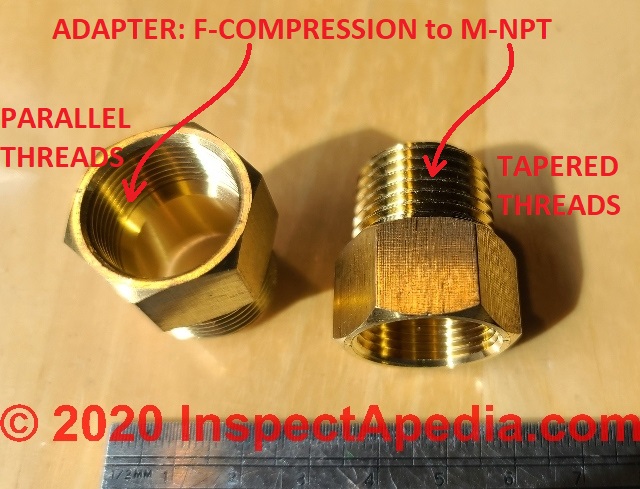
- BSPT to NPT Adapters: Used to connect tapered BSPT threads to tapered NPT threads. These are often made of brass, stainless steel, or plastic.
- BSPP to NPT Adapters: Designed to connect parallel BSPP threads to tapered NPT threads. These adapters typically incorporate an O-ring or sealing surface to ensure a leak-proof connection.
- Male to Female Adapters: Connect a male BSP thread to a female NPT thread, or vice versa.
- Female to Female Adapters: Connect two male threads of different standards.
- Male to Male Adapters: Connect two female threads of different standards.
Choosing the Right BSP to NPT Adapter
Selecting the appropriate BSP to NPT adapter involves considering several factors:
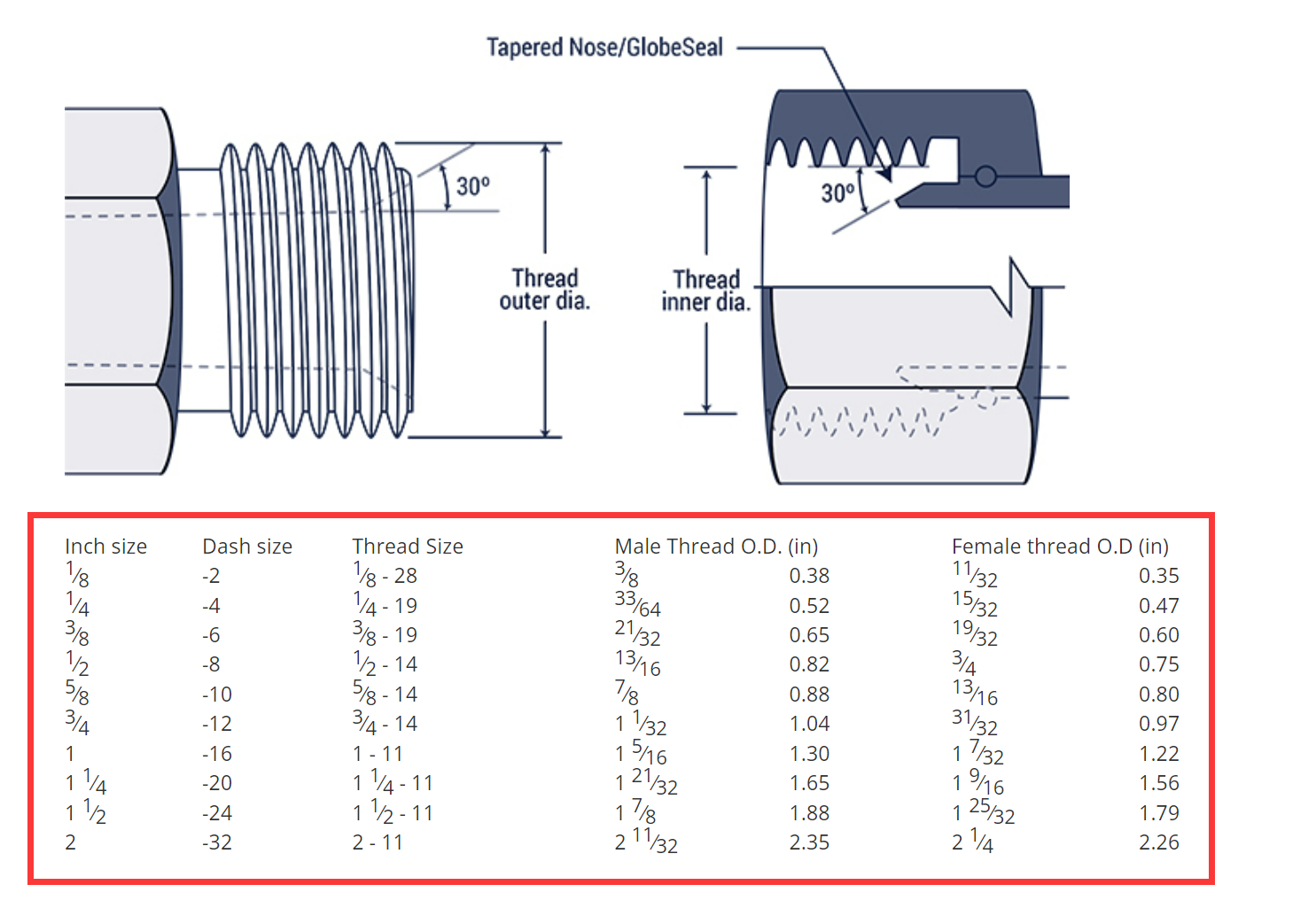
- Thread Size: Accurately identify the thread size of both the BSP and NPT connections. Common sizes include 1/8", 1/4", 3/8", 1/2", 3/4", and 1". Use thread gauges to ensure accurate measurement.
- Thread Type: Determine whether the BSP connection is tapered (BSPT) or parallel (BSPP). This is crucial for selecting the correct adapter type.
- Material: Choose a material compatible with the fluids or gases being conveyed within the HVAC system.
- Brass: A common and cost-effective option suitable for many applications. Offers good corrosion resistance.
- Stainless Steel: Provides excellent corrosion resistance and is suitable for more demanding environments. Ideal for applications involving high temperatures or corrosive fluids.
- Plastic: Lightweight and corrosion-resistant, suitable for low-pressure applications.
- Pressure Rating: Ensure the adapter's pressure rating meets or exceeds the operating pressure of the HVAC system.
- Temperature Rating: Select an adapter with a temperature rating appropriate for the operating temperature range of the HVAC system.
Applications in HVAC Systems
BSP to NPT adapters find wide application in various HVAC components and systems, including:
- Connecting pressure gauges: Many pressure gauges utilize NPT threads, while some HVAC systems may use BSP threads for pressure ports.
- Integrating imported components: HVAC equipment manufactured outside of North America may use BSP threads, requiring adapters for integration into systems using NPT threads.
- Connecting condensate pumps: Some condensate pumps have BSP threaded outlets, requiring adapters to connect to NPT threaded drainage lines.
- Connecting gas lines: Adapters are used to connect gas lines with different threading standards, but only use adapters specifically approved for gas applications. Consult local codes for specific requirements.
- Integrating hydronic heating systems: Connecting European radiators (often BSP threaded) to North American plumbing systems (NPT threaded).
Common HVAC Brands and Models Utilizing Adapters
While the specific need for BSP to NPT adapters depends on the individual installation and components used, several scenarios commonly arise with popular HVAC brands.
- Mini-Split Systems: Many mini-split systems, particularly those manufactured outside of North America, may use BSP threads for refrigerant line connections. Adapters are then needed to connect to NPT-threaded components like vacuum pumps or charging manifolds during installation and servicing.
- European Radiators: As mentioned above, integrating European-made radiators, which frequently feature BSP threads, into North American hydronic heating systems almost always requires BSP to NPT adapters to connect to the standard NPT piping.
- Boiler Systems: Similar to radiators, some components of boiler systems, such as specific valves or pumps manufactured abroad, may utilize BSP threads.
Examples might include needing adapters when installing a Fujitsu mini-split system or integrating a Buderus boiler with existing NPT-threaded plumbing. Check the specific documentation for your HVAC unit for details. The AFUE rating for boilers and SEER rating for mini-splits will not affect the need for these adapters, but verifying the threading standards *will*.
Installation Tips
Proper installation of BSP to NPT adapters is essential for ensuring a leak-proof and reliable connection:
- Clean Threads: Thoroughly clean both the BSP and NPT threads before installation. Remove any dirt, debris, or old sealant.
- Use Thread Sealant: Apply thread sealant (e.g., Teflon tape or pipe dope) to the male threads. Follow the manufacturer's instructions for application. Always use sealant appropriate for the media being transported (e.g., gas-approved sealant for gas lines).
- Tighten Properly: Tighten the adapter to the recommended torque specification. Avoid over-tightening, which can damage the threads or the adapter. A snug, hand-tightened connection followed by a wrench-tightened turn or two is generally sufficient.
- Check for Leaks: After installation, test the connection for leaks using a soap and water solution. Apply the solution to the connection and look for bubbles, which indicate a leak.
Cost Considerations
BSP to NPT adapters are relatively inexpensive, with prices ranging from a few dollars to around $20, depending on the material, size, and type. However, the cost can increase significantly when using specialized adapters for specific applications, such as high-pressure or corrosive environments. Consider the total cost of installation, including the adapter, sealant, and labor, when budgeting for your HVAC project.
Maintenance and Inspection
Regular inspection and maintenance of BSP to NPT adapter connections can help prevent leaks and ensure the long-term reliability of the HVAC system.
- Visual Inspection: Periodically inspect the connections for signs of corrosion, damage, or leaks.
- Tightening: If leaks are detected, try tightening the connection slightly. However, avoid over-tightening.
- Replacement: Replace any adapters that are corroded, damaged, or leaking.
Warranty Information
Warranties for BSP to NPT adapters typically cover manufacturing defects. The length and scope of the warranty can vary depending on the manufacturer and the specific product. Be sure to review the warranty information before purchasing an adapter.
Conclusion
BSP to NPT adapters are essential components for ensuring compatibility between HVAC components with different threading standards. By understanding the types of adapters available, selecting the appropriate materials and sizes, and following proper installation procedures, you can create secure, leak-proof connections and maintain the integrity of your HVAC system. When in doubt, consult with a qualified HVAC professional to ensure proper selection and installation.