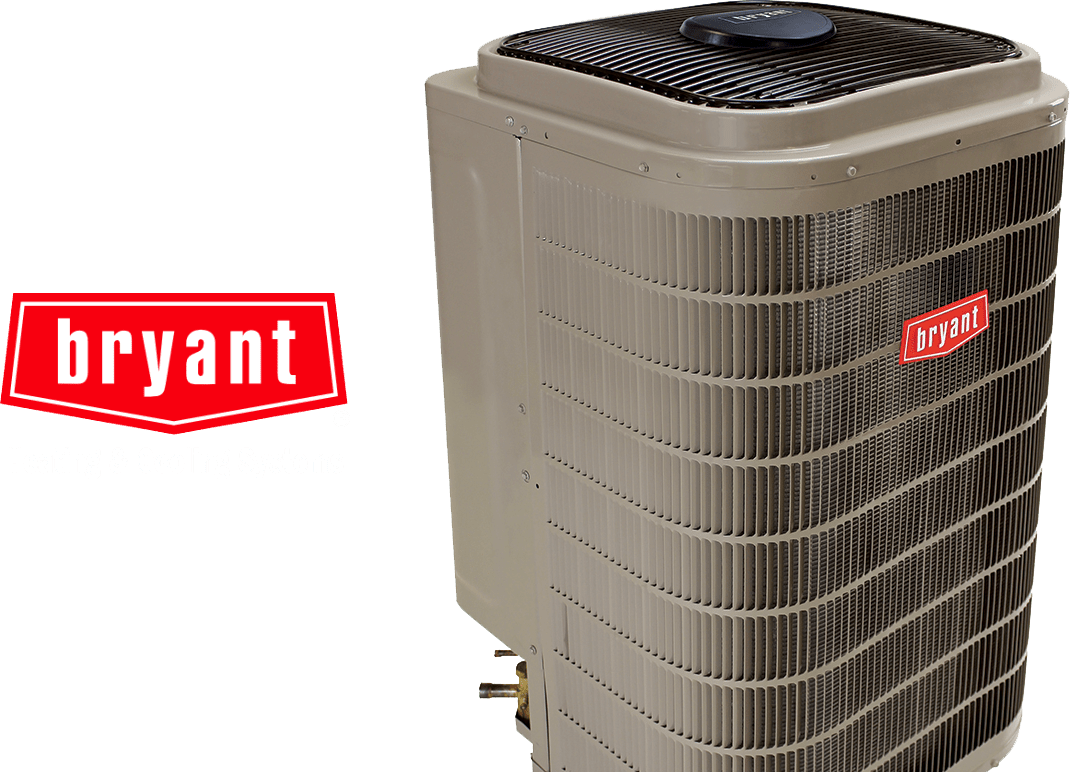
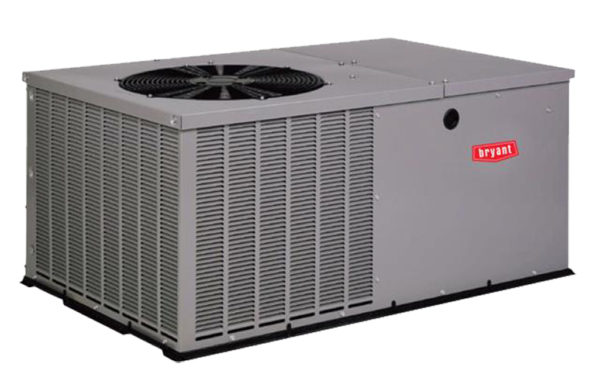
Bryant Air Conditioner Units
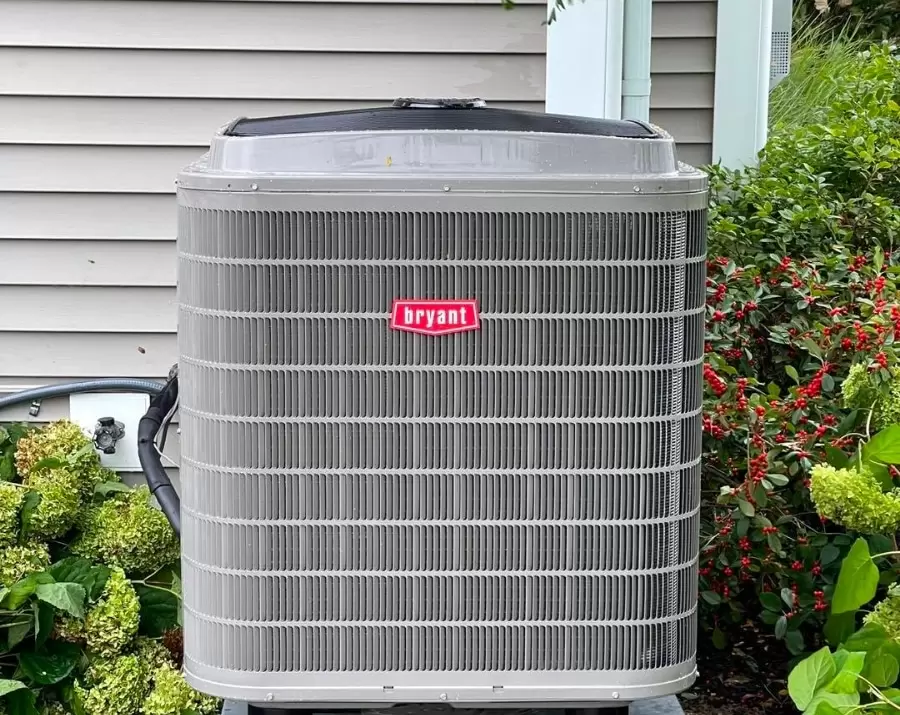
Bryant air conditioner units are a popular choice for homeowners looking for reliable and efficient cooling. Known for their durability and a range of models to suit various needs, Bryant ACs can keep your home comfortable during the hottest months. This article will guide you through understanding your Bryant unit, common issues, basic troubleshooting, and when to call a professional. Remember, safety is paramount, so always disconnect power to the unit before attempting any repairs.
Understanding Your Bryant Air Conditioner
Bryant offers a variety of air conditioner models, each with its own specifications and features. Before diving into troubleshooting, it’s helpful to understand the different components and types of Bryant AC units.
Key Components:
- Compressor: The heart of the AC, responsible for compressing the refrigerant.
- Condenser Coil: Located in the outdoor unit, it releases heat from the refrigerant.
- Evaporator Coil: Located inside the air handler, it absorbs heat from the air.
- Expansion Valve (or Metering Device): Controls the flow of refrigerant into the evaporator coil.
- Blower Motor: Circulates air across the evaporator coil and throughout your home.
- Refrigerant: The fluid that absorbs and releases heat.
- Capacitors: Provide the necessary electrical boost to start and run motors.
- Contactor: An electrical switch that controls power to the compressor and fan motor.
Types of Bryant AC Units:
- Central Air Conditioners: The most common type, cooling the entire home through ductwork.
- Ductless Mini-Split Systems: Ideal for individual rooms or areas without ductwork.
- Heat Pumps: Can both heat and cool your home, offering year-round climate control.
Refer to your Bryant AC unit's model number and owner's manual for specific details about your system. This information is usually located on a sticker on the outdoor unit.
Common Bryant AC Problems and Troubleshooting
Many AC problems can be addressed with simple troubleshooting steps. However, if you're not comfortable working with electrical components or refrigerant, it's always best to call a qualified HVAC technician.
1. AC Not Turning On:
Possible Causes:
- Tripped circuit breaker.
- Thermostat issues.
- Power switch turned off.
- Failed capacitor.
- Faulty contactor.
Troubleshooting Steps:
- Check the circuit breaker for the AC unit. Reset if tripped.
- Ensure the thermostat is set to "cool" and the temperature is set lower than the current room temperature. Replace the thermostat batteries.
- Verify the power switch to the outdoor unit is turned on.
- (Advanced - requires caution) If comfortable and familiar with electrical work, visually inspect the capacitor for bulging or leaks. Replace if necessary (ensure power is off!). If unfamiliar with electrical work, call a professional.
- If the contactor looks burnt or damaged, it needs to be replaced by a professional.
2. AC Blowing Warm Air:
Possible Causes:
- Dirty air filter.
- Dirty condenser coils.
- Low refrigerant levels.
- Frozen evaporator coil.
Troubleshooting Steps:
- Replace the air filter. A dirty air filter restricts airflow and can cause the AC to malfunction.
- Clean the condenser coils with a garden hose (gentle spray) to remove dirt and debris. Important: Disconnect power to the unit before cleaning the coils!
- If you suspect low refrigerant, do not attempt to add refrigerant yourself. This requires specialized equipment and knowledge. Contact a licensed HVAC technician.
- If the evaporator coil is frozen, turn off the AC and let it thaw for several hours. Then, check the air filter and airflow. If the problem persists, there may be a refrigerant leak or another underlying issue requiring professional attention.
3. AC Unit Making Unusual Noises:
Possible Causes:
- Loose parts.
- Worn-out blower motor.
- Compressor issues.
- Debris in the fan.
Troubleshooting Steps:
- Inspect the outdoor unit for any loose panels or parts. Tighten screws as needed.
- If the noise is coming from the blower motor, it may need to be lubricated or replaced. Consult a professional.
- Loud banging or grinding noises could indicate a serious compressor problem. Contact a qualified technician immediately.
- Check the fan blades for any debris that may be causing the noise. Remove any obstructions carefully.
4. AC Unit Cycling On and Off Frequently (Short Cycling):
Possible Causes:
- Oversized AC unit.
- Dirty air filter.
- Low refrigerant levels.
- Restricted airflow.
Troubleshooting Steps:
- Ensure the air filter is clean.
- If you suspect low refrigerant, contact a professional.
- Check for any obstructions in the ductwork that may be restricting airflow.
- If your AC unit is oversized for your home, it may need to be replaced with a smaller unit. This is a job for an HVAC professional.
5. Water Leaking from AC Unit:
Possible Causes:
- Clogged condensate drain line.
- Broken condensate pump.
- Frozen evaporator coil (leading to melting water).
Troubleshooting Steps:
- Locate the condensate drain line (usually a PVC pipe near the indoor unit). Try clearing the drain line with a wet/dry vacuum or a stiff wire.
- If your unit has a condensate pump, check if it's working properly. If not, it may need to be replaced.
- If the evaporator coil is frozen, follow the steps outlined in the "AC Blowing Warm Air" section to thaw the coil and address the underlying cause.
Essential Tools and Parts for DIY AC Repairs
Having the right tools and parts on hand can make minor AC repairs easier. However, remember to prioritize safety and consult a professional for complex issues.
Tools:
- Screwdrivers (Phillips and flathead)
- Wrench set
- Multimeter
- Voltage tester
- Pliers
- Wire strippers
- Wet/dry vacuum
- Fin comb (for straightening condenser fins)
Parts:
- Air filters
- Capacitors
- Contactors
- Blower motors
- Thermostats
Where to buy parts: Local HVAC supply stores, online retailers specializing in HVAC parts.
When to Call a Professional HVAC Technician
While some AC problems can be addressed with DIY solutions, certain issues require the expertise of a qualified HVAC technician. Never attempt repairs involving refrigerant handling, compressor work, or complex electrical issues unless you are properly trained and certified.
Call a professional if:
- You suspect a refrigerant leak.
- The compressor is making unusual noises or not working.
- You are uncomfortable working with electrical components.
- You suspect a major component failure.
- You are unsure about the cause of the problem.
Bryant AC Repair Cost Estimates
Repair costs for Bryant AC units can vary depending on the nature of the problem, the parts required, and the labor rates in your area. Here are some approximate cost estimates:
- Air Filter Replacement: $10 - $30 (DIY) or $30 - $50 (Professional)
- Capacitor Replacement: $100 - $300
- Contactor Replacement: $150 - $400
- Blower Motor Replacement: $300 - $800
- Refrigerant Recharge: $200 - $600 (depending on the amount of refrigerant needed and leak repair)
- Compressor Replacement: $1,500 - $4,000
- Condenser Coil Replacement: $800 - $2,500
- Evaporator Coil Replacement: $600 - $2,000
Note: These are just estimates. Always get a written quote from a qualified HVAC technician before proceeding with any repairs.
Preventative Maintenance for Bryant AC Units
Regular maintenance can help prevent costly repairs and extend the lifespan of your Bryant AC unit. Consider the following preventative measures:
- Change air filters regularly (every 1-3 months).
- Clean condenser coils annually.
- Schedule annual professional maintenance and inspection.
- Keep the area around the outdoor unit clear of debris.
- Ensure proper insulation in your home to reduce cooling load.
Conclusion
By understanding the components of your Bryant AC unit, performing basic troubleshooting, and knowing when to call a professional, you can keep your system running efficiently and comfortably for years to come. Always prioritize safety and consult with a qualified HVAC technician for complex repairs.