Bryant Furnace Code 12
Decoding Bryant Furnace Code 12: A Comprehensive Guide for Homeowners
Encountering an error code on your furnace can be a stressful experience, especially when winter temperatures are plummeting. Bryant furnaces, known for their reliability, sometimes display error codes that indicate a problem needing attention. One such code is Furnace Code 12. This guide breaks down what Furnace Code 12 means, its potential causes, troubleshooting steps, and when it's time to call a professional.
Understanding Bryant Furnace Code 12
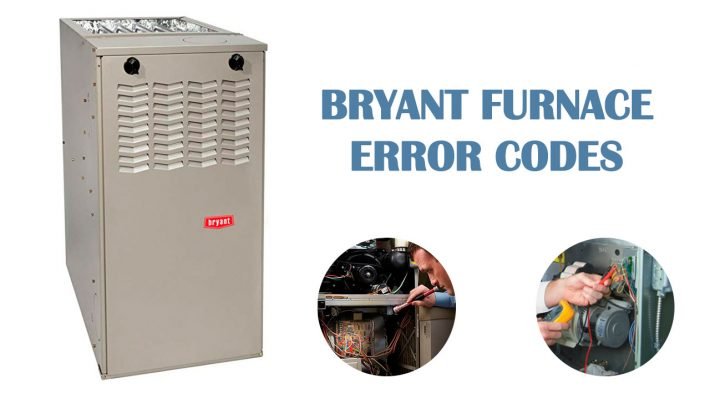
Bryant Furnace Code 12 typically indicates a flame failure during the heating cycle. In simpler terms, the furnace attempts to ignite the gas, but the flame isn't detected by the flame sensor within the expected timeframe. This triggers the system to shut down as a safety precaution, preventing the uncontrolled release of gas. It's a common code, but addressing it promptly is crucial for restoring heat and preventing further issues.
Possible Causes of Furnace Code 12
Several factors can contribute to a flame failure, leading to Bryant Furnace Code 12. Understanding these potential causes can help you or your HVAC technician diagnose the problem efficiently.
- Dirty or Faulty Flame Sensor: The flame sensor is a critical component that detects the presence of a flame. If it's dirty with carbon buildup, it may not accurately sense the flame, even if one is present. A faulty sensor may also misreport a lack of flame.
- Gas Supply Issues: Problems with the gas supply can prevent the furnace from igniting properly. This could include a closed gas valve, low gas pressure, or a problem with the gas meter.
- Ignition Problems: The igniter is responsible for creating the spark or heat that ignites the gas. A faulty igniter, whether it's a hot surface igniter or a spark igniter, can prevent the flame from establishing.
- Blocked or Restricted Flue: The flue is the vent pipe that carries exhaust gases out of your home. A blockage, such as debris, bird nests, or ice, can prevent proper combustion and trigger a flame failure.
- Faulty Gas Valve: The gas valve controls the flow of gas to the burner. If the valve is malfunctioning or stuck closed, it will prevent the gas from reaching the burner, resulting in a flame failure.
- Combustion Air Issues: Insufficient combustion air can lead to incomplete combustion and flame failure. Check for blocked air vents or obstructions around the furnace.
- Condensate Drain Issues (for high-efficiency furnaces): High-efficiency furnaces produce condensate, which needs to be drained properly. A clogged condensate drain can cause the furnace to shut down.
- Wiring Problems: Loose or corroded wiring can disrupt the electrical signals needed for the ignition process, leading to a flame failure.
- Control Board Malfunction: Although less common, a faulty control board can also cause flame failure issues by mismanaging the ignition sequence.
Troubleshooting Bryant Furnace Code 12: DIY Steps
Before calling an HVAC technician, you can try these basic troubleshooting steps. Always turn off the furnace at the breaker box before attempting any repairs.
- Check the Gas Supply: Ensure the gas valve near the furnace is open. Also, check if other gas appliances are working. If not, there might be a gas supply problem requiring assistance from your gas company.
- Inspect the Flame Sensor: Locate the flame sensor (a small metal rod near the burner). Carefully remove it and clean it with fine steel wool or sandpaper to remove carbon buildup. Reinstall the sensor and try restarting the furnace.
- Check the Flue: Visually inspect the flue pipe for any obvious blockages. Clear any debris you find.
- Check Air Vents: Ensure that the air vents around the furnace are not blocked by furniture or other objects.
- Reset the Furnace: Turn off the furnace at the breaker box for a few minutes, then turn it back on. This can sometimes reset the system and clear the error code.
If you are not comfortable working with gas or electrical components, it's best to contact a qualified HVAC technician.
When to Call a Professional HVAC Technician
If you've tried the basic troubleshooting steps and the Furnace Code 12 persists, it's time to call a professional. Certain issues require specialized tools and expertise to diagnose and repair safely. These include:
- Suspected gas leaks
- Faulty gas valve
- Ignition problems (e.g., faulty igniter)
- Control board malfunctions
- Condensate drain issues (for high-efficiency furnaces)
- Complex wiring problems
Preventative Maintenance for Bryant Furnaces
Regular preventative maintenance can significantly reduce the likelihood of encountering error codes like Furnace Code 12. Consider these maintenance tasks:
- Annual Furnace Inspection: Schedule an annual inspection and tune-up with a qualified HVAC technician. They can clean and inspect components, identify potential problems early, and ensure optimal performance.
- Filter Replacement: Replace your furnace filter regularly (typically every 1-3 months, depending on the type of filter and usage). A dirty filter restricts airflow, reducing efficiency and potentially causing overheating.
- Clean the Burners: Periodically clean the burners to remove dust and debris.
- Inspect the Flue: Regularly inspect the flue for any signs of damage or blockages.
Bryant Furnace Models: A Brief Overview
Bryant offers a range of furnaces to suit different needs and budgets. Here's a brief overview of some popular models:
- Bryant Evolution System Furnaces: These are Bryant's premium models, offering the highest efficiency and advanced features like modulating gas valves and variable-speed blowers. They typically boast AFUE ratings of up to 98%.
- Bryant Preferred Series Furnaces: These furnaces offer a balance of efficiency and affordability, with AFUE ratings ranging from 92% to 96%. They often include features like two-stage gas valves and variable-speed blowers.
- Bryant Legacy Line Furnaces: These are Bryant's entry-level models, providing reliable heating at a more budget-friendly price. They typically have AFUE ratings of 80%.
When choosing a Bryant furnace, consider factors like your budget, heating needs, and desired efficiency. A higher AFUE rating translates to greater energy savings over the long term.
Comparing Bryant to Other HVAC Brands
Bryant is a well-respected brand in the HVAC industry, known for its reliability and performance. However, it's essential to compare Bryant to other brands like Carrier, Trane, Lennox, and Rheem to make an informed decision. Here's a quick comparison:
- Carrier: Carrier and Bryant are sister companies under the same parent company (United Technologies Corporation). They often share similar technologies and components. Carrier is generally positioned as the higher-end brand, while Bryant offers a more affordable option.
- Trane: Trane is known for its durable and reliable equipment. Trane furnaces often have a slightly higher upfront cost but may offer better longevity and lower maintenance costs over time.
- Lennox: Lennox offers a wide range of high-efficiency furnaces, including some of the most energy-efficient models on the market. However, Lennox equipment can be more expensive than Bryant.
- Rheem: Rheem is a popular brand known for its value and affordability. Rheem furnaces offer a good balance of performance and price.
Consider factors like price, efficiency, warranty, and features when comparing different brands and models.
Warranty Information for Bryant Furnaces
Bryant furnaces typically come with a limited warranty that covers parts for a specified period (e.g., 10 years). Some models may also offer a limited lifetime warranty on the heat exchanger. Be sure to register your furnace after installation to activate the warranty. It's also crucial to follow the manufacturer's recommendations for maintenance to keep the warranty valid. Consider purchasing an extended warranty for added protection against unexpected repairs.
Calculating Heating Costs and Energy Savings
When evaluating furnace options, it's essential to consider the long-term cost of operation. Factors like AFUE rating, local gas prices, and your home's insulation all play a role in determining your heating costs. Use online energy calculators to estimate your potential savings with a more efficient furnace. Upgrading to a high-efficiency furnace can significantly reduce your monthly heating bills.
For example, upgrading from an 80% AFUE furnace to a 95% AFUE furnace could save you up to 15% on your heating costs.
Conclusion: Making the Right Choice for Your Home
Understanding Bryant Furnace Code 12 and its potential causes can help you troubleshoot minor issues and prevent more serious problems. Regular maintenance is key to keeping your furnace running efficiently and reliably. When it's time to replace your furnace, carefully consider your needs, budget, and energy efficiency goals. Compare different brands and models, and consult with a qualified HVAC professional to ensure you choose the right furnace for your home.