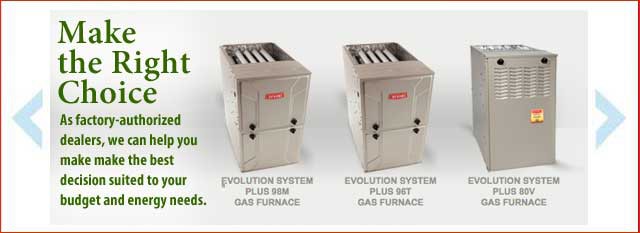
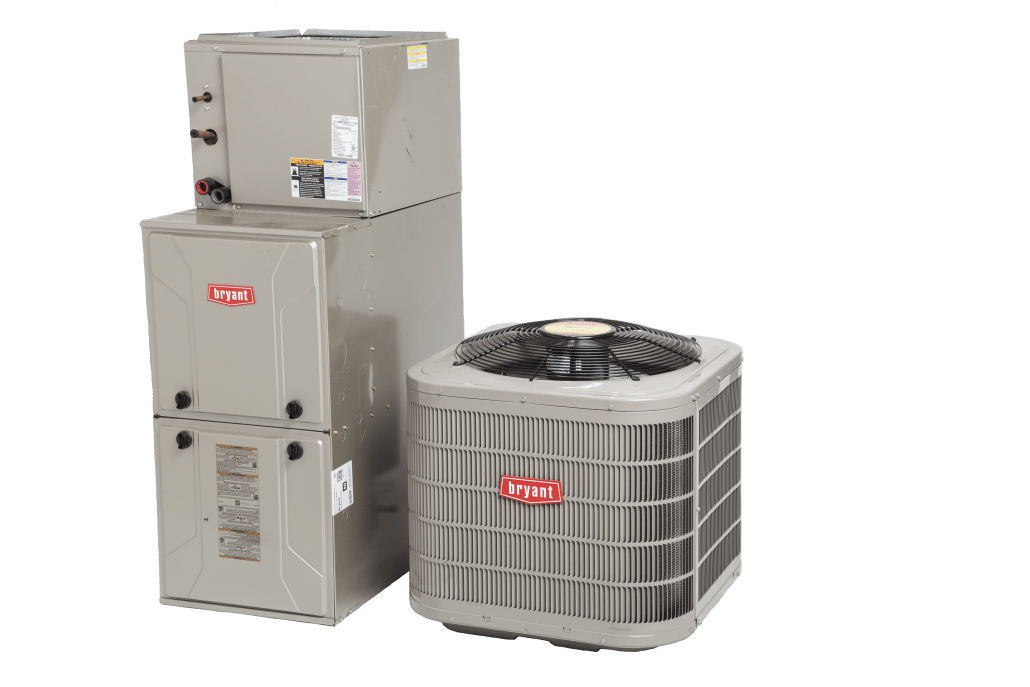
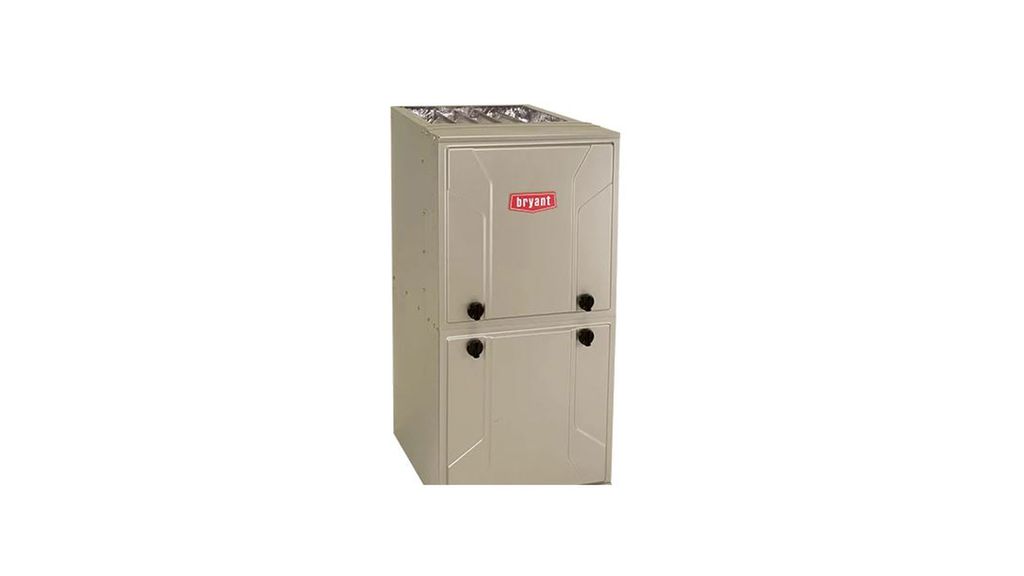
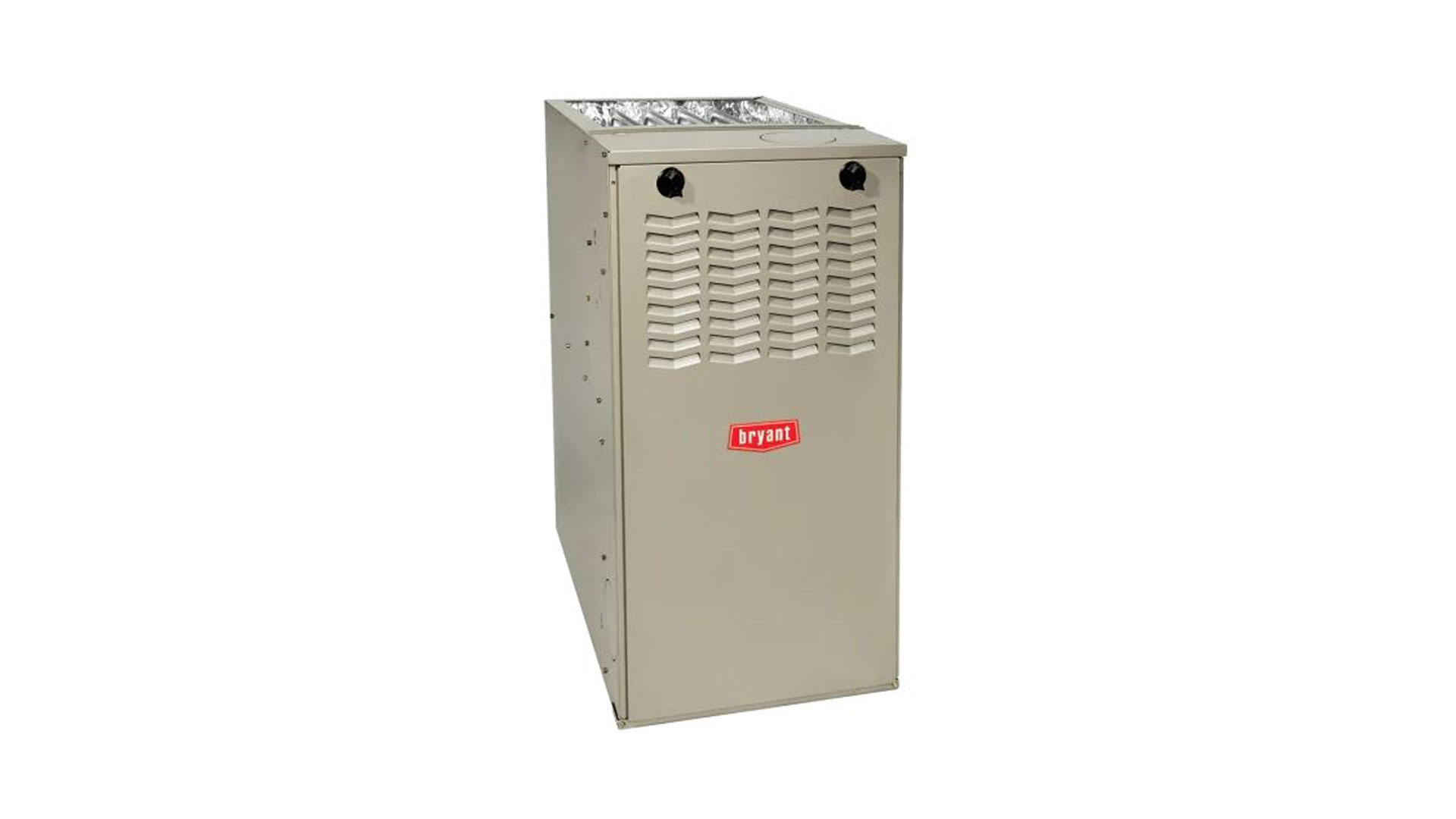
Bryant Furnace Models
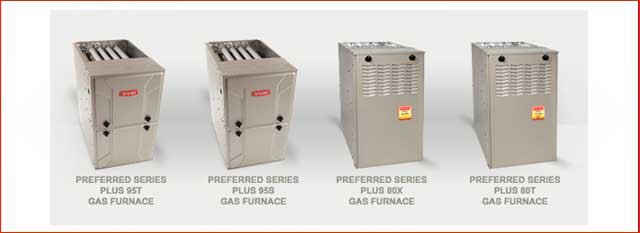
It's a cold evening, and your Bryant furnace is supposed to be keeping you warm. But instead, you're feeling a chill. One of the most common problems homeowners face with Bryant furnaces is a **furnace that won't turn on or stay on**. This can be frustrating, but before you call a technician, let's explore some basic troubleshooting steps you can safely perform.
Step 1: Preliminary Checks – The Obvious (But Important!)
Before diving into more complex diagnostics, let's eliminate the simplest causes. These often get overlooked but can save you time and money.
Check the Thermostat
Is your thermostat set correctly? Seems basic, but it's often the culprit! Make sure it's set to "Heat" mode and that the temperature is set a few degrees *above* the current room temperature. A simple mistake here can prevent the furnace from kicking on.
Check the thermostat batteries. A low battery can cause erratic behavior, including preventing the thermostat from communicating with the furnace. Replace the batteries with fresh ones, even if the display seems fine.
Inspect the Power Supply
Is the furnace switch on? Most furnaces have a dedicated power switch (often looking like a light switch) located on or near the furnace itself. Ensure it's in the "ON" position. It's surprisingly easy to accidentally switch this off.
Check your circuit breaker. Locate the breaker panel for your home and look for the breaker labeled "Furnace" or "HVAC." If the breaker has tripped (moved to the "OFF" or middle position), reset it by flipping it fully to the "OFF" position and then back to the "ON" position. If it trips again immediately, do not continue resetting it. This indicates a more serious electrical issue requiring professional attention.
Step 2: Investigating the Airflow – A Crucial Factor
Proper airflow is essential for furnace operation. A blocked airflow can cause the furnace to overheat and shut down as a safety precaution.
Inspect the Air Filter
Is your air filter clean? A clogged air filter is the *most* common cause of furnace problems. A dirty filter restricts airflow, making the furnace work harder and potentially overheat. Remove the air filter and hold it up to the light. If you can't see light clearly through it, it's time to replace it. Use the correct filter size and type as specified in your furnace's manual or on the filter itself.
Change the filter regularly. Depending on your home environment (pets, allergies, etc.), you should replace your air filter every 1-3 months. Mark your calendar as a reminder.
Check Air Vents
Are your air vents open and unobstructed? Make sure all vents in your home are open to allow for proper air circulation. Also, ensure that furniture, rugs, or other objects aren't blocking the vents.
Step 3: Examining the Furnace Itself – Proceed with Caution
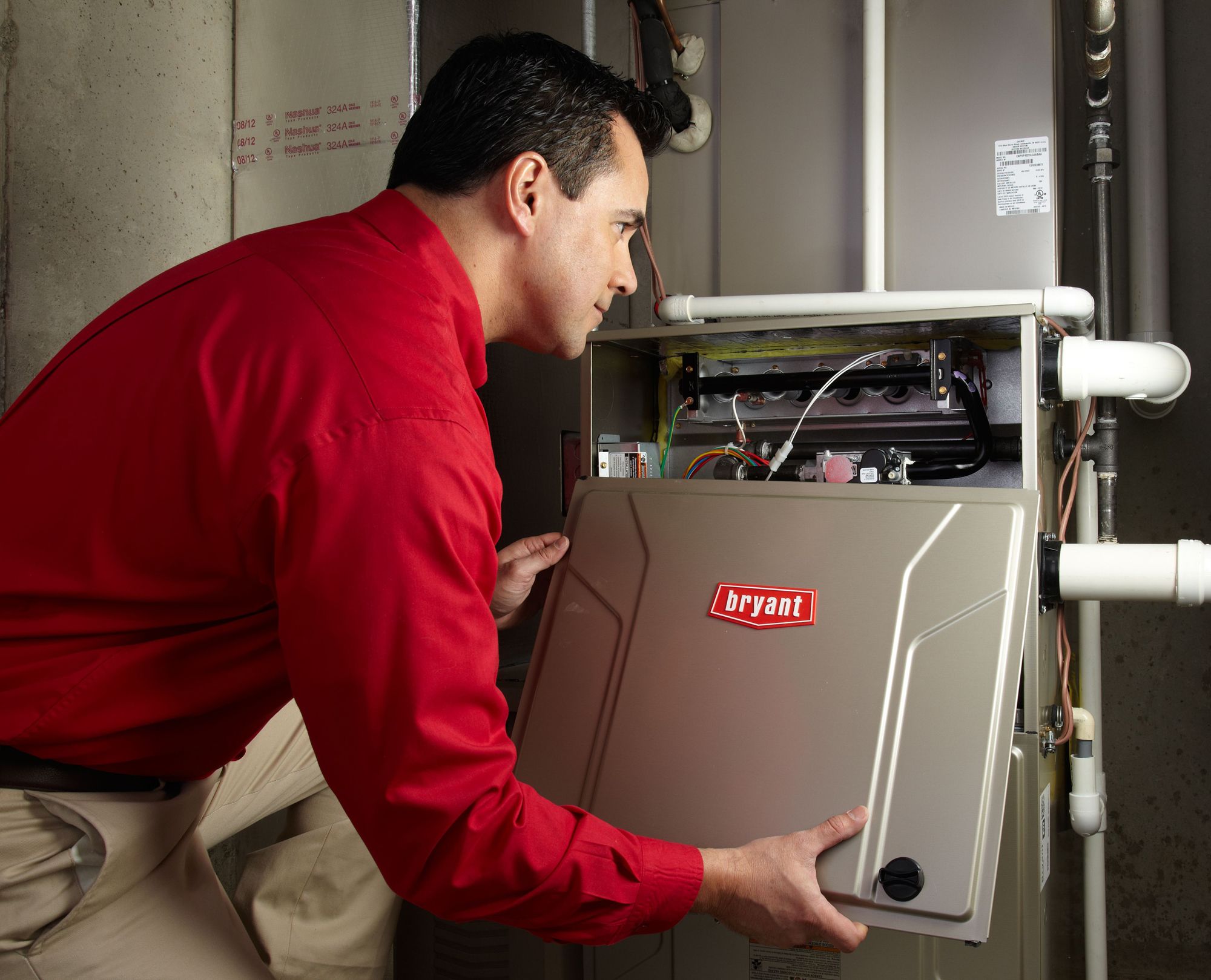
Now, let's take a closer look at the furnace. Remember to always turn off the power to the furnace at the breaker before performing any internal inspections. This is crucial for your safety.
Locate the Furnace Control Panel
Most Bryant furnaces have a control panel located behind an access door. This panel contains indicator lights that can provide clues about the problem.
Interpret the Error Codes/Indicator Lights
Refer to your furnace's manual for a list of error codes and their corresponding meanings. The indicator lights (often flashing LEDs) will display a specific pattern that indicates a particular problem. This is *the* key to diagnosing the issue. Common error codes relate to:
- Flame sensor issues: Often indicated by a code related to "flame failure" or "no flame sensed."
- Pressure switch problems: Codes might mention "pressure switch open/closed" or "failed to close."
- Limit switch tripping: Indicates overheating, usually due to airflow issues.
- Ignition failures: Related to problems with the igniter or gas valve.
If you have the manual, use it! It will provide the most accurate interpretation of the error codes. If you don't have the manual, you can often find it online by searching for your specific Bryant furnace model number.
Inspecting the Flame Sensor (If comfortable and error code indicates)
Only attempt this if you feel comfortable and the error code specifically points to a flame sensor issue. The flame sensor is a small metal rod located near the burner. Its purpose is to detect the presence of a flame. If the sensor is dirty or faulty, it can prevent the furnace from staying on.
Turn off the power to the furnace at the breaker.
Locate the flame sensor. It's typically a thin, metallic rod located near the burners. Consult your furnace manual for the exact location.
Carefully remove the flame sensor. It's usually held in place by a screw or clip.
Clean the flame sensor with fine steel wool or sandpaper. Gently remove any carbon buildup or corrosion. Do not use excessive force. The goal is to clean the surface, not damage the sensor.
Reinstall the flame sensor and restore power to the furnace.
Test the furnace to see if the problem is resolved.
When to Call a Professional – The Limits of DIY
While many furnace problems can be addressed with basic troubleshooting, there are situations where professional help is *essential*. Attempting to fix complex issues without the proper knowledge and tools can be dangerous and potentially damage your furnace further. **Immediately call a qualified HVAC technician if:**
- You smell gas: Evacuate your home immediately and call your gas company and the fire department from a safe location.
- You suspect a carbon monoxide leak: Carbon monoxide is a colorless, odorless, and deadly gas. If you have a CO detector that's alarming, evacuate your home immediately and call the fire department. Symptoms of CO poisoning include headache, dizziness, nausea, and confusion.
- You see signs of electrical problems: Burning smells, sparking, or tripped breakers that immediately trip again are all signs of electrical issues that require professional attention.
- You are uncomfortable working with gas or electricity.
- The furnace continues to malfunction after attempting basic troubleshooting.
- The error code indicates a major component failure: Such as a faulty gas valve, control board, or inducer motor.
- You are not comfortable disassembling any part of the furnace beyond removing the access panels and air filter.
Specifically, any work involving the gas valve, the burner assembly, or the control board should be left to a qualified technician. These components require specialized knowledge and tools to repair safely and effectively.
Preventative Maintenance – Avoiding Future Problems
The best way to avoid furnace problems is to perform regular preventative maintenance. This includes:
- Changing the air filter regularly.
- Scheduling annual furnace inspections and tune-ups by a qualified HVAC technician. A technician can identify and address potential problems before they lead to breakdowns.
- Keeping the area around the furnace clean and clear of obstructions.
- Ensuring proper ventilation in the furnace room.
By following these steps, you can troubleshoot common Bryant furnace problems and potentially save yourself time and money. However, remember that safety is paramount. When in doubt, always call a qualified HVAC technician. Regular maintenance is key to ensuring your furnace runs efficiently and reliably for years to come.
Disclaimer: *This article provides general troubleshooting advice and should not be considered a substitute for professional HVAC service. Always consult with a qualified technician for complex or potentially dangerous issues. The information provided here is for informational purposes only and does not constitute professional advice. The author and publisher are not responsible for any damages or injuries resulting from the use of this information.*