Btu 2 Psi Gas Pipe Sizing Chart
Is your home feeling colder than it should, even though the thermostat is set high? Or maybe your furnace keeps cycling on and off frequently? A common, but often overlooked, culprit behind these heating woes is an improperly sized gas pipe. Ensuring your gas appliances receive the correct amount of fuel is crucial for their efficient and safe operation.
This article will guide you through a practical troubleshooting process for issues related to your gas pipe sizing, specifically in relation to the BTU requirements of your appliances and the pressure (PSI) of your gas supply. We’ll cover how to spot the signs of a problem, diagnose potential causes, and take simple, safe DIY steps where possible. Remember, safety is paramount. If at any point you feel uncomfortable or unsure, call a qualified HVAC professional.
Recognizing the Symptoms of Gas Pipe Sizing Issues
Before diving into the nitty-gritty, let's identify the common symptoms indicating your gas pipe might be undersized or experiencing pressure problems. These include:
- Insufficient Heat: Your furnace struggles to heat your home adequately, even at the highest thermostat setting.
- Pilot Light Issues: The pilot light on your gas appliances (water heater, furnace, stove) frequently goes out, flickers, or burns with a weak, yellow flame instead of a strong, blue flame.
- Furnace Short Cycling: The furnace turns on and off repeatedly in short bursts, failing to maintain a consistent temperature. This is hard on the components and leads to inefficiency.
- Flame Rollout: In severe cases, you might notice flames escaping from the burner area of your furnace or water heater, which is a serious safety hazard. Immediately turn off the gas supply and call a professional.
- Appliance Malfunction: Your gas appliances may operate erratically or shut down unexpectedly.
- Unusual Noises: You might hear hissing or whistling sounds coming from the gas pipes or appliances, which could indicate a leak or pressure problem.
Troubleshooting Gas Pipe Sizing Problems: A Step-by-Step Approach
Now, let’s go through a methodical approach to pinpointing the issue. We’ll start with simple checks and gradually move towards more technical areas. Remember, some tasks are best left to professionals.
Step 1: Visual Inspection (No Tools Required)
Begin with a thorough visual inspection of your gas pipes and appliances.
- Check for Leaks: Sniff around gas pipes and connections for any gas odor. Even a faint smell warrants immediate action. Evacuate the area and call your gas company or a qualified professional immediately. Do not use any electrical switches or appliances, as they could spark an explosion.
- Inspect Pipe Condition: Look for signs of corrosion, rust, or damage to the gas pipes. These can restrict gas flow or lead to leaks.
- Observe Flame Quality: Observe the flame on your gas appliances (water heater, stove, etc.). A healthy flame is usually blue with a slight yellow tip. A yellow or orange flame indicates incomplete combustion, potentially due to insufficient gas pressure or improper venting.
- Verify Appliance Shut-Off Valves: Ensure all shut-off valves near your gas appliances are fully open. Sometimes, they can be partially closed accidentally, restricting gas flow.
- Inspect Flexible Connectors: Check the flexible gas connectors (often yellow) that connect appliances to the rigid gas pipes. Look for kinks, bends, or damage that could restrict flow.
Step 2: Identifying Your Appliances and Their BTU Requirements (No Tools Required)
To determine if your gas pipe is appropriately sized, you need to know the BTU (British Thermal Unit) requirements of all your gas appliances. The BTU rating indicates the amount of gas the appliance consumes per hour.
- Locate the Appliance Rating Plates: Each gas appliance has a rating plate, usually located on the back or side of the unit. This plate provides essential information, including the BTU input rating (often expressed as BTU/hr or MBH – thousands of BTU per hour).
- Record the BTU Ratings: Carefully note down the BTU input rating for each gas appliance in your home (furnace, water heater, stove, dryer, fireplace, etc.).
- Calculate Total BTU Load: Add up the BTU ratings of all your gas appliances. This total represents the overall gas demand on your system.
Step 3: Determining Gas Pressure (Requires Basic Equipment - Manometer, Exercise Caution!)
Gas pressure is measured in inches of water column (WC) or pounds per square inch (PSI). Most residential gas systems operate at a low pressure, typically around 7 inches WC (approximately 0.25 PSI) for natural gas. Propane systems might have higher pressures.
Warning: Working with gas pressure requires a manometer and basic plumbing knowledge. If you are not comfortable with this step, call a qualified HVAC technician. Incorrectly measuring or adjusting gas pressure can be dangerous and lead to leaks or explosions.
- Locate the Test Port: Your gas appliances usually have a test port (a small fitting with a screw cap) on the gas valve. This port allows you to connect a manometer to measure the gas pressure.
- Connect the Manometer: Carefully connect the manometer to the test port, following the manufacturer's instructions. Ensure a tight seal to prevent gas leaks.
- Measure the Gas Pressure: Turn on the appliance and observe the manometer reading. The reading should fall within the range specified on the appliance rating plate (usually around 7 inches WC for natural gas).
- Static vs. Dynamic Pressure: It's important to measure both static pressure (when the appliance is off) and dynamic pressure (when the appliance is running). A significant drop in pressure when the appliance is running indicates a potential sizing issue.
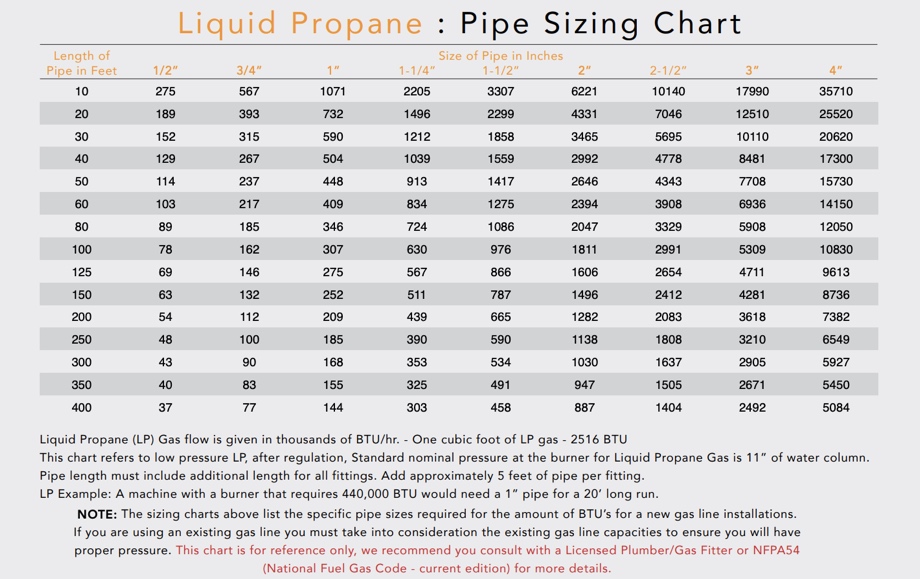
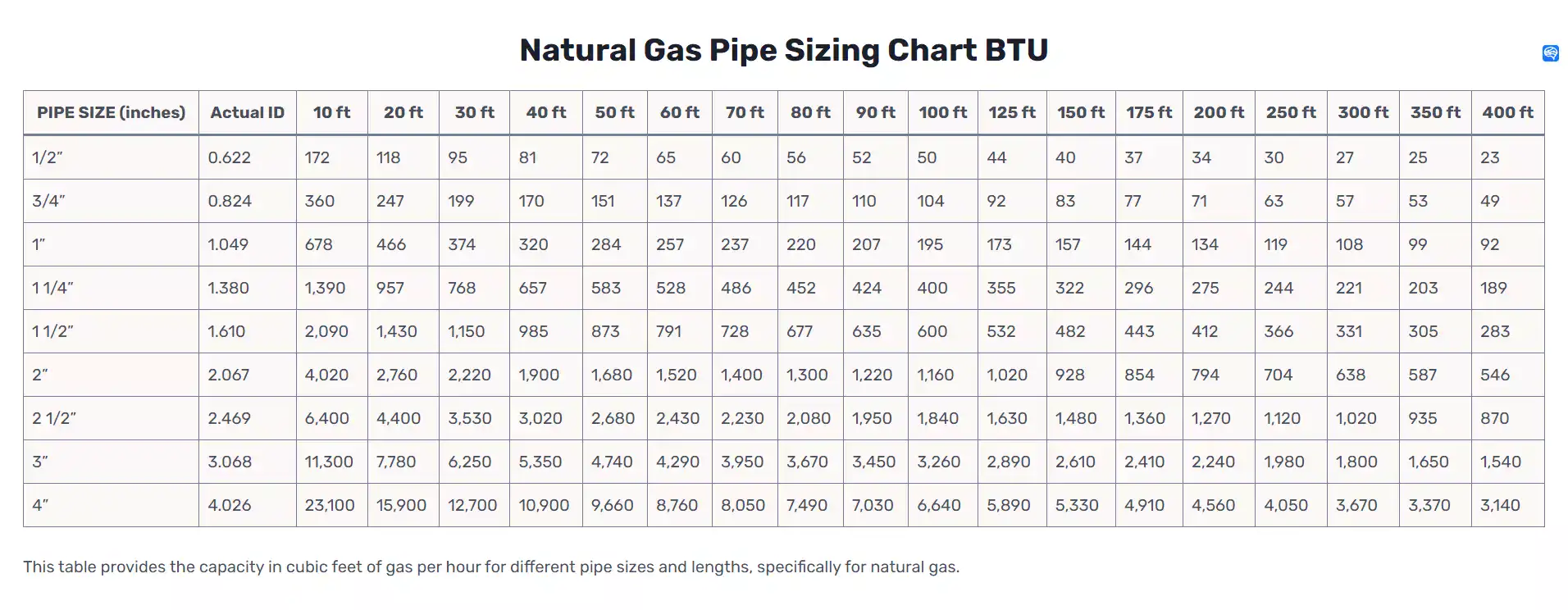
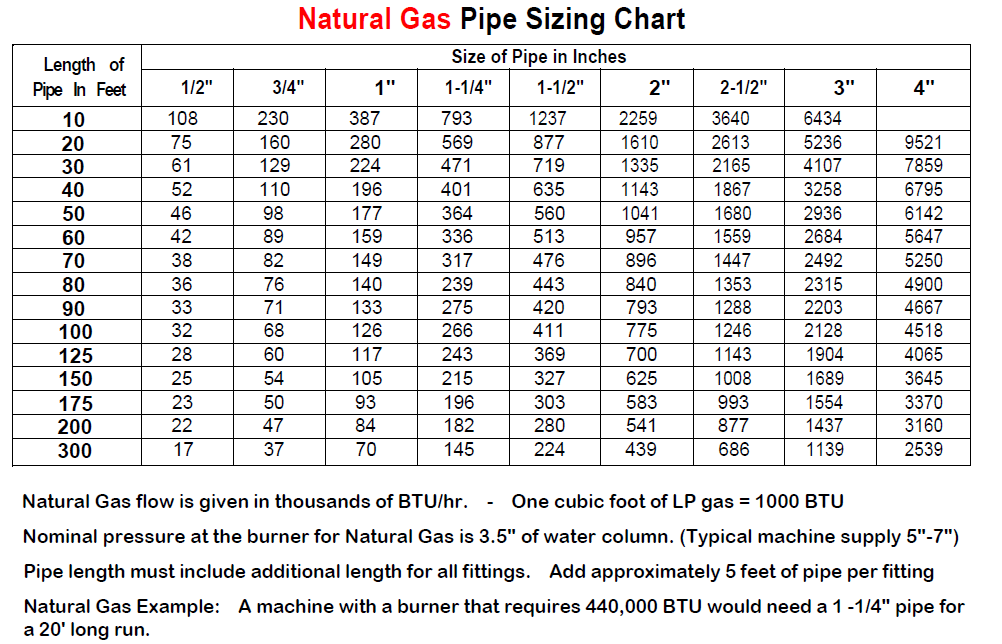
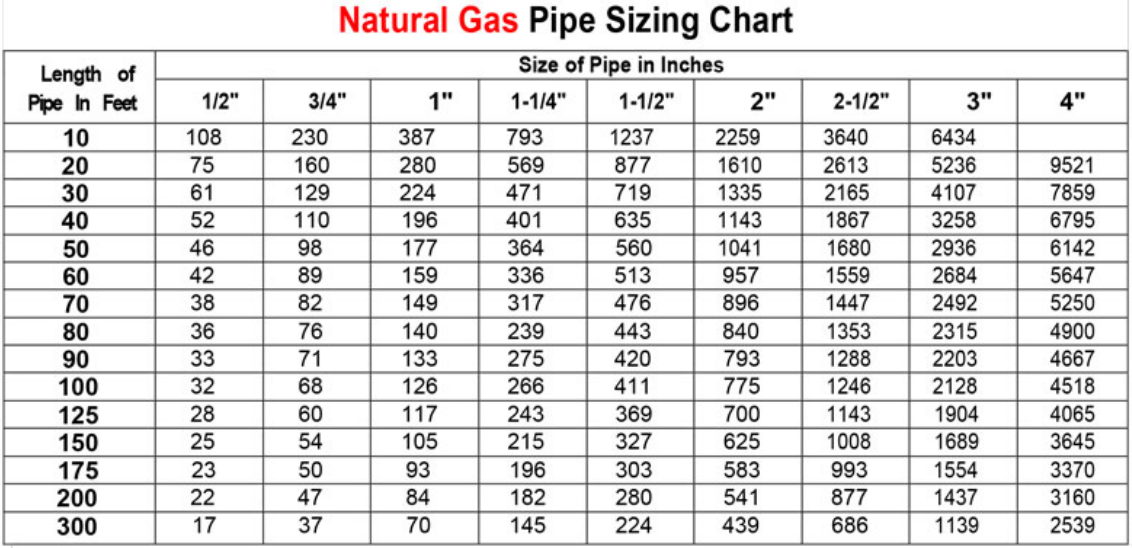
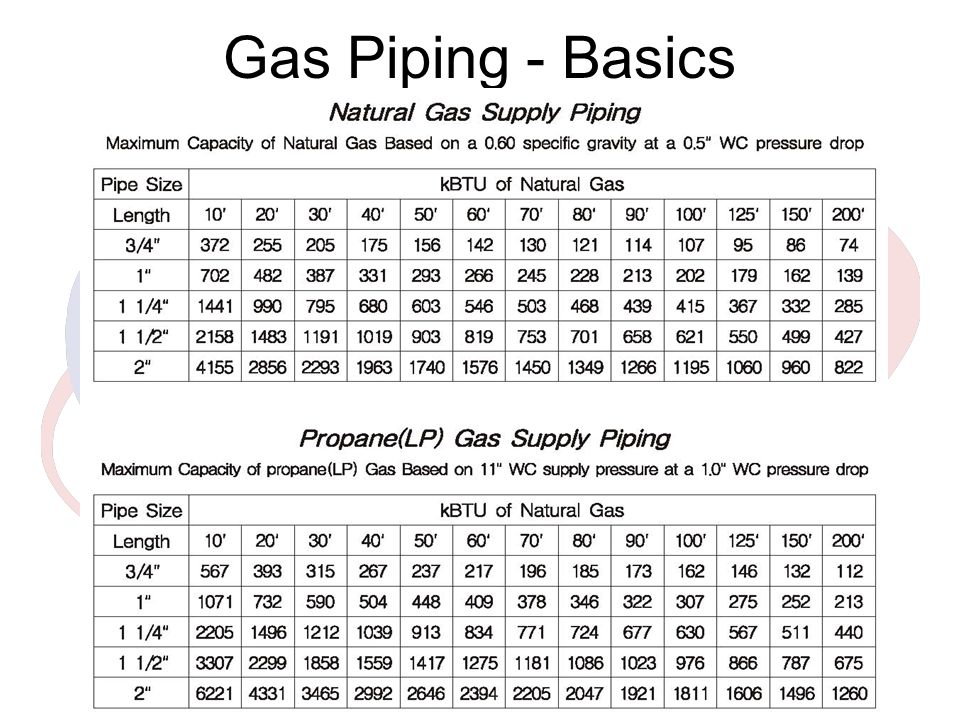
Step 4: Consulting the Btu 2 Psi Gas Pipe Sizing Chart
Now, with your total BTU load and gas pressure determined, you can consult a Btu 2 Psi Gas Pipe Sizing Chart to verify if your gas pipe is adequately sized.
- Find a Reliable Chart: These charts are readily available online or in plumbing and HVAC manuals. Ensure the chart you use is specific to the type of gas you use (natural gas or propane) and the gas pressure in your system.
- Understand the Chart Layout: The chart typically lists pipe sizes (in inches), maximum BTU capacity, gas pressure (PSI or inches WC), and pipe length (in feet).
- Determine the Longest Pipe Run: Measure the length of the longest gas pipe run from the meter to the farthest appliance. This is the critical length for sizing purposes.
- Compare with Chart Values: Locate the appropriate gas pressure and pipe length on the chart. Find the corresponding BTU capacity for your pipe size. If the BTU capacity listed on the chart is less than your total BTU load, your gas pipe is undersized.
- Example: Let's say you have a total BTU load of 150,000 BTU, your longest pipe run is 50 feet, and your gas pressure is 7 inches WC (0.25 PSI). You consult a Btu 2 Psi Gas Pipe Sizing Chart and find that a 1/2-inch pipe at 7 inches WC and 50 feet length can only handle 100,000 BTU. In this case, your 1/2-inch pipe is undersized and needs to be upgraded.
DIY Solutions You Can Try (With Caution!)
Before calling a professional, here are a few simple DIY actions you can take, assuming you are comfortable and the situation doesn't involve gas leaks or other hazardous conditions:
- Check and Clean Burners: A dirty burner can restrict gas flow and cause incomplete combustion. Carefully clean the burners on your gas stove or furnace with a wire brush or vacuum cleaner. Always turn off the gas supply before cleaning.
- Inspect and Clean Air Filters: A clogged air filter can restrict airflow to your furnace, causing it to overheat and shut down prematurely. Replace or clean your air filter regularly.
- Ensure Proper Venting: Make sure your gas appliances are properly vented to the outside. Blocked or damaged vents can cause carbon monoxide buildup and incomplete combustion. Check for obstructions in the vent pipes and ensure they are securely connected.
- Adjust Damper Settings (If Applicable): Some gas fireplaces have dampers that control airflow. Ensure the damper is fully open when the fireplace is in use.
When to Call a Professional HVAC Technician
There are several situations where it is essential to call a qualified HVAC technician. Do not attempt to fix these problems yourself.
- Gas Leaks: If you smell gas, evacuate the area immediately and call your gas company or a qualified professional.
- Flame Rollout: This is a serious safety hazard and requires immediate professional attention.
- Suspect Pipe Sizing Issues: If you suspect your gas pipe is undersized based on your calculations, do not attempt to modify the gas piping yourself. This requires specialized knowledge, tools, and permits.
- Adjusting Gas Pressure: Never attempt to adjust the gas pressure on your appliances or gas regulator unless you are a qualified professional with the proper tools and training.
- Complex Repairs: Any repairs involving gas lines, gas valves, or other critical components should be performed by a licensed HVAC technician.
- If You Are Unsure: If you are uncomfortable or unsure about any step of the troubleshooting process, call a professional. It’s always better to be safe than sorry.
Remember: Working with natural gas can be dangerous. Prioritize safety and never hesitate to seek professional help when needed. A properly sized gas pipe is essential for the safe and efficient operation of your gas appliances, ensuring your home stays warm and comfortable throughout the year.
By following these steps, you can gain a better understanding of your gas system and potentially identify issues that are affecting its performance. However, always remember your limits and prioritize safety above all else.


.jpg)