
Building Deck Around Air Conditioning Unit
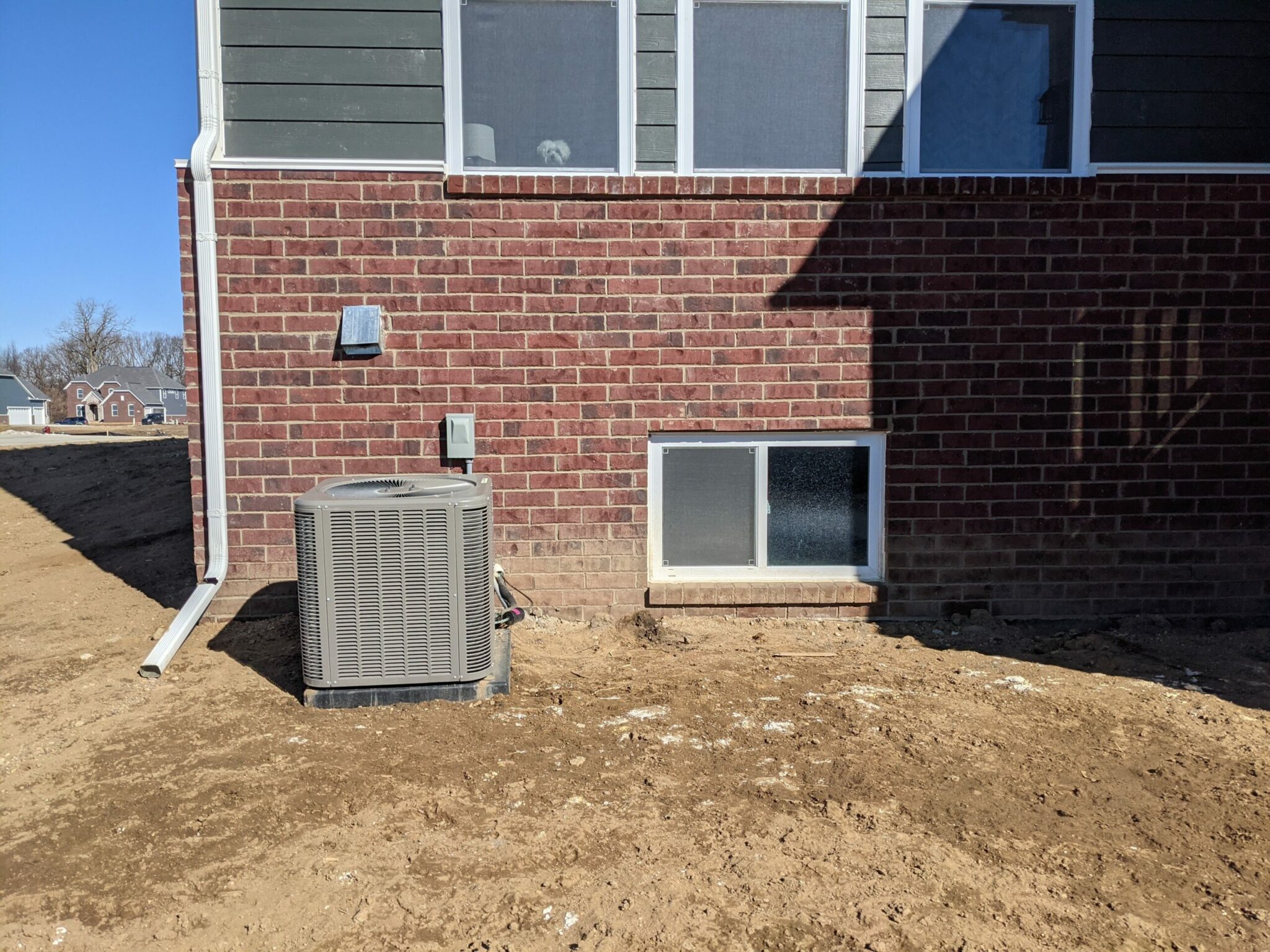
Is that hulking air conditioning unit in your backyard an eyesore? Many homeowners consider building a deck around their AC unit to improve aesthetics and reclaim valuable yard space. But before you grab your hammer and nails, understand that improper construction can significantly impact your unit’s efficiency, void warranties, and even lead to costly repairs. This article will explore the pros, cons, and crucial considerations for building a deck around your AC unit while maintaining energy efficiency and ensuring optimal performance.
Understanding the Risks and Rewards
The primary motivation for concealing an AC unit is often aesthetic improvement. A well-designed deck can transform a visually unappealing piece of equipment into an integrated part of your outdoor living space. However, failing to consider the operational requirements of your AC unit can negate any cosmetic benefits with performance and efficiency problems. Let's examine the potential benefits and drawbacks:
Potential Benefits:
- Aesthetic Improvement: Concealing the unit can enhance the overall look of your yard.
- Space Reclamation: A deck can create usable space around the unit.
- Noise Reduction (Potentially): While not guaranteed, a properly designed enclosure *might* slightly dampen noise.
Potential Risks:
- Reduced Airflow: Obstructing airflow hinders the unit’s ability to dissipate heat, leading to reduced efficiency and increased energy consumption.
- Overheating: Inadequate ventilation can cause the unit to overheat, potentially damaging internal components and shortening its lifespan.
- Increased Energy Costs: A less efficient unit consumes more electricity, resulting in higher energy bills.
- Voided Warranty: Many manufacturers require specific clearances around the unit. Obstructing these clearances can void your warranty. Always check your warranty documentation first.
- Difficult Maintenance: Enclosing the unit can make it difficult for technicians to access it for routine maintenance and repairs.
The Key to Success: Airflow, Airflow, Airflow
The most critical factor to consider when building a deck around your AC unit is airflow. Air conditioners work by drawing in air, cooling it, and then expelling the heated air. Obstructing this airflow forces the unit to work harder, decreasing efficiency and potentially leading to premature failure. According to the Energy Star program, inefficient AC operation can increase energy consumption by 10-25%. Therefore, designing your deck to maximize airflow is paramount.
Minimum Clearance Requirements:
Consult your AC unit's manufacturer specifications for precise clearance requirements. These specifications are usually found in the owner's manual or online. However, as a general guideline, consider these minimum clearances:
- Top: At least 36 inches of clearance above the unit.
- Sides: At least 12-24 inches of clearance on all sides. Some manufacturers may specify even greater clearances, especially on the side where the fan discharges air.
- Front (Service Access): At least 36 inches of unobstructed access for maintenance.
Design Strategies for Maximizing Airflow:
- Lattice or Open Slatted Design: Use lattice or widely spaced slats instead of solid panels for the sides of the deck. This allows for adequate ventilation while still providing visual screening.
- Elevated Decking: Elevate the decking surface around the unit to allow for airflow underneath.
- Strategic Placement of Openings: Incorporate large openings in the deck design to facilitate airflow. Consider placing openings on multiple sides of the unit to ensure cross-ventilation.
- Fan Direction: Always ensure that the deck design does not impede the fan's ability to exhaust air freely. If necessary, adjust the deck design to direct airflow away from any obstructions.
Materials Matter: Choosing the Right Building Materials
The materials you choose for your deck can also impact your AC unit's performance. Dark-colored materials absorb more heat, potentially increasing the ambient temperature around the unit. Consider these material options:
- Light-Colored Wood: Light-colored wood reflects more sunlight, helping to keep the area around the unit cooler.
- Composite Decking: Composite decking is durable and low-maintenance. Choose a light-colored option with good ventilation properties.
- Metal: While metal can be durable, it can also conduct heat. If using metal, ensure it is properly ventilated to prevent overheating.
Avoid using materials that trap heat or obstruct airflow, such as solid panels or dense vegetation planted too close to the unit.
Smart HVAC Integration: Monitoring and Optimization
Integrating your HVAC system with smart home technology can help you monitor and optimize its performance, even with a deck built around it. Smart thermostats and sensors can provide valuable data on temperature, humidity, and airflow, allowing you to identify potential issues and make adjustments as needed. For example:
- Smart Thermostats: These thermostats can track energy usage, learn your heating and cooling preferences, and automatically adjust settings to optimize efficiency. Some models even alert you to potential problems, such as reduced airflow.
- Temperature Sensors: Place temperature sensors near the AC unit to monitor the ambient temperature. If the temperature rises above a certain threshold, you can receive an alert and take corrective action, such as adjusting the deck's ventilation.
- Airflow Sensors: These sensors can measure the airflow around the unit. If the airflow drops below a certain level, you can investigate the cause and make adjustments to the deck design or landscaping.
By leveraging smart HVAC technology, you can proactively monitor your unit's performance and ensure it is operating efficiently, even with a deck built around it.
Professional Installation and Maintenance
While building a deck around your AC unit may seem like a DIY project, it's often best to consult with a qualified HVAC contractor or a professional deck builder. They can assess your specific situation, provide expert advice on design and construction, and ensure that the deck meets all applicable codes and regulations. Regular maintenance is also essential to ensure optimal performance. This includes:
- Cleaning the Unit: Regularly clean the unit to remove dirt, debris, and vegetation that can obstruct airflow.
- Inspecting the Deck: Inspect the deck for any signs of damage or deterioration that could compromise its structural integrity or airflow.
- Professional Maintenance: Schedule regular professional maintenance to ensure the unit is operating efficiently and to identify any potential problems early on.
Energy Savings and Rebates: Making It Worth the Investment
While building a deck around your AC unit may seem like an expense, it can actually lead to long-term energy savings if done correctly. By maintaining optimal airflow and preventing overheating, you can reduce your energy consumption and lower your utility bills. Furthermore, many utility companies and government agencies offer rebates and incentives for energy-efficient HVAC upgrades. Check with your local utility company and the DSIRE (Database of State Incentives for Renewables & Efficiency) website to see what rebates and incentives are available in your area.
For example, installing a smart thermostat may qualify you for a rebate, while upgrading to a more energy-efficient AC unit could provide even greater savings and incentives.
Conclusion: Balancing Aesthetics and Efficiency
Building a deck around your air conditioning unit can be a worthwhile project, but it's crucial to prioritize airflow and efficiency. By following the guidelines outlined in this article, you can create a visually appealing outdoor space while ensuring that your AC unit operates optimally and doesn't drain your wallet with inflated energy bills. Remember to consult with professionals, choose the right materials, and leverage smart HVAC technology to maximize your investment and enjoy the benefits of a comfortable and energy-efficient home.
Key Takeaway: Proper planning, design, and maintenance are essential for successfully building a deck around your AC unit without compromising its performance or efficiency. Prioritize airflow, choose appropriate materials, and consider integrating smart HVAC technology to optimize energy savings and prevent costly repairs.


