Can A Clogged Drain Line Cause Ac To Freeze
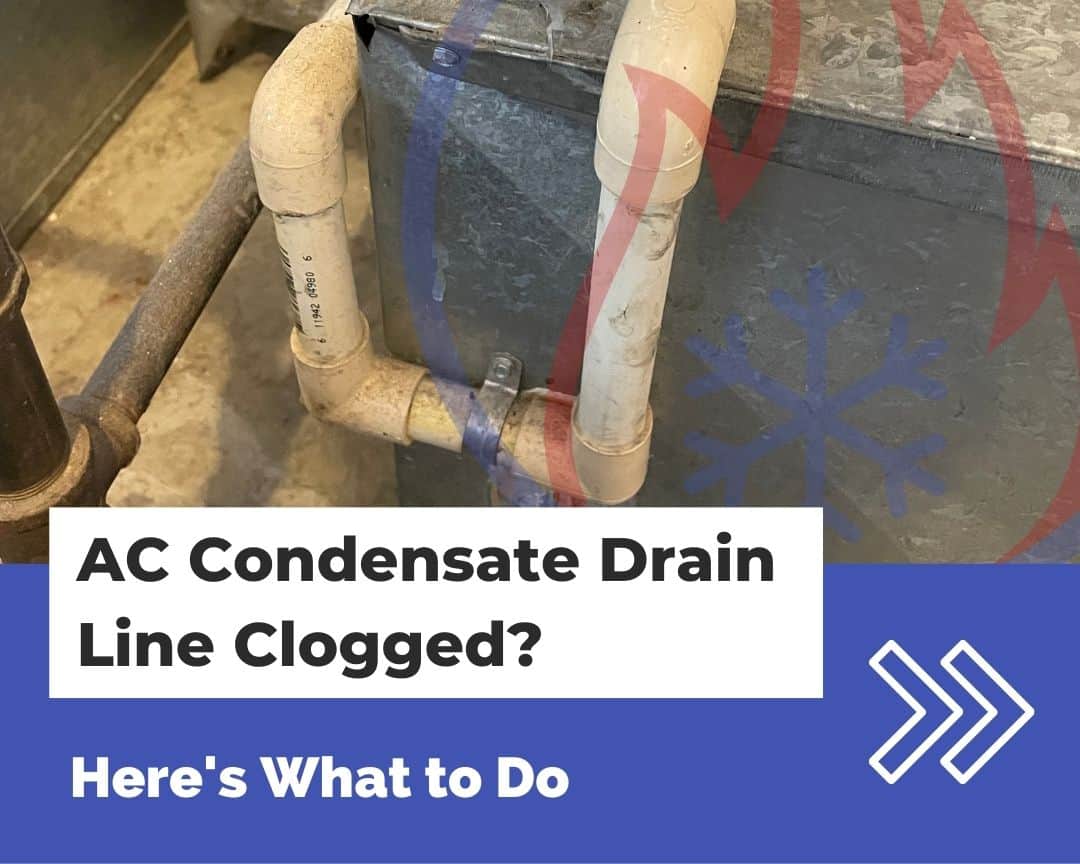
Air conditioners are lifesavers during scorching summer months, but even the most reliable units can experience problems. One common issue that homeowners face is a frozen AC unit. While there can be several causes, a clogged drain line is a frequent culprit. Let's explore how this happens, what to look for, and how to tackle this problem effectively.
Understanding Your AC's Drain Line
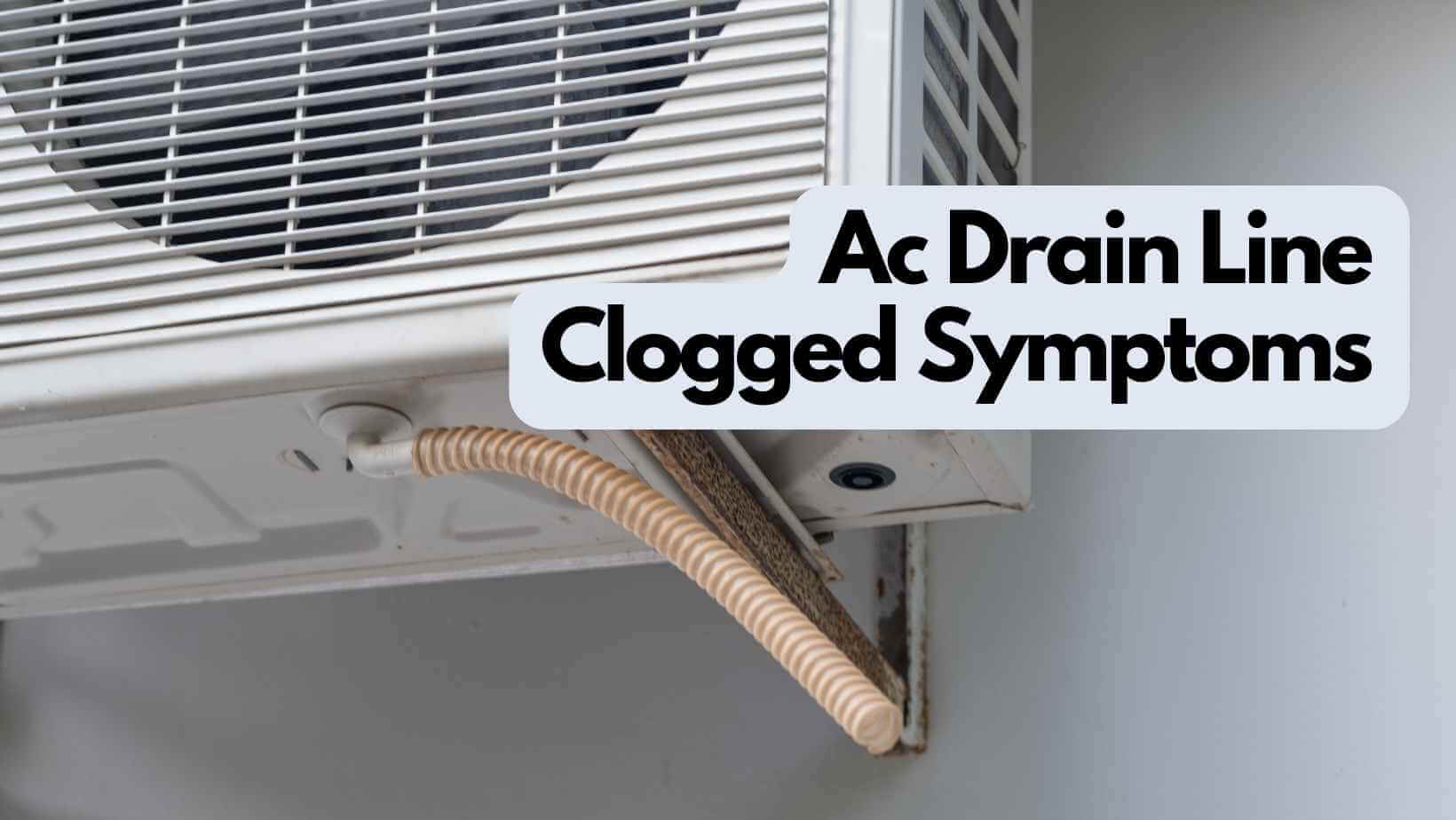
First, let’s quickly cover the fundamentals. During the cooling process, your AC unit pulls moisture from the air. This moisture condenses on the evaporator coil (the cold part inside your indoor unit) and drips into a drain pan. From there, it flows through the drain line to the outside or into a designated drain. If this line becomes clogged, it can cause significant problems.
How a Clogged Drain Line Leads to a Frozen AC
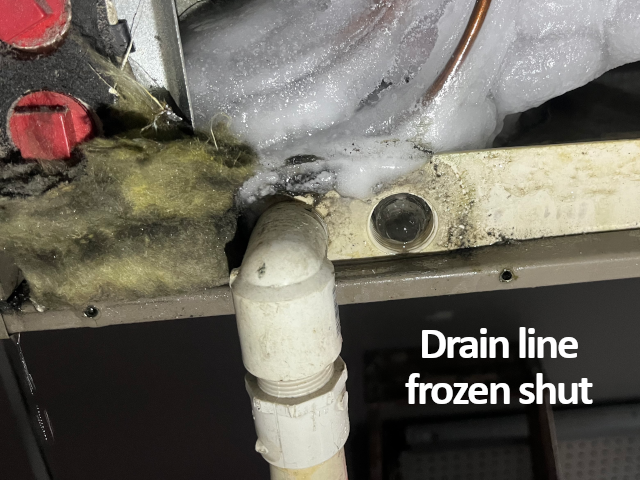
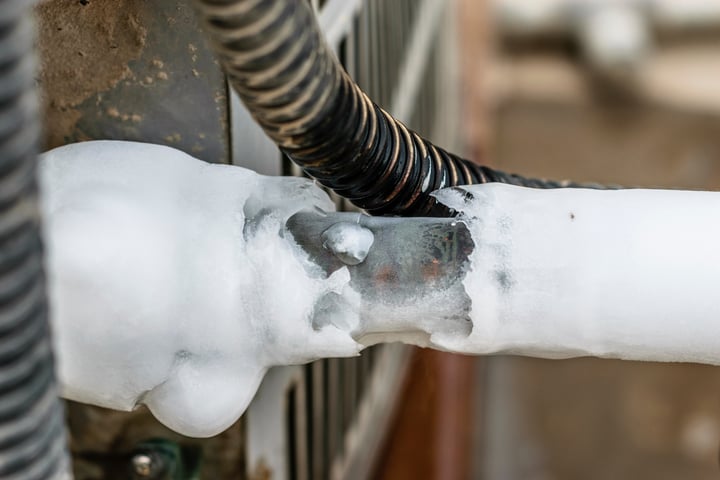
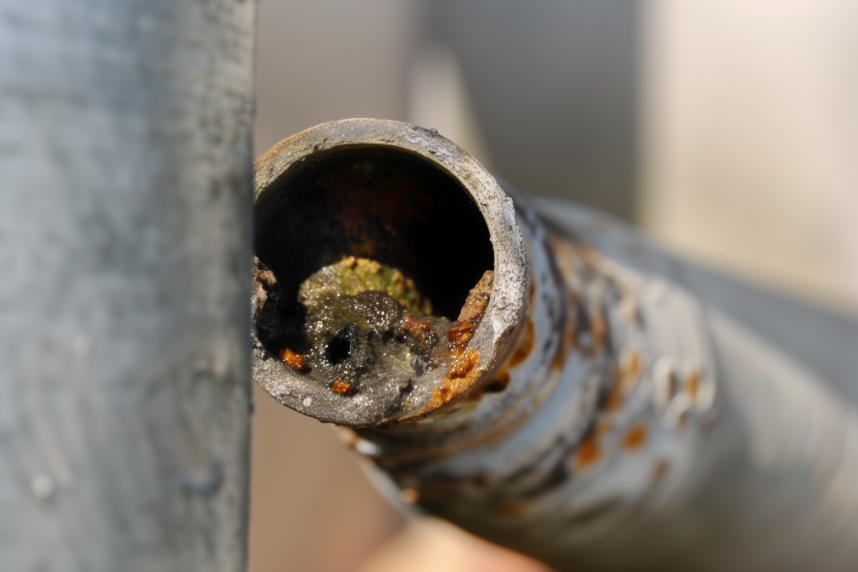
A clogged drain line causes water to back up into the drain pan. When the pan fills, the water can eventually reach the evaporator coil. Because the coil is extremely cold, the backed-up water can freeze onto it. This ice restricts airflow across the coil, making the problem even worse. Restricted airflow reduces the AC's ability to cool, which in turn causes the unit to run longer and harder, exacerbating the freezing cycle. It's a vicious loop that can eventually damage your compressor or other vital components.
Signs of a Clogged AC Drain Line
Catching a clogged drain line early can prevent a full-blown freeze-up. Here are some telltale signs:
- Water Leaking Near Your Indoor Unit: This is often the most obvious sign. If you see water pooling around your furnace or air handler, investigate immediately.
- Musty Odor: Stagnant water in the drain pan can breed mold and mildew, leading to a musty smell emanating from your vents.
- AC Unit Not Cooling Properly: If your AC is running but not effectively cooling your home, a frozen coil could be the reason.
- Visible Ice on the Evaporator Coil: If you can access your evaporator coil (often behind a panel on your indoor unit), look for ice buildup. Caution: Only do this if you are comfortable and familiar with your equipment. Turn off the power to the unit first.
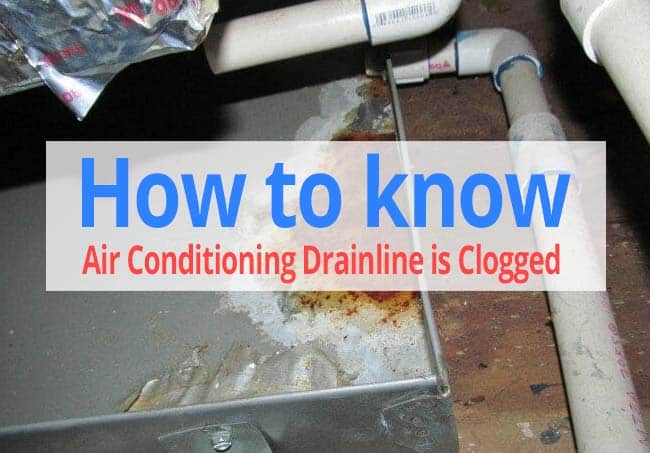
- Full or Overflowing Drain Pan: Check the drain pan for standing water. If it's full or overflowing, it's a clear indication of a blockage.
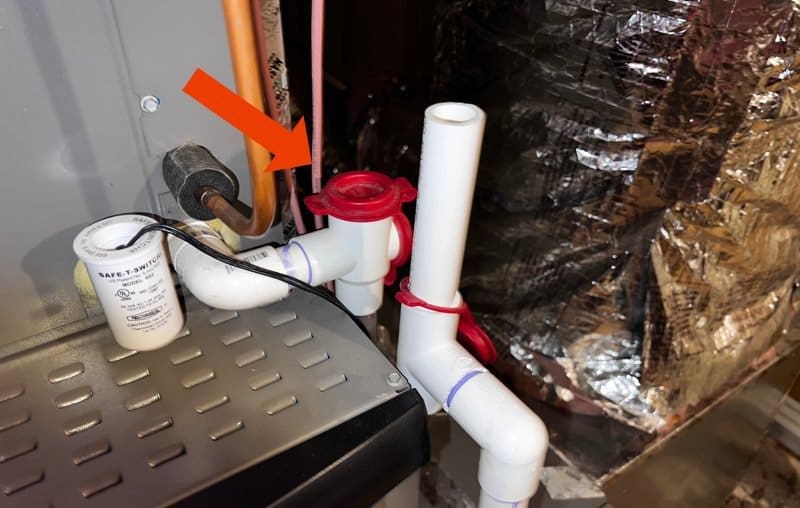
- AC Unit Shutting Off Prematurely: Some units have a safety switch that will shut off the AC if the drain pan overflows.
DIY Steps to Clear a Clogged AC Drain Line
If you suspect a clogged drain line, here are some steps you can take to try and clear it yourself. Always turn off the power to your AC unit at the breaker before attempting any repairs.
Tools and Materials You'll Need:
- Wet/Dry Vacuum
- Stiff Wire Brush or Pipe Cleaner
- Vinegar or Bleach (use cautiously)
- Plumbing Snake (optional)
- Gloves
- Safety Glasses
Step-by-Step Instructions:
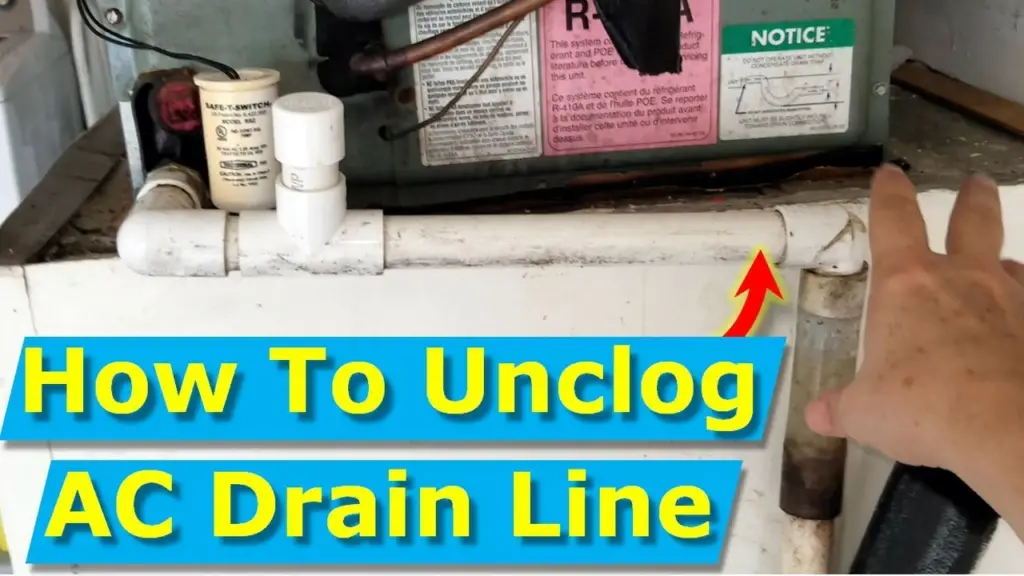
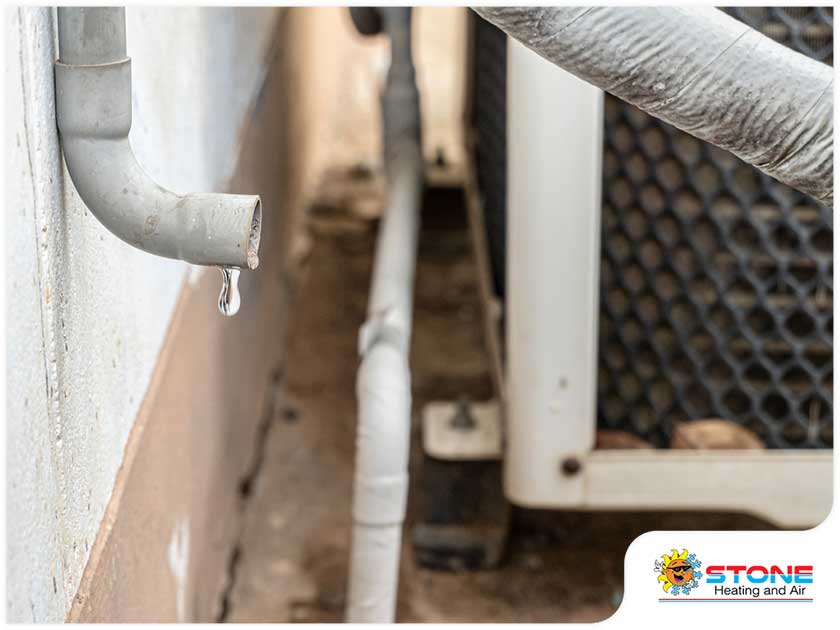
- Locate the Drain Line: The drain line is typically a PVC pipe that exits the indoor unit and runs outside or to a drain.
- Inspect the Drain Line Opening: Check the opening of the drain line for any visible debris, such as leaves, dirt, or algae. Clear away any obstructions.
- Use a Wet/Dry Vacuum: Attach the vacuum hose to the end of the drain line outside your house. Seal the connection as best as possible with your hand or duct tape. Turn on the vacuum for several minutes to try and suck out the clog.
- Flush with Vinegar or Bleach (Use with Caution): If vacuuming doesn't work, try flushing the drain line with vinegar or bleach. Vinegar is a safer, more environmentally friendly option. Bleach can be effective, but be careful not to spill it on yourself or your surroundings. Never mix bleach and vinegar. Pour about a cup of vinegar or diluted bleach (1 part bleach to 10 parts water) into the drain line opening. Let it sit for 30 minutes to an hour to dissolve the clog. Then, flush with water.
- Use a Plumbing Snake: If the clog persists, a plumbing snake can help break it up. Carefully insert the snake into the drain line and rotate it to break up the blockage. Be gentle to avoid damaging the pipe.
- Clean the Drain Pan: While you're at it, clean the drain pan to remove any debris or standing water. You can use a wet/dry vacuum to suck out the water and wipe the pan clean with a bleach solution (again, use cautiously).
- Reassemble and Test: Once you've cleared the clog and cleaned the drain pan, reassemble any parts you removed. Turn the power back on to your AC unit and monitor its performance.
Preventing Future Drain Line Clogs
Prevention is key to avoiding clogged drain lines and frozen AC units. Here are some tips:
- Regular Flushing: Pour a cup of vinegar into the drain line every month to prevent algae and mold growth.
- Regular Inspection: Periodically check the drain line opening for debris and clear it away.
- Professional Maintenance: Schedule regular AC maintenance with a qualified HVAC technician. They can clean the drain line and other components to keep your system running smoothly.
- Install a Drain Line Cap: A drain line cap can prevent debris from entering the line from the outside.
When to Call a Professional
While clearing a clogged drain line is often a DIY-able task, there are times when it's best to call a professional HVAC technician. Here are some scenarios:
- You've tried all the DIY methods and the clog persists.
- You suspect there's a more serious problem, such as a frozen coil or a refrigerant leak.
- You're not comfortable working with electrical components or plumbing.
- You notice signs of significant damage to your AC unit.
Estimated Repair Costs
The cost to repair a clogged AC drain line can vary depending on the severity of the clog and whether you hire a professional. Here's a general estimate:
- DIY: The cost of DIY repair is typically minimal, involving the purchase of a few inexpensive tools like a plumbing snake (around $10-$20) or a bottle of vinegar.
- Professional Cleaning: Hiring a professional to clear a clogged drain line typically costs between $75 and $200.
- Frozen Coil Repair: If the clogged drain line has caused the coil to freeze, the repair cost could be higher, ranging from $200 to $600, depending on the extent of the damage and whether refrigerant needs to be added.
- Compressor Damage: In severe cases, a clogged drain line can lead to compressor damage, which is a costly repair that can range from $800 to $2,500 or more. In some cases, it may be more cost-effective to replace the entire AC unit.
These are just estimates, and the actual cost may vary depending on your location and the specific HVAC company you hire.
Conclusion
A clogged AC drain line is a common problem that can lead to a frozen AC unit and potentially costly repairs. By understanding the causes, recognizing the symptoms, and taking proactive steps to prevent clogs, you can keep your AC running smoothly and efficiently. Remember, when in doubt, it's always best to consult with a qualified HVAC professional to ensure the job is done safely and correctly.
This information is intended for general guidance only. Always consult with a qualified HVAC professional for specific advice and recommendations regarding your AC system. Improper repairs can be dangerous and may void your warranty.