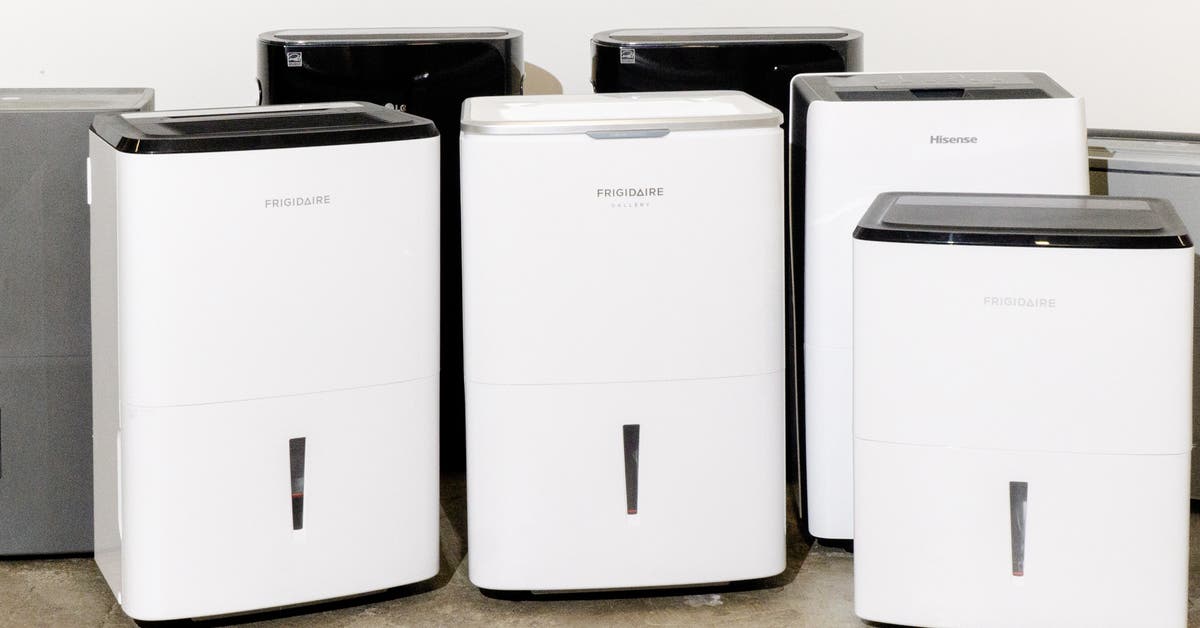
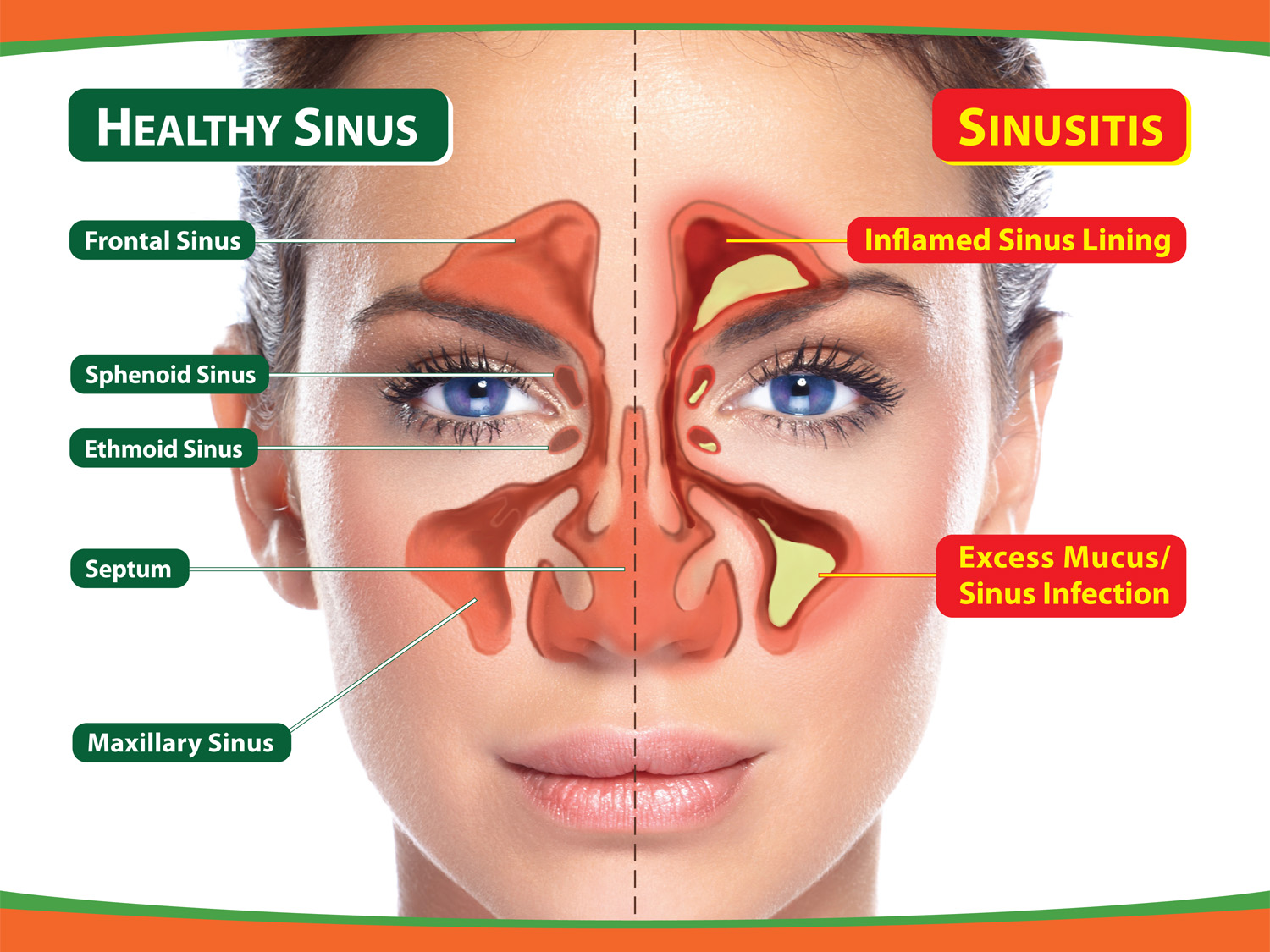
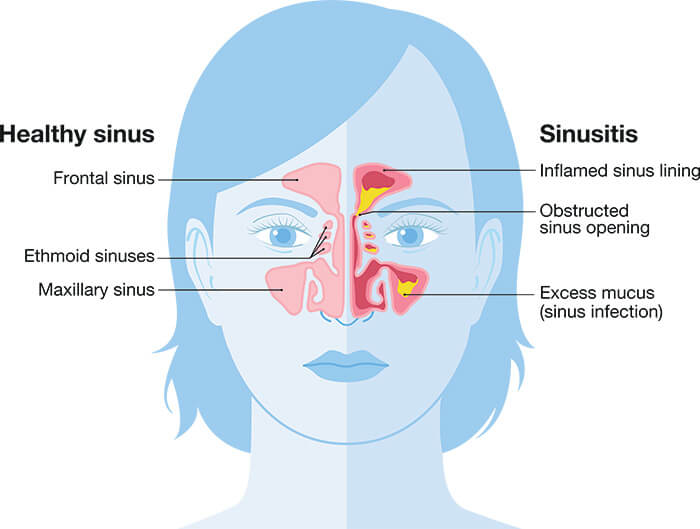
Can A Dehumidifier Cause Sinus Problems
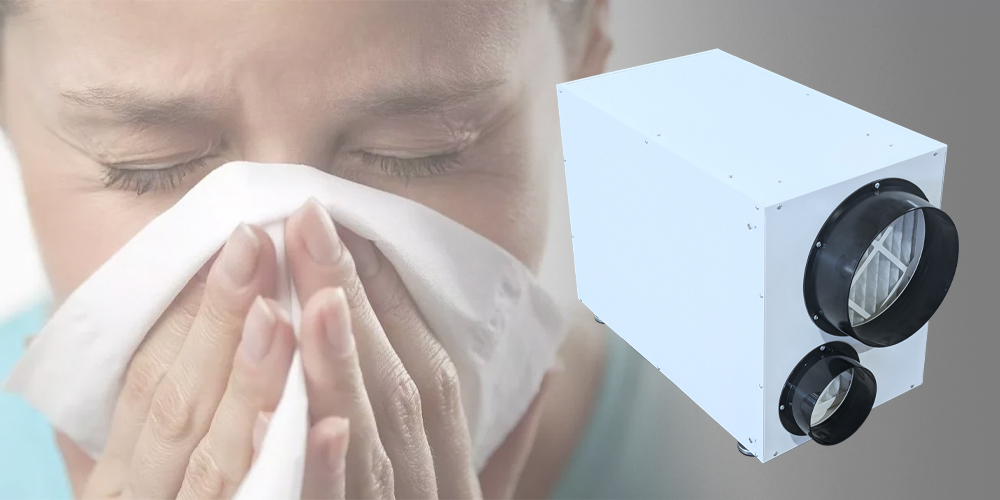
Dehumidifiers are great for controlling moisture and preventing mold growth, but can they actually cause sinus problems? This is a common concern, and understanding the potential links is important for maintaining both your home's health and your personal well-being. Here's a breakdown of frequently asked questions to help you navigate this topic.
Frequently Asked Questions: Dehumidifiers and Sinus Problems
Question 1: Can a dehumidifier directly cause a sinus infection or sinusitis?
The short answer is: no, a dehumidifier itself doesn't directly cause sinus infections. Sinus infections are typically caused by viruses, bacteria, or fungi infecting the sinus cavities. However, a dehumidifier can indirectly contribute to conditions that might make you more susceptible to sinus issues. This usually happens when the humidity is reduced to a level that is too low.
Question 2: How can a dehumidifier indirectly contribute to sinus problems?
Here are several ways a dehumidifier might indirectly affect your sinuses:
- Excessive Drying: Dehumidifiers remove moisture from the air. If used excessively, they can dry out the nasal passages, leading to irritation and inflammation. Dry nasal passages are less effective at trapping viruses, bacteria and other irritants, potentially increasing your risk of infection.
- Dust and Allergen Circulation: A dehumidifier’s fan can stir up dust, allergens (like pollen and pet dander), and mold spores that are already present in your home. If you're sensitive to these particles, breathing them in can irritate your sinuses and trigger allergic reactions or inflammation that mimics sinus problems.
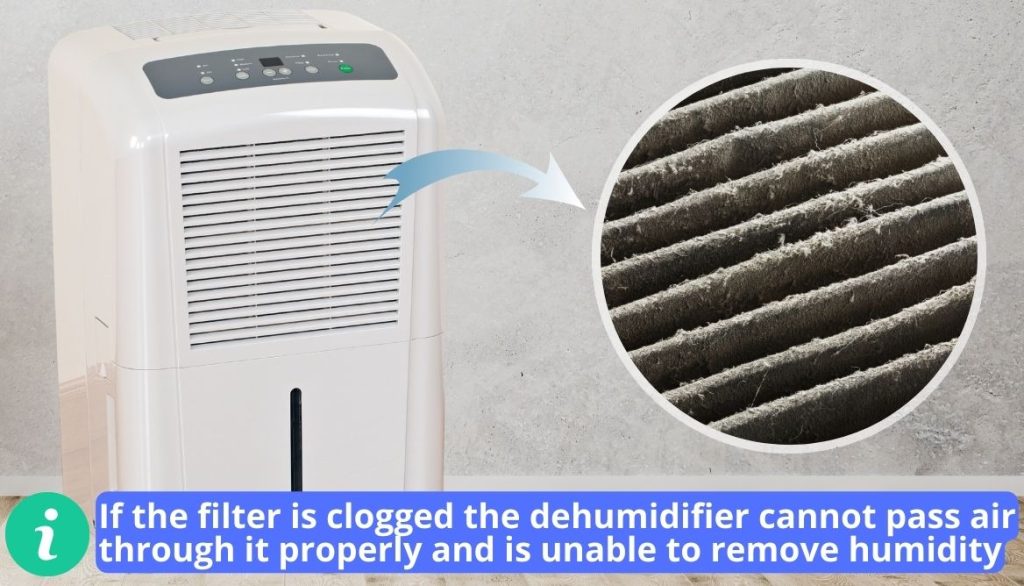
- Improper Maintenance: If your dehumidifier isn't cleaned regularly, it can become a breeding ground for mold and bacteria. These contaminants can then be dispersed into the air, exacerbating sinus problems or even triggering new ones.
- Underlying Conditions: A dehumidifier might worsen existing sinus conditions, such as allergic rhinitis or chronic sinusitis, by further drying out the nasal passages and making them more vulnerable to irritants.
Essentially, a dehumidifier doesn’t cause the infection itself, but it can create an environment that makes your sinuses more vulnerable to irritation and infection. Maintaining a healthy humidity level is key.
Question 3: What is the ideal humidity level for preventing sinus issues?
The generally recommended relative humidity level for indoor environments is between 30% and 50%. Maintaining this range helps prevent the growth of mold and dust mites (which thrive in high humidity) while also preventing excessive dryness that can irritate your sinuses and respiratory system.
You can use a hygrometer (a device that measures humidity) to monitor the humidity level in your home. Most dehumidifiers have a built-in hygrometer and allow you to set a target humidity level.
Question 4: How can I prevent a dehumidifier from causing sinus problems?
Here are several key steps to minimize the risk of a dehumidifier contributing to sinus issues:
- Monitor Humidity Levels: Regularly check the humidity level in your home with a hygrometer and adjust the dehumidifier settings accordingly. Aim for the 30-50% range.
- Properly Size Your Dehumidifier: Use a dehumidifier that is appropriately sized for the square footage of the room or area you are trying to dehumidify. An oversized dehumidifier will dry the air too quickly.
- Regular Cleaning: Clean your dehumidifier regularly according to the manufacturer's instructions. This includes emptying the water tank frequently and cleaning the filter to prevent mold and bacteria growth. Some models also need cleaning of the coils.
- Air Filtration: Consider using an air purifier in conjunction with your dehumidifier to remove dust, allergens, and mold spores from the air. Look for an air purifier with a HEPA filter.
- Humidifier in Winter: When using a dehumidifier during winter months, especially in climates with naturally dry air, you may need to supplement with a humidifier in other areas of the home to prevent excessive dryness.
- Stay Hydrated: Drink plenty of water to keep your nasal passages and mucous membranes hydrated, especially when using a dehumidifier.
- Nasal Saline Spray: Consider using a nasal saline spray to help moisturize your nasal passages, especially if you experience dryness or irritation.
By following these steps, you can enjoy the benefits of a dehumidifier without compromising your sinus health.
Question 5: What are the signs that my dehumidifier is causing or worsening my sinus problems?
If you experience any of the following symptoms after using a dehumidifier, it might be contributing to your sinus issues:
- Nasal Dryness: Feeling like your nasal passages are dry, scratchy, or irritated.
- Nosebleeds: Dry nasal passages are more prone to bleeding.
- Sinus Congestion: Increased congestion or stuffiness in your sinuses.
- Sore Throat: Dry air can irritate your throat, leading to a sore throat.
- Headaches: Sinus pressure can cause headaches.
- Increased Allergy Symptoms: More frequent sneezing, runny nose, or itchy eyes.
- Worsening of Existing Sinus Conditions: If you already have sinusitis or allergic rhinitis, your symptoms may worsen.
If you notice any of these symptoms, try adjusting your dehumidifier settings, cleaning the unit, and increasing your fluid intake. If the symptoms persist or worsen, consult with a doctor or allergist.
Question 6: Should I use a dehumidifier if I have chronic sinusitis?
The decision to use a dehumidifier if you have chronic sinusitis is a bit nuanced and depends on your specific circumstances. In general, a dehumidifier can be beneficial if high humidity is contributing to your sinus problems by promoting mold growth or dust mite proliferation.
However, it's crucial to use it cautiously and monitor your symptoms closely. As mentioned earlier, excessive dryness can exacerbate sinusitis symptoms. The key is to maintain a humidity level between 30% and 50% and prioritize regular cleaning and maintenance of the unit.
Before using a dehumidifier, it's best to discuss it with your doctor or ENT specialist. They can assess your individual needs and provide personalized recommendations based on your specific condition and environment. They might also suggest alternative or complementary treatments for managing your sinusitis.
Question 7: Are there specific types of dehumidifiers that are better for people prone to sinus problems?
While the type of dehumidifier isn't the most critical factor, some features can make a difference:
- Dehumidifiers with Humidistats: These allow you to set a specific humidity level, preventing over-drying. This is the most important feature for sinus health.
- Dehumidifiers with Air Filters: Some dehumidifiers include basic air filters that can help remove some dust and allergens from the air. While they don't replace a dedicated air purifier, they can be a helpful addition. Look for models with washable filters.
- Easy-to-Clean Designs: Choose a dehumidifier that is easy to disassemble and clean. This will help prevent mold and bacteria growth.
- Low-Noise Models: Since you might be using the dehumidifier while you sleep, consider a model that operates quietly.
Ultimately, the most important factor is how you use the dehumidifier. Regardless of the type you choose, monitoring humidity levels, regular cleaning, and staying hydrated are crucial for preventing sinus problems.
Disclaimer: This information is intended for general knowledge and informational purposes only, and does not constitute medical advice. It is essential to consult with a qualified healthcare professional for any health concerns or before making any decisions related to your health or treatment.