Can Electric Water Heaters Be Installed Outside
Can You Install an Electric Water Heater Outside? Understanding the Considerations
So, you're thinking about installing your electric water heater outside? Maybe you're short on indoor space, or perhaps you're trying to optimize your home's layout. It's a common question, and the answer isn't a simple yes or no. Let's break down the factors to consider, covering the pros, cons, code requirements, and safety precautions.
Initial Considerations: Why Are You Thinking of an Outdoor Installation?
Before we dive into the technical details, it's important to understand *why* you want to move your water heater outdoors. Common reasons include:
- Space Saving: Reclaiming valuable square footage inside your home.
- Accessibility: Easier access for maintenance and repairs (potentially).
- Aesthetic Concerns: Hiding an unsightly appliance.
Knowing your reasons will help you weigh the benefits against the potential drawbacks.
The Short Answer: It's Complicated
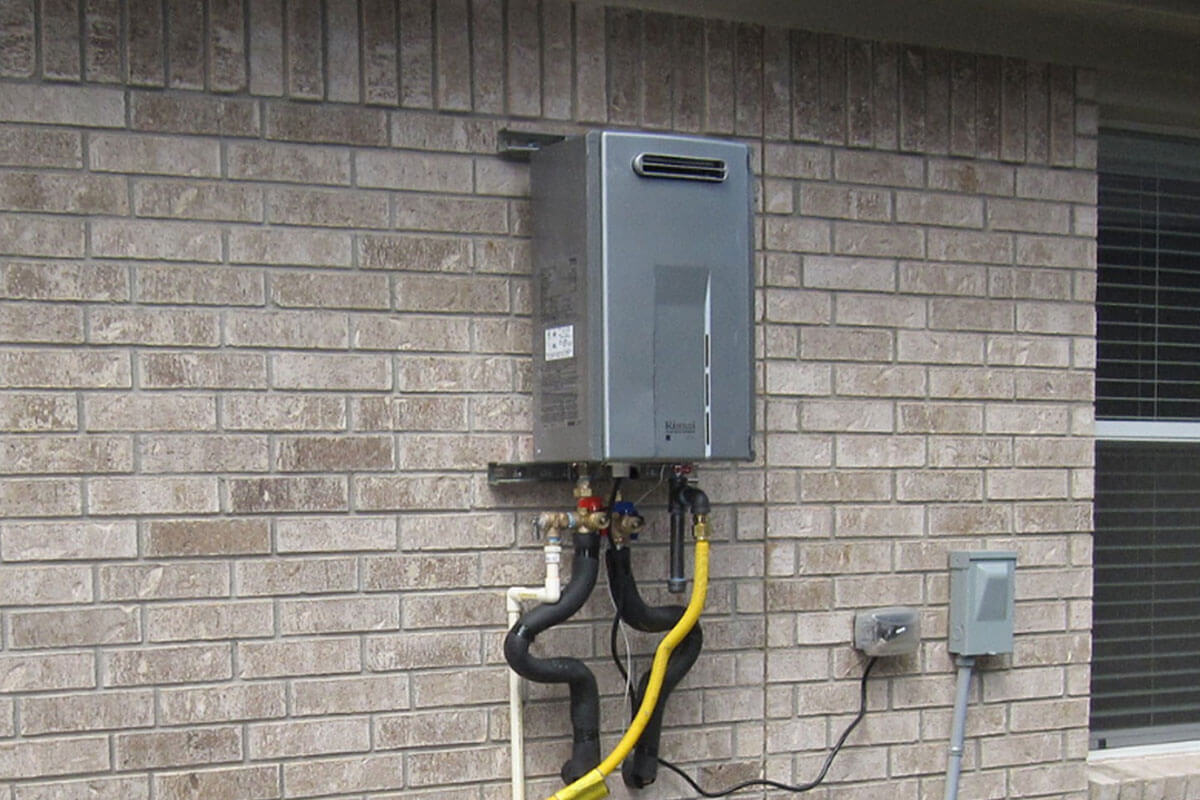
While electric water heaters don't have the venting requirements of gas models, installing them outdoors is still far from straightforward. The primary challenge is protection from the elements. Electric water heaters are simply not designed to withstand constant exposure to rain, snow, extreme temperatures, and UV radiation. Without proper protection, you're looking at premature failure and potential safety hazards.
Key Factors to Consider:
- Climate: Your local climate is the biggest determining factor. Harsh winters and scorching summers pose significant challenges.
- Enclosure: You must provide a weather-resistant enclosure. A simple tarp won't cut it.
- Electrical Codes: Local electrical codes may have specific requirements for outdoor electrical installations, including grounding, weatherproofing, and disconnect switches.
- Warranty: Outdoor installation might void your water heater's warranty. Check the manufacturer's documentation carefully.
- Freezing Temperatures: The risk of freezing is a major concern. Frozen water expands, potentially bursting the tank and pipes.
Building an Outdoor Water Heater Enclosure
If you're determined to proceed with an outdoor installation, a robust enclosure is non-negotiable. Here's what to consider:
Enclosure Requirements:
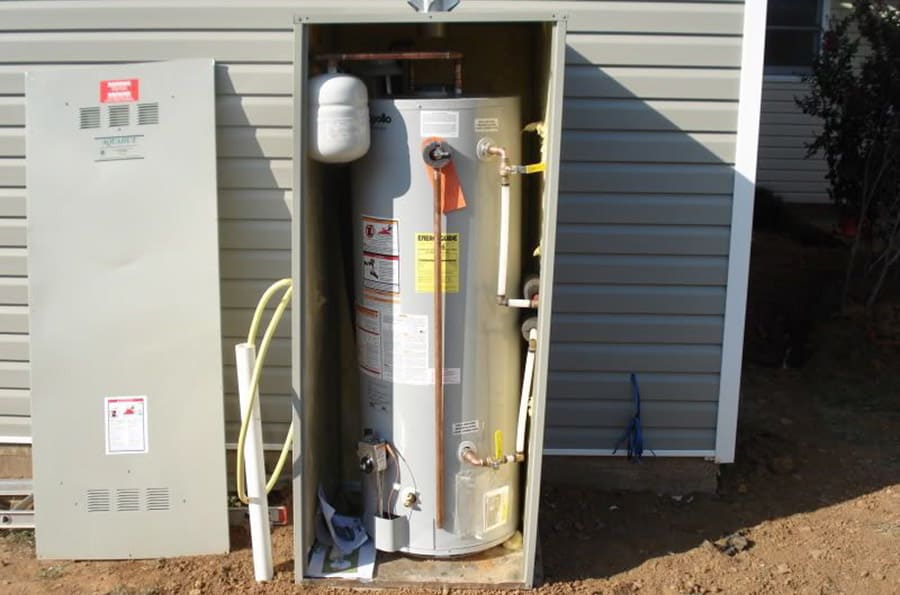
- Weatherproofing: The enclosure must be completely weatherproof, protecting the water heater from rain, snow, wind, and sun. Consider using materials like treated lumber, metal siding, or durable plastic.
- Insulation: Adequate insulation is crucial, especially in colder climates, to prevent freezing. Use rigid foam insulation with a high R-value.
- Ventilation: While not as critical as with gas heaters, some ventilation is still important to prevent condensation buildup. Consider adding screened vents to the enclosure.
- Drainage: Ensure proper drainage to prevent water from pooling inside the enclosure.
- Accessibility: Design the enclosure so you can easily access the water heater for maintenance, repairs, and inspection.
- Size: The enclosure needs to be large enough to accommodate the water heater with adequate space for servicing.
Safety First: Electrical Considerations
Working with electricity is dangerous. If you're not comfortable with electrical work, call a licensed electrician. Here are some crucial safety points:
- Disconnect Power: Always disconnect the power to the water heater at the breaker box before doing any work.
- Grounding: Ensure the water heater and enclosure are properly grounded according to local electrical codes.
- Weatherproof Connections: Use weatherproof electrical boxes, conduit, and fittings for all outdoor electrical connections.
- GFCI Protection: Use a Ground Fault Circuit Interrupter (GFCI) outlet for added safety.
- Disconnect Switch: Install a readily accessible disconnect switch near the water heater for emergency shutoff.
Preventing Freezing: A Critical Consideration
Freezing is the biggest threat to an outdoor water heater. Here are several strategies to combat it:
- Insulation: As mentioned earlier, insulate the water heater and all exposed pipes thoroughly.
- Heat Tape: Use heat tape on pipes to prevent them from freezing. Make sure the heat tape is designed for outdoor use and is thermostatically controlled.
- Circulation: Consider installing a circulating pump to keep water moving through the pipes, even when hot water isn't being used.
- Drip During Freezes: On extremely cold nights, let a faucet drip slightly to keep water moving through the pipes.
- Emergency Shut-Off: Know where your main water shut-off valve is located in case of a burst pipe.
Potential Problems and Solutions
Even with careful planning, outdoor water heater installations can present challenges. Here are some common problems and how to address them:
- Condensation: Excessive condensation inside the enclosure can lead to corrosion and electrical problems. Improve ventilation and ensure proper insulation.
- Frozen Pipes: Despite precautions, pipes can still freeze during severe cold snaps. Use heat tape and consider improving insulation.
- Corrosion: Exposure to the elements can accelerate corrosion. Use corrosion-resistant materials for the enclosure and inspect the water heater regularly.
- Electrical Issues: Moisture can cause electrical shorts and other problems. Ensure all electrical connections are weatherproofed and use GFCI protection.
- Tank Failure: Premature tank failure can occur due to temperature fluctuations and corrosion. Choose a high-quality water heater and maintain it properly.
DIY vs. Professional Installation: Knowing Your Limits
While some aspects of an outdoor water heater installation, like building the enclosure, might seem DIY-friendly, other tasks, such as electrical work and plumbing connections, are best left to professionals. Improper installation can be dangerous and costly.
When to Call a Professional:
- Electrical Work: Any electrical wiring or modifications.
- Plumbing Connections: Connecting the water heater to the water supply lines.
- Gas Line Connections (if converting): Absolutely required for safety and code compliance.
- Permitting: Navigating local building codes and obtaining the necessary permits.
- Uncertainty: If you're unsure about any aspect of the installation.
Estimating the Cost
The cost of installing an electric water heater outdoors can vary widely depending on the complexity of the installation, the materials used for the enclosure, and the labor costs in your area. Here's a rough estimate:
- Water Heater: $300 - $800 (depending on size and features)
- Enclosure Materials: $200 - $500 (depending on size and materials)
- Electrical Work: $100 - $500 (depending on complexity)
- Plumbing Work: $100 - $300 (depending on complexity)
- Permits: $50 - $200 (depending on location)
- Professional Labor: $500 - $1500 (depending on the scope of work)
Total Estimated Cost: $1250 - $3300+
These are just estimates. Get quotes from multiple qualified contractors before making a decision.
Is It Worth It? Weighing the Pros and Cons
Ultimately, the decision of whether or not to install an electric water heater outdoors depends on your individual circumstances. Carefully weigh the pros and cons, considering your climate, budget, DIY skills, and local codes. In many cases, it may be more practical and cost-effective to explore alternative indoor solutions or upgrade your existing indoor setup.
Pros:
- Space Saving
- Potentially Easier Access for Maintenance
Cons:
- Exposure to the Elements
- Risk of Freezing
- Potential Code Violations
- Warranty Issues
- Higher Installation Costs
- Increased Maintenance Requirements
Alternatives to Outdoor Installation
Before committing to an outdoor installation, consider these alternatives:
- Tankless Water Heater: Tankless water heaters are much smaller than traditional tank heaters and can be installed in tight spaces.
- Strategic Indoor Placement: Explore different locations within your home, such as a utility closet, basement, or attic.
- Smaller Tank Size: If you don't need a large tank, consider downsizing to a smaller model.
Final Thoughts
Installing an electric water heater outside is possible, but it's not a simple undertaking. It requires careful planning, a robust enclosure, and strict adherence to safety precautions and local codes. It's crucial to honestly assess your DIY skills and know when to call in the professionals. If you're unsure about any aspect of the installation, err on the side of caution and consult with a qualified HVAC technician or electrician. Your safety and the longevity of your water heater depend on it.