Can I Replace A 45/5 Capacitor With A 50/5
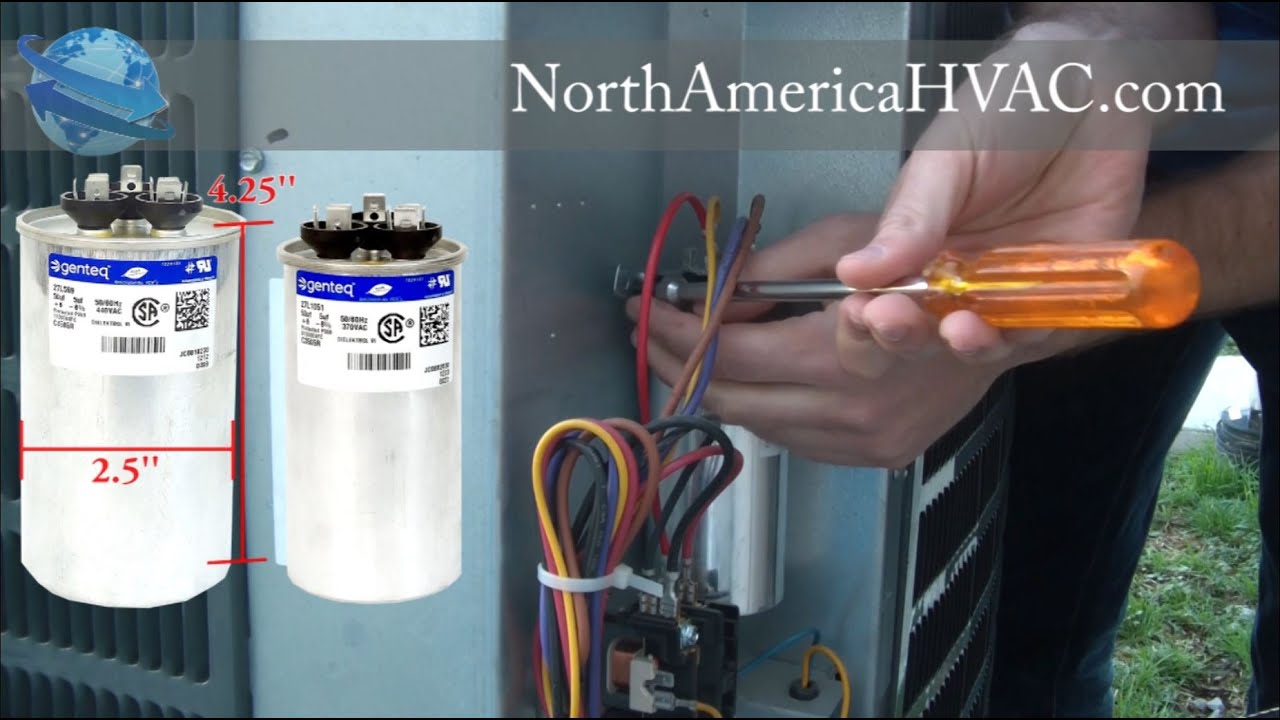
Saving money on your energy bill is a goal for every homeowner and business. When HVAC systems malfunction, understanding replacement parts is crucial. One common question is about capacitor compatibility: "Can I replace a 45/5 capacitor with a 50/5?" The short answer is: potentially, but it requires careful consideration. This article will delve into the details, helping you make an informed decision that maximizes energy efficiency, minimizes costs, and avoids potential damage to your HVAC system.
Understanding HVAC Capacitors: The Heart of Your System
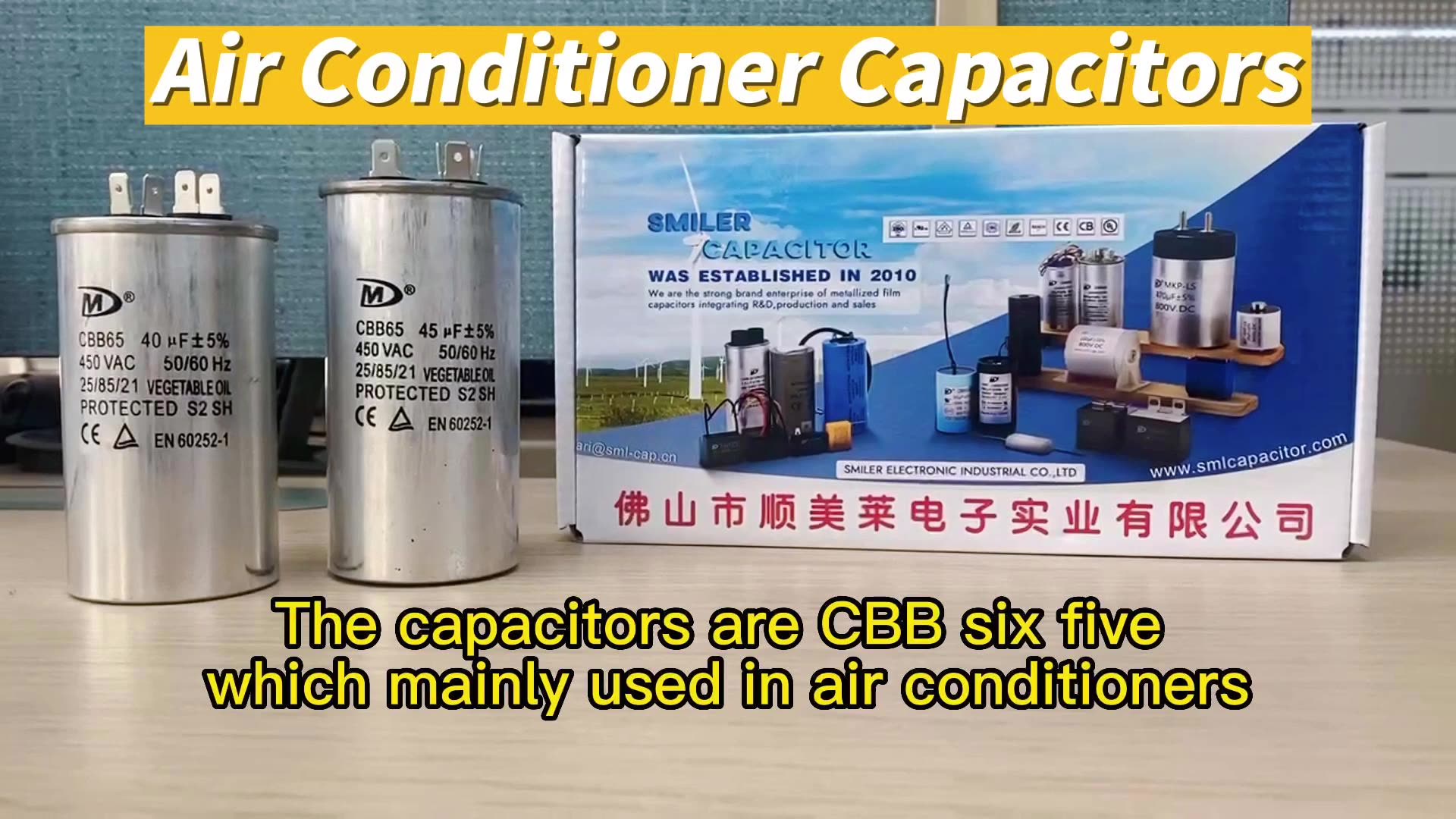
Capacitors are essential components in your air conditioner and heat pump. They are essentially electrical storage devices that provide the initial jolt of energy needed to start motors, such as the compressor motor and the fan motor. Without a properly functioning capacitor, these motors can struggle to start, leading to increased energy consumption and potential motor failure.
HVAC capacitors come in various sizes, measured in microfarads (µF), often abbreviated as MFD. The two numbers on a capacitor, like 45/5 or 50/5, represent the capacitance values for different circuits within the system. In this example, the 45 refers to the compressor fan motor and the 5 refers to the fan motor. The first number is significantly larger because the compressor motor requires much more energy to start.
There are generally two types of capacitors:
- Run Capacitors: These capacitors provide a continuous boost of energy while the motor is running, improving efficiency and reducing strain on the motor.
- Start Capacitors: These capacitors provide a high surge of energy only for a brief period during motor startup and then disengage from the circuit.
Most residential HVAC systems use dual run capacitors, which combine the functions of running both the compressor and the fan motor.
45/5 vs. 50/5: What’s the Difference?
The numbers 45/5 and 50/5 represent the capacitance rating of the capacitor in microfarads (µF). A 45/5 capacitor has a 45µF rating for one circuit (typically the compressor) and a 5µF rating for the other (typically the fan). Similarly, a 50/5 capacitor has a 50µF rating for one circuit and a 5µF rating for the other.
The key difference lies in the 5µF difference in the larger rating. This difference, while seemingly small, can impact motor performance. Using a capacitor with a significantly different rating than specified can lead to:
- Reduced Motor Lifespan: An incorrect capacitor can cause the motor to overheat, reducing its lifespan.
- Inefficient Operation: The motor might not run at its optimal speed, increasing energy consumption.
- Potential Damage: In extreme cases, an incorrect capacitor can cause permanent damage to the motor.
When Can You Use a 50/5 Capacitor Instead of a 45/5?
In some specific circumstances, you might be able to use a 50/5 capacitor in place of a 45/5. However, this requires careful evaluation and should ideally be done by a qualified HVAC technician.
Here are the scenarios where it might be acceptable:
- Motor Nameplate Tolerance: Check the motor's nameplate for the acceptable capacitance range. Some motors are designed to operate within a tolerance range, and a 50µF capacitor might fall within that range. However, even within the range, closer adherence to the original specification is generally preferred.
- Emergency Situation: If your 45/5 capacitor fails and you need to get your system running temporarily, a 50/5 capacitor might work as a short-term solution. However, it's crucial to replace it with the correct capacitor as soon as possible. Prolonged use with the incorrect capacitor can damage your system.
Important Considerations:
- Voltage Rating: Ensure the voltage rating of the replacement capacitor (50/5) is equal to or greater than the original (45/5). Using a capacitor with a lower voltage rating is dangerous and can lead to failure and potential safety hazards.
- Temperature Rating: Similarly, check the temperature rating. Using a lower temperature rated capacitor can shorten the life of the component due to excess heat.
Why Sticking to the Correct Capacitor is Crucial for Energy Efficiency
Using the correct capacitor is not just about preventing motor damage; it's also about maximizing energy efficiency and minimizing your energy bills. Here's why:
- Optimal Motor Performance: A properly sized capacitor ensures the motor runs at its designed speed and efficiency. An undersized or oversized capacitor can cause the motor to work harder, consuming more energy.
- Reduced Strain on the System: When the motor starts efficiently, it puts less strain on the entire HVAC system. This reduces the risk of breakdowns and extends the lifespan of other components, leading to lower repair costs in the long run.
- Lower Energy Bills: A more efficient system translates directly to lower energy bills. Over time, the savings can be significant, especially during peak cooling or heating seasons.
Smart HVAC Integration and Energy Savings
Upgrading to a smart HVAC system with a smart thermostat, sensors, and intelligent controls can further enhance energy efficiency. Here's how:
- Smart Thermostats: Smart thermostats learn your heating and cooling preferences and automatically adjust the temperature based on your schedule and occupancy. They can also be controlled remotely via a smartphone app, allowing you to adjust the temperature even when you're away from home. This ensures that your system is only running when needed, saving energy and money. Look for Energy Star certified smart thermostats for guaranteed energy savings.
- Zone Control Systems: These systems allow you to control the temperature in different areas of your home independently. This is particularly useful for homes with multiple levels or rooms that have different heating and cooling needs. By only heating or cooling the areas you're using, you can significantly reduce energy waste.
- Sensors: Integrating sensors provides real-time data on room temperature, humidity, and occupancy. This data can be used to optimize the performance of your HVAC system and ensure that it's operating at peak efficiency.
Finding Qualified HVAC Technicians and Rebates
When it comes to replacing capacitors or upgrading your HVAC system, it's always best to consult with a qualified HVAC technician. They can accurately diagnose the problem, recommend the appropriate solution, and ensure that the work is done safely and correctly.
Here are some tips for finding a reputable HVAC technician:
- Check for Certifications: Look for technicians who are certified by organizations like NATE (North American Technician Excellence) or HVAC Excellence. These certifications demonstrate that the technician has the knowledge and skills to perform HVAC work competently.
- Read Online Reviews: Check online reviews from previous customers to get an idea of the technician's reputation and quality of work.
- Get Multiple Quotes: Obtain quotes from several different technicians before making a decision. This will allow you to compare prices and services and choose the best option for your needs.
Don't forget to explore available rebates and incentives from your local utility company or government programs. Many utilities offer rebates for energy-efficient HVAC equipment and upgrades. These rebates can help offset the cost of new equipment and make energy-efficient upgrades more affordable. Check the Energy Star website for more resources on rebates.
Conclusion: Prioritize Safety and Efficiency
While replacing a 45/5 capacitor with a 50/5 might seem like a simple solution, it's crucial to understand the potential risks and benefits. In most cases, sticking to the original capacitor specification is the best way to ensure optimal motor performance, energy efficiency, and system longevity. When in doubt, consult with a qualified HVAC technician to get personalized advice and ensure that the work is done safely and correctly. By prioritizing safety and efficiency, you can enjoy a comfortable home environment while minimizing your energy bills and reducing your environmental impact.
Investing in energy-efficient HVAC solutions and smart home integration not only saves you money in the long run but also contributes to a more sustainable future. By making informed decisions about your HVAC system, you can create a comfortable, energy-efficient, and environmentally friendly home for years to come.