Can I Use Gas Thread Tape For Water

Choosing the right sealant for plumbing connections is crucial, not just for preventing leaks but also for ensuring the longevity and efficiency of your water and gas systems. A common question that arises, especially among DIY enthusiasts and even some seasoned HVAC professionals, is: Can I use gas thread tape for water lines? Let's delve into the properties of gas and water thread sealants and discuss the best practices for their applications, keeping energy efficiency and cost savings in mind.
Understanding Thread Sealants: PTFE Tape vs. Pipe Dope
Before answering the core question, it's vital to understand the two primary types of thread sealants commonly used in plumbing and HVAC systems: PTFE tape (also known as Teflon tape or plumber’s tape) and pipe dope (also known as pipe joint compound). Both aim to create a watertight or gastight seal between threaded pipe connections.
PTFE Tape: The Versatile Choice?
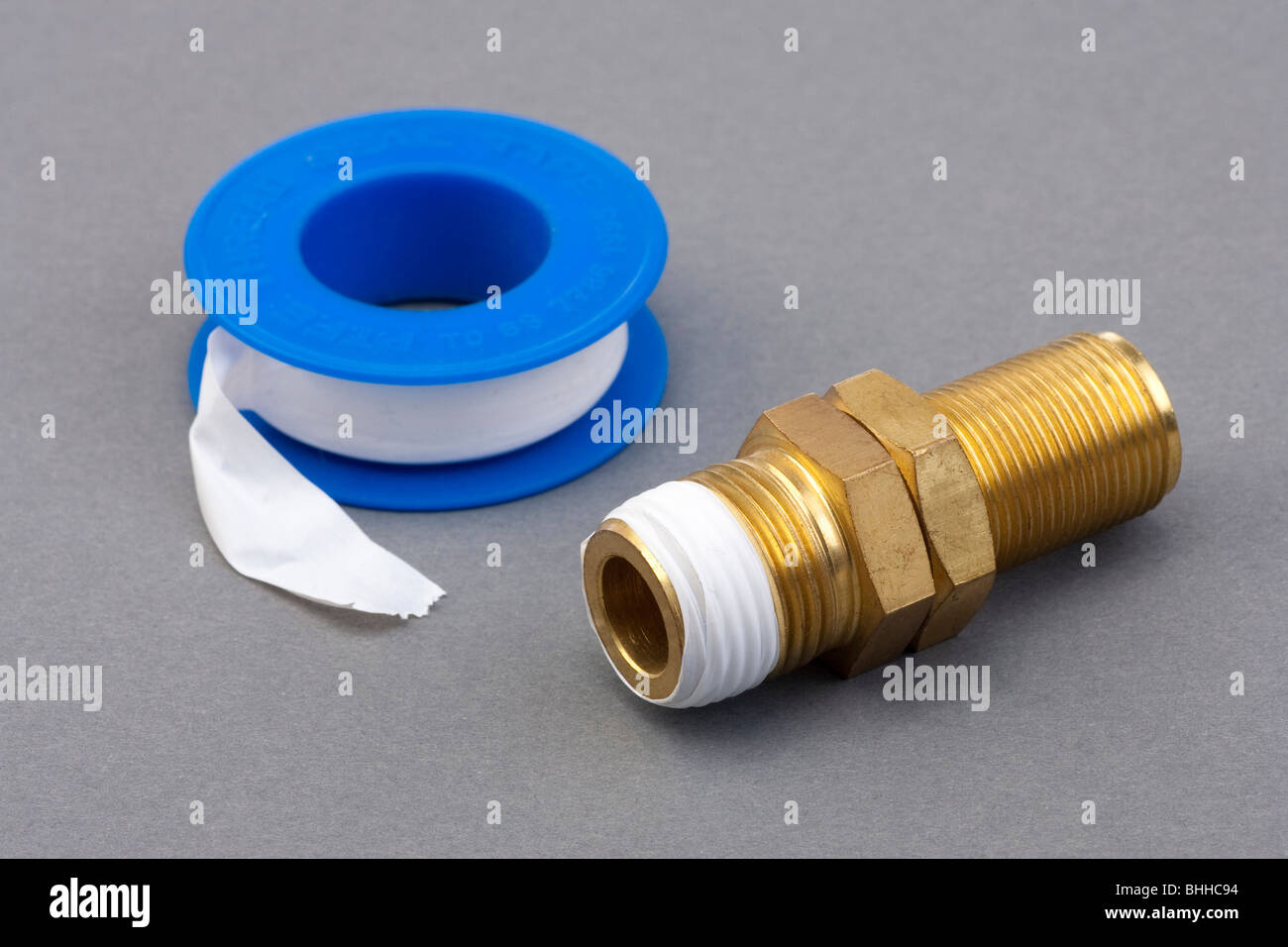
PTFE (Polytetrafluoroethylene) tape is a thin, non-adhesive film wrapped around the threads of a pipe before connecting it to another fitting. It's widely used because it's relatively inexpensive, easy to apply, and resistant to many chemicals. Different grades of PTFE tape exist, each suited for specific applications.
Gas-rated PTFE tape, typically yellow in color, is denser and thicker than standard white PTFE tape. This increased density makes it more resistant to the corrosive effects of propane, butane, and natural gas. It's designed to withstand the specific demands of gas lines, where even a minor leak can be extremely dangerous. Using gas-rated tape is code in many jurisdictions and a matter of safety. It is crucial to verify the requirements of your area and the manufacturer’s recommendations before making any connections.
Pipe Dope: A Brush-On Solution
Pipe dope is a thicker, paste-like sealant applied with a brush to the threads of a pipe. It fills the voids between the threads, creating a seal. Pipe dope formulations vary, with some designed for water lines and others for gas lines. Some are universally rated for both.
Can You Use Gas Thread Tape for Water Lines?
The short answer is yes, you can use gas-rated PTFE tape for water lines. Gas-rated tape is designed to withstand harsher conditions and is generally thicker and more durable than standard white PTFE tape. Because of these added properties, it provides a superior seal for water lines. Using a higher-grade tape than needed is not detrimental and can improve the reliability of the joint.
However, this doesn't mean all PTFE tape is created equal. The following points are essential:
- Material Compatibility: Ensure the tape is compatible with the pipe material (e.g., galvanized steel, copper, PVC).
- Pressure and Temperature Ratings: Confirm that the tape's pressure and temperature ratings meet or exceed the requirements of your water system.
- NSF Certification: Look for NSF (National Sanitation Foundation) certification, indicating that the tape is safe for use with potable (drinking) water.
What About Using Water-Rated Tape for Gas Lines?
Never use standard white PTFE tape or water-rated pipe dope for gas lines. This is a crucial safety precaution. Standard PTFE tape may not be dense enough to prevent gas leaks, and water-rated pipe dope may degrade in the presence of gas, leading to potentially hazardous situations. Using the wrong sealant can be a fire hazard and potentially lead to carbon monoxide poisoning.
Best Practices for Applying Thread Sealant
Regardless of the type of sealant you choose, proper application is crucial for a leak-free connection. Follow these steps:
- Clean the Threads: Use a wire brush to remove any dirt, rust, or debris from the male threads.
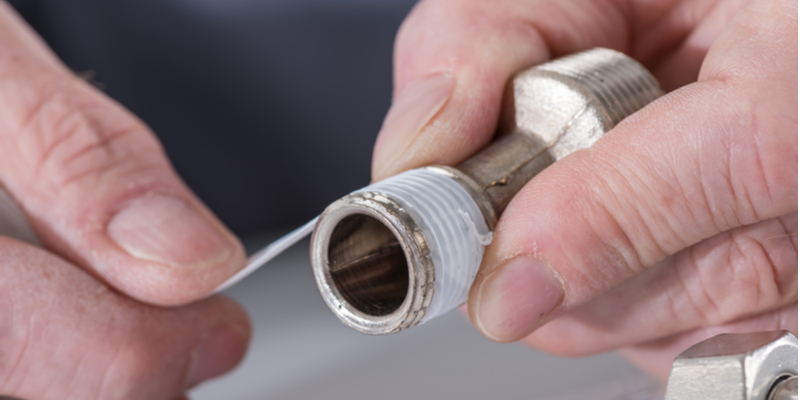
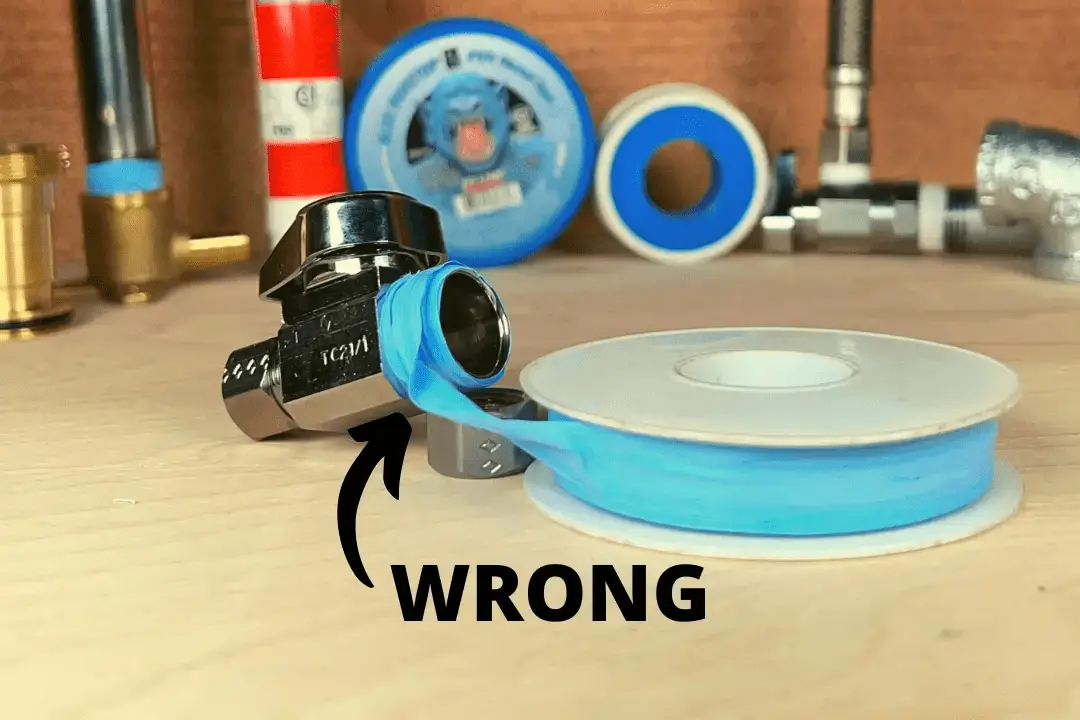
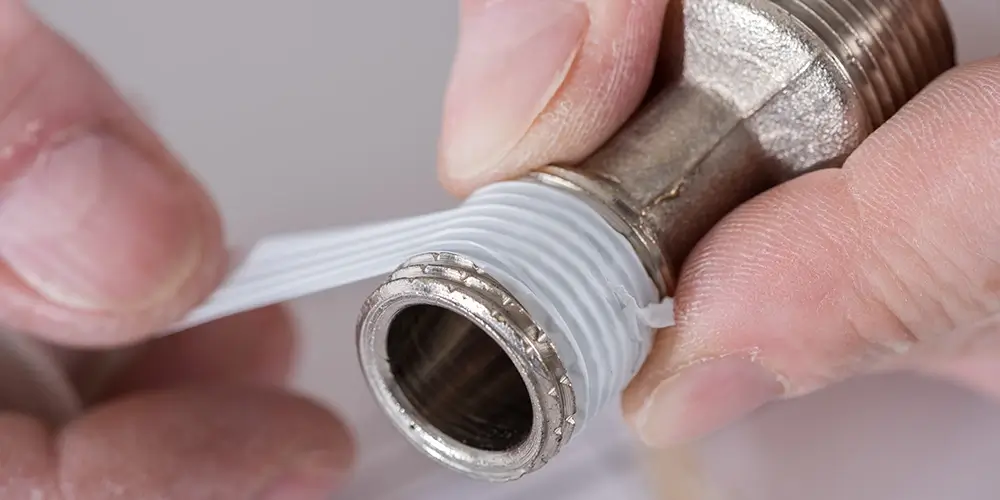
- Apply PTFE Tape: Wrap the tape around the male threads in the direction of the thread spiral (usually clockwise). Overlap each wrap slightly, and apply 2-3 layers of tape. Apply it tightly.
- Apply Pipe Dope (if using): Apply pipe dope evenly to the male threads, ensuring complete coverage.
- Assemble the Connection: Tighten the connection securely using the appropriate wrench. Avoid over-tightening, which can damage the threads or the fitting.
- Test for Leaks: After assembly, test the connection for leaks using a soap and water solution. Bubbles indicate a leak.
Energy Efficiency and Your Plumbing System
While the choice of thread sealant might seem like a minor detail, it plays a significant role in the overall efficiency of your plumbing system and, consequently, your energy bills. Leaky plumbing fixtures and pipes waste water, which can lead to higher water bills and increased energy consumption if you have a hot water recirculation system. Properly sealed connections prevent these leaks and contribute to a more efficient system. Older homes and businesses are especially vulnerable to unnoticed leaking pipes. Ensuring proper seals in all connections can lead to long-term water and energy savings.
Smart Home Integration and Water Leak Detection
Consider integrating smart home technology to enhance your plumbing system's efficiency and detect leaks early. Smart water leak detectors can be placed near pipes and fixtures to alert you to any signs of leaks, even small ones that might go unnoticed. Some smart thermostats can integrate with water leak detectors and automatically shut off the water supply in case of a major leak, preventing extensive water damage.
Smart water monitors track your water usage in real-time, allowing you to identify unusual patterns that might indicate a leak or inefficient water usage. These devices can provide valuable insights into your water consumption habits and help you make informed decisions about conservation.
Energy-Efficient HVAC and Plumbing Upgrades
When upgrading your HVAC or plumbing system, consider investing in energy-efficient components. High-efficiency water heaters, low-flow showerheads, and smart thermostats can significantly reduce your energy and water consumption, leading to long-term cost savings. Look for Energy Star-certified products, which meet strict energy efficiency guidelines set by the Environmental Protection Agency (EPA). Many states and utility companies offer rebates and incentives for installing Energy Star-certified appliances, further reducing your upfront costs. Consult with your local HVAC contractor about applicable programs in your area.
ROI and Long-Term Savings
Investing in quality materials and proper installation techniques might seem like a higher upfront cost, but it can lead to significant savings in the long run. Preventing leaks, reducing water waste, and improving the efficiency of your plumbing system can translate to lower utility bills and reduced maintenance costs. Calculate the ROI (Return on Investment) of energy-efficient upgrades by considering the initial cost, potential energy savings, and available rebates and incentives. Over time, these investments can pay for themselves and provide ongoing savings.
Working with HVAC Contractors
When working with an HVAC contractor, make sure they are licensed, insured, and experienced in energy-efficient installations. Ask about their certifications and training, and request references from previous clients. Discuss your energy efficiency goals and ask for recommendations on the best products and practices for your specific needs. A good contractor will be able to assess your system, identify areas for improvement, and provide a detailed proposal outlining the costs and benefits of different options. They will also be able to explain any available rebates or incentives and help you navigate the application process.
In conclusion, while you can use gas-rated thread tape for water lines, it's essential to understand the properties of different sealants and choose the right one for the specific application. Prioritize safety, follow best practices for installation, and consider integrating smart home technology and energy-efficient upgrades to maximize your savings and minimize your environmental impact.