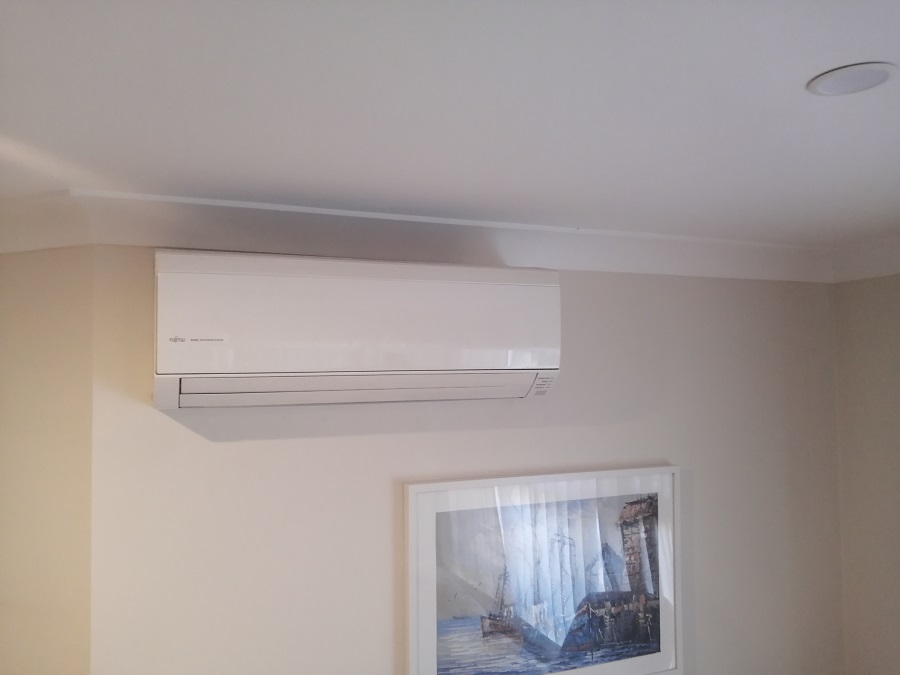
Can Mini Splits Be Installed On Interior Walls
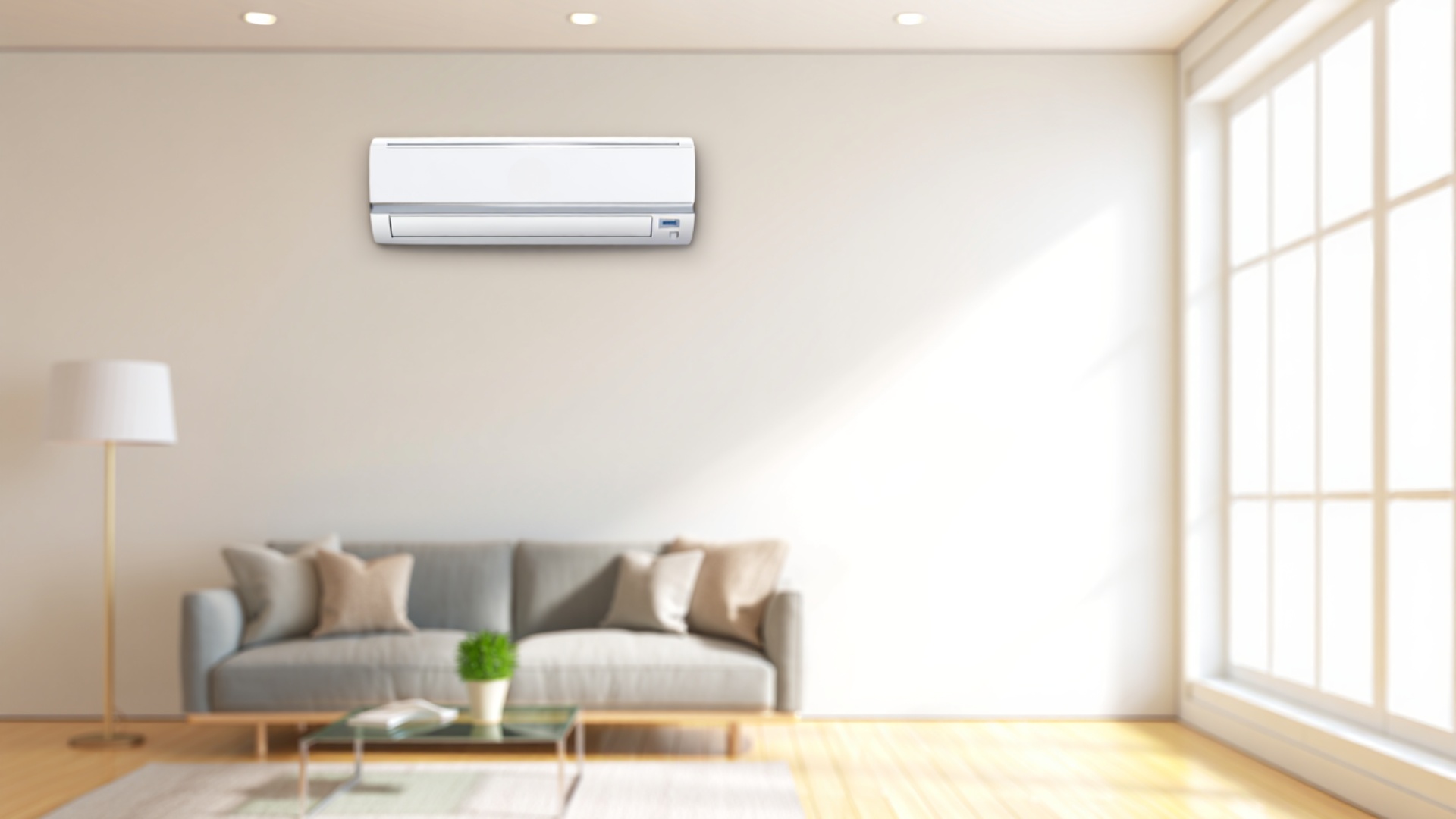
Can Mini Splits Be Installed On Interior Walls? Unlocking Flexible Home Comfort
Ductless mini-split systems are gaining popularity for their energy efficiency and zoning capabilities, offering targeted heating and cooling solutions. A frequent question arises during the decision-making process: "Can mini splits be installed on interior walls?" The answer is yes, with some important considerations. This comprehensive guide explores the possibilities, limitations, and best practices for installing mini splits on interior walls, helping you determine if this option suits your needs.
Understanding Mini-Split Systems
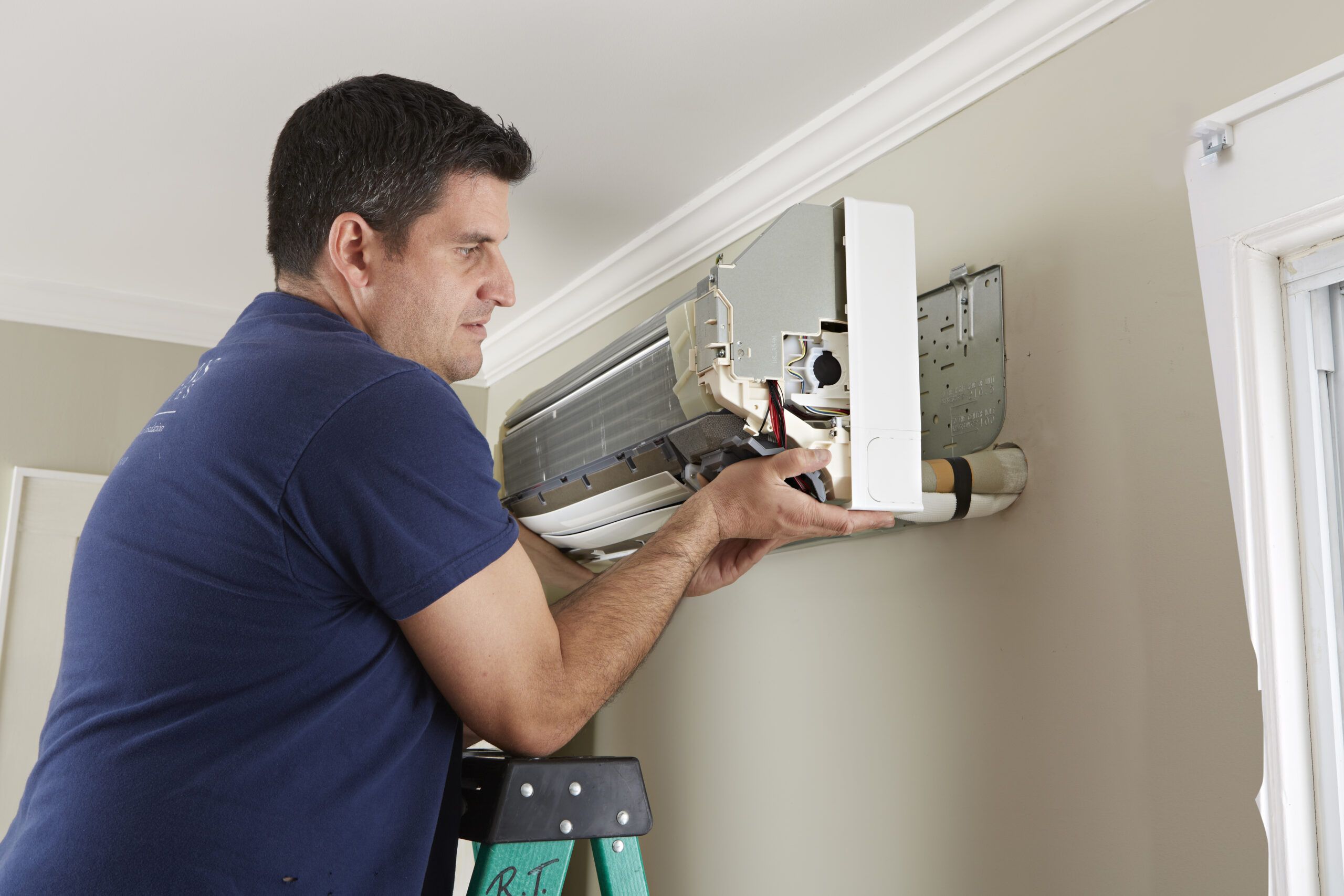
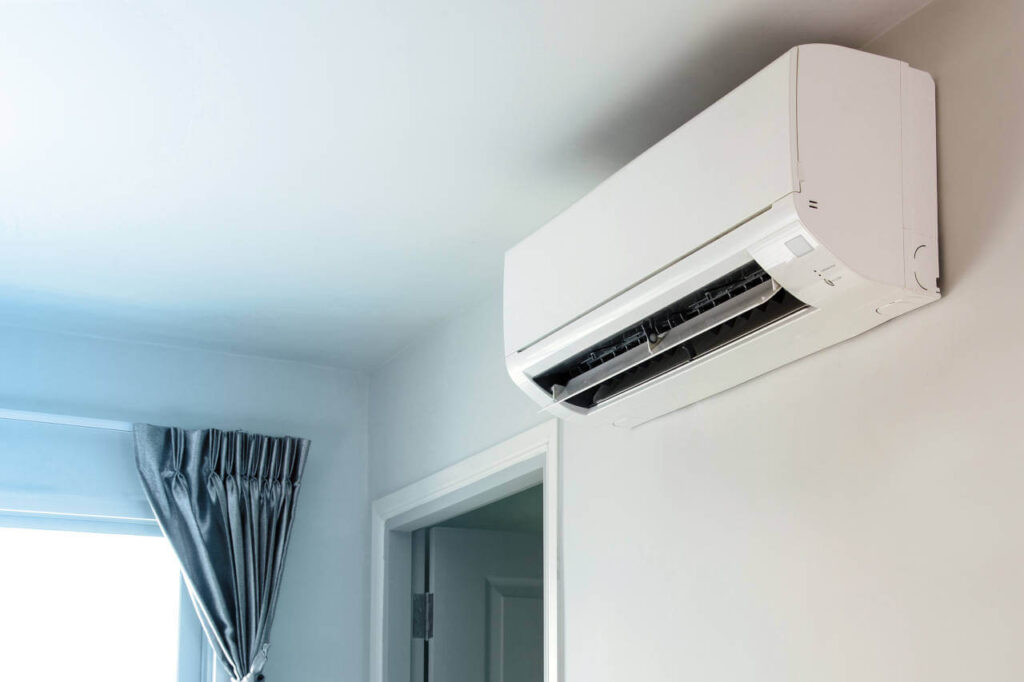
Before delving into interior wall installations, let's recap what mini-splits are. These systems consist of two main components: an outdoor unit (compressor/condenser) and one or more indoor units (air handlers). Refrigerant lines connect the two, transferring heat. The defining characteristic is the absence of ductwork, making them ideal for homes without existing duct systems or for supplementing existing HVAC.
Key Features of Mini-Splits:
- Zoned Heating and Cooling: Independently control the temperature in different rooms.
- Energy Efficiency: Many models boast impressive SEER (Seasonal Energy Efficiency Ratio) and HSPF (Heating Seasonal Performance Factor) ratings.
- Ductless Design: Simplifies installation and reduces energy loss associated with ductwork.
- Quiet Operation: Indoor units are generally much quieter than window AC units.
- Versatile Installation: Can be wall-mounted, ceiling-mounted, or floor-mounted.
Interior Wall Installation: Possibilities and Limitations
The feasibility of installing a mini-split on an interior wall hinges on several factors:
1. Proximity to an Exterior Wall:
The primary challenge is connecting the indoor unit to the outdoor unit. Refrigerant lines and electrical wiring must run through the wall and connect to the external compressor. Therefore, interior wall installations are typically only feasible if the interior wall is relatively close to an exterior wall. The further away the interior wall, the more complex and expensive the installation becomes. It may involve running lines through ceilings, floors, or other walls, which can impact aesthetics and increase labor costs.
2. Wall Construction and Obstructions:
The wall's construction plays a crucial role. Walls with significant insulation, plumbing, or electrical wiring can complicate the routing of refrigerant lines and wiring. A professional HVAC installer will need to assess the wall's structure to ensure a safe and effective installation. Drilling through load-bearing walls may require structural modifications and permits, adding to the project's complexity and cost.
3. Condensate Drain:
Mini-splits produce condensate (water) during the cooling process. This condensate needs to be drained away. For interior wall installations, this presents another challenge. Options include:
- Gravity Drain: Ideally, the condensate line should slope downward to an exterior drain or a suitable indoor drain. This is often the simplest and most reliable solution.
- Condensate Pump: If a gravity drain isn't feasible, a condensate pump can be used to pump the water upwards to a drain. These pumps require electricity and can be prone to failure, adding a maintenance consideration.
4. Aesthetics:
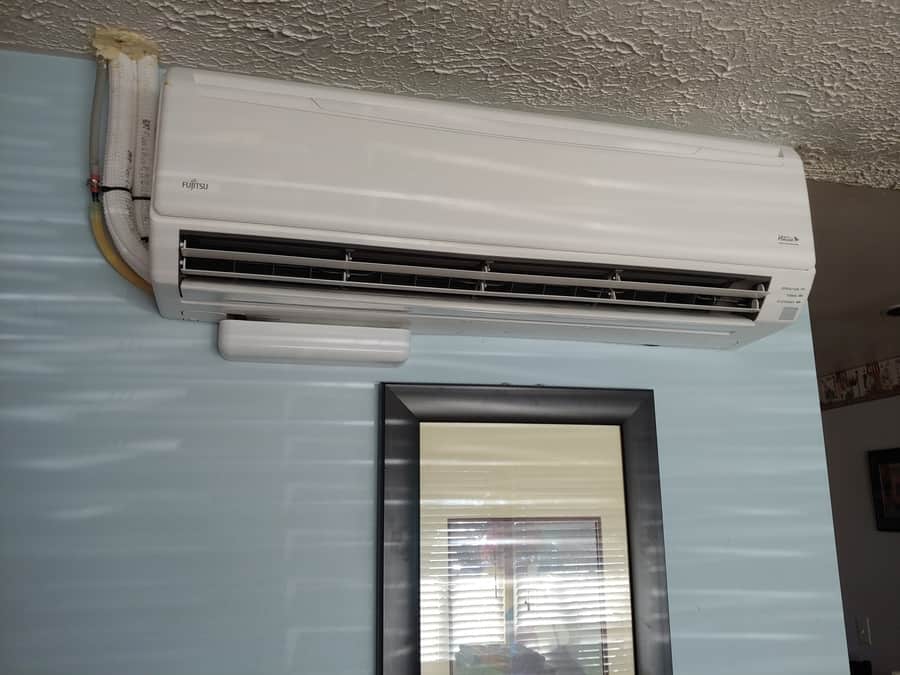
Consider the visual impact of the installation. Refrigerant lines and conduit will be visible to some extent. While installers strive to conceal these elements, complete concealment is often impossible. Discuss concealing options with your installer, such as using line set covers or strategically positioning the unit to minimize visual intrusion.
Pros and Cons of Interior Wall Mini-Split Installation
Weighing the advantages and disadvantages is critical before deciding.
Pros:
- Optimal Placement: Installing on an interior wall might allow for better air circulation and temperature distribution within the room.
- Zoning Flexibility: It opens up possibilities for creating independent temperature zones where exterior wall mounting isn't practical.
- Aesthetic Considerations: In some cases, an interior wall location may be more visually appealing.
Cons:
- Increased Installation Complexity: Routing refrigerant lines, electrical wiring, and condensate drains can be more challenging and costly.
- Potential for Wall Damage: Drilling and modifications may be required, potentially affecting the wall's structural integrity.
- Condensate Drain Issues: Managing condensate drainage can be more complex, especially if a gravity drain isn't possible.
- Higher Installation Costs: Due to the increased complexity, labor costs will likely be higher than exterior wall installations.
Popular Mini-Split Brands and Models
When choosing a mini-split, consider reputable brands known for reliability and efficiency. Here are a few popular options:
- Mitsubishi Electric: Known for high efficiency, quiet operation, and advanced features like Hyper-Heating. Consider the Mitsubishi Electric MSZ-GL Series for a balance of performance and affordability.
- Daikin: Offers a wide range of models with excellent energy efficiency and innovative technologies. The Daikin Emura series is known for its stylish design and smart home integration.
- Fujitsu: A reliable brand with a focus on performance and durability. The Fujitsu Halcyon series offers a variety of options for different needs.
- LG: Provides mini-splits with competitive pricing and a range of features, including smart capabilities and stylish designs. Look at the LG Art Cool series.
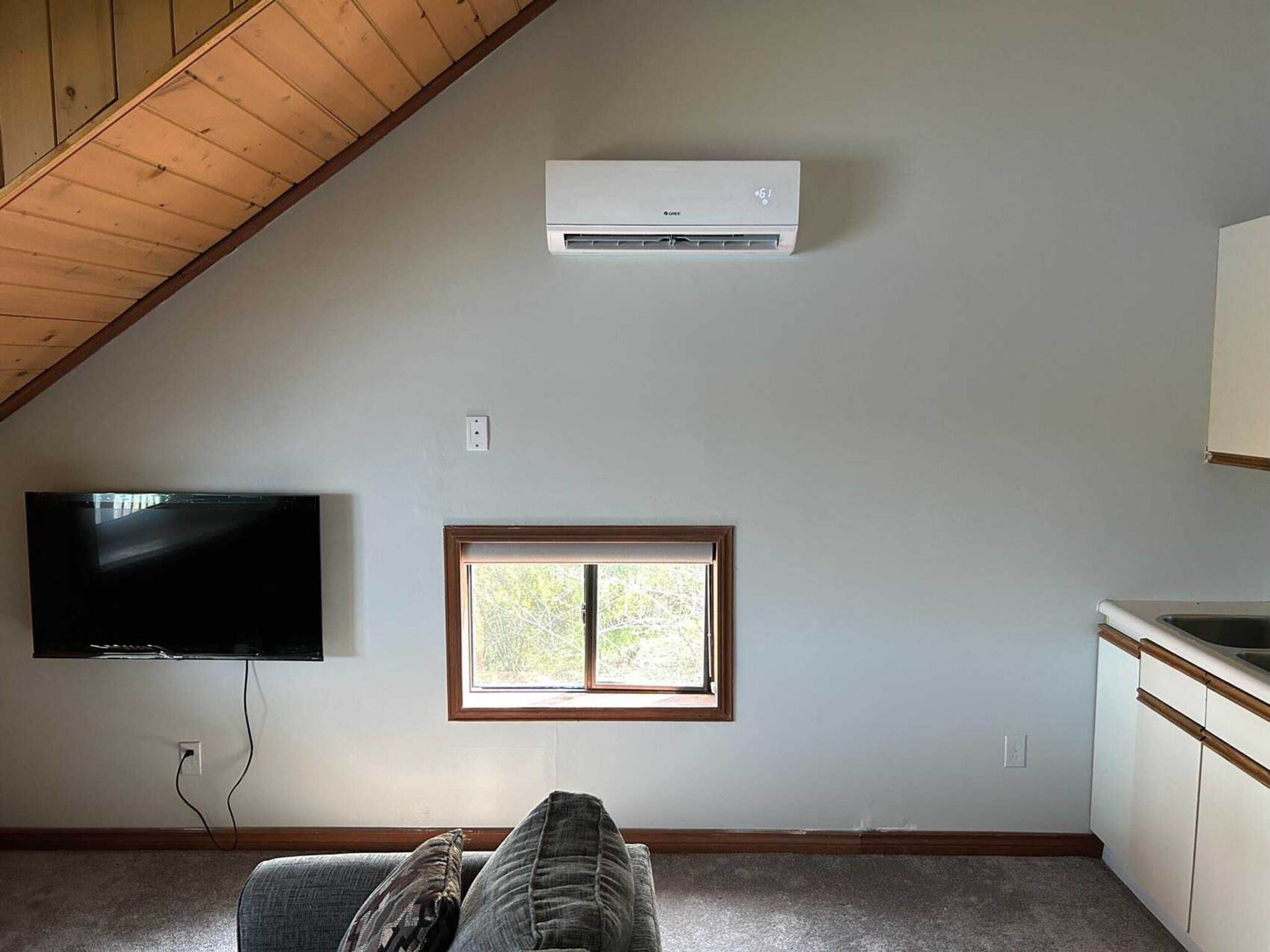
- Gree: A globally recognized brand that delivers cost-effective, high-quality mini-split systems with excellent cooling, heating, and air purification features, suitable for a variety of residential and commercial applications.
When comparing models, pay attention to SEER, HSPF, and AFUE (Annual Fuel Utilization Efficiency) ratings. Higher ratings indicate greater energy efficiency, which can translate to lower energy bills over time. Also, consider features like smart controls, inverter technology, and noise levels.
Warranties and Maintenance
Mini-split systems typically come with warranties covering parts and labor. Be sure to understand the warranty terms and conditions before purchasing. Regular maintenance is crucial to ensure optimal performance and longevity. This includes:
- Cleaning or replacing air filters regularly (every 1-3 months).
- Cleaning the indoor and outdoor unit coils.
- Checking refrigerant levels.
- Inspecting condensate drain lines.
Consult with your HVAC professional about recommended maintenance schedules and practices. Professional maintenance can help prevent costly repairs and extend the life of your system.
Pricing Considerations
The cost of a mini-split system varies depending on the size, brand, features, and installation complexity. A single-zone system (one indoor and one outdoor unit) can range from $3,000 to $8,000 installed. Multi-zone systems, which can connect multiple indoor units to a single outdoor unit, can cost significantly more. Interior wall installations typically add to the overall cost due to the increased labor and materials required.
Obtain quotes from multiple HVAC contractors to compare pricing and services. Be sure to ask for a detailed breakdown of the costs, including equipment, labor, and any necessary modifications to the wall structure. Also, inquire about available rebates or incentives from your local utility company or government programs.
Conclusion: Is Interior Wall Installation Right for You?
Installing a mini-split on an interior wall is possible, but it requires careful planning and assessment. Consider the proximity to an exterior wall, wall construction, condensate drainage options, and aesthetic considerations. Weigh the pros and cons, and consult with a qualified HVAC professional to determine if this option is suitable for your needs. A properly installed and maintained mini-split system can provide efficient and comfortable heating and cooling for years to come, enhancing the value and comfort of your home.