Can You Cut Double Wall Vent Pipe
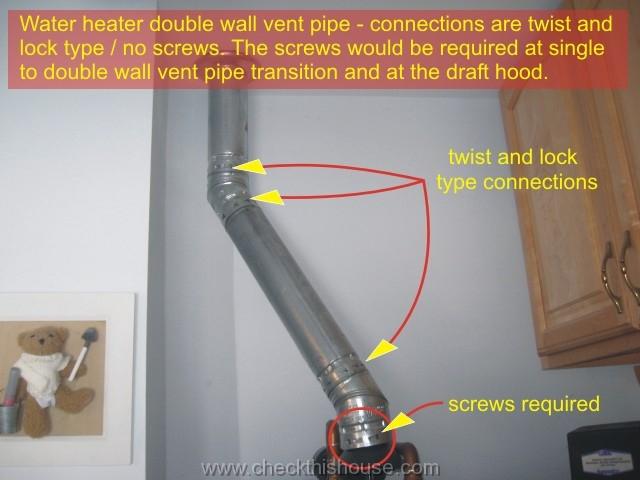
Double-wall vent pipe, often used for venting gas appliances like furnaces, boilers, and water heaters, presents a common question for HVAC professionals: Can you cut it? The answer is nuanced and depends heavily on manufacturer specifications, local codes, and the specific type of double-wall vent pipe you're working with. This article explores the considerations and best practices related to cutting double-wall vent pipe, along with a broader overview of HVAC career prospects and professional development.
Understanding Double-Wall Vent Pipe
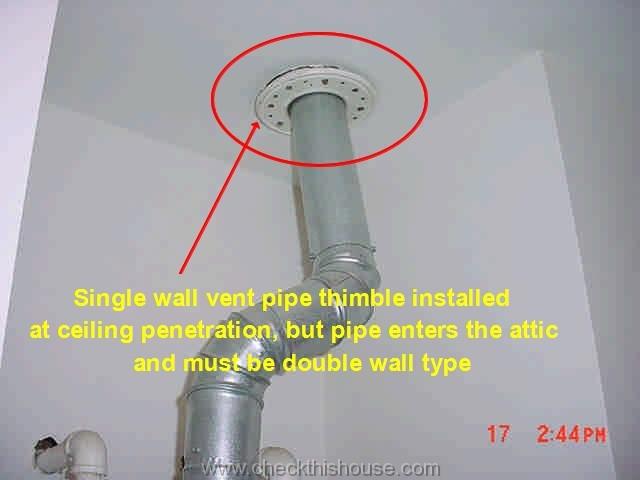
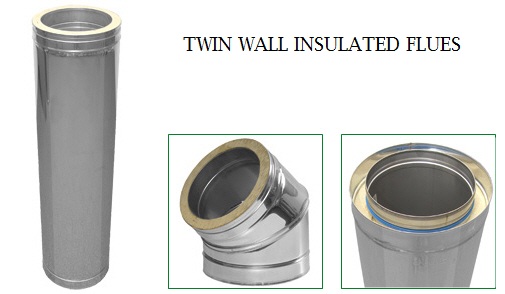
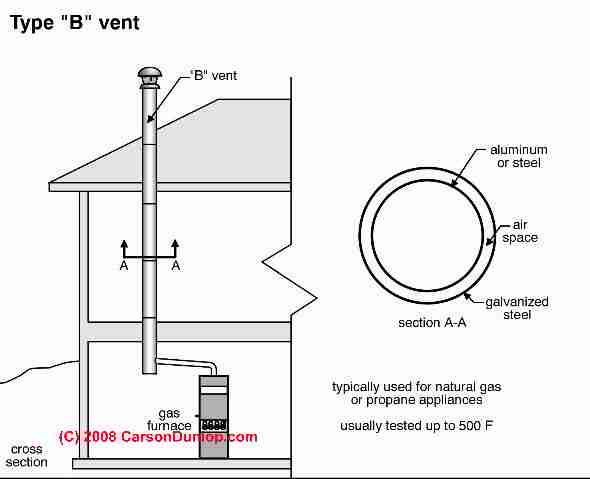
Double-wall vent pipe is designed with two layers – an inner pipe that carries the flue gases and an outer pipe that provides insulation and protection. This design helps maintain flue gas temperature, reducing condensation and improving draft. It also minimizes the risk of fire hazards by reducing the temperature of the external surface.
Common materials used in double-wall vent pipe include stainless steel, galvanized steel, and aluminum. Each material has specific properties that affect its suitability for different applications. For instance, stainless steel is highly corrosion-resistant, making it a good choice for high-efficiency appliances that produce acidic condensate.
The primary reason to exercise caution when considering cutting double-wall vent pipe is maintaining its integrity and UL listing. Altering the pipe's length can compromise its structural integrity, insulating properties, and ability to safely vent combustion byproducts.
Can You Cut It? Key Considerations
While technically feasible to cut some types of double-wall vent pipe, it's crucial to consider the following:
- Manufacturer Instructions: This is the most important factor. Always consult the manufacturer's instructions for the specific vent pipe being used. Some manufacturers explicitly prohibit cutting their double-wall vent pipe, while others provide specific guidelines on how to do it safely and maintain the warranty.
- UL Listing: Cutting vent pipe can void its UL listing, which is a crucial safety certification. A UL listing indicates that the product has been tested and meets certain safety standards. Using non-UL-listed components can lead to code violations and safety hazards.
- Local Codes: Local building codes often dictate the types of vent pipe allowed and how they should be installed. Cutting vent pipe in violation of these codes can result in fines and require rework. Always check with your local building department for specific requirements.
- Sealing and Fastening: If cutting is permitted, proper resealing and fastening are essential. The cut end must be sealed to prevent flue gas leaks and maintain the integrity of the insulation. Use the appropriate sealant recommended by the manufacturer and follow their instructions for fastening.
- Tools and Techniques: Use appropriate tools for cutting the specific material of the vent pipe. Abrasive chop saws, metal shears, or specialized pipe cutters are often used. Always wear safety glasses and gloves when cutting vent pipe. Ensure a clean, burr-free cut to facilitate proper sealing.
Example: Suppose you're installing a B-vent double-wall pipe for a natural gas furnace. The manufacturer's instructions state that the pipe *cannot* be cut under any circumstances. Cutting the pipe would violate the terms of the warranty and potentially compromise the safety of the venting system. In this scenario, you would need to use appropriate fittings to achieve the desired length or reconfigure the vent run.
Alternatives to Cutting
In many cases, alternatives to cutting double-wall vent pipe are preferable. These alternatives preserve the integrity of the vent system and maintain its UL listing:
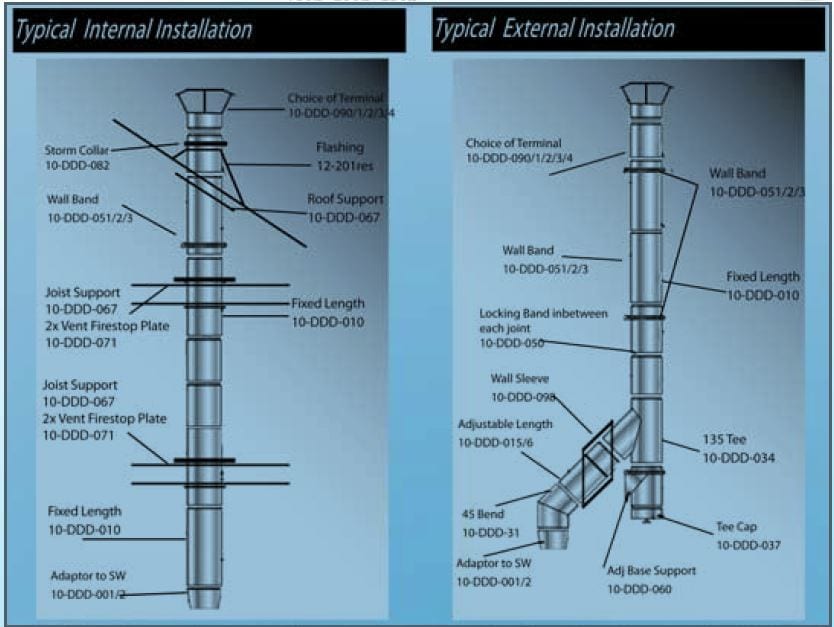
- Using Adjustable Sections: Some manufacturers offer adjustable sections of double-wall vent pipe that allow for fine-tuning the length without cutting.
- Utilizing Fittings: A wide range of fittings, such as elbows, tees, and reducers, can be used to adjust the vent run and achieve the desired length.
- Reconfiguring the Vent Run: In some cases, it may be possible to reconfigure the vent run to avoid the need for cutting.
HVAC Career Outlook and Salaries
The HVAC industry offers strong career prospects. According to the U.S. Bureau of Labor Statistics, the employment of HVAC mechanics and installers is projected to grow 6 percent from 2022 to 2032, about as fast as the average for all occupations. About 39,200 openings for HVAC mechanics and installers are projected each year, on average, over the decade.
This growth is driven by several factors, including:
- Increased demand for energy-efficient HVAC systems.
- The growing population and construction of new buildings.
- The need to replace aging HVAC systems.
The median annual wage for HVAC mechanics and installers was $59,620 in May 2023. The lowest 10 percent earned less than $36,870, and the highest 10 percent earned more than $86,820. Salaries can vary based on experience, location, and specialization.
Career Paths in HVAC
The HVAC field offers diverse career paths:
- HVAC Technician: Installs, maintains, and repairs HVAC systems.
- HVAC Installer: Focuses on the installation of new HVAC systems.
- HVAC Service Technician: Specializes in the maintenance and repair of existing HVAC systems.
- HVAC Design Engineer: Designs HVAC systems for new construction and renovation projects.
- HVAC Sales Representative: Sells HVAC equipment and services to residential and commercial customers.
- HVAC Project Manager: Oversees the installation and maintenance of HVAC systems on large projects.
Essential HVAC Certifications
Certifications demonstrate competency and can enhance career prospects. Some key certifications include:
- NATE (North American Technician Excellence): NATE certification is widely recognized in the HVAC industry and demonstrates a high level of technical knowledge and skill. NATE offers certifications for various specialties, such as installation, service, and light commercial HVAC.
- EPA Section 608 Certification: Required by the U.S. Environmental Protection Agency (EPA) for technicians who handle refrigerants. This certification covers the proper handling, recovery, and disposal of refrigerants to protect the environment. There are different types of 608 certifications based on the type of equipment being serviced.
- HVAC Excellence: Another reputable certification organization that offers certifications for HVAC technicians at various levels of experience.
- State and Local Licenses: Many states and localities require HVAC technicians to be licensed. Licensing requirements vary by location but typically involve passing an exam and demonstrating relevant experience.
Pursuing certifications can lead to higher earning potential and increased job opportunities. Employers often prefer to hire certified technicians, as it demonstrates a commitment to professionalism and competency.
Real-World Career Example: From Apprentice to Master Technician
Consider the career path of Maria Rodriguez. Maria started as an HVAC apprentice after completing a two-year technical college program. She worked under the supervision of a licensed HVAC technician, gaining hands-on experience in installing, maintaining, and repairing HVAC systems. After two years of apprenticeship, Maria passed her state licensing exam and became a licensed HVAC technician.
Maria then pursued NATE certification in HVAC service, demonstrating her expertise in troubleshooting and repairing HVAC systems. She continued to gain experience and eventually became a lead technician, responsible for supervising other technicians and managing complex projects. After several years as a lead technician, Maria earned her Master HVAC Technician license and now runs her own successful HVAC business.
Tips for HVAC Students and Apprentices
For students and apprentices entering the HVAC field, here are some valuable tips:
- Focus on Fundamentals: Develop a strong understanding of HVAC principles, such as thermodynamics, refrigeration cycles, and electrical systems.
- Gain Hands-On Experience: Seek out opportunities for hands-on training, such as apprenticeships, internships, and volunteer work.
- Stay Up-to-Date: The HVAC industry is constantly evolving, so stay up-to-date on the latest technologies and best practices. Attend industry conferences, read trade publications, and take continuing education courses.
- Network with Professionals: Attend industry events and join professional organizations to network with other HVAC professionals.
- Develop Soft Skills: In addition to technical skills, develop strong communication, problem-solving, and customer service skills.
Conclusion
The question of whether you can cut double-wall vent pipe requires careful consideration of manufacturer instructions, UL listings, and local codes. When in doubt, err on the side of caution and explore alternative solutions that preserve the integrity of the venting system. With a growing job market and competitive salaries, the HVAC industry offers many opportunities for skilled professionals. By pursuing certifications, staying up-to-date on industry trends, and developing strong technical and soft skills, HVAC professionals can build successful and rewarding careers.


:max_bytes(150000):strip_icc()/dryer-vent-installation-2718616-01-d122e18b1c6c4d92b9ac5c2d0452cfef.jpg)