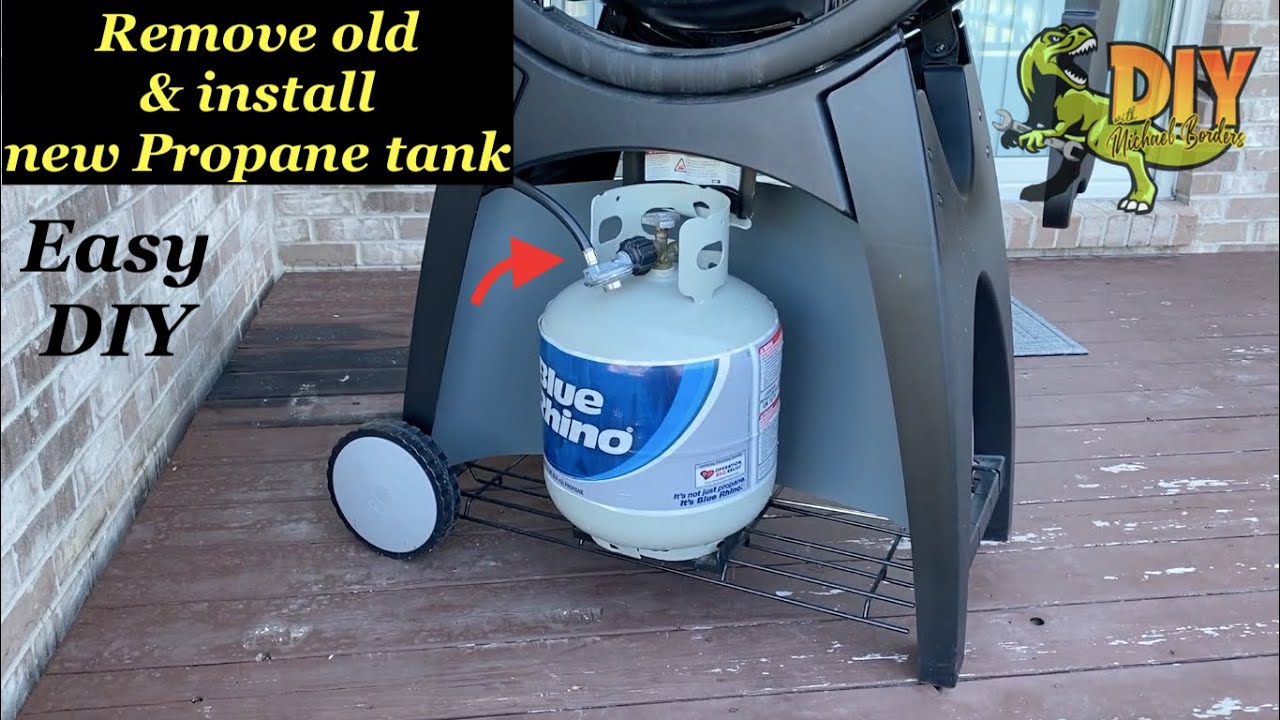
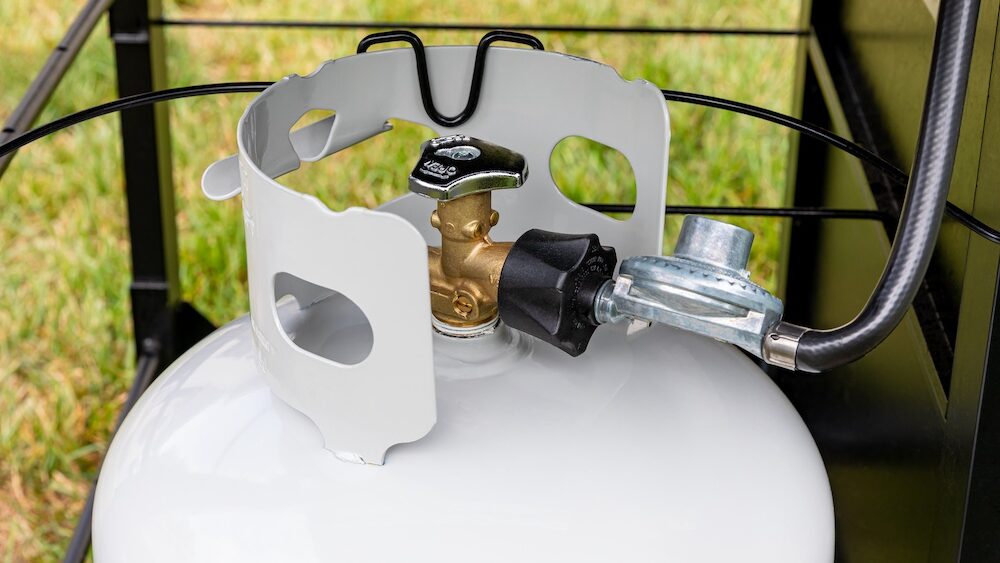
Can You Leave Propane Tank Attached To Grill
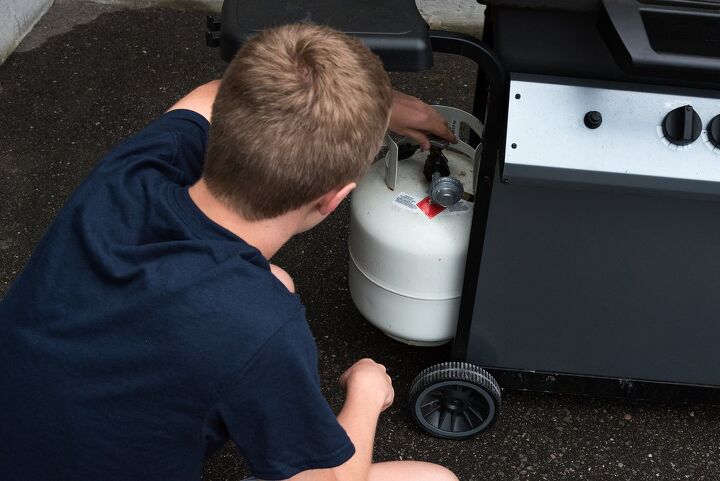
The question of whether you can leave a propane tank attached to your grill is a common one, and understanding the nuances can contribute to both safety and cost savings. As homeowners and businesses alike strive for energy efficiency and lower utility bills, even seemingly small practices, like proper propane tank storage, can make a difference. This article explores the safety aspects, best practices, and potential cost implications related to leaving your propane tank connected to your grill.
The Safety Perspective: Attached vs. Detached
From a safety standpoint, the official recommendations lean towards detaching the propane tank when the grill is not in use. This stems primarily from concerns about leaks and environmental factors. Prolonged connection can lead to wear and tear on the regulator and hose, increasing the likelihood of a propane leak. Propane, while generally safe, is highly flammable and can pose a significant risk if it accumulates in an enclosed space. The National Fire Protection Association (NFPA) emphasizes the importance of proper propane storage, particularly in residential and commercial settings.
Furthermore, leaving the tank attached exposes it to potential weather damage. Direct sunlight, rain, and extreme temperature fluctuations can degrade the tank’s components over time. This degradation not only shortens the lifespan of your equipment but also elevates the risk of malfunctions that could lead to propane leaks or other hazards.
However, the reality is many people leave their propane tanks attached for convenience. If you choose to do so, rigorous safety checks are paramount. These checks should include regularly inspecting the hose for cracks, kinks, or wear, tightening all connections, and ensuring the regulator is functioning correctly. A simple soapy water test can also detect leaks – bubbles will form if there is a leak in the connections.
Potential Cost Savings and the Role of Smart Technology
While detaching and reattaching the propane tank each time might seem inconvenient, it can indirectly contribute to cost savings. By regularly inspecting the tank and connections, you are more likely to identify and address small issues before they escalate into larger, more expensive problems. A small leak, left undetected, can waste a significant amount of propane over time, essentially throwing money away. Implementing preventative maintenance will always be more cost effective in the long run.
The integration of smart home technology offers a unique avenue for enhancing propane safety and efficiency. Consider a smart leak detector, for instance. These devices can be placed near the grill and propane tank to monitor for any unusual gas levels. If a leak is detected, the device can send an immediate alert to your smartphone, allowing you to take swift action and prevent a potentially dangerous situation.
Furthermore, some smart grills come equipped with sensors that monitor propane levels and grilling temperatures. This data can help you optimize your grilling process, reduce propane waste, and even predict when you need to refill your tank. Integrating these smart devices into a broader smart home ecosystem can provide comprehensive energy management and savings.
Best Practices for Propane Tank Storage and Maintenance
Regardless of whether you choose to leave the propane tank attached or detach it after each use, adhering to best practices for storage and maintenance is essential. The following guidelines can help ensure safety and maximize the lifespan of your propane equipment:
- Storage Location: Store propane tanks in a well-ventilated, open-air area, away from potential ignition sources like electrical outlets or open flames. Never store propane tanks indoors, in garages, basements, or enclosed spaces.
- Tank Positioning: Keep propane tanks in an upright position at all times. This helps prevent leaks and ensures proper regulator function.
- Sunlight Protection: Shield propane tanks from direct sunlight. Excessive heat can increase the pressure inside the tank, potentially leading to leaks or even explosions.
- Regular Inspections: Conduct routine inspections of the tank, hose, and regulator. Look for signs of wear, cracks, or damage. Perform a soapy water test to check for leaks.
- Professional Servicing: Schedule professional servicing of your grill and propane equipment periodically. A qualified technician can identify and address potential issues before they become major problems.
- Hose Replacement: Replace the propane hose every few years, even if it appears to be in good condition. The rubber can degrade over time, leading to leaks.
- Regulator Maintenance: Ensure the regulator is functioning properly. If you notice any issues, such as inconsistent flame or difficulty regulating the gas flow, replace the regulator immediately.
- Valve Closure: Always close the propane tank valve tightly when the grill is not in use, regardless of whether the tank is attached or detached.
Understanding Propane Tank Regulations and Rebates
Federal and state regulations govern the storage and handling of propane, particularly in commercial settings. Familiarize yourself with these regulations to ensure compliance and avoid potential penalties. The Department of Transportation (DOT) has specific guidelines for transporting propane tanks, including requirements for labeling, securing, and venting.
Furthermore, explore available rebates and incentives for energy-efficient propane appliances and systems. Many utility companies and government agencies offer rebates for upgrading to high-efficiency propane furnaces, water heaters, and other appliances. These rebates can significantly offset the upfront cost of upgrading and contribute to long-term energy savings.
Energy Star also provides resources and information on energy-efficient propane appliances. Look for the Energy Star label when purchasing new appliances to ensure they meet stringent energy-efficiency standards. Upgrading to Energy Star-certified propane appliances can qualify you for additional rebates and incentives.
The Role of HVAC Contractors in Energy-Efficient Propane Systems
HVAC contractors play a crucial role in promoting energy-efficient propane systems. They can provide expert advice on selecting the right equipment, installing it properly, and maintaining it for optimal performance. Partnering with a reputable HVAC contractor is essential for maximizing the benefits of propane in your home or business.
HVAC contractors can also help you integrate propane appliances with smart home technology. They can install smart thermostats, sensors, and other devices that optimize energy usage and provide valuable insights into your propane consumption. This integration can lead to significant cost savings and improved energy efficiency.
For businesses, HVAC contractors can design and install comprehensive propane systems that meet the specific needs of your operations. They can also provide ongoing maintenance and support to ensure your propane system operates efficiently and safely.
Smart HVAC Integration for Enhanced Efficiency
Integrating your propane-powered appliances with a smart HVAC system can further enhance energy efficiency and reduce costs. Smart thermostats, for example, can automatically adjust the temperature based on occupancy and weather conditions, minimizing propane usage when it's not needed.
Zone control systems allow you to heat or cool specific areas of your home or business, rather than the entire space. This can significantly reduce propane consumption by only heating or cooling the areas that are being used.
Smart sensors can monitor temperature, humidity, and air quality throughout your home or business. This data can be used to optimize your HVAC system's performance and identify potential issues before they become major problems.
Many utility companies offer rebates for installing smart HVAC systems. These rebates can help offset the cost of the equipment and installation, making smart HVAC integration an even more attractive investment.
Conclusion: Balancing Safety, Convenience, and Cost
Ultimately, the decision of whether to leave a propane tank attached to your grill involves balancing safety, convenience, and cost considerations. While the safest approach is generally to detach the tank after each use, many people choose to leave it attached for convenience. If you opt to do so, prioritize safety by conducting regular inspections, maintaining your equipment properly, and considering the integration of smart leak detection systems. By adhering to best practices and leveraging available resources, you can minimize the risks associated with propane usage and maximize energy efficiency, leading to both cost savings and peace of mind. Remember to check your local codes and regulations. Engaging a qualified HVAC professional and staying informed about propane safety guidelines are critical steps in ensuring a safe and energy-efficient grilling experience. Consider the long-term ROI of preventative maintenance compared to reactive repairs – a stitch in time truly saves nine, and in the context of propane, potentially much more than that. Always prioritize safety above convenience.